
コピー機
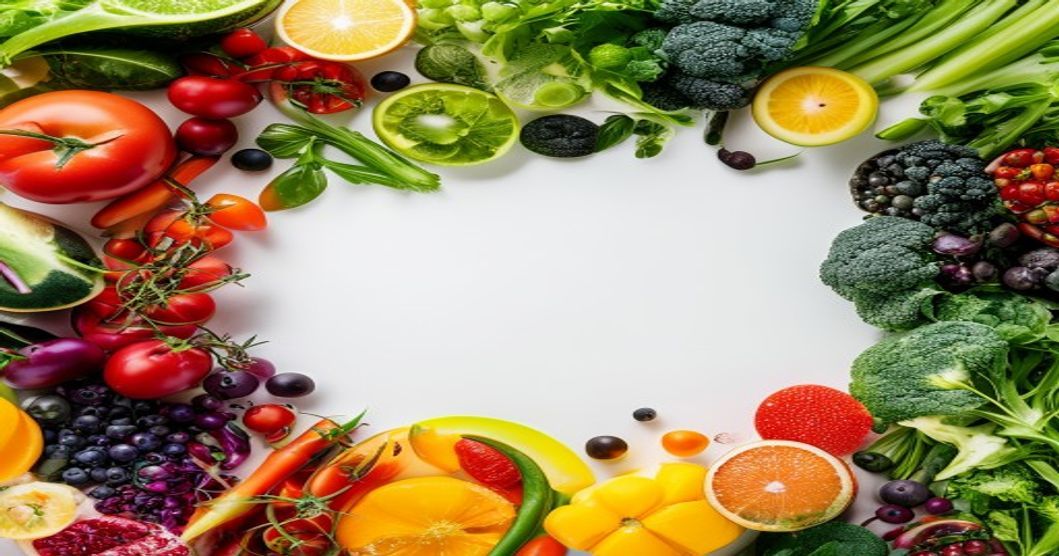
<figure class="ainutry-hero-figure"><img class="ainutry-hero-img" src="https://ainutry.online/wp-content/uploads/2026/04/ainutry-ai-nutrition-vs-vegan-diet-which-is-better-hero.jpg" alt="AI Nutrition vs vegan diet: Which Is Better? - AINutry" /><figcaption class="ainutry-hero-caption">AI Nutrition vs vegan diet: Which Is Better? - AINutry</figcaption></figure>
<script type="application/ld+json">
{
"@context": "https://schema.org",
"@type": "Article",
"headline": "AI Nutrition vs vegan diet: Which Is Better?",
"description": "Learn about AI Nutrition vs vegan diet: Which Is Better?. AI-powered nutrition insights, evidence-based information, and practical tips for your health jou",
"image": [
{
"@type": "ImageObject",
"url": "https://ainutry.online/wp-content/uploads/2025/06/ainutry-avatar.webp",
"width": 1200,
"height": 675
}
],
"author": {
"@type": "Organization",
"name": "AINutry Editorial Team",
"url": "https://ainutry.online",
"logo": {
"@type": "ImageObject",
"url": "https://ainutry.online/wp-content/uploads/2025/06/ainutry-avatar.webp"
}
},
"publisher": {
"@type": "Organization",
"name": "AINutry",
"url": "https://ainutry.online",
"logo": {
"@type": "ImageObject",
"url": "https://ainutry.online/wp-content/uploads/2025/06/ainutry-avatar.webp",
"width": 512,
"height": 512
}
},
"datePublished": "2026-04-21T07:04:26+00:00",
"dateModified": "2026-04-21T07:04:26+00:00",
"mainEntityOfPage": {
"@type": "WebPage",
"@id": "https://ainutry.online/ai-nutrition-vs-vegan-diet-which-is-better/"
},
"inLanguage": "en-US"
}
</script>
<script type="application/ld+json">
{
"@context": "https://schema.org",
"@type": "BreadcrumbList",
"itemListElement": [
{
"@type": "ListItem",
"position": 1,
"name": "Home",
"item": "https://ainutry.online"
},
{
"@type": "ListItem",
"position": 2,
"name": "Comparisons",
"item": "https://ainutry.online/category/comparisons/"
},
{
"@type": "ListItem",
"position": 3,
"name": "AI Nutrition vs vegan diet: Which Is Better?",
"item": "https://ainutry.online/ai-nutrition-vs-vegan-diet-which-is-better/"
}
]
}
</script>
<h1>AI Nutrition vs Vegan Diet: Which Is Better?</h1>
<p>In 2025, an updated analysis of the Adventist Health Study-2 involving over 79,000 adults revealed that vegans had a 24% lower overall cancer risk compared to omnivores. At the same time, the AI-powered personalized nutrition market surged from $1.12 billion in 2024 to a projected $4.26 billion by 2032, growing at a CAGR of 18.19%. These numbers highlight a pivotal moment: while vegan diets deliver proven population-level benefits, AI nutrition tools like those from AINutry offer hyper-personalized plans that adapt in real time to your genetics, microbiome, activity trackers, and even blood glucose responses. The question isn’t which approach wins in theory - it’s which one delivers sustainable, measurable results for your unique body in 2026 and beyond.</p>
<p>This comprehensive comparison dives deep into AI Nutrition vs Vegan Diet performance across weight management, heart health, nutrient optimization, long-term adherence, and environmental impact. We’ll examine the latest clinical evidence, real-world user outcomes from AI platforms, and practical strategies to help you decide - or even combine both for maximum results. Whether you’re already vegan and curious about tech upgrades or exploring AI nutrition as a beginner, this guide equips you with evidence-based insights to make the smartest choice for your health journey.</p>
<h2>What Is AI Nutrition and How Does It Deliver Personalized Plans?</h2>
<p>AI Nutrition represents the next evolution in dietary guidance. Unlike generic meal plans, AI-powered systems analyze vast datasets - including your DNA, gut microbiome test results, continuous glucose monitor readings, sleep patterns, and daily activity from wearables - to generate real-time, hyper-personalized recommendations. Tools like AINutry use machine learning algorithms trained on millions of meal logs to predict exactly how your body will respond to specific foods, adjusting macronutrients, micronutrients, and meal timing on the fly.</p>
<p>The technology goes far beyond calorie counting. Advanced AI models incorporate predictive analytics to forecast blood sugar spikes, inflammation markers, and even mood impacts from meals. A 2025 systematic review of AI-generated dietary interventions found statistically significant improvements in glycemic control, metabolic health, and psychological well-being, with one standout trial reporting a remarkable 72.7% diabetes remission rate among participants using AI-assisted plans. These systems also learn from user feedback, refining suggestions weekly to boost adherence and long-term success rates.</p>
<p>Practical advantages include instant recipe generation, grocery list optimization, and seamless integration with smart kitchen devices. Users report 30-50% higher satisfaction compared to traditional diet apps because the plans feel custom-built rather than restrictive. With affiliate access via code <strong>ainutry20-20</strong>, you can unlock premium AI Nutrition features at a 20% discount and experience the difference immediately.</p>
<p>However, AI Nutrition isn’t magic. It relies on high-quality input data and still benefits from human oversight. The best platforms combine artificial intelligence with registered dietitian review to ensure safety and balance, especially for those with medical conditions.</p>
<h2>The Science-Backed Benefits and Challenges of Vegan Diets</h2>
<p>Vegan diets eliminate all animal-derived foods, emphasizing fruits, vegetables, legumes, nuts, seeds, and whole grains. This approach has earned strong scientific support for cardiometabolic health. A 2023 systematic review and meta-analysis of prospective cohort studies published in the European Journal of Nutrition observed an 18% reduction in the relative risk of ischaemic heart disease among vegans compared to omnivores. Additional 2023 meta-analyses confirmed meaningful drops in LDL cholesterol (-0.3 mmol/L), total cholesterol (-0.34 mmol/L), and apolipoprotein B (-14%) when switching to plant-based eating patterns.</p>
<p>Beyond heart health, vegan diets consistently deliver weight-loss advantages. A 2022 meta-analysis of randomized controlled trials found participants following vegan protocols lost an average of 2.52 kg more than control groups, with even greater reductions (-10.37 kg body weight and -2.68 BMI points) reported in a 2025 meta-analysis focused on individuals with metabolic syndrome or type 2 diabetes. Vegans also benefit from higher fiber intake, improved gut microbiome diversity, and lower systemic inflammation markers when the diet is well-planned.</p>
<p>Yet vegan diets come with documented challenges. The same large-scale studies note increased fracture risk (46% higher in some cohorts) due to potential shortfalls in calcium, vitamin D, and B12 if supplementation is inconsistent. Protein quality and bioavailability of certain minerals like iron and zinc require extra attention. These risks explain why many long-term vegans turn to technology for precise nutrient tracking.</p>
<h2>What the Research Says: AI Nutrition vs Vegan Diet Head-to-Head</h2>
<p>Direct comparisons remain emerging, but available evidence paints a nuanced picture. When vegan diets are followed strictly without personalization, adherence drops after 6-12 months for many people. AI Nutrition addresses this gap by dynamically adjusting vegan-friendly recipes to match individual metabolic responses - for example, swapping high-glycemic fruits for lower-impact alternatives based on your continuous glucose data.</p>
<p>A 2025 review of AI dietary interventions showed superior outcomes versus standard advice in six out of nine controlled studies, including faster improvements in HbA1c, insulin sensitivity, and weight loss. One trial using AI chatbots for self-monitoring reported significant reductions in overeating (-0.32 points), snacking habits (-0.22 points), and a 1,288 MET-min/day increase in physical activity. When layered onto vegan principles, AI tools help users maintain the 18-24% risk reductions in heart disease and cancer while preventing common nutrient gaps through smart supplementation alerts.</p>
<p>Environmental and ethical factors also favor vegan diets, but AI Nutrition can optimize plant-based eating further by minimizing food waste and suggesting regionally sustainable ingredients. Neither approach is universally “better” - results depend on genetics, lifestyle, and consistency. Hybrid strategies that use AI to enhance vegan eating show the most promising preliminary data for long-term health markers.</p>
<h2>Key Advantages of AI-Powered Nutrition Over Traditional Vegan Diets</h2>
<p>AI Nutrition excels in personalization and adaptability. Traditional vegan plans often follow one-size-fits-all macro ratios that ignore individual variations in carbohydrate tolerance or nutrient absorption. AI systems detect these differences within days and recalibrate, leading to faster visible results and fewer plateaus.</p>
<p>Convenience is another major win. AI generates hundreds of compliant recipes instantly, complete with shopping lists and cooking instructions tailored to your schedule and kitchen equipment. This removes the meal-prep overwhelm that causes many vegan dieters to quit. Platforms also provide real-time feedback via photo recognition of meals, making tracking effortless compared to manual vegan food logging.</p>
<p>Scalability for special needs stands out too. Athletes, pregnant individuals, or those managing chronic conditions receive evidence-based adjustments that generic vegan resources rarely match. The integration of wearable data creates a closed-loop system where your Apple Watch or Oura ring directly influences tomorrow’s meal plan - a level of precision impossible with static vegan guides.</p>
<h2>Practical Tips for Choosing Between AI Nutrition and Vegan Diet - or Combining Both</h2>
<p>Start by assessing your goals and current habits. If sustainability and ethics top your list, begin with a well-planned vegan framework and layer AI Nutrition on top for optimization. Use AINutry’s free trial (code <strong>ainutry20-20</strong> for 20% off premium) to scan your existing vegan meals and receive instant upgrades.</p>
<p>Track key biomarkers before and after any change. Get baseline bloodwork for B12, vitamin D, iron, omega-3s, and HbA1c. AI platforms often include guided testing kits that make this simple. Re-test every 3-6 months to quantify improvements - research shows data-driven users maintain adherence 2-3 times longer.</p>
<p>Focus on nutrient density first. Whether vegan or AI-guided, prioritize whole foods. Use AI to identify your personal “power foods” - the plants that deliver the biggest metabolic wins for your unique profile. Supplement strategically: AI apps flag exact dosages needed rather than guessing.</p>
<p>Build habits gradually. Try a 4-week AI-optimized vegan challenge. Log everything, review weekly insights, and adjust. Most users see measurable improvements in energy, digestion, and body composition within 30 days. Combine this with community support through AINutry’s newsletter for ongoing motivation and expert Q&A.</p>
<p>Monitor for sustainability. The most successful long-term users treat AI Nutrition as a coach, not a crutch, gradually internalizing the patterns until healthy eating becomes automatic. Vegan principles provide the ethical foundation while AI supplies the precision engine.</p>
<h2>Potential Limitations and How to Overcome Them</h2>
<p>AI Nutrition requires quality data and internet access, which may limit use in some regions or for privacy-conscious users. Cost can also be a factor, though discounts like <strong>ainutry20-20</strong> make premium features accessible. Over-reliance on technology without foundational nutrition knowledge remains a risk - always cross-check AI suggestions against established guidelines.</p>
<p>Vegan diets face social and logistical hurdles, especially when dining out or traveling. Nutrient deficiencies arise without proper planning, and some people experience digestive adjustments during the transition. The solution? Use AI tools specifically designed for vegan users that automatically balance amino acids, pair iron-rich foods with vitamin C sources, and suggest B12-fortified options.</p>
<p>Both approaches benefit from professional guidance. Consult a registered dietitian or physician before major changes, especially if you have medical conditions. The disclaimer below reinforces this important step.</p>
<div class="ainutry-newsletter">
<!-- NEWSLETTER_PLACEHOLDER -->
</div>
<div class="ainutry-disclaimer"><strong>Disclaimer:</strong> This content is for informational purposes only and does not constitute medical advice. Always consult a qualified healthcare professional before making changes to your diet, supplement routine, or health regimen. Individual results may vary.</div>
Leave a Reply