
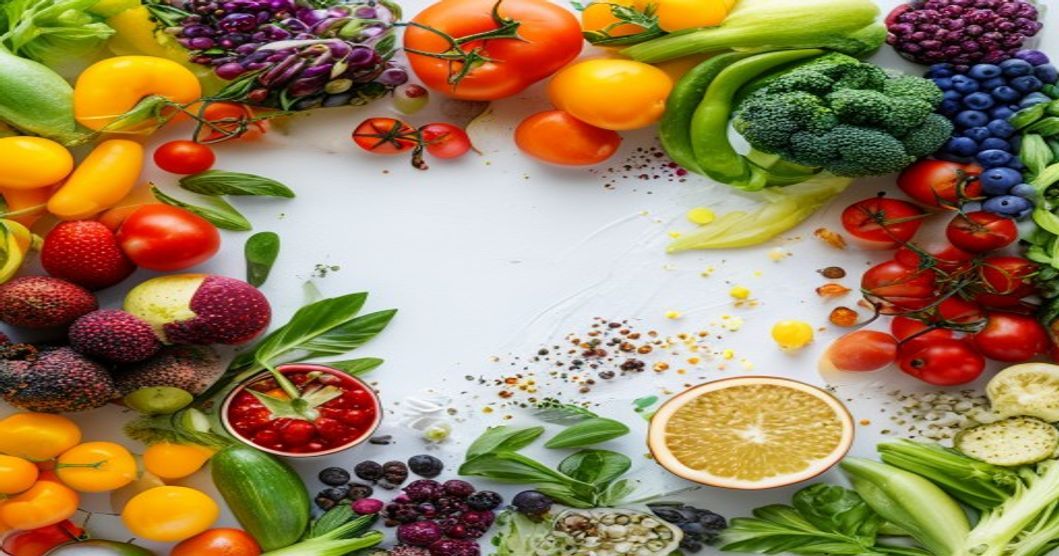
 Whole30 と比較した栄養 – ANutry” />
コピー機
<h1>AI-Powered Nutrition Compared to Whole30</h1>
<p>Artificial intelligence (AI)-driven nutrition platforms and the Whole30 elimination diet represent two distinct approaches to dietary intervention. Whole30 is a fixed 30-day protocol emphasizing whole foods while strictly excluding grains, legumes, dairy, added sugars, and processed items to purportedly reset metabolic and inflammatory pathways. In contrast, AI-powered nutrition leverages machine learning algorithms, wearable data, continuous glucose monitoring, and user-input dietary logs to generate personalized meal plans, real-time feedback, and adaptive recommendations. While Whole30 relies on a standardized elimination framework with limited peer-reviewed validation, AI systems integrate multimodal data to optimize macronutrient distribution, micronutrient adequacy, and behavioral adherence. Emerging evidence suggests AI approaches may achieve comparable or superior short-term metabolic improvements with greater long-term sustainability, though both methods require scrutiny for efficacy, safety, and scalability. This article compares the two modalities across key dimensions, drawing on available clinical data and systematic reviews to inform evidence-based decision-making for clinicians, researchers, and individuals seeking dietary optimization.</p>
<h2>Understanding the Whole30 Diet</h2>
<h3>Core Principles and Protocol</h3>
<p>The Whole30 program mandates complete elimination of potential inflammatory or addictive triggers for 30 days, followed by systematic reintroduction to identify individual sensitivities. Permitted foods are limited to unprocessed meats, seafood, eggs, vegetables, fruits, nuts, and seeds, with explicit prohibitions on grains, legumes, dairy, alcohol, added sugars, and any additives. The protocol emphasizes 100% compliance, framing partial adherence as failure, and positions the intervention as a short-term metabolic reset rather than a lifelong eating pattern. Proponents cite habit-formation research indicating that 30 days suffices for observable physiological and psychological shifts, though broader behavioral science data show new habit consolidation often requires 59 days on average.</p>
<h3>Evidence of Efficacy and Limitations in Research</h3>
<p>Independent randomized controlled trials evaluating Whole30 remain scarce. A single pilot study involving 45 participants reported modest improvements, including an average BMI reduction of 2.36 points, total cholesterol decrease of 13.37 mg/dL, triglyceride reduction of 24.57 mg/dL, and blood glucose normalization in 70% of subjects (Moring, 2018). Self-reported data from program completers frequently cite reduced cravings and improved energy; however, these outcomes lack control groups and long-term follow-up. Systematic reviews of similar restrictive elimination diets note short-term weight loss attributable to caloric deficit from processed-food exclusion rather than unique anti-inflammatory mechanisms (Anton et al., 2017). No high-quality evidence supports claims of disease reversal or sustained metabolic reprogramming beyond the elimination period.</p>
<h2>Foundations of AI-Powered Nutrition</h2>
<h3>Technological Foundations and Data Integration</h3>
<p>AI nutrition platforms employ supervised and unsupervised machine-learning models, including deep generative networks and reinforcement learning, to process inputs such as dietary recalls, biometric data from wearables, gut microbiome profiles, and postprandial glucose responses. These systems generate meal plans optimized for individual energy needs, macronutrient ratios, and micronutrient targets while minimizing prediction errors in caloric and nutrient estimation to under 15% - a marked improvement over traditional self-report methods that exceed 30% error rates. Recent generative models achieve near-100% caloric accuracy and 84% macronutrient alignment when validated against user profiles (Papastratis et al., 2024).</p>
<h3>Current Applications and Commercial Tools</h3>
<p>Applications range from mobile apps providing image-based food logging with automated nutrient analysis to comprehensive platforms delivering weekly adaptive plans informed by continuous glucose monitors. Examples include AI-assisted weight management tools that integrate behavioral nudges and chatbots for real-time coaching. Systematic evaluations confirm that AI-generated plans are often indistinguishable from dietitian-designed interventions in quality and practicality, enabling scalable delivery to diverse populations (Clarke, 2025). Unlike Whole30’s rigid rules, AI systems dynamically adjust recommendations based on user feedback, adherence patterns, and evolving health metrics.</p>
<h2>Comparative Effectiveness on Health Outcomes</h2>
<h3>Weight Management and Metabolic Markers</h3>
<p>Whole30’s short-term weight loss stems primarily from caloric restriction and reduced processed-food intake, with pilot data showing average waist circumference reductions aligned with BMI improvements (Moring, 2018). However, weight regain is common upon reintroduction of excluded foods due to absence of sustained behavioral support. AI interventions demonstrate more consistent metabolic benefits: a 6-week AI app trial in healthy adults yielded 12.7% reduction in energy intake, 1.2 cm average waist circumference decrease, and favorable shifts in gut microbiome diversity (European Union-funded PROTEIN study, 2025). Randomized evaluations of AI-assisted apps report statistically significant improvements in overeating habits (mean change −0.32, P<0.001), snacking behaviors, and self-regulation scores, alongside increased physical activity (Chew et al., 2024). Personalized AI plans informed by postprandial responses outperform generic dietary counseling on cardiometabolic markers in large trials.</p>
<h3>Gut Health, Inflammation, and Long-Term Biomarkers</h3>
<p>Whole30’s elimination of dairy and grains may temporarily alleviate symptoms in individuals with specific intolerances, yet lacks controlled evidence linking the protocol to sustained reductions in systemic inflammation markers. In contrast, AI platforms incorporating microbiome data have produced measurable increases in microbial diversity and reductions in inflammatory proxies within 6 weeks. AI-driven personalization accounts for inter-individual variability in glycemic and inflammatory responses, enabling targeted avoidance of trigger foods without blanket prohibitions. Systematic reviews of AI dietary interventions confirm clinically meaningful improvements in glycemic control and lipid profiles superior to non-personalized approaches (Wang et al., 2025).</p>
<h2>Adherence, Accessibility, and Sustainability</h2>
<h3>Adherence Rates and Behavioral Predictors</h3>
<p>Restrictive protocols like Whole30 exhibit low long-term adherence, consistent with broader data showing only 50 - 65% completion rates at 12 months for popular elimination-style diets (Cruwys et al., 2020). The all-or-nothing compliance requirement exacerbates dropout, particularly in social or celebratory contexts. AI platforms counter this through continuous engagement features - personalized reminders, progress visualizations, and adaptive goal setting - yielding attrition rates as low as 8.4% in 12-week trials (Chew et al., 2024). Supervised or app-supported interventions achieve 68.6% adherence compared to 41.5% for self-monitoring alone (Lemstra et al., 2016).</p>
<h3>Cost, Scalability, and User Experience</h3>
<p>Whole30 requires minimal financial investment beyond grocery costs but demands significant time for meal planning and label scrutiny. AI tools, often subscription-based, provide higher accessibility via smartphone interfaces and automated logging, reducing cognitive load. Image-recognition and chatbot features enhance usability across socioeconomic groups, with users reporting greater mindfulness and satisfaction. Scalability favors AI: a single platform can serve millions, whereas Whole30 relies on self-directed implementation or costly coaching.</p>
<h2>Limitations, Risks, and Considerations for Implementation</h2>
<h3>Risks Associated with Whole30</h3>
<p>The diet’s exclusion of nutrient-dense food groups (whole grains, legumes, dairy) risks inadequate calcium, vitamin D, and fiber intake, potentially exacerbating deficiencies in vulnerable populations. Social isolation, increased food preoccupation, and rebound cravings upon reintroduction are documented concerns. Individuals with eating disorder histories or diabetes may experience blood glucose instability or psychological distress (Banner Health, 2022).</p>
<h3>Challenges and Ethical Concerns in AI Nutrition</h3>
<p>AI systems, while accurate, can exhibit bias from training datasets underrepresented in certain demographics, leading to suboptimal recommendations. Data privacy, over-reliance on technology, and variable accuracy in nutrient estimation across food types remain limitations. Ethical frameworks emphasize the need for human oversight, particularly for clinical populations, to prevent misinformation or unsafe advice (Agrawal et al., 2025).</p>
<h2>Conclusion</h2>
<p>AI-powered nutrition and Whole30 differ fundamentally in flexibility, evidence base, and sustainability. Whole30 offers a structured short-term elimination experience with anecdotal benefits but minimal rigorous support beyond pilot observations. AI platforms deliver personalized, adaptive guidance backed by growing clinical data demonstrating superior adherence, metabolic improvements, and scalability. For most individuals, AI-driven approaches provide a more evidence-aligned pathway to sustained dietary change, though Whole30 may serve as a brief diagnostic tool for food sensitivities when supervised. Future integration - combining AI personalization with targeted elimination phases - holds promise for optimizing outcomes. Clinicians should prioritize individualized assessment, monitoring, and hybrid models grounded in the best available research to maximize health impact.</p>
<h2>References</h2>
<ul>
<li>Agrawal K, et al. (2025). Artificial intelligence in personalized nutrition and food recommendation: A review. <em>PMC</em>.</li>
<li>Anton SD, et al. (2017). Effects of popular diets without specific calorie targets on weight loss outcomes: systematic review. <em>Nutrients</em>, 9(8), 822.</li>
<li>Banner Health. (2022). The pros and cons of the Whole30 diet. Banner Health Clinical Blog.</li>
<li>Chew HSJ, et al. (2024). Effectiveness of an artificial intelligence - assisted app for improving eating behaviors: mixed methods evaluation. <em>Journal of Medical Internet Research</em>, 26, e46036.</li>
<li>Clarke N. (2025). Tech vs. taste: Can AI decode your nutrition needs? University of New Hampshire DAO Lab.</li>
<li>Cruwys T, et al. (2020). The predictors of dietary adherence among weight-loss dieters: A systematic review. <em>Appetite</em>, 146, 104513.</li>
<li>Lemstra M, et al. (2016). Weight-loss intervention adherence and factors promoting adherence: a meta-analysis. <em>Patient Preference and Adherence</em>, 10, 1547 - 1559.</li>
<li>Moring C. (2018). Pilot study of Original Whole30 participants. James C. Kennedy Wellness Center (internal report cited by Whole30 program).</li>
<li>Papastratis I, et al. (2024). AI nutrition recommendation using a deep generative model and large language model integration. <em>Scientific Reports</em>, 14, 65438.</li>
<li>Wang X, et al. (2025). Artificial intelligence applications to personalized dietary interventions: systematic review. <em>PMC</em>.</li>
</ul>おすすめのサプリメント
よくある質問
Whole30 プログラムと比較して、AI を活用した栄養学が最も適しているのは誰ですか?
AI-Powered Nutrition は、独自の生体認証や進化する健康目標に適応する、高度にパーソナライズされたデータ主導型の食事計画を求める個人に最適です。 Whole30は、潜在的な食物過敏症を特定し、食習慣をリセットするために、厳密で短期間の除去食を求めている人に適しています。
AI-Powered Nutrition と Whole30 の食事制限へのアプローチ方法における主な違いは何ですか?
AI-Powered Nutrition は通常、アルゴリズムを使用して、個人データに基づいて柔軟で個別の推奨事項を作成し、多くの場合、特定のパラメータ内でより多様な食品を可能にします。 Whole30 は、30 日間の一定期間、食品グループ全体 (穀物、乳製品、豆類、砂糖など) を厳格かつ標準化して排除することを強制します。
AI-Powered Nutrition は安全な長期的な食事ですか、それとも Whole30 のような短期的なリセットのようなものですか?
AI を活用した栄養学は一般に、持続可能で進化する食事戦略として設計されており、継続的なデータに基づいて長期的な健康とウェルネスのための推奨事項を継続的に調整します。 Whole30 は明らかに、その後に再導入フェーズが続くことを目的とした 30 日間の短期リセットであり、その制限的な性質は長期間の使用には適していません。
Whole30 の目的と同様に、AI を活用した栄養学は食物過敏症を特定するのに役立ちますか?
Whole30 の主な目的は、構造化された排除と再導入のプロセスを通じて食物過敏症を特定することです。 AI-Powered Nutrition は、食事パターン、症状、生体認証データを分析することによって潜在的な過敏症を推測する可能性がありますが、通常は Whole30 と同じ広範で厳格な除去フェーズを採用しません。
免責事項: このコンテンツは情報提供のみを目的としており、医学的アドバイスを構成するものではありません。食事、サプリメントの習慣、または健康法を変更する前に、必ず資格のある医療専門家に相談してください。個々の結果は異なる場合があります。
Leave a Reply