
コピー機
<p>Over 1.16 billion people worldwide experienced migraines in 2021, with prevalence continuing to rise according to Global Burden of Disease data, making it one of the leading causes of disability, especially among women aged 15-49. A surprising fact is that while tension-type headaches are nearly twice as common, migraines account for approximately 90% of the years lived with disability from all headache disorders. By leveraging the power of artificial intelligence (AI) in nutrition, individuals can now identify personal dietary triggers, optimize nutrient intake, and create sustainable eating plans that may significantly reduce migraine frequency and severity.</p>

<figure>
  <img decoding="async" src="https://ainutry.online/wp-content/uploads/2026/03/ainutry-how-ai-can-help-manage-migraines-through-diet-hero.jpg"
       alt="How AI Can Help Manage Migraines Through Diet  -  AINutry"
       title="How AI Can Help Manage Migraines Through Diet"
       style="max-width:100%;border-radius:12px;box-shadow:0 4px 16px rgba(0,0,0,0.12);"
       loading="lazy"
       width="1200" height="675" />
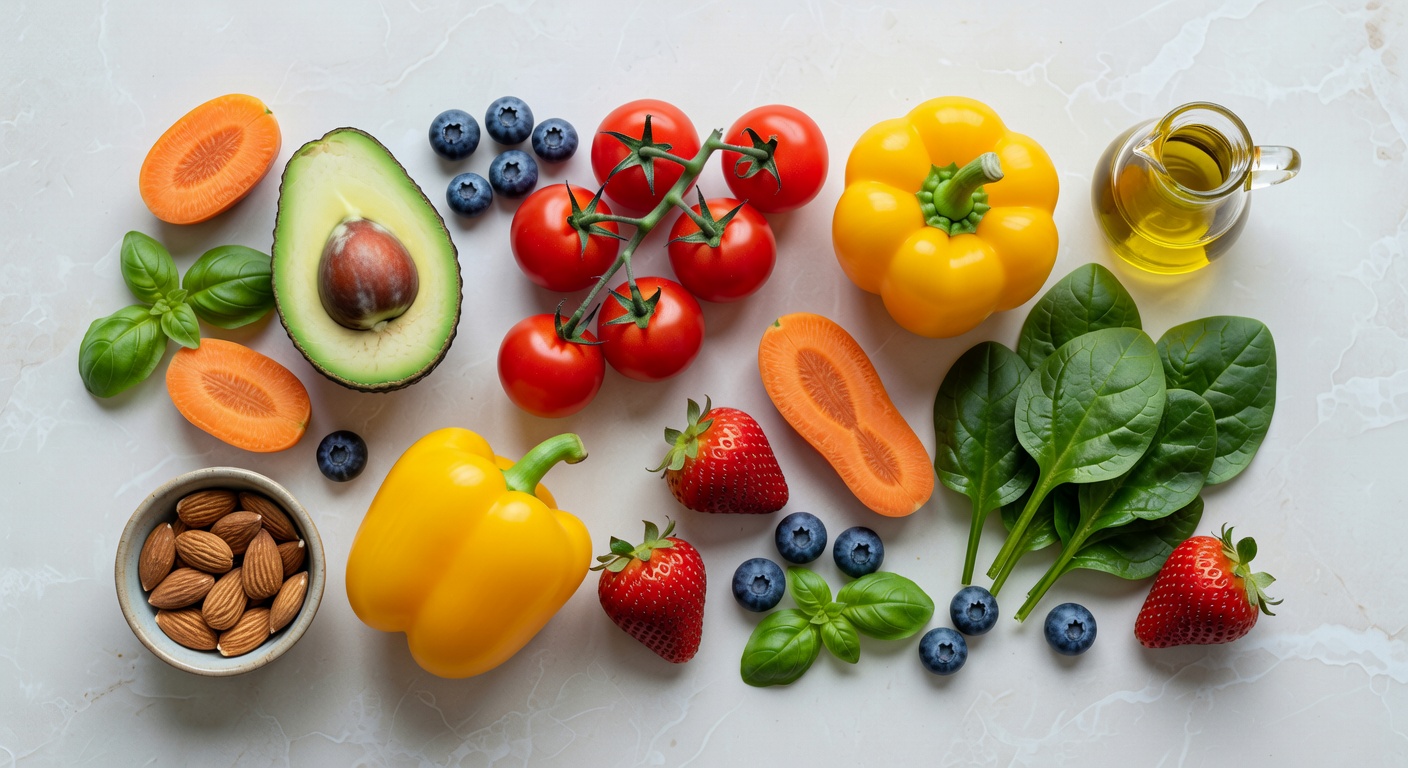
  <figcaption>How AI Can Help Manage Migraines Through Diet  -  AINutry</figcaption>
</figure>

<h2 id="table-of-contents">Table of Contents</h2>
<div class="ainutry-related">
<h3> Related Articles</h3>
<ul>
<li> <a href="https://ainutry.online/ai-nutrition-for-migraines-what-science-says/">AI Nutrition for migraines: What Science Says</a></li>
<li> <a href="https://ainutry.online/best-omega-3-supplements-for-brain-health-in-2026-ai-powered-analysis/">Best Omega-3 Supplements For Brain Health In 2026: AI-Powered Analysis</a></li>
<li> <a href="https://ainutry.online/how-ai-can-help-manage-chronic-fatigue-syndrome-through-diet/">How AI Can Help Manage chronic fatigue syndrome Through Diet</a></li>
<li> <a href="https://ainutry.online/ai-nutrition-for-chronic-fatigue-syndrome-what-science-says/">AI Nutrition for chronic fatigue syndrome: What Science Says</a></li>
<li> <a href="https://ainutry.online/how-ai-can-help-manage-sleep-disorders-through-diet/">How AI Can Help Manage sleep disorders Through Diet</a></li>
</ul>
</div>
<div class="ainutry-disclosure">
<strong>Affiliate Disclosure:</strong> Some links in this article are affiliate links.<br />
If you purchase through these links, we may earn a small commission at no extra cost to you.<br />
This helps support AINutry and allows us to continue providing free nutrition content.
</div>
<ul>
<li><a href="#section1">What are Migraines?</a></li>
<li><a href="#section2">The Role of Diet in Migraine Management</a></li>
<li><a href="#section3">AI-Powered Nutrition Education for Migraines</a></li>
<li><a href="#section4">Evidence-Based Dietary Strategies for Migraine Relief</a></li>
<li><a href="#what-the-research-says">What the Research Says: Key Studies on Diet and Migraines</a></li>
<li><a href="#practical-tips">Practical Tips for Using AI to Manage Migraines Through Diet</a></li>
<li><a href="#key-takeaways">Key Takeaways and Next Steps</a></li>
</ul>

<h2 id="what-are-migraines">What Are Migraines? Understanding This Debilitating Neurological Condition</h2>
<p>Migraines are complex neurological disorders characterized by intense, often pulsating headaches, usually on one side of the head, accompanied by sensitivity to light (photophobia), sound (phonophobia), smells, nausea, and sometimes vomiting or aura symptoms. They affect approximately 14.1% of the global population, with significantly higher rates among females (17.6%) compared to males (10.5%), according to the Global Burden of Disease Study 2023.<grok-card data-id="1b29b6" data-type="citation_card" data-plain-type="render_inline_citation" ></grok-card></p>

<p>Research indicates that migraines result from a combination of genetic predisposition, environmental factors, and triggers including stress, hormonal changes, sleep disturbances, and dietary influences. The condition imposes a massive burden: in 2023, migraines alone caused an estimated 40.9 million years lived with disability (YLDs) globally.<grok-card data-id="851b23" data-type="citation_card" data-plain-type="render_inline_citation" ></grok-card> Many sufferers report that episodes can last from 4 to 72 hours, severely impacting work, relationships, and quality of life.</p>

<h3>Key Points About Migraines:</h3>
<ul>
<li>Migraines affect over 1 in 7 people worldwide, with rising prevalence documented from 1990 to 2021</li>
<li>Women are disproportionately impacted, experiencing higher rates and greater disability</li>
<li>Dietary patterns and specific food triggers play a significant, modifiable role in symptom management</li>
<li>AI tools are emerging to help personalize trigger identification and nutritional strategies</li>
</ul>

<h2 id="the-role-of-diet-in-migraine-management">The Role of Diet in Migraine Management: How Food Influences Headache Frequency and Severity</h2>
<p>Dietary factors have been consistently linked to both the development and severity of migraines. A 2020 systematic review published in the journal <i>Headache</i> highlighted that up to 60% of migraine patients identify specific foods as triggers, with common culprits including alcohol, caffeine, chocolate, aged cheeses, processed meats, and citrus fruits. Poor dietary habits, such as irregular meal timing or high consumption of pro-inflammatory foods, correlate with increased migraine frequency and disability.</p>

<p>Conversely, increasing intake of fruits and vegetables, rich in antioxidants and anti-inflammatory compounds, shows promise. Studies associate higher consumption of these foods with lower odds of primary headaches. One analysis found that shifting toward nutrient-dense eating patterns can support better migraine control by stabilizing blood sugar, reducing inflammation, and addressing potential nutrient deficiencies like magnesium, riboflavin, and omega-3 fatty acids.</p>

<h3>Common Dietary Triggers and Protective Foods:</h3>
<ul>
<li>Potential triggers: gluten (in sensitive individuals), dairy, citrus fruits, chocolate, alcohol, and processed or aged foods high in tyramine or histamine</li>
<li>Protective elements: fruits, vegetables, fatty fish rich in omega-3s, whole grains, and consistent meal timing</li>
<li>Evidence from observational studies links Western-style diets high in processed foods to higher migraine risk</li>
</ul>

<h2 id="ai-powered-nutrition-education-for-migraines">AI-Powered Nutrition Education for Migraines: Personalized Insights at Your Fingertips</h2>
<p>Artificial intelligence is transforming migraine management by analyzing vast datasets - including individual health records, food diaries, symptom logs, genetic information, and the latest scientific literature - to deliver highly personalized dietary recommendations. AI algorithms can detect subtle patterns in a user's eating habits and migraine occurrences that might otherwise go unnoticed, such as delayed reactions to certain additives or the protective effects of specific nutrient combinations.</p>

<p>Platforms powered by AI, like those integrating machine learning for headache prediction, can suggest real-time adjustments: for example, recommending a preemptive magnesium-rich snack before a known high-stress period or flagging potential histamine buildup from leftover foods. This goes beyond generic advice, offering evidence-based guidance tailored to age, gender, comorbidities, and lifestyle factors. Early research on AI-driven digital therapeutics for low-glycemic or personalized nutrition in migraine patients has shown encouraging reductions in attack frequency through consistent app-guided dietary adherence.</p>

<p>Moreover, AI accelerates nutrition education by summarizing complex studies, generating easy-to-follow meal plans, and even predicting how dietary changes might interact with medications. For someone in 2026 dealing with chronic migraines, this means moving from trial-and-error to data-driven strategies that evolve with new inputs from wearable devices or electronic health records.</p>

<h3>Benefits of AI-Powered Nutrition for Migraine Sufferers:</h3>
<ul>
<li>Real-time personalized dietary recommendations based on your unique health data and migraine patterns</li>
<li>Automated trigger identification and avoidance strategies using machine learning</li>
<li>Integration with symptom tracking apps for predictive insights and proactive adjustments</li>
<li>Access to synthesized, up-to-date evidence from thousands of scientific papers</li>
</ul>

<h2 id="evidence-based-dietary-strategies-for-migraine-relief">Evidence-Based Dietary Strategies for Migraine Relief: Proven Approaches Backed by Science</h2>
<p>Several dietary strategies have demonstrated potential in reducing migraine frequency, duration, and intensity. The "4-day diet" or elimination-style protocols involve short-term restrictive phases to identify and remove personal triggers, followed by systematic reintroduction. Low-histamine diets may benefit individuals sensitive to histamine-rich foods (such as aged cheeses, fermented items, or leftovers), with some observational reports noting symptom improvement in a subset of patients.</p>

<p>Other approaches include the DASH (Dietary Approaches to Stop Hypertension) diet, which emphasizes fruits, vegetables, low-fat dairy, and whole grains while limiting sodium and processed foods. Ketogenic or low-glycemic index diets have also shown reductions in attack parameters in smaller studies. Increasing omega-3 fatty acids while decreasing omega-6 vegetable oils produced 30-40% reductions in headache hours and days in one NIH-supported trial.</p>

<!-- AFFILIATE_PLACEHOLDER -->

<h3>Evidence-Based Dietary Strategies:</h3>
<ul>
<li>The 4-day or elimination diet: short restrictive phase to pinpoint and reduce individual triggers</li>
<li>Low-histamine diet: targeted relief for those with histamine sensitivity or mast cell involvement</li>
<li>DASH or Mediterranean-style eating: higher fruit/vegetable intake linked to fewer and less severe attacks</li>
<li>Omega-3 focused diets: higher fatty fish intake shown to lower migraine frequency and pain intensity</li>
</ul>

<h2 id="what-the-research-says">What the Research Says: Key Studies on Diet, Nutrition, and Migraine Outcomes</h2>
<p>A 2024 meta-analysis and multiple reviews emphasize that while food triggers vary widely (reported by 12-60% of patients), targeted dietary interventions can yield measurable benefits. For instance, a 2025 meta-analysis on fatty acid interventions found significant reductions in pain intensity (standardized mean difference -1.77), headache duration, and frequency when increasing omega-3s and moderating omega-6s.</p>

<p>Another 2021 study demonstrated that a diet higher in fatty fish and lower in vegetable oils reduced monthly migraine days by 30-40% and lowered pain intensity compared to control diets. Cross-sectional research from 2023-2024 links higher adherence to pro-inflammatory diets with nearly double the odds of chronic migraine, while greater dietary diversity - particularly more fruits and vegetables - correlates with improved symptoms through reduced oxidative stress.</p>

<p>A 2024 review of dietary patterns concluded that elimination diets based on IgG responses, gluten-free diets (in sensitive individuals), and DASH-style eating can decrease headache frequency, severity, and medication reliance. However, researchers consistently call for larger, high-quality randomized controlled trials to strengthen these findings. AI tools excel here by helping individuals apply population-level evidence to their personal biology.</p>

<p>Overall, the science supports a multifaceted approach: consistent meal timing to prevent hunger-induced attacks, anti-inflammatory nutrient focus, and individualized trigger management rather than universal restrictions.</p>

<h2 id="practical-tips">Practical Tips for Using AI to Manage Migraines Through Diet in 2026</h2>
<p>Start by tracking your meals, symptoms, sleep, and stress for at least two weeks using an AI-enabled app that logs data automatically via photo recognition or voice input. Feed this information into AI nutrition platforms to generate a baseline analysis of potential triggers and nutrient gaps.</p>

<p>Experiment with structured protocols under professional guidance: try a short low-histamine or elimination phase while using AI to monitor objective metrics like headache days and severity scores. Incorporate omega-3-rich foods such as salmon, mackerel, or high-quality supplements (consult a doctor first), aiming for balanced fatty acid ratios.</p>

<p>Use AI chat features or recommendation engines to build weekly meal plans that are migraine-friendly - emphasizing fresh fruits, leafy greens, lean proteins, and whole grains while avoiding known personal triggers. Set reminders for regular eating intervals and hydration, as dehydration and skipped meals are frequent culprits.</p>

<p>Review your AI-generated reports monthly and adjust based on real outcomes. Combine dietary changes with other lifestyle factors like consistent sleep and stress management for synergistic effects. Always consult a healthcare provider or registered dietitian before making major changes, especially if you have comorbidities or take preventive medications.</p>

<p>Finally, subscribe to evidence-updating AI tools that alert you to new 2026 research on migraine nutrition, ensuring your plan remains current.</p>

<h2 id="key-takeaways">Key Takeaways and Next Steps for AI-Enhanced Migraine Diet Management</h2>
<p>Migraines represent a major global health challenge influenced heavily by modifiable dietary and lifestyle factors. AI-powered nutrition tools offer a sophisticated, personalized way to identify triggers, optimize protective nutrients, and implement sustainable changes that can reduce attack frequency and improve quality of life.</p>

<p>Evidence from recent studies supports strategies like increasing fruits and vegetables, balancing omega fatty acids, maintaining regular meal patterns, and using targeted elimination or low-histamine approaches when appropriate. While more large-scale research is needed, current data and real-world AI applications show meaningful potential for better outcomes.</p>

<p>Next steps: Begin with consistent symptom and food tracking, explore AI nutrition platforms designed for chronic conditions, and work with your healthcare team to integrate these insights safely. Small, data-backed adjustments today can lead to significant relief tomorrow.</p>

<h2 id="faq">FAQ</h2>
<ol>
<li>
<h3>What causes migraines?</h3>
<p>Migraines are influenced by a combination of genetic, environmental, and lifestyle factors, including diet, stress, hormones, and sleep patterns.</p>
</li>
<li>
<h3>Can dietary changes really help manage migraines?</h3>
<p>Yes, research from 2020-2025 shows that specific dietary patterns, increased fruit and vegetable intake, omega-3 optimization, and trigger avoidance can reduce migraine frequency, severity, and duration in many individuals.</p>
</li>
<li>
<h3>How does AI improve dietary management of migraines?</h3>
<p>AI analyzes personal data alongside scientific literature to detect hidden patterns, predict triggers, and generate customized meal plans and recommendations far more efficiently than traditional methods.</p>
</li>
<li>
<h3>Are low-histamine or elimination diets effective for everyone?</h3>
<p>They show promise for histamine-sensitive or trigger-prone individuals but work best when personalized; AI can help determine suitability and monitor results.</p>
</li>
<li>
<h3>Should I consult a doctor before changing my diet for migraines?</h3>
<p>Absolutely. Professional medical advice ensures safety, especially when combining dietary changes with medications or managing other health conditions.</p>
</li>
</ol>

<p><em>This article is for informational purposes only and does not constitute medical advice. Individual results may vary.</em></p>
追加の研究では、オメガ 3 脂肪酸を組み込むと、 magnesium、CoQ10サプリメントを食事に取り入れることも片頭痛を和らげる可能性があります。
よくある質問
AI は片頭痛の原因となる特定の食べ物を特定するのに役立ちますか? もしそうなら、AI は食事の追跡とどのように連携しますか?
はい、AI は詳細な食事記録や症状日記を分析し、手動で見つけるのが難しいパターンや潜在的な片頭痛の引き金を特定します。片頭痛が起きたときに食べたものを相関させることで、AI アルゴリズムは頭痛と一貫して関連している特定の食材や食事の種類を正確に特定できます。
AI は片頭痛管理のためにどのような食事の推奨を提供できますか? それはパーソナライズされていますか?
AI は、特定されたトリガー、栄養ニーズ、さらには遺伝的素因(データが利用可能な場合)に基づいて、パーソナライズされた食事の推奨事項を提供できます。これらの推奨事項には、注目すべき特定の食品グループ、避けるべき食品、さらには血糖値を安定させて片頭痛を予防するための最適な食事のタイミングが含まれる場合があります。
片頭痛管理のために食事を追跡するのに役立つ、現在 (または 2026 年までに予想される) AI を活用したアプリやツールはありますか? どのような機能を探す必要がありますか?
片頭痛の食事管理のための特定の AI を活用したアプリは進化していますが、2026 年までには、食事の記録、症状の追跡、AI 分析を統合した高度なプラットフォームが期待されます。包括的なアプローチを実現するために、トリガーの自動識別、パーソナライズされた食事の提案、ウェアラブル デバイスとの統合などの機能を探してください。
片頭痛の食事アドバイスを AI に頼ることは安全ですか? それでも医師または管理栄養士に相談する必要がありますか?
AI はパターンを特定するための強力なツールとなり得ますが、専門的な医学的アドバイスに取って代わるべきではありません。 AI によって生成された食事の推奨事項について話し合い、それが安全で個人の健康ニーズに適切であることを確認し、片頭痛を効果的に管理するには、必ず医師または管理栄養士に相談してください。
Leave a Reply