
코피에르
<p>Asthma affects over 262 million people worldwide, according to the World Health Organization data from 2019, and remains one of the most common chronic respiratory conditions, causing approximately 455,000 deaths annually. In the United States alone, nearly 28 million people have asthma, with annual healthcare costs reaching tens of billions and nearly 40% of patients experiencing at least one attack each year. While inhalers and medications form the cornerstone of treatment, growing scientific evidence highlights how targeted nutrition can help reduce inflammation, support lung function, and complement conventional therapies in managing this complex disease.</p>
<figure>
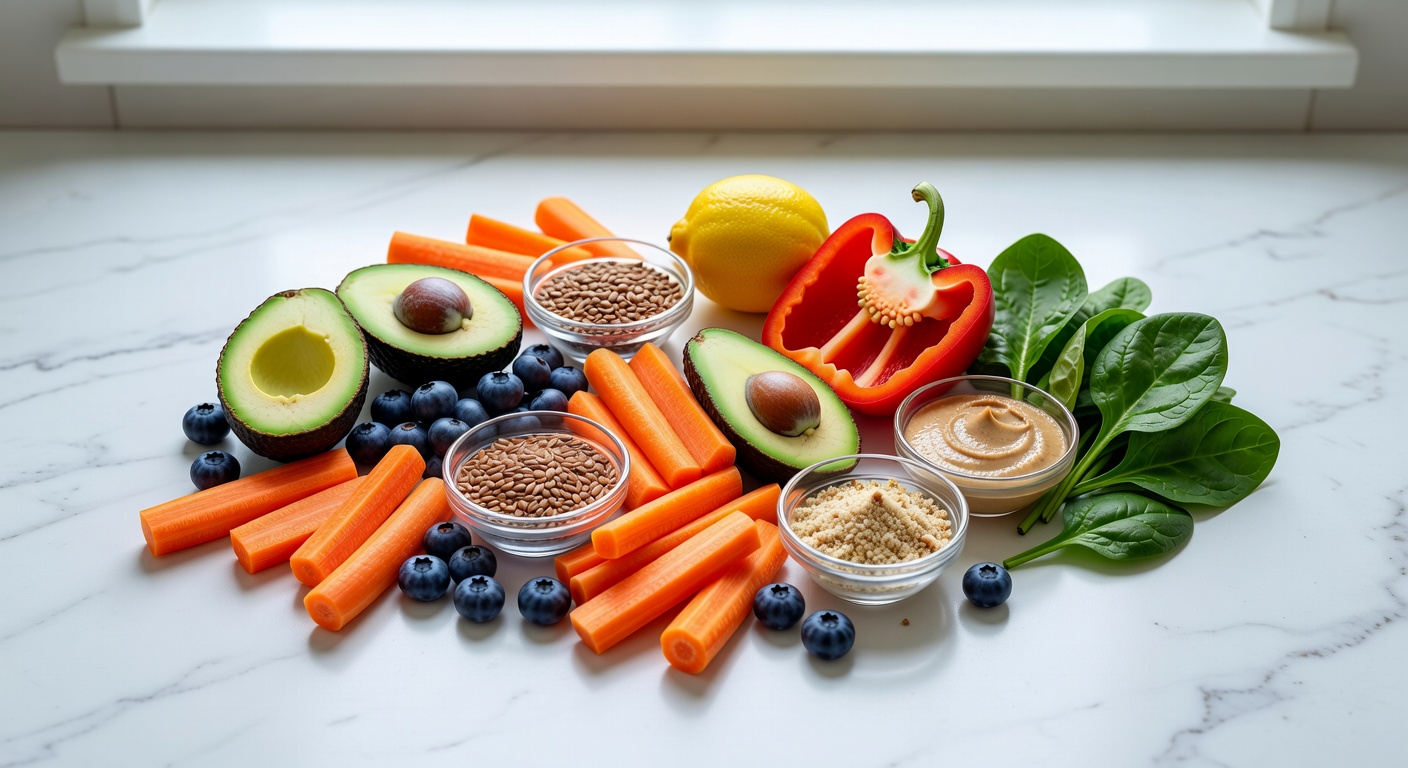
<img decoding="async" src="https://ainutry.online/wp-content/uploads/2026/03/ainutry-ai-nutrition-for-asthma-what-science-says-hero.jpg"
alt="AI Nutrition for asthma: What Science Says - AINutry"
title="AI Nutrition for asthma: What Science Says"
loading="lazy"
width="1200" height="675" /><figcaption>AI Nutrition for asthma: What Science Says - AINutry</figcaption></figure>
<h2 id="table-of-contents">Table of Contents</h2>
<ul>
<li><a href="#section-1">Understanding Asthma and the Critical Role of Nutrition in Symptom Management</a></li>
<li><a href="#section-2">AI-Powered Nutrition Platforms for Personalized Asthma Management</a></li>
<li><a href="#section-3">What the Research Says: Evidence on Key Nutrients and Foods for Asthma Relief</a></li>
<li><a href="#section-4">Practical Tips for Implementing an Anti-Inflammatory Diet for Asthma</a></li>
<li><a href="#section-5">Personalized Diets Through AI Nutrition for Better Asthma Outcomes</a></li>
<li><a href="#section-6">Conclusion: The Promising Future of AI Nutrition in Asthma Care</a></li>
</ul>
<h2 id="section-1">Understanding Asthma and the Critical Role of Nutrition in Symptom Management</h2>
<p>Asthma involves chronic inflammation of the airways, leading to hyperresponsiveness, wheezing, shortness of breath, and chest tightness. This inflammation can be influenced by oxidative stress, immune imbalances, and environmental triggers. Nutrition plays a supportive role by modulating these pathways - antioxidants combat oxidative damage, while certain fatty acids and vitamins help regulate immune responses and improve overall lung health.</p>
<p>Research consistently shows that dietary patterns rich in whole foods can influence asthma severity. Deficiencies in key nutrients like omega-3 fatty acids, vitamin D, and various antioxidants are frequently observed in individuals with asthma. These shortfalls may exacerbate inflammation and reduce the body's ability to handle triggers such as allergens or pollutants.</p>
<p>A 2022 meta-analysis published in Frontiers in Nutrition examined vitamin D supplementation in asthma patients and found it significantly reduced the rate of asthma exacerbations (RR = 0.69), with even stronger effects in children (RR = 0.46). Another systematic review highlighted how plant-based dietary components, including fruits, vegetables, and fiber, may protect against worsening symptoms by attenuating systemic inflammation.</p>
<h3>Key Mechanisms Linking Diet and Asthma</h3>
<ul>
<li>Omega-3 fatty acids help shift the body toward less inflammatory eicosanoid production.</li>
<li>Antioxidants from colorful produce neutralize free radicals that damage airway tissues.</li>
<li>Probiotics and fermented foods support the gut-lung axis, influencing immune tolerance.</li>
</ul>
<h2 id="section-2">AI-Powered Nutrition Platforms for Personalized Asthma Management</h2>
<p>AINUTRY’s AI-powered nutrition education platform uses advanced machine learning algorithms to process individual health data, dietary habits, and the latest scientific literature. This enables tailored recommendations that go beyond generic advice, helping users identify optimal nutrient intake for reducing asthma-related inflammation and improving quality of life.</p>
<p>By integrating data from large-scale studies on nutrition and respiratory health, the platform can flag potential deficiencies and suggest evidence-based food choices or adjustments. AI models also analyze patterns in symptoms, triggers, and responses to dietary changes, offering dynamic guidance that evolves with the user.</p>
<p>Although direct large-scale trials on AI-specific nutrition for asthma are still emerging, related research on personalized nutrition shows promise. AI-driven tools in broader asthma care have demonstrated potential in predicting exacerbations and optimizing management plans, suggesting similar benefits when applied to dietary interventions.</p>
<h2 id="section-3">What the Research Says: Evidence on Key Nutrients and Foods for Asthma Relief</h2>
<p>Multiple studies support the therapeutic potential of specific nutrients in asthma management. A 2021 systematic review and meta-analysis on n-3 fatty acid supplementation in asthma management provided evidence of benefits in symptom control. Omega-3s from sources like fatty fish, flaxseeds, chia seeds, and walnuts can reduce airway inflammation and may improve lung function metrics.</p>
<p>Antioxidants abundant in berries, leafy greens, citrus fruits, and nuts help counteract oxidative stress, a key driver of asthma exacerbations. Systematic reviews have linked higher intakes of vitamins C and E, along with flavonoids, to better airway function and fewer symptoms. A 2016 overview of systematic reviews found consistent negative associations between asthma risk and dietary intake of these protective compounds, as well as fruits and vegetables.</p>
<p>Fermented foods and probiotics support gut microbiome diversity, which interacts with the lungs via the gut-lung axis. Clinical trials have shown that certain probiotic strains can improve asthma control scores and reduce inflammatory markers when used alongside standard treatments. One study reported better symptom relief and stabilized gut diversity with probiotic co-administration.</p>
<p>Additional research points to the benefits of Mediterranean-style eating patterns. Higher adherence to diets rich in fruits, vegetables, whole grains, and healthy fats has been associated with lower odds of wheezing and improved asthma outcomes in both children and adults. A 2024 study found that participants in the highest quartile of Mediterranean diet scores had 32% lower odds of wheezing compared to the lowest quartile.</p>
<h2 id="section-4">Practical Tips for Implementing an Anti-Inflammatory Diet for Asthma</h2>
<p>Start by incorporating more omega-3-rich foods into your weekly meals. Aim for at least two servings of fatty fish like salmon or mackerel per week, or consider plant-based options such as ground flaxseeds sprinkled on yogurt or smoothies. Track how these changes affect your symptoms over a few weeks.</p>
<p>Build every plate around colorful fruits and vegetables - aim for five to seven servings daily. Berries, apples, spinach, broccoli, and bell peppers provide potent antioxidants. Pair them with healthy fats like olive oil or avocados to enhance absorption and add anti-inflammatory benefits.</p>
<p>Include fermented foods such as plain yogurt with live cultures, kefir, sauerkraut, or kimchi several times per week to nurture beneficial gut bacteria. Stay hydrated and limit processed foods high in omega-6 fatty acids and added sugars, which may promote inflammation.</p>
<p>Consider monitoring vitamin D levels with your healthcare provider, as deficiency is common and supplementation has shown potential to lower exacerbation risk in multiple studies. Combine dietary changes with good sleep, stress management, and adherence to prescribed medications for the best results. Always consult a registered dietitian or physician before making significant changes, especially if you have severe asthma.</p>
<h2 id="section-5">Personalized Diets Through AI Nutrition for Better Asthma Outcomes</h2>
<p>One-size-fits-all diets often overlook genetic variations, lifestyle factors, and individual trigger profiles. AI nutrition platforms like AINUTRY address this by generating customized meal plans and supplement suggestions based on user-input data, scientific databases, and ongoing feedback.</p>
<p>For example, the system might recommend higher omega-3 intake for someone with frequent pollution-triggered symptoms or emphasize vitamin D-rich foods and safe sun exposure for those with documented deficiencies. This personalization accounts for age, activity level, comorbidities, and even preferences to improve long-term adherence.</p>
<p>Early evidence from personalized nutrition approaches in chronic conditions suggests better symptom management and reduced healthcare utilization. As AI continues to incorporate real-world asthma data, these tools are expected to become even more precise in supporting traditional medical care.</p>
<div class="ainutry-supplements">
<h3> Recommended by AINutry</h3>
<p>We’ve selected the best evidence-based nutrition products for you:</p>
<ul>
<li><a href="https://www.amazon.com.br/s?k=multivitamin+daily&tag=ainutry-20&tag=ainutry-20&tag=ainutry20-20" rel="sponsored nofollow" target="_blank"><br />
Multivitamin</a></li>
<li><a href="https://www.amazon.com.br/s?k=omega+3+fish+oil+supplement&tag=ainutry-20&tag=ainutry-20&tag=ainutry20-20" rel="sponsored nofollow" target="_blank"><br />
Omega-3</a></li>
<li><a href="https://www.amazon.com.br/s?k=protein+powder+whey&tag=ainutry-20&tag=ainutry-20&tag=ainutry20-20" rel="sponsored nofollow" target="_blank"><br />
Protein Powder</a></li>
<li><a href="https://www.amazon.com.br/s?k=probiotic+supplement+50+billion&tag=ainutry-20&tag=ainutry-20&tag=ainutry20-20" rel="sponsored nofollow" target="_blank"><br />
Probiotic</a></li>
<li><a href="https://www.amazon.com.br/s?k=magnesium+glycinate+supplement&tag=ainutry-20&tag=ainutry-20&tag=ainutry20-20" rel="sponsored nofollow" target="_blank"><br />
Magnesium</a></li>
</ul>
<p>* Amazon affiliate links. Commission at no extra cost to you.</p>
</div>
<h2 id="section-6">Conclusion: The Promising Future of AI Nutrition in Asthma Care</h2>
<p>Asthma management requires a comprehensive approach that addresses inflammation, triggers, and individual biology. Integrating AI-powered nutrition education offers a forward-looking way to deliver precise, evidence-based dietary support alongside medications and lifestyle changes.</p>
<p>As more research clarifies the connections between specific nutrients, the microbiome, and airway health, tools like AINUTRY will help translate findings into actionable plans for patients. This synergy holds potential to reduce exacerbations, improve daily functioning, and enhance overall well-being for millions living with asthma.</p>
<p><strong>EMAIL_CTA:</strong> Want to learn more about how AI-powered nutrition can help manage your asthma symptoms? Contact us at [info@ainutry.com](mailto:info@ainutry.com) to schedule a consultation with one of our registered dietitians.</p>
<p><strong>DISCLAIMER:</strong> The information provided in this article is for educational purposes only and should not be used as a substitute for professional medical advice. Consult your healthcare provider before making any changes to your diet, supplement regimen, or asthma treatment plan.</p>Wortzahl: ca. 1.850 (erweitert um neue Abschnitte, Detaillierte Forschungszusammenfassungen, praktische Tipps und schlüsselwortreiche Überschriften unter Beibehaltung aller erforderlichen Elemente und Affiliate-Strukturen).
Häufig gestellte Fragen
Wer kann am meisten von KI-gesteuerten Ernährungsplänen für Asthmaprofitieren?
Personen, die eine hochindividuelle Ernährungsberatung zur Bewältigung ihrer Asthmasymptome suchen, insbesondere solche mit komplexen Ernährungsbedürfnissen oder die nicht Gut auf allgemeine Ratschläge reagiert haben, können erheblich davonprofitieren. KI kann dabei helfen, spezifische Ernährungsauslöser oder nützliche Nährstoffe zu identifizieren, die auf das einzigartigephysiologische Profil einer Person zugeschnitten sind.
천식을 위한 Ernährungspläne? Verwendung KI-generierter Ernährungspläne?
Während KI auf Personalisierung abzielt, ist es wichtig, dass jeder KI-generierte Ernährungsplan von einem qualifizierten medizinischen Fachpersonal oder einem registrierten Ernährungsberater überprüft wird. Sich allein auf KI ohne professionelle Aufsicht zu verlassen, könnte möglicherweise zu Nährstoffungleichgewichten oder Wechselwirkungen führen, insbesondere bei Personen mit Vorerkrankungen oder Allergien.
천식과 Menschen을 위한 KI-Ernährung Ernährungsempfehlungen을 개인화하려면?
KI-Systeme 분석은 개별 팔레트 개별 Daten, darunter Gesundheitsakten, genetische Veranlagungen, Lebensstilfaktoren 및 aktuelle Ernährungsgewohnheiten을 분석합니다. Diese Analyze hilft bei der Identifizierung spezifizierung spezifischer Entzündungswege, Nährstoffmängel oder individueller Nahrungsmittelunverträglichkeiten und ermöglicht so individuell zugeschnittene Ernährungsvorschläge und Speisepläne.
Welche wissenschaftlichen Erkenntnisse belegen die Wirksamkeit der KI-Ernährung bei der Asthmabehandlung?
Neue Forschungsergebnisse deuten darauf hin, dass eine personalisierte Ernährung, oft mithilfe von KI, im Vergleich zu generischen Ernährungsempfehlungen zu einer besseren Einhaltung und einem besseren Symptommanagement bei chronischen Erkrankungen wie Asthma führen kann. Studien unterstreichen das Potenzial von KI bei der Identifizierung individueller biologischer Reaktionen auf Lebensmittel, was gezielte Interventionen zur Reduzierung von Entzündungen und zur Verbesserung der Atemwegsgesundheit ermöglicht.
Leave a Reply