
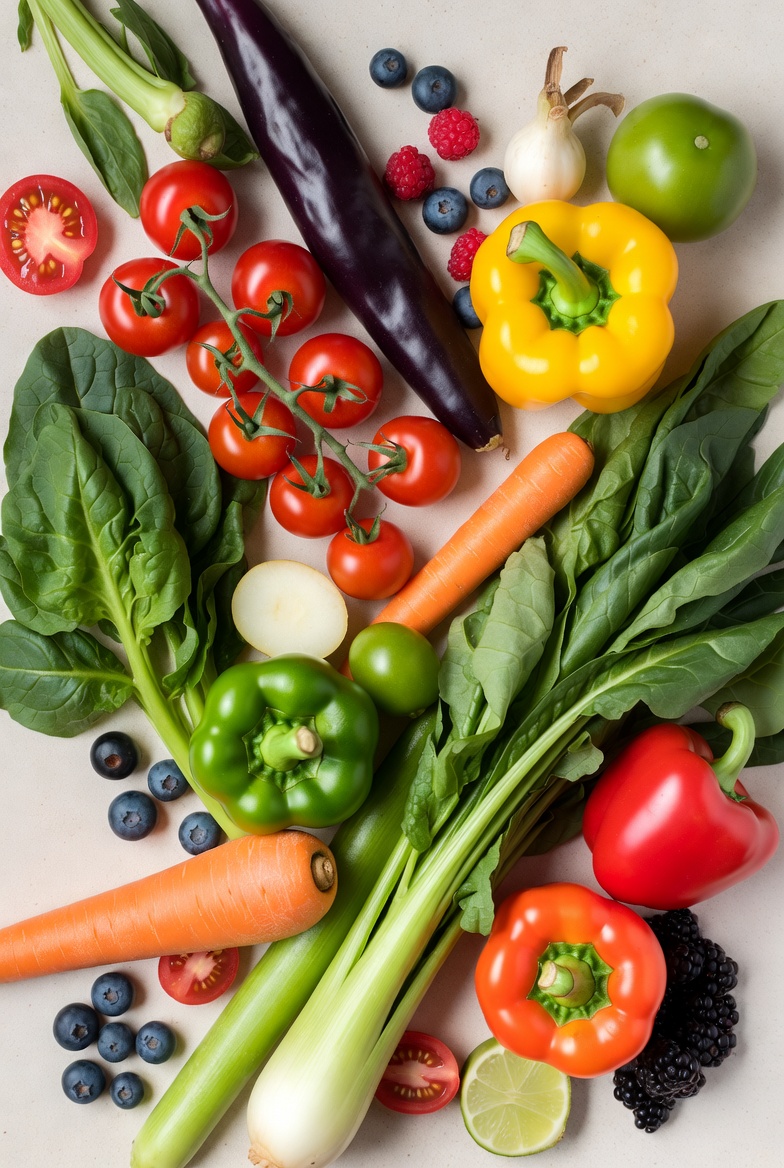
 Diet-hero.jpg” alt=”AI 기반 Nutrition DASH 다이어트와 비교 – AINutry” />
복사기
<h1>AI-Powered Nutrition Compared to DASH Diet</h1>
<p>The Dietary Approaches to Stop Hypertension (DASH) diet represents one of the most rigorously tested dietary patterns for cardiovascular risk reduction, with landmark randomized controlled trials demonstrating clinically meaningful reductions in blood pressure and improvements in lipid profiles. In contrast, AI-powered nutrition leverages machine learning algorithms, multimodal data inputs such as continuous glucose monitoring (CGM), gut microbiome profiles, genetic markers, and real-time behavioral tracking to deliver highly personalized dietary recommendations. This article compares the two approaches across evidence-based outcomes, focusing on mechanisms, efficacy, adherence, limitations, and potential synergies. While the DASH diet provides a robust, population-level framework grounded in decades of clinical research, AI systems offer dynamic personalization that may enhance individual-level results. Direct head-to-head trials remain limited, yet emerging data from systematic reviews and randomized interventions allow for an evidence-based evaluation of their relative strengths in managing hypertension, obesity, and cardiometabolic health.</p>
<h2>The DASH Diet: Principles and Evidence Base</h2>
<h3>Dietary Components and Implementation</h3>
<p>The DASH diet emphasizes high intake of fruits, vegetables, whole grains, and low-fat dairy products while limiting saturated fats, red meats, sweets, and sodium. Typical daily targets include 4 - 5 servings each of fruits and vegetables, 6 - 8 servings of grains (mostly whole), 2 - 3 servings of low-fat dairy, and reduced sodium intake, ideally to 1,500 - 2,300 mg per day. This pattern is nutrient-dense, providing potassium, magnesium, calcium, and fiber at levels shown to support vascular health. Implementation traditionally relies on structured meal plans and education delivered by dietitians, making it accessible yet requiring consistent behavioral change without technological support.</p>
<h3>Key Clinical Trials and Meta-Analyses</h3>
<p>The foundational DASH trial (Appel et al., 1997) randomized 459 adults with prehypertension or stage 1 hypertension to a control diet, a fruits-and-vegetables diet, or the DASH combination diet for 8 weeks. The combination diet reduced systolic blood pressure (SBP) by 5.5 mm Hg and diastolic blood pressure (DBP) by 3.0 mm Hg more than the control diet (P<0.001). Among participants with hypertension, reductions reached 11.4 mm Hg SBP and 5.5 mm Hg DBP. Subsequent findings from the DASH-Sodium trial (Sacks et al., 2001) demonstrated additive effects when combining the DASH pattern with sodium reduction to 1,500 mg/day, yielding an 11.5 mm Hg greater SBP reduction in hypertensive individuals compared with a high-sodium control diet.</p>
<p>Meta-analyses confirm broader benefits. Lari et al. (2021) analyzed 54 randomized trials and reported that DASH reduced body weight by 1.59 kg, body mass index by 0.64 kg/m², waist circumference by 1.93 cm, SBP by 3.94 mm Hg, and DBP by 2.44 mm Hg versus control diets. Total cholesterol decreased by 5.12 mg/dL and low-density lipoprotein cholesterol (LDL-C) by 3.53 mg/dL. An umbrella review by Chiavaroli et al. (2019) further linked DASH adherence to 20% lower cardiovascular disease incidence, 21% lower coronary heart disease risk, and 19% lower stroke risk in prospective cohorts.</p>
<h2>AI-Powered Personalized Nutrition: Foundations and Applications</h2>
<h3>Technological Mechanisms and Data Integration</h3>
<p>AI-powered nutrition systems employ deep learning models, reinforcement learning, and generative algorithms to process heterogeneous data sources. Inputs include dietary logs, CGM readings, wearable-derived physical activity and sleep metrics, genomic data, and microbiome sequencing. Algorithms such as convolutional neural networks for food image recognition or variational autoencoders for meal plan generation optimize macronutrient ratios and micronutrient profiles in real time. For example, postprandial glucose prediction models adjust recommendations to minimize glycemic excursions, while reinforcement learning adapts plans based on user feedback loops (Papastratis et al., 2024).</p>
<h3>Current Implementations and Supporting Evidence</h3>
<p>Commercial and research platforms range from chatbot-driven meal planners to full ecosystems integrating CGM and microbiome data. A systematic review by Wang et al. (2025) of AI-generated dietary interventions found statistically significant improvements in glycemic control, metabolic health, and psychological well-being, with one trial reporting a 72.7% diabetes remission rate and another a 39% reduction in irritable bowel syndrome symptom severity. In comparative analyses, AI plans outperformed traditional dietitian-tailored or Mediterranean-style recommendations in six of nine controlled studies. Qualitative evaluations indicate AI-generated weight-loss plans are indistinguishable from human-created plans in quality and practicality (Kim et al., 2024).</p>
<h2>Comparative Effectiveness on Blood Pressure and Cardiometabolic Outcomes</h2>
<h3>Blood Pressure Management</h3>
<p>DASH demonstrates consistent, large-magnitude blood pressure reductions across diverse populations, independent of weight loss. The 5.5 mm Hg SBP drop in the original trial exceeds effects achieved by many single antihypertensive medications. AI interventions show promise but with smaller or more variable effects to date. Pilot trials of AI-enhanced apps have reported SBP reductions of 3.8 - 8.1 mm Hg in hypertensive cohorts, often through real-time sodium and potassium guidance aligned with DASH principles. However, large-scale randomized data remain sparse. Personalized AI systems that incorporate CGM-derived insights may amplify DASH-like benefits by dynamically adjusting potassium-rich food timing to individual circadian rhythms, though direct superiority over standard DASH has not been established in head-to-head trials.</p>
<h3>Weight Management and Lipid Profiles</h3>
<p>Both approaches support modest weight loss. DASH meta-analyses document average reductions of 1.42 - 1.59 kg over 8 - 24 weeks (Lari et al., 2021; Chiavaroli et al., 2019). AI systems frequently achieve greater losses in shorter or comparable periods. In one AI-personalized program, participants experienced superior weight reduction (−2.46 kg), waist circumference decline, and triglyceride lowering compared with general dietary advice (Bermingham et al., 2024). Lipid improvements under DASH include LDL-C reductions of 3 - 5 mg/dL, while AI platforms have demonstrated additional benefits on HbA1c and inflammatory markers when microbiome and postprandial data inform recommendations. Overall, AI appears to offer incremental gains in metabolic outcomes through personalization, particularly for individuals with atypical glycemic or lipid responses to standard DASH foods.</p>
<h2>Adherence, Accessibility, and Long-Term Sustainability</h2>
<h3>Barriers to DASH Adherence</h3>
<p>Despite strong efficacy, population-level adherence to DASH remains low, with fewer than 20% of U.S. adults meeting key recommendations. Barriers include the need for extensive nutrition education, meal preparation time, and lack of real-time feedback, leading to high dropout rates in long-term observational studies. Fixed macronutrient targets may not accommodate cultural preferences, food access constraints, or metabolic variability, limiting scalability in diverse populations.</p>
<h3>AI Advantages in User Engagement</h3>
<p>AI platforms address these limitations through gamification, natural language processing chatbots, and automated shopping lists. Randomized trials show AI apps significantly increase fruit and vegetable intake while reducing sugary beverage consumption over 3 months compared with controls. User retention is enhanced by continuous adaptation; one generative AI system achieved 100% caloric accuracy and 84% macronutrient alignment across 1,000 real user profiles (Papastratis et al., 2024). Accessibility via smartphones democratizes expert-level advice, potentially reducing health disparities where registered dietitian services are unavailable. However, AI adherence benefits may diminish without human oversight for complex medical cases.</p>
<h2>Limitations, Challenges, and Future Directions</h2>
<h3>Evidence Gaps and Methodological Considerations</h3>
<p>The DASH diet benefits from decades of high-quality randomized evidence and long-term cohort data, conferring moderate-to-high certainty for blood pressure and cardiovascular outcomes. AI-powered nutrition, while rapidly advancing, relies on shorter-term studies with heterogeneous algorithms and smaller sample sizes. Systematic reviews note risks of algorithmic bias, data privacy concerns, and variable accuracy in nutrient estimation, particularly when relying on self-reported inputs or large language models. Long-term cardiovascular event data for AI interventions are absent, and generalizability across age, ethnicity, and socioeconomic groups requires further validation.</p>
<h3>Ethical and Practical Challenges</h3>
<p>AI systems raise concerns regarding data security, over-reliance on technology, and potential for inaccurate recommendations in the absence of regulatory oversight. Cost barriers to CGM or genetic testing may exacerbate inequities. Future directions include hybrid models that embed DASH principles within AI frameworks - using machine learning to personalize sodium thresholds or potassium targets based on 24-hour ambulatory blood pressure monitoring. Integration of AI with clinical decision support could enable physicians to prescribe algorithmically optimized DASH variants, combining population-level evidence with individual precision.</p>
<h2>Conclusion</h2>
<p>The DASH diet remains a gold-standard, evidence-based intervention for blood pressure control and cardiometabolic risk reduction, supported by robust clinical trial data showing consistent 5 - 11 mm Hg SBP reductions and favorable lipid changes. AI-powered nutrition extends this foundation through unprecedented personalization, demonstrating comparable or superior short-term outcomes in weight loss, glycemic control, and user engagement. While DASH provides a reliable blueprint, AI systems excel in scalability, real-time adaptation, and addressing inter-individual variability. Hybrid approaches that leverage AI to enhance DASH adherence and tailoring represent the most promising path forward. As longitudinal randomized trials mature, AI-augmented nutrition has the potential to transform dietary interventions from static prescriptions into dynamic, precision tools that maximize population health impact.</p>
<h2>References</h2>
<ol>
<li>Appel, L. J., Moore, T. J., Obarzanek, E., et al. (1997). A clinical trial of the effects of dietary patterns on blood pressure. <em>New England Journal of Medicine, 336</em>(16), 1117-1124.</li>
<li>Sacks, F. M., Svetkey, L. P., Vollmer, W. M., et al. (2001). Effects on blood pressure of reduced dietary sodium and the Dietary Approaches to Stop Hypertension (DASH) diet. <em>New England Journal of Medicine, 344</em>(1), 3-10.</li>
<li>Lari, A., Fatahi, S., Sohouli, M. H., et al. (2021). The effects of the Dietary Approaches to Stop Hypertension (DASH) diet on metabolic syndrome and its components: A systematic review and meta-analysis of randomized clinical trials. <em>Nutrition, Metabolism and Cardiovascular Diseases, 31</em>(11), 2953-2966.</li>
<li>Chiavaroli, L., Viguiliouk, E., Nishi, S. K., et al. (2019). DASH dietary pattern and cardiometabolic outcomes: An umbrella review of systematic reviews and meta-analyses. <em>Nutrients, 11</em>(2), 338.</li>
<li>Wang, X., et al. (2025). Artificial Intelligence Applications to Personalized Dietary Interventions: A Systematic Review. <em>Journal of Personalized Medicine</em>.</li>
<li>Papastratis, I., et al. (2024). AI nutrition recommendation using a deep generative model. <em>Scientific Reports, 14</em>, 65438.</li>
<li>Kim, D. W., et al. (2024). Qualitative evaluation of artificial intelligence-generated weight-loss diet plans. <em>Frontiers in Nutrition, 11</em>, 1374834.</li>
<li>Bermingham, K. M., et al. (2024). Personalised nutrition for cardiometabolic health: a randomised controlled trial. <em>Nature Medicine</em>.</li>
</ol>자주 묻는 질문
DASH 다이어트에 비해 AI 기반 영양의 혜택을 더 많이 받는 사람은 누구입니까?
AI 기반 영양은 종종 유전학, 미생물군집, 활동 수준과 같은 개별 데이터를 기반으로 고도로 개인화된 식단 권장 사항을 제공하여 특정 건강 목표 또는 복잡한 요구 사항에 대한 맞춤형 계획을 찾는 사람들에게 잠재적으로 도움이 됩니다. 반대로 DASH 다이어트는 주로 혈압을 낮추고 심장 건강을 증진하는 데 초점을 맞춘 잘 정립된 증거 기반 접근 방식으로, 체계적이고 따르기 쉬운 계획을 추구하는 더 넓은 인구 집단에 적합합니다. 선택은 개인의 건강 목표, 개인화에 대한 욕구, 기술 참여 의지에 따라 달라집니다.
DASH 다이어트에 비해 AI 기반 영양의 잠재적인 단점은 무엇입니까?
AI 기반 영양의 잠재적인 단점에는 맞춤형 서비스 비용, 데이터 개인 정보 보호에 대한 우려, 정확성을 유지하기 위한 일관된 데이터 입력의 필요성 등이 포함될 수 있습니다. DASH 다이어트는 수십 년간의 연구를 통해 안전성과 효율성이 널리 인정받고 있지만 AI 영양의 장기적인 건강 영향은 여전히 연구 중이며 그 효능은 AI 알고리즘의 품질과 사용자 규정 준수에 크게 좌우됩니다.
일반적인 건강 개선을 위한 AI 기반 영양의 효과는 DASH 다이어트와 어떻게 비교됩니까?
DASH 다이어트는 광범위한 연구를 통해 뒷받침되는 강력한 기록을 가지고 있으며 몇 주에서 몇 달 내에 혈압을 낮추고 심혈관 질환 위험을 줄이는 데 상당한 효과가 있음을 보여줍니다. AI 기반 영양은 초개인화를 통해 우수한 효과를 목표로 하며 잠재적으로 개인에게 더욱 최적화된 결과를 제공하지만, 다양한 집단에 대한 광범위하고 장기적인 효능은 여전히 연구 분야에서 발전하고 있습니다. 두 접근 방식 모두 영양이 풍부한 음식과 건강한 식생활 패턴을 강조합니다.
AI 기반 영양은 기존 DASH 다이어트보다 따르기가 더 쉽나요, 아니면 더 어렵나요?
DASH 다이어트와 AI 기반 영양 섭취의 용이성은 개인마다 크게 다를 수 있습니다. DASH 다이어트는 명확하고 일반적인 지침과 식품군을 제공하므로 많은 사람들이 쉽게 구할 수 있는 식품으로 시행하는 것이 상대적으로 간단합니다. AI 기반 영양은 잠재적으로 매우 편리한 식사 계획과 식료품 목록을 제공하지만 더 많은 초기 설정, 데이터 입력 및 특정하고 때로는 덜 전통적인 개인화된 권장 사항을 준수해야 할 수 있습니다.
Leave a Reply