
복사기
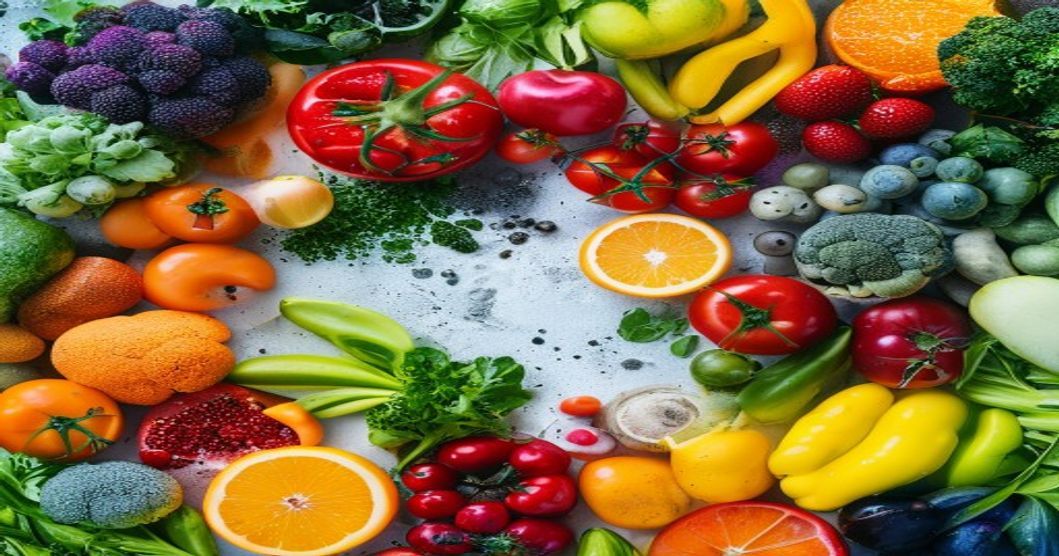
<figure class="ainutry-hero-figure"><img class="ainutry-hero-img" src="https://ainutry.online/wp-content/uploads/2026/04/ainutry-ai-powered-nutrition-compared-to-vegan-diet-hero.jpg" alt="AI-Powered Nutrition Compared to vegan diet  -  AINutry" /><figcaption class="ainutry-hero-caption">AI-Powered Nutrition Compared to vegan diet  -  AINutry</figcaption></figure>
<script type="application/ld+json">
{
  "@context": "https://schema.org",
  "@type": "NewsArticle",
  "headline": "AI-Powered Nutrition Compared to vegan diet",
  "description": "Learn about AI-Powered Nutrition Compared to vegan diet. AI-powered nutrition insights, evidence-based information, and practical tips for your health jour",
  "image": [
    {
      "@type": "ImageObject",
      "url": "https://ainutry.online/wp-content/uploads/2025/06/ainutry-avatar.webp",
      "width": 1200,
      "height": 675
    }
  ],
  "datePublished": "2026-04-21T07:09:35+00:00",
  "dateModified": "2026-04-21T07:09:35+00:00",
  "author": {
    "@type": "Organization",
    "name": "AINutry Editorial Team",
    "url": "https://ainutry.online",
    "logo": {
      "@type": "ImageObject",
      "url": "https://ainutry.online/wp-content/uploads/2025/06/ainutry-avatar.webp"
    }
  },
  "publisher": {
    "@type": "Organization",
    "name": "AINutry",
    "url": "https://ainutry.online",
    "logo": {
      "@type": "ImageObject",
      "url": "https://ainutry.online/wp-content/uploads/2025/06/ainutry-avatar.webp",
      "width": 512,
      "height": 512
    }
  },
  "mainEntityOfPage": {
    "@type": "WebPage",
    "@id": "https://ainutry.online/ai-powered-nutrition-compared-to-vegan-diet/"
  },
  "isAccessibleForFree": true,
  "inLanguage": "en-US"
}
</script>
<script type="application/ld+json">
{
  "@context": "https://schema.org",
  "@type": "BreadcrumbList",
  "itemListElement": [
    {
      "@type": "ListItem",
      "position": 1,
      "name": "Home",
      "item": "https://ainutry.online"
    },
    {
      "@type": "ListItem",
      "position": 2,
      "name": "Comparisons",
      "item": "https://ainutry.online/category/comparisons/"
    },
    {
      "@type": "ListItem",
      "position": 3,
      "name": "AI-Powered Nutrition Compared to vegan diet",
      "item": "https://ainutry.online/ai-powered-nutrition-compared-to-vegan-diet/"
    }
  ]
}
</script>

<h1>AI-Powered Nutrition Compared to Vegan Diet</h1>

<p>According to a 2023 study published in JAMA Network Open, participants on a healthy vegan diet achieved a substantial reduction in LDL cholesterol - from an average of 110.7 mg/dL to 95.5 mg/dL - along with a 20% drop in fasting insulin levels and additional weight loss compared to those on an omnivorous diet. As interest in plant-based eating skyrockets, AI-powered nutrition is emerging as a dynamic alternative or complement, leveraging machine learning to deliver hyper-personalized recommendations based on genetics, lifestyle, gut microbiome, and real-time feedback. In this in-depth comparison of AI-powered nutrition versus the vegan diet, we examine the science, benefits, drawbacks, and practical applications of each approach to help you make an informed decision for your health journey at AINutry.</p>

<h2>How AI-Powered Nutrition Works: Personalized Diet Plans Driven by Artificial Intelligence and Real-Time Data</h2>
<p>AI-powered nutrition uses sophisticated algorithms to analyze individual health data and generate customized meal plans that adapt over time. These systems pull information from wearable trackers, continuous glucose monitors, DNA tests, microbiome analyses, and even smartphone photos of meals to predict how your body responds to specific foods. Unlike generic diet books or one-size-fits-all apps, AI nutrition tools can adjust calorie targets, macronutrient ratios, and micronutrient suggestions within minutes based on your latest blood markers or activity levels. This level of personalization aims to optimize energy, manage chronic conditions, and support goals like weight loss or athletic performance with greater precision than traditional methods.</p>
<p>Popular AI platforms integrate large language models and predictive analytics to suggest recipes that match your taste preferences, cultural background, and schedule. For example, if your gut microbiome data shows low diversity, the AI might prioritize fiber-rich foods or fermented items to improve diversity scores. Early studies indicate that users following AI-generated plans often report higher adherence rates because the recommendations feel tailored rather than restrictive. As the global AI in personalized nutrition market expands rapidly, these tools are becoming more accessible through mobile apps and web platforms, making advanced dietary science available to everyday users seeking evidence-based guidance.</p>
<p>However, AI-powered nutrition still relies heavily on the quality of input data. Inaccurate logging, limited genetic databases for certain ethnic groups, or privacy concerns around health information can affect outcomes. Despite these limitations, the technology continues to evolve, with newer models incorporating ethical considerations and sustainability metrics alongside pure health optimization.</p>

<h2>The Vegan Diet Explained: Core Principles, Health Benefits, and Real-World Challenges</h2>
<p>The vegan diet eliminates all animal-derived foods, focusing exclusively on plants such as fruits, vegetables, grains, legumes, nuts, and seeds. Followers cite ethical concerns about animal welfare, environmental sustainability, and potential health advantages as primary motivations. Well-planned vegan eating emphasizes whole foods while supplementing key nutrients like vitamin B12, vitamin D, omega-3 fatty acids (from algae), iron, zinc, and calcium that are typically abundant in animal products. This approach has gained massive popularity, with millions worldwide adopting it for both short-term challenges and lifelong lifestyles.</p>
<p>Supporters highlight the diet’s natural emphasis on fiber, antioxidants, and anti-inflammatory compounds, which can support heart health, gut function, and weight management. Yet challenges remain, including the need for careful meal planning to avoid deficiencies and the social or logistical hurdles of dining out or traveling. Many people successfully thrive on vegan diets by using fortified foods and strategic supplementation, but individual responses vary based on genetics, activity levels, and existing health conditions.</p>

<h2>AI-Powered Nutrition vs Vegan Diet: Head-to-Head Comparison of Effectiveness, Flexibility, and Sustainability</h2>
<p>When comparing AI-powered nutrition to a vegan diet, flexibility stands out as a major differentiator. AI tools can optimize any eating pattern - including vegan, vegetarian, keto, or Mediterranean - by fine-tuning portions and timing to your unique metabolism. A vegan diet, by contrast, follows fixed ethical and ingredient rules but lacks built-in personalization unless paired with tracking apps. In terms of sustainability, both approaches score highly: vegan eating reduces environmental impact through lower greenhouse gas emissions and land use, while AI systems increasingly factor in carbon footprints and seasonal produce to promote eco-friendly choices.</p>
<p>Effectiveness for weight management and disease prevention also differs. Vegan diets excel in large-scale observational studies showing broad population-level benefits, while AI nutrition shines in short-term interventional trials where rapid, data-driven tweaks yield measurable improvements in biomarkers. Cost-wise, a basic vegan diet can be budget-friendly with staple foods, whereas premium AI platforms often involve subscription fees or device costs. Adherence is another key factor - AI’s real-time feedback and recipe suggestions may help busy professionals stick to goals more easily than manually planning vegan meals.</p>
<p>Nutrient adequacy presents a nuanced picture. Vegan diets require proactive attention to B12 and omega-3s, but AI tools can automatically flag potential shortfalls and suggest fortified options or supplements. Ultimately, neither is universally superior; the best choice depends on your priorities, whether ethical consistency, technological convenience, or a blend of both.</p>

<h2>What the Research Says: Evidence-Based Insights on AI-Powered Nutrition Compared to Vegan Diet</h2>
<p>Scientific evidence continues to accumulate for both approaches. A landmark 2023 study published in JAMA Network Open involving identical twins demonstrated that an eight-week vegan diet led to significantly greater improvements in LDL cholesterol (dropping from 110.7 mg/dL to 95.5 mg/dL), fasting insulin (approximately 20% reduction), and body weight compared to an omnivorous control group. These results highlight the rapid cardiometabolic benefits possible with plant-based eating.</p>
<p>Complementing this, a 2025 systematic review and meta-analysis of randomized controlled trials found that vegan diets produced substantial reductions in body weight (average −10.37 kg), BMI (−2.68 kg/m²), LDL cholesterol (−0.44 mmol/L), and HbA1c (−0.17%) among adults with metabolic syndrome or type 2 diabetes. The improvements were attributed to higher fiber intake, lower saturated fat consumption, and favorable shifts in gut microbiota.</p>
<p>On the AI side, the personalized nutrition market reached approximately $1.57 billion in 2025 and is projected to grow to $8.04 billion by 2033 at a compound annual growth rate of 23.77%, signaling strong clinical and commercial validation. Randomized trials of AI-driven programs, such as those using continuous glucose monitoring and microbiome data, have shown superior improvements in cardiometabolic markers compared to standard dietary advice. A separate 2024 meta-analysis of plant-based diets further reported an 16% lower risk of all-cause mortality (RR 0.84) and 19% reduction in cardiovascular disease mortality for adherents, underscoring the long-term value of vegan principles that AI tools can help personalize even further.</p>
<p>Taken together, the research suggests vegan diets offer robust, evidence-backed population-level benefits, while AI-powered nutrition provides individualized precision that may enhance adherence and outcomes for specific users. Many experts now advocate combining the two for optimal results.</p>

<h2>Practical Tips for Choosing or Combining AI-Powered Nutrition with a Vegan Diet</h2>
<p>Start by assessing your goals and lifestyle. If you value ethical consistency and simplicity, begin with a well-planned vegan diet supported by reliable resources and regular bloodwork to monitor nutrient levels. For those seeking maximum personalization, integrate AI-powered nutrition tools to generate vegan-compatible meal plans that automatically adjust for your unique responses.</p>
<p>Use photo-based food logging in AI apps to track adherence and receive instant feedback on micronutrient balance. Experiment with hybrid approaches: follow vegan principles as your dietary foundation while letting AI optimize timing, portions, and variety based on your sleep, exercise, and glucose data. Always prioritize whole foods over processed alternatives, and consult a registered dietitian when making significant changes.</p>
<p>Track progress with measurable biomarkers rather than scale weight alone. Set realistic timelines - many users notice energy improvements within weeks of AI-guided adjustments, while vegan diet benefits often compound over months. Stay consistent by meal-prepping vegan staples and using AI recipe generators to combat decision fatigue.</p>
<p>Finally, review privacy policies of AI platforms and combine digital insights with professional medical advice. Small, sustainable changes - whether fully vegan or AI-enhanced - yield the best long-term results.</p>

<h2>Combining AI-Powered Insights with Vegan Principles for Superior Long-Term Health Outcomes</h2>
<p>The most promising path forward may lie in synergy rather than competition. AI-powered nutrition can supercharge a vegan diet by identifying personal sensitivities to common plant foods (such as lectins or FODMAPs), suggesting optimal cooking methods for better nutrient absorption, and recommending algae-based omega-3s or fortified plant milks tailored to your bloodwork. Users who layer AI analytics onto vegan eating often report fewer deficiencies and higher satisfaction because the technology handles the complex calculations that manual vegan planning requires.</p>
<p>Emerging research supports this blended strategy. When AI algorithms are trained on vegan food databases, they produce plans that maintain ethical standards while delivering precision dosing of protein, iron, and zinc from diverse plant sources. This combination also aligns environmental sustainability with individual biology, helping users reduce their carbon footprint without compromising performance or enjoyment.</p>
<p>As both fields mature, expect more integrated tools that default to plant-forward recommendations unless otherwise specified. For now, experimenting with AI-assisted vegan meal planning offers a practical way to harness the proven strengths of each approach while minimizing their respective weaknesses.</p>

<h2>Which Approach Is Right for You? Making an Informed Decision Between AI-Powered Nutrition and Vegan Diet</h2>
<p>Ultimately, AI-powered nutrition and the vegan diet are not mutually exclusive. Choose a pure vegan path if ethical, environmental, or philosophical reasons drive you and you enjoy the planning process. Opt for standalone AI nutrition if rapid personalization and data-driven adjustments matter most to your busy lifestyle. Or blend the two for a future-proof strategy that respects your values while leveraging technology for better results.</p>
<p>Consider your starting point, health status, and willingness to adopt new habits. Both options can support vibrant health when implemented thoughtfully. Whichever route you select, focus on whole foods, regular monitoring, and professional guidance to ensure safety and efficacy. The evolving landscape of nutrition science promises even more sophisticated tools ahead, but the fundamentals - balanced intake, consistency, and listening to your body - remain timeless.</p>

<!-- NEWSLETTER_PLACEHOLDER --></div>
<div class="ainutry-disclaimer"><strong>Disclaimer:</strong> This content is for informational purposes only and does not constitute medical advice. Always consult a qualified healthcare professional before making changes to your diet, supplement routine, or health regimen. Individual results may vary.</div>자주 묻는 질문
완전 채식에 비해 AI 기반 영양으로 더 많은 혜택을 누릴 수 있는 사람은 누구입니까?
고유한 바이오마커, 활동 수준 및 특정 건강 목표를 기반으로 고도로 맞춤화된 식단 계획을 원하는 개인은 AI 기반 영양의 혜택을 더 많이 누릴 수 있습니다. 이러한 접근법은 영양소 섭취를 최적화하고 일반적인 식이 지침을 넘어 개인의 요구 사항을 해결할 수 있으며, 이는 복잡한 건강 목표에 특히 유용할 수 있습니다.
AI 기반 영양이 완전 채식과 관련된 일반적인 영양 결핍을 예방하는 데 도움이 될 수 있습니까?
예, AI 기반 영양은 개인의 식이 섭취량, 혈액 검사, 유전 데이터를 분석하여 특정 식품이나 보충제를 추천함으로써 결핍을 예방하는 데 크게 도움이 될 수 있습니다. 이러한 개인화는 B12, 철분, 오메가-3, 비타민 D와 같은 영양소의 적절한 섭취를 보장하기 위해 신중한 계획이 필요한 완전 채식주의 식단에 특히 유용합니다.
AI 기반 영양은 맞춤형 다이어트 계획을 세우기 위해 어떤 종류의 데이터를 사용합니까?
AI 영양 플랫폼은 일반적으로 개인의 식이 선호도, 활동 수준, 건강 목표는 물론 혈액 검사, 장내 미생물군집 분석 또는 유전 정보와 같은 잠재적인 생체 인식 데이터를 포함한 광범위한 데이터를 활용합니다. 이 포괄적인 데이터를 통해 AI는 고도로 맞춤화된 식사 계획과 보충제 권장 사항을 생성할 수 있습니다.
AI 기반 영양은 장기적인 식이 요법에 적합한가요, 아니면 주로 단기적인 최적화를 위한 것인가요?
AI 기반 영양은 진화하는 건강 데이터 및 목표를 기반으로 권장 사항을 지속적으로 조정하고 지속적인 최적화를 촉진하므로 지속 가능한 장기적인 접근 방식이 될 수 있습니다. 정적 다이어트와 달리 AI는 라이프스타일 변화에 맞춰 조정할 수 있어 지속적인 건강상의 이점을 위해 계획이 시간이 지나도 관련성과 효율성을 유지하도록 보장합니다.
Leave a Reply