
Chronic inflammation, often a silent but pervasive force, is now recognized as a fundamental driver behind many of the most prevalent chronic diseases of our time. Indeed, a 2022 study published in The Lancet estimated that chronic inflammatory diseases affect more than 50% of the population worldwide, underscoring the urgent need for effective management strategies. While medication plays a role, the profound impact of diet on inflammatory processes cannot be overstated. For too long, individuals have navigated complex dietary recommendations with limited success, often overwhelmed by conflicting information and the sheer challenge of consistent adherence. But a new era is dawning. Artificial intelligence is now stepping in to transform our understanding and application of anti-inflammatory nutrition, offering a personalized roadmap to better health. Welcome to the complete guide on leveraging AI nutrition for significant inflammation reduction.
Table of Contents
- The Silent Scourge: Understanding Chronic Inflammation
- The Dietary Connection: How Food Fuels or Fights Inflammation
- Enter AI: The Future of Personalized Anti-Inflammatory Nutrition
- AINutry’s AI Engine: Precision for Inflammation Reduction
- Implementing AI-Powered Anti-Inflammatory Strategies
- Beyond the Plate: A Holistic AI Approach to Inflammatory Health
The Silent Scourge: Understanding Chronic Inflammation
Inflammation is the body’s natural defense mechanism, a crucial process orchestrated by the immune system to protect against injury, infection, and foreign invaders. In its acute form, inflammation is a localized, short-term response characterized by redness, swelling, heat, and pain, all working synergistically to heal and repair damaged tissues. Once the threat is neutralized or the injury mended, the inflammatory response subsides, returning the body to a state of homeostasis. This acute inflammatory process is vital for survival, representing a finely tuned biological system that has evolved over millennia.
However, when this protective mechanism becomes dysregulated and persists over an extended period, it transitions into chronic inflammation. Unlike its acute counterpart, chronic inflammation is often systemic, low-grade, and insidious, silently smoldering within the body without obvious symptoms. It can be triggered by a myriad of factors, including persistent infections, exposure to environmental toxins, chronic stress, gut dysbiosis, and, critically, an unhealthy diet. This prolonged inflammatory state continuously activates immune cells, leading to a relentless assault on healthy tissues and organs, paving the way for a cascade of detrimental health outcomes.
The health implications of chronic inflammation are profound and far-reaching, establishing it as a fundamental driver behind many of the most prevalent and debilitating chronic diseases of our era. It is intricately linked to cardiovascular disease, contributing to atherosclerosis and increasing the risk of heart attacks and strokes. It plays a significant role in type 2 diabetes by promoting insulin resistance, and fuels the progression of various autoimmune conditions such as rheumatoid arthritis, lupus, and inflammatory bowel disease. Furthermore, chronic inflammation is implicated in neurodegenerative disorders like Alzheimer’s and Parkinson’s disease, and is recognized as a critical factor in the initiation and progression of certain cancers. Addressing this underlying inflammatory state is not merely about symptom management; it is about targeting the root cause of systemic dysfunction and promoting long-term health and vitality.
The Dietary Connection: How Food Fuels or Fights Inflammation
The intricate relationship between diet and inflammation is one of the most compelling areas of modern nutritional science. What we consume on a daily basis can either exacerbate inflammatory pathways or provide the body with potent anti-inflammatory compounds, profoundly influencing our overall health trajectory. Understanding this fundamental connection is the first step towards leveraging nutrition as a powerful tool for disease prevention and management. Certain dietary patterns and specific food groups are notorious for their pro-inflammatory effects, often forming the cornerstone of the Western diet.
Foods rich in refined sugars, such as sugary drinks, candies, and many processed snacks, lead to rapid spikes in blood glucose and insulin, which can trigger inflammatory responses. Similarly, unhealthy fats, particularly trans fats found in many fried and processed foods, and an imbalanced intake of omega-6 fatty acids (common in vegetable oils like corn and soybean oil) relative to omega-3s, can promote the production of inflammatory molecules. Refined carbohydrates, including white bread, pasta, and pastries, are quickly metabolized into sugar, contributing to similar inflammatory cascades. These dietary components not only fuel systemic inflammation but also contribute to oxidative stress and gut dysbiosis, further perpetuating the inflammatory cycle. Reducing or eliminating these pro-inflammatory foods is a critical first step in an anti-inflammatory dietary strategy.
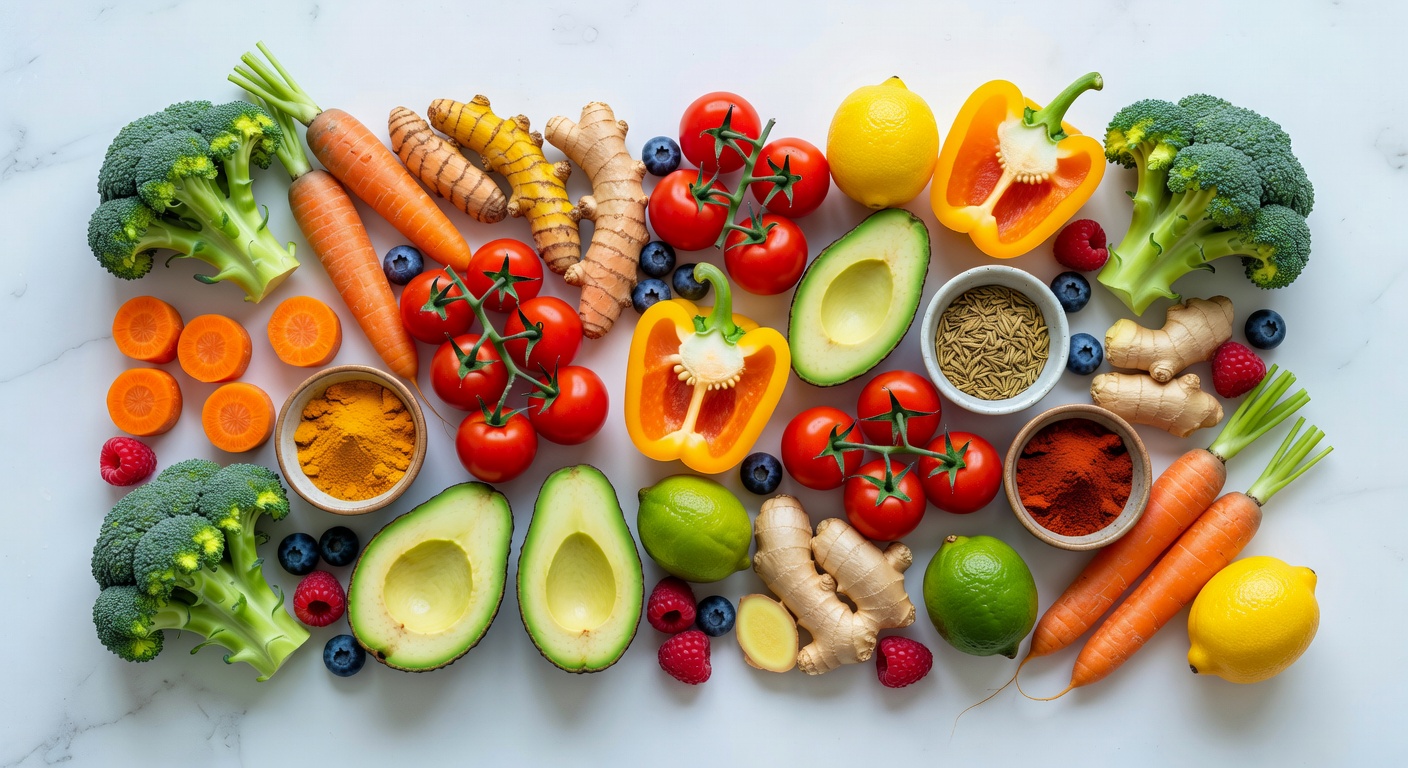
Conversely, a wealth of evidence supports the profound anti-inflammatory properties of specific foods and dietary patterns. A diet rich in fruits, vegetables, and whole grains provides an abundance of antioxidants, vitamins, and fiber, all of which combat inflammation. Berries, leafy greens, and cruciferous vegetables are particularly potent. Omega-3 fatty acids, found in fatty fish like salmon, mackerel, and sardines, as well as flaxseeds and walnuts, are renowned for their ability to reduce the production of inflammatory mediators. Spices such as turmeric (containing curcumin), ginger, and garlic possess powerful anti-inflammatory compounds. Furthermore, lean proteins, healthy fats from sources like olive oil and avocados, and fermented foods that support gut health all contribute to a robust anti-inflammatory milieu within the body. Adopting a diet centered around these nutrient-dense foods can significantly mitigate chronic inflammation and support overall well-being.
Key Anti-Inflammatory Nutrients and Compounds
- Omega-3 Fatty Acids: Found in fatty fish, flaxseeds, chia seeds, and walnuts, these fats reduce the production of inflammatory eicosanoids.
- Antioxidants: Vitamins C and E, beta-carotene, and flavonoids, abundant in colorful fruits and vegetables, neutralize free radicals that cause oxidative stress and inflammation.
- Polyphenols: Present in berries, green tea, dark chocolate, and red wine, these plant compounds have potent anti-inflammatory and antioxidant effects.
- Fiber: Found in whole grains, legumes, fruits, and vegetables, fiber promotes a healthy gut microbiome, which is crucial for modulating inflammation.
- Curcumin: The active compound in turmeric, widely studied for its powerful anti-inflammatory properties, comparable to some pharmaceutical drugs.
- Gingerols: Active compounds in ginger, known for their anti-inflammatory and pain-relieving effects.
Enter AI: The Future of Personalized Anti-Inflammatory Nutrition
Despite the clear understanding of which foods fuel or fight inflammation, traditional dietary advice often falls short for several reasons. Generic recommendations, while well-intentioned, struggle to account for the vast bio-individuality that defines human metabolism and response to food. What works for one person may not be optimal for another, due to differences in genetics, gut microbiome composition, lifestyle, existing health conditions, and even personal preferences. Furthermore, manually tracking dietary intake, identifying triggers, and consistently adhering to complex meal plans can be overwhelming, leading to frustration and poor compliance. The sheer volume of nutritional information available, often contradictory, further complicates the journey for individuals seeking to manage inflammation through diet.
This is precisely where artificial intelligence emerges as a transformative force in the realm of personalized anti-inflammatory nutrition. AI overcomes the limitations of traditional approaches by leveraging its unparalleled ability to process, analyze, and interpret vast datasets at speeds and scales impossible for humans. Instead of a one-size-fits-all approach, AI platforms can create highly individualized dietary plans by considering a multitude of unique data points. It moves beyond simple calorie counting or general food group recommendations, diving deep into the intricate interplay between individual physiology and nutritional biochemistry to identify optimal dietary strategies for inflammation reduction.
The power of AI lies in its capacity for sophisticated data integration and predictive modeling. It can assimilate diverse information, ranging from user-reported health goals, dietary preferences, and existing medical conditions to more advanced data such as activity levels, sleep patterns, and even genetic predispositions or biomarker results (when available). By applying advanced algorithms and machine learning techniques, AI can detect subtle patterns and correlations that might indicate inflammatory triggers or beneficial nutrient combinations unique to an individual. This allows for the generation of dynamic, adaptive dietary recommendations that evolve with the user’s progress and changing needs, offering a level of precision and personalization previously unattainable in nutritional guidance.
AINutry’s AI Engine: Precision for Inflammation Reduction
AINutry stands at the forefront of this nutritional revolution, utilizing a sophisticated AI engine specifically designed to tackle the complexities of inflammation reduction. Our platform goes beyond superficial dietary advice, delving into the nuances of each individual’s health profile to craft highly precise and effective anti-inflammatory nutrition plans. The journey begins with comprehensive data input from the user, encompassing a wide array of information: detailed health goals (e.g., reducing joint pain, improving gut health, managing an autoimmune condition), current dietary preferences and restrictions (vegan, gluten-free, allergies), existing medical conditions, activity levels, and even lifestyle factors like stress and sleep quality. For those with access to more advanced health metrics, AINutry can also integrate data from blood tests, genetic profiles, and microbiome analyses, further refining its understanding of individual biochemistry.
Once this rich tapestry of personal data is collected, AINutry’s proprietary AI algorithm springs into action. It meticulously analyzes every data point, cross-referencing it with an extensive database of nutritional science, food composition, and inflammatory pathways. The AI identifies potential inflammatory triggers specific to the user, whether they are common allergens, sensitivities, or dietary patterns that may be promoting systemic inflammation. Concurrently, it pinpoints specific anti-inflammatory foods, nutrients, and dietary strategies that are most likely to benefit the individual, considering their unique biological makeup and lifestyle. This deep analytical capability allows AINutry to move beyond generic recommendations, providing truly personalized guidance. A 2023 review in Nutrients highlighted that personalized nutrition interventions, guided by genomic and lifestyle data, show up to a 30% greater adherence rate compared to generic dietary advice, demonstrating the power of tailored approaches that AINutry embodies.
What truly sets AINutry apart is its dynamic adaptability and continuous learning capability. The AI platform doesn’t just provide a static plan; it evolves with the user. As you implement the recommendations and provide feedback on your progress, energy levels, symptom changes, and food preferences, AINutry’s engine learns and refines its recommendations. This iterative process ensures that your anti-inflammatory nutrition plan remains optimal, adjusting to your body’s responses and evolving needs over time. This continuous optimization is crucial for long-term success in managing chronic inflammation, as individual responses to diet can change, and the body’s needs may shift with external factors or internal physiological changes.
Core Features and Benefits of AINutry for Inflammation Reduction:
- Personalized Meal Plans: Tailored daily and weekly meal plans designed to maximize anti-inflammatory nutrient intake and avoid triggers.
- Smart Recipe Suggestions: Access to a vast library of delicious, anti-inflammatory recipes that fit your preferences and dietary needs.
- Automated Shopping Lists: Generated from your meal plans, simplifying grocery shopping and ensuring you have the right ingredients.
- Progress Tracking & Insights: Monitor your inflammatory markers, symptoms, and overall well-being, with AI-driven insights into what’s working best for you.
- Dietary Trigger Identification: Advanced analysis to help pinpoint specific foods or patterns that may be contributing to your inflammation.
- Nutrient Gap Analysis: Identifies potential deficiencies in essential anti-inflammatory nutrients and suggests food-based solutions.
Implementing AI-Powered Anti-Inflammatory Strategies
Embarking on an AI-powered anti-inflammatory nutrition journey with a platform like AINutry is a streamlined process designed for ease and effectiveness. The initial step involves providing accurate and comprehensive information about yourself. The more detailed and honest your input – regarding your health goals, current diet, allergies, intolerances, lifestyle, and any existing medical conditions – the more precise and effective the AI’s recommendations will be. This foundational data allows the AI to construct your unique baseline profile, against which all subsequent dietary plans and insights will be generated. Taking the time to thoroughly complete this initial assessment is crucial, as it lays the groundwork for a truly personalized and impactful experience.
Once your profile is established, AINutry translates complex nutritional science into actionable, day-to-day guidance. The platform will generate personalized meal plans, complete with delicious recipes and automated shopping lists, making the transition to an anti-inflammatory diet remarkably simple. No more guessing which foods to buy or struggling to come up with meal ideas. The AI handles the intricate planning, ensuring your meals are balanced, nutrient-dense, and specifically formulated to reduce inflammation while catering to your taste preferences. This practical application removes many of the common barriers to dietary change, allowing you to focus on enjoying your food and experiencing the benefits of reduced inflammation without the stress of constant research and planning.
Implementing an AI-driven anti-inflammatory diet is not a static process; it’s an ongoing journey of monitoring, feedback, and refinement. AINutry encourages users to regularly track their progress, noting changes in symptoms, energy levels, digestive comfort, and overall well-being. This feedback loop is vital, as it allows the AI to learn from your individual responses and dynamically adjust its recommendations. If certain foods are not agreeing with you, or if your goals evolve, the AI can quickly pivot and offer updated plans. This adaptability is particularly beneficial when facing real-world challenges such as dining out, traveling, or navigating social gatherings. AINutry can offer guidance on making anti-inflammatory choices in various scenarios, helping you maintain consistency without feeling overly restricted.
Tips for Success with AI Nutrition
- Be Honest with Your Data: Provide accurate and detailed information about your health, preferences, and lifestyle to maximize personalization.
- Start Gradually: If your current diet is far from anti-inflammatory, don’t try to change everything overnight. Implement changes progressively to ensure sustainable adherence.
- Experiment with Recipes: Embrace the variety of recipes provided by AINutry. Discovering new favorite anti-inflammatory meals can make the process enjoyable.
- Stay Consistent: The benefits of an anti-inflammatory diet accumulate over time. Consistency is key, even if you don’t see immediate dramatic results.
- Listen to Your Body: Pay attention to how different foods and meal patterns affect you. Use AINutry’s tracking features to log symptoms and progress.
- Communicate with the AI (through feedback): Regularly update your preferences and provide feedback on meal satisfaction and symptom changes to help the AI optimize your plan.
Beyond the Plate: A Holistic AI Approach to Inflammatory Health
While nutrition is undeniably a cornerstone of inflammation reduction, it is crucial to recognize that the human body operates as an interconnected system. Inflammation is not solely a dietary issue; it is profoundly influenced by a complex interplay of lifestyle factors. Stress, sleep quality, physical activity, and even environmental exposures all contribute significantly to the body’s inflammatory burden. A truly comprehensive strategy for managing chronic inflammation must therefore extend beyond the plate, embracing a holistic view of health. Traditional approaches often compartmentalize these factors, but AI offers an unprecedented opportunity to integrate them into a unified, personalized wellness plan.
AINutry’s AI engine is designed with this holistic perspective in mind, understanding that optimal anti-inflammatory nutrition must be synergistically supported by other healthy lifestyle choices. Beyond recommending specific foods and meal plans, the platform can analyze your sleep patterns, activity levels, and even stress indicators (if integrated through wearable tech or user input). Based on this comprehensive data, AINutry can suggest personalized recommendations for improving sleep hygiene, such as optimal bedtimes or relaxation techniques. It can also recommend suitable forms and durations of physical activity, ranging from gentle yoga to more intense cardiovascular exercises, all tailored to your fitness level and inflammatory state. Furthermore, the AI can suggest mindfulness practices or stress-reduction techniques, recognizing the profound link between chronic stress and systemic inflammation.
The synergistic effect of integrating nutrition with these critical lifestyle factors cannot be overstated. A diet rich in anti-inflammatory foods will yield greater benefits when paired with adequate restorative sleep, regular physical activity, and effective stress management. Conversely, even the most meticulously planned diet may struggle to combat inflammation if an individual is chronically sleep-deprived or under immense stress. AINutry acts as a comprehensive wellness coach, leveraging its intelligence to identify areas for improvement across all pillars of health. By providing integrated, personalized guidance that considers the whole individual, AINutry empowers users to create a sustainable, anti-inflammatory lifestyle that addresses the root causes of inflammation, fostering long-term health, vitality, and resilience.
Key Takeaways
- Chronic inflammation affects over 50% of the population and is a root cause of many chronic diseases.
- Diet plays a pivotal role: pro-inflammatory foods fuel it, while anti-inflammatory foods combat it.
- AI revolutionizes nutrition by offering personalized, dynamic plans that overcome the limitations of generic advice.
- AINutry’s AI engine analyzes diverse personal data to create precise, adaptable anti-inflammatory meal plans.
- Implementing AI-driven strategies involves accurate data input, consistent tracking, and embracing continuous optimization.
- A holistic approach, integrating nutrition with sleep, stress management, and exercise, is crucial for comprehensive inflammation reduction.
Ready to take control of your inflammatory health with precision and personalization? Visit ainutry.online for AI-personalized nutrition designed to reduce inflammation and optimize your well-being.
Frequently Asked Questions
Who can benefit most from AI Nutrition for inflammation reduction?
Individuals experiencing chronic inflammatory conditions, autoimmune issues, or those seeking highly personalized dietary strategies when general anti-inflammatory advice hasn’t yielded desired results. It’s ideal for those who want data-driven insights tailored to their unique biological profile and lifestyle.
Is AI Nutrition for inflammation reduction considered safe?
Yes, AI nutrition platforms are generally safe as they base recommendations on scientific evidence for whole foods and established dietary patterns, rather than risky supplements. Always consult with a healthcare professional before making significant dietary changes, especially if you have underlying health conditions.
How does AI personalize anti-inflammatory dietary plans?
AI systems analyze a comprehensive array of personal data, including genetic markers, microbiome profiles, blood test results, lifestyle habits, and dietary preferences. This allows the AI to identify specific inflammatory pathways and recommend precise food choices and meal timings optimized for an individual’s unique biology.
What specific dietary changes might an AI Nutrition plan recommend for inflammation?
An AI-driven plan typically focuses on increasing intake of nutrient-dense, whole foods rich in antioxidants, omega-3 fatty acids, and fiber, while identifying and reducing individual inflammatory triggers. Recommendations can include specific food combinations, meal timing, and portion sizes tailored to optimize anti-inflammatory responses.
Leave a Reply