
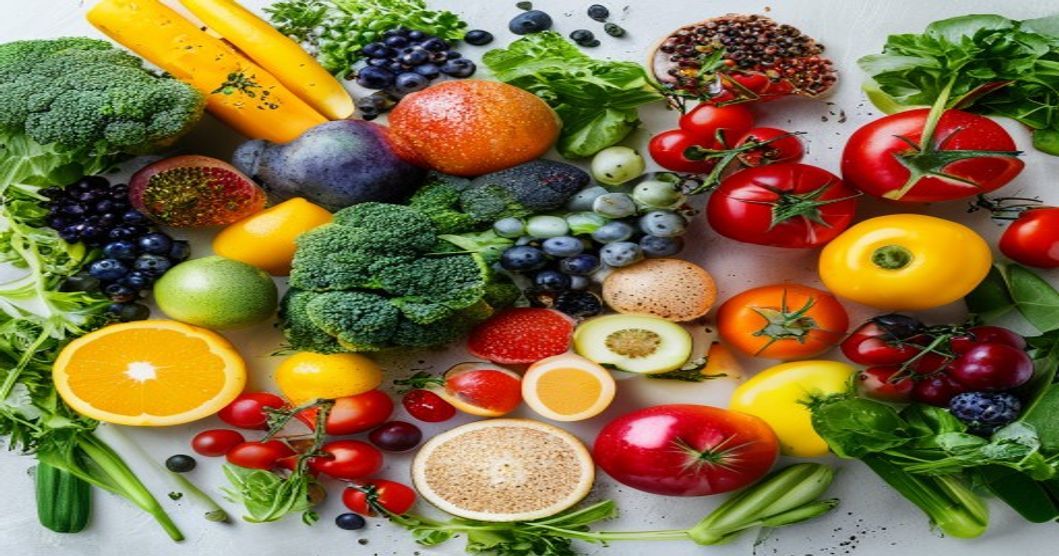
Did you know that personalized nutrition, powered by AI, has the potential to impact the health of over 50% of adults struggling with chronic diet-related diseases? Meanwhile, the plant-based diet movement continues its meteoric rise, with an estimated 7.4 million Americans now identifying as vegetarians and millions more reducing their meat consumption.
Understanding AI-Powered Nutrition
Artificial Intelligence (AI) in nutrition represents a paradigm shift from one-size-fits-all dietary advice to hyper-personalized recommendations. At its core, AI nutrition leverages sophisticated algorithms to analyze vast amounts of individual data, creating dietary plans tailored to specific needs, goals, and biological markers. This data can encompass a wide spectrum, including:
- Genetics: Understanding how your unique genetic makeup influences nutrient metabolism and predispositions to certain health conditions.
- Microbiome: Analyzing the composition of your gut bacteria, which plays a crucial role in digestion, nutrient absorption, and overall health.
- Blood Biomarkers: Tracking levels of cholesterol, glucose, vitamins, minerals, and other indicators of metabolic health.
- Lifestyle Factors: Incorporating information about sleep patterns, stress levels, physical activity, and dietary preferences.
- Health Goals: Whether the objective is weight loss, muscle gain, improved athletic performance, managing a chronic condition, or simply enhancing general well-being.
AI platforms, such as those developed by AINutry, process this complex data to generate dynamic meal plans, provide real-time feedback, and offer predictive insights. Unlike static dietary guidelines, AI-driven recommendations can adapt as your body changes or as new scientific information becomes available. The goal is to optimize nutrient intake for individual metabolism, reduce the risk of diet-related diseases, and enhance overall health and longevity by making informed, data-driven food choices.
The Plant-based Diet: Core Principles
The plant-based diet, in its broadest definition, emphasizes foods derived from plants. This includes fruits, vegetables, grains, legumes, nuts, and seeds. While often associated with vegetarianism and veganism, a plant-based approach doesn’t necessarily exclude all animal products. The spectrum ranges from:
- Vegan: Excludes all animal products, including meat, poultry, fish, dairy, eggs, and honey.
- Vegetarian: Excludes meat, poultry, and fish, but may include dairy and eggs (lacto-ovo vegetarian).
- Pescatarian: Excludes meat and poultry, but includes fish and seafood, dairy, and eggs.
- Flexitarian: Primarily plant-based but occasionally includes meat, poultry, or fish.
The underlying philosophy often centers on health, environmental sustainability, and ethical considerations regarding animal welfare.
What You Eat
A well-planned plant-based diet is rich in:
- Fruits and Vegetables: Providing essential vitamins, minerals, antioxidants, and fiber.
- Whole Grains: Such as oats, quinoa, brown rice, and barley, offering complex carbohydrates, fiber, and B vitamins.
- Legumes: Including beans, lentils, and peas, which are excellent sources of protein, fiber, and iron.
- Nuts and Seeds: Providing healthy fats, protein, fiber, and micronutrients like magnesium and zinc.
Careful attention must be paid to certain nutrients that are more readily available or better absorbed from animal sources, such as vitamin B12, vitamin D, omega-3 fatty acids (EPA and DHA), iron, calcium, and zinc. Supplementation or strategic food fortification is often recommended, particularly for stricter vegan diets.
The Science Behind It
The scientific literature supporting the health benefits of plant-based eating is extensive and growing. Numerous studies have linked plant-rich diets to:
- Reduced Risk of Cardiovascular Disease: Lower intake of saturated fat and cholesterol, coupled with higher fiber and antioxidant intake, contributes to improved blood pressure, cholesterol levels, and reduced inflammation.
- Lower Incidence of Type 2 Diabetes: The high fiber content helps regulate blood sugar levels, and the emphasis on whole, unprocessed foods can improve insulin sensitivity.
- Weight Management: Plant-based foods are often lower in calorie density and higher in fiber, promoting satiety and aiding in weight control.
- Reduced Risk of Certain Cancers: The abundance of antioxidants, phytochemicals, and fiber in plant foods is believed to offer protective effects against various cancers.
- Improved Gut Health: The high fiber content feeds beneficial gut bacteria, promoting a diverse and healthy microbiome.
However, it’s crucial to note that not all plant-based diets are inherently healthy. A diet consisting of processed vegan junk food, for example, will not yield the same benefits as a diet rich in whole, unprocessed plant foods.
Side-by-Side Comparison
Personalization
AI Nutrition: This is where AI nutrition truly shines. Its fundamental premise is to move beyond generic advice and create dietary plans that are uniquely suited to an individual’s biological makeup, lifestyle, and goals. For example, AI can identify that a person with a specific genetic variant might absorb iron less efficiently from plant sources, and therefore, recommend higher iron-rich plant foods or a specific iron supplement. It can also adjust recommendations based on real-time data like blood glucose spikes after certain meals or changes in sleep quality. This level of granular personalization is virtually impossible with traditional dietary approaches.
Plant-based Diet: While a plant-based diet can be tailored to individual preferences and needs within its framework, it lacks the inherent biological personalization of AI. For instance, someone adopting a plant-based diet might struggle with iron deficiency without knowing their specific absorption rates, or they might not optimize their protein intake effectively without detailed guidance. The personalization is more about food choices and macro/micronutrient targets based on general health recommendations rather than deep biological insights.
Scientific Evidence
AI Nutrition: The scientific evidence for AI nutrition is still emerging but rapidly growing. AI is a tool that can *implement* evidence-based nutritional science more effectively. It analyzes data through the lens of established scientific principles - understanding macronutrient metabolism, micronutrient functions, the impact of gut health, and the role of genetics. The AI itself doesn’t create new nutritional science, but it can identify patterns and correlations within individual data that might lead to novel insights or optimize the application of existing science. The evidence base for AI nutrition is thus intrinsically linked to the robust scientific literature supporting various nutritional interventions and understanding of human physiology.
Plant-based Diet: The scientific evidence supporting the health benefits of well-planned plant-based diets is extensive and well-established. Decades of research have demonstrated positive associations with reduced risks of chronic diseases like heart disease, type 2 diabetes, certain cancers, and obesity. Meta-analyses and large cohort studies consistently point to the protective effects of diets rich in fruits, vegetables, whole grains, legumes, nuts, and seeds. The evidence is robust and widely accepted within the scientific and medical communities.
Real-World Adherence
AI Nutrition: Adherence to AI-driven plans can be high due to the sense of personalization and targeted results. When individuals feel that their diet is specifically designed for them and is yielding visible improvements, they are more likely to stick with it. AI can also provide ongoing support and adjustments, preventing the frustration that often leads to diet abandonment. However, the complexity of AI systems and the need for consistent data input (e.g., tracking meals, wearing wearables) can be a barrier for some.
Plant-based Diet: Adherence to plant-based diets can vary significantly. For some, the ethical, environmental, or health motivations are strong enough to ensure long-term commitment. The availability of plant-based options in restaurants and supermarkets has also increased, making it more accessible. However, challenges can arise, including social pressures, the perceived difficulty of meal planning, concerns about nutrient deficiencies, and the potential for unbalanced eating if not well-planned. The “all-or-nothing” perception of some plant-based diets can also lead to discouragement if small deviations occur.
Cost & Accessibility
AI Nutrition: Currently, AI-powered nutrition services can range in cost. Some platforms are subscription-based, potentially involving higher upfront or ongoing fees. The need for certain diagnostic tests (like genetic or microbiome analysis) can also add to the initial expense. However, as the technology becomes more widespread and integrated into wearable devices and health apps, the cost is likely to decrease, making it more accessible over time. The accessibility also depends on the user’s comfort with technology and their ability to integrate data tracking into their daily lives.
Plant-based Diet: The cost of a plant-based diet can be highly variable. A diet centered on whole, unprocessed plant foods like beans, lentils, rice, and seasonal vegetables can be very affordable, often less expensive than a diet that includes a significant amount of meat. However, reliance on highly processed vegan alternatives, specialty ingredients, or out-of-season produce can increase costs. Accessibility is generally good, with plant-based staples readily available in most grocery stores. The main accessibility challenge might be navigating social situations or finding diverse plant-based options in certain regions.
Who Benefits Most From AI Nutrition?
AI nutrition is particularly beneficial for individuals who:
- Struggle with chronic or complex health conditions: Such as metabolic syndrome, pre-diabetes, autoimmune disorders, or digestive issues, where highly personalized interventions can make a significant difference.
- Are seeking optimized performance: Athletes or individuals focused on specific fitness goals who want to fine-tune their nutrition for peak physical and mental performance.
- Have a history of yo-yo dieting or find generic diets ineffective: Those who have tried multiple diets without sustained success may benefit from a data-driven, personalized approach.
- Are interested in proactive health and longevity: Individuals who want to leverage cutting-edge science to optimize their healthspan and prevent future diseases.
- Are tech-savvy and willing to engage with data: Those who are comfortable using apps, wearables, and providing detailed information to gain deeper insights into their health.
Who Benefits Most From Plant-based Diet?
A well-planned plant-based diet is an excellent choice for individuals who:
- Are looking to reduce their risk of common chronic diseases: Especially heart disease, type 2 diabetes, and certain cancers.
- Are concerned about environmental sustainability and ethical food choices: Aligning their diet with their values.
- Seek a generally healthier and more nutrient-dense eating pattern: Focusing on whole, unprocessed foods.
- Are looking for an affordable and accessible dietary approach: Especially when focusing on staple plant-based foods.
- Are motivated by a desire for improved overall well-being and vitality: Through the consumption of nutrient-rich foods.
Can You Combine Both?
Absolutely! The most powerful approach to nutrition often lies in synergy. AI nutrition can enhance a plant-based diet by providing hyper-personalized insights within that framework. For example:
- An AI could analyze your genetic data and microbiome composition to determine if you are particularly prone to iron deficiency on a vegan diet and recommend specific iron-rich plant foods and absorption enhancers.
- It could track your glucose response to different plant-based meals and help you optimize your carbohydrate intake for better blood sugar control.
- AI can help you ensure you are meeting all your micronutrient needs on a plant-based diet, suggesting specific fortified foods or supplements based on your individual profile.
By integrating AI-powered insights with the principles of a whole-foods, plant-based diet, individuals can achieve a level of personalized health optimization that is truly groundbreaking.
Key Takeaways
- AI nutrition offers unparalleled personalization by analyzing individual biological data, lifestyle, and goals.
- Plant-based diets are supported by extensive scientific evidence for reducing chronic disease risk and promoting overall health.
- AI nutrition acts as a sophisticated tool to implement and optimize evidence-based nutritional science for individuals.
- Well-planned plant-based diets can be cost-effective and accessible, focusing on whole, unprocessed foods.
- AI nutrition can elevate a plant-based diet by providing precise guidance on nutrient optimization and health management.
- The combination of AI-powered insights and a plant-based eating pattern represents a cutting-edge approach to personalized health and wellness.
Ready to explore your personalized nutrition journey? Visit AINutry.online to discover how AI can transform your health.
Frequently Asked Questions
Who should consider an AI-driven nutrition plan versus a plant-based diet?
AI nutrition is ideal for individuals seeking highly personalized dietary guidance based on their unique biology, activity levels, and health goals, often adapting in real-time. A plant-based diet is suitable for those prioritizing ethical, environmental, or specific health benefits associated with consuming only plant foods, often following broader dietary principles.
Are there any safety concerns or potential risks with following AI-generated nutrition advice long-term?
While AI nutrition offers personalization, its safety depends on the underlying data, algorithms, and human oversight. Potential risks include over-reliance on technology, misinterpretation of data, or a lack of nuance that a qualified human dietitian provides, especially for individuals with complex health conditions.
How does AI nutrition personalize meal plans compared to general plant-based dietary recommendations?
AI nutrition leverages data from wearables, health records, and genetic information to create highly individualized meal plans, adjusting macronutrients, micronutrients, and caloric intake precisely for the user’s current state and goals. In contrast, plant-based recommendations typically offer broader guidelines focused on consuming whole, unprocessed plant foods, with personalization often requiring self-education or consultation with a human expert.
Can a plant-based diet adequately meet all nutritional needs, or is AI nutrition more effective for nutrient optimization?
A well-planned plant-based diet can meet all essential nutritional needs, though careful attention to nutrients like B12, iron, omega-3s, and vitamin D is crucial, sometimes requiring supplementation. AI nutrition aims for optimal nutrient intake by precisely calculating and recommending foods to meet individual requirements, potentially identifying and addressing micro-deficiencies more proactively based on real-time data.
What are the cost implications of an AI nutrition plan compared to adopting a plant-based diet?
AI nutrition plans often involve subscription fees for the service or app, and may recommend specific supplements or specialized foods, adding to the overall cost. A plant-based diet can be very affordable if focused on whole, unprocessed foods like legumes, grains, fruits, and vegetables, though specialty plant-based products or organic options can increase expenses.
Leave a Reply