
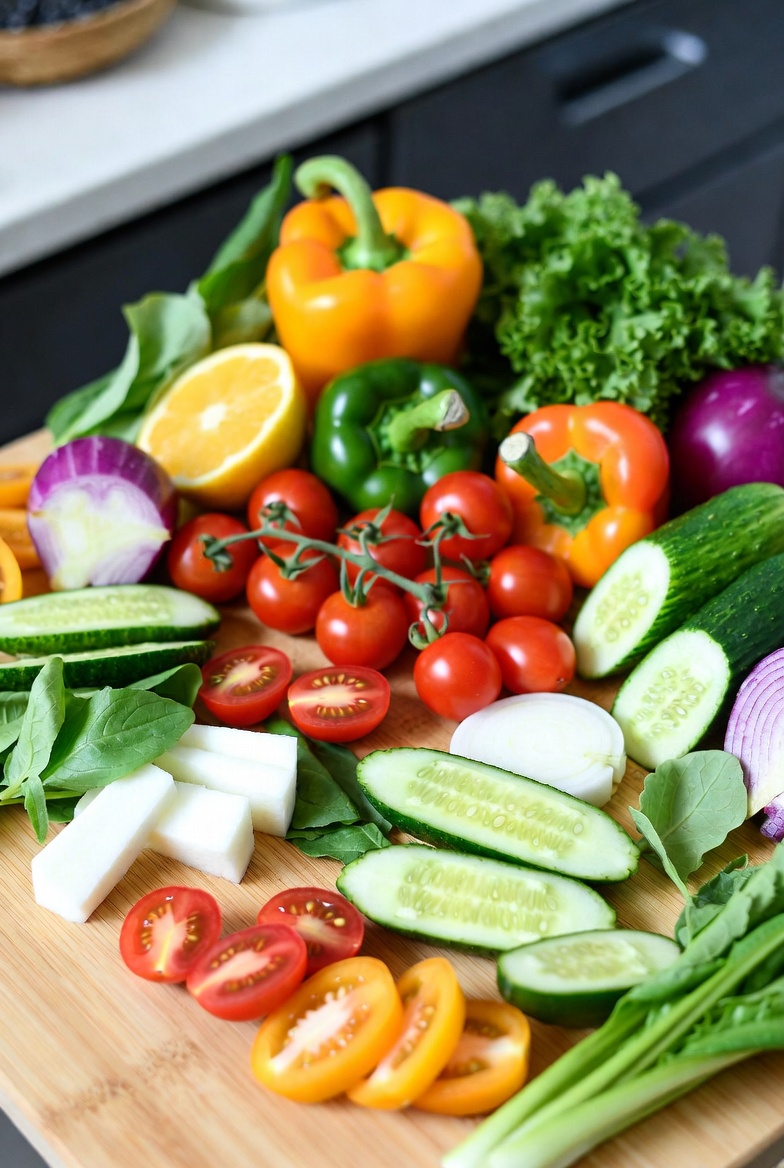
In a world increasingly seeking optimal health and peak performance, the quest for the “perfect” diet can feel overwhelming. While traditional dietary advice often struggles with adherence, a striking statistic reveals the promise of tailored approaches: studies indicate that personalized dietary interventions can lead to a 2-3 times greater adherence rate compared to generic recommendations. This pursuit of precision has given rise to two vastly different, yet equally compelling, approaches to nutrition: the cutting-edge realm of AI-powered dietary guidance and the ancient, back-to-nature philosophy of the Raw Food Diet. Both promise enhanced well-being, but they operate on fundamentally different principles, leverage distinct methodologies, and present unique challenges and benefits. Which path is right for you? Let’s delve into a comprehensive, evidence-based comparison.
Understanding AI-Powered Nutrition
AI-powered nutrition represents the vanguard of dietary science, leveraging sophisticated algorithms, machine learning, and vast datasets to offer hyper-personalized dietary recommendations. Unlike traditional diet plans that often rely on generalized advice, AI systems are designed to understand and adapt to the unique biological and lifestyle nuances of each individual. At its core, AI nutrition collects a wide array of user data, which can include genetic predispositions, microbiome composition, activity levels, sleep patterns, existing health conditions, dietary preferences, allergies, and specific health goals (e.g., weight loss, muscle gain, disease management). This data is then processed by advanced algorithms that can identify patterns, predict responses, and formulate highly tailored meal plans, supplement recommendations, and lifestyle adjustments.
The operational mechanism of AI nutrition platforms often involves several key stages. Initially, users provide detailed input, sometimes through questionnaires, wearable device integration, or even advanced diagnostic tests like DNA or gut microbiome analysis. The AI then synthesizes this information, cross-referencing it with a continually updated database of nutritional science, food composition, and physiological responses. The output is typically a dynamic, evolving dietary plan that can adjust in real-time based on user feedback, progress, and even new scientific discoveries. For instance, if a user reports feeling sluggish on a particular meal plan, the AI can learn from this and suggest alternatives. If blood sugar levels are consistently high after certain foods, the AI can flag these and propose healthier swaps. This continuous feedback loop and adaptive learning are what set AI nutrition apart, offering a level of precision and responsiveness previously unattainable.
The benefits of this approach are manifold. Precision is paramount, as recommendations are designed to align with an individual’s unique metabolic profile and needs, potentially optimizing nutrient absorption and minimizing adverse reactions. Convenience is another major draw, with AI platforms often providing automated grocery lists, recipe suggestions, and progress tracking. Furthermore, the data-driven nature of AI nutrition allows for objective, evidence-based guidance, reducing the guesswork often associated with diet planning. It empowers users with actionable insights, helping them understand not just what to eat, but why, fostering a deeper connection to their health journey. However, it’s also crucial to acknowledge the evolving nature of AI nutrition. Concerns about data privacy, the potential for over-reliance on technology, and the ethical implications of algorithmic bias are valid considerations that the industry is actively addressing. Despite these challenges, AI-powered nutrition holds immense promise for revolutionizing how we approach diet and health, moving us towards an era of truly individualized wellness.
The Raw Food Diet: Core Principles
In stark contrast to the technological sophistication of AI nutrition, the Raw Food Diet champions a return to nature, emphasizing the consumption of uncooked, unprocessed, and often organic foods. Its core philosophy is rooted in the belief that heating food above a certain temperature (typically 104-118°F or 40-48°C) destroys vital enzymes, vitamins, and other beneficial nutrients, often referred to as “life force.” Proponents argue that cooking denatures proteins, creates harmful toxins, and makes food harder to digest and assimilate, leading to chronic diseases and diminished vitality. By consuming foods in their natural, uncooked state, the diet aims to preserve these delicate nutrients, maximize digestive efficiency, and promote optimal health and energy.
What You Eat
The Raw Food Diet primarily consists of plant-based foods, though some variations may include raw animal products like unpasteurized dairy, raw eggs, or even raw fish and meat (though these are less common and carry significant health risks). The staple foods include:
- Fruits: All kinds, fresh or dried.
- Vegetables: Leafy greens, root vegetables, cruciferous vegetables, often consumed in salads, juices, or smoothies.
- Nuts and Seeds: Soaked, sprouted, or raw, providing healthy fats, protein, and minerals.
- Sprouted Grains and Legumes: Grains like quinoa, buckwheat, and oats, and legumes like lentils and chickpeas, are often sprouted to make them digestible and enhance nutrient availability, as cooking them would be against the diet’s principles.
- Cold-Pressed Oils: Olive oil, coconut oil, flaxseed oil, etc., extracted without heat.
- Fermented Foods: Raw sauerkraut, kimchi, and other cultured vegetables, valued for probiotics.
- Seaweed: A rich source of minerals.
- Herbs and Spices: In their natural, uncooked forms.
Foods explicitly excluded from the Raw Food Diet include anything cooked, baked, fried, or processed. This means no cooked meats, pasteurized dairy, refined sugars, processed snacks, cooked grains (like bread, pasta, rice), or alcoholic beverages. The emphasis is on whole, living foods, often prepared through methods like blending, juicing, dehydrating (at low temperatures), and sprouting.
The Science Behind It
The scientific community holds a nuanced view of the Raw Food Diet. On one hand, many aspects of the diet align with established nutritional recommendations. Its high intake of fruits, vegetables, nuts, seeds, and legumes means it is inherently rich in vitamins, minerals, fiber, antioxidants, and beneficial phytonutrients. These components are well-documented to support heart health, reduce the risk of certain cancers, aid in weight management, and improve digestive function. Studies on vegetarians and vegans, who often consume a higher proportion of raw foods, frequently show lower rates of chronic diseases. The emphasis on whole, unprocessed foods naturally eliminates many detrimental components of the modern diet, such as trans fats, high fructose corn syrup, and artificial additives.
However, the core claim that cooking destroys “vital enzymes” and nutrients is often overstated or misinterpreted. While some heat-sensitive vitamins (like Vitamin C and certain B vitamins) can be reduced by cooking, many nutrients become *more* bioavailable when cooked (e.g., lycopene in tomatoes, beta-carotene in carrots, iron in spinach). Cooking also breaks down tough plant cell walls, making nutrients easier to absorb and improving digestibility for many people. Furthermore, cooking effectively kills harmful bacteria and parasites, significantly reducing the risk of foodborne illnesses, a concern particularly with raw animal products and sprouts.
Major scientific concerns regarding the Raw Food Diet include potential nutritional deficiencies. Strict raw vegans are at risk for inadequate intake of Vitamin B12 (found almost exclusively in animal products), Vitamin D (often requiring sunlight exposure or supplements), calcium, iron, iodine, and omega-3 fatty acids. The sheer volume of food required to meet caloric needs can also be challenging. Long-term adherence to a raw food diet has been associated with lower bone mineral density, dental erosion (due to high acidity from fruits), and, in some cases, amenorrhea in women. While the diet’s focus on whole plant foods is commendable, the dogma against all cooked foods lacks comprehensive scientific backing for superior health outcomes and presents significant practical and nutritional hurdles.
Side-by-Side Comparison
Personalization
AI Nutrition: This is where AI truly shines. AI-powered nutrition platforms are built upon the principle of hyper-personalization. They go beyond generic advice by integrating a vast array of individual data points: genetic predispositions, microbiome analysis, real-time activity levels from wearables, sleep patterns, existing health conditions, allergies, dietary preferences, and specific health goals. This allows the AI to craft a dietary plan that is uniquely suited to an individual’s metabolic profile, nutrient requirements, and lifestyle. For instance, an AI can recommend specific macronutrient ratios for an athlete based on their training load, suggest foods to mitigate genetic risks for certain conditions, or adapt meal plans for someone with specific digestive sensitivities. The system learns and evolves with the user, continuously refining recommendations based on feedback and progress, ensuring that the guidance remains relevant and effective over time. This dynamic adaptability is a cornerstone of AI nutrition, making it a highly individualized and responsive approach.
Raw Food Diet: The Raw Food Diet, by its very nature, operates on a more generalized philosophy. Its core tenets dictate that all foods should be consumed uncooked and unprocessed, primarily focusing on plant-based whole foods. While individuals can certainly choose which raw fruits, vegetables, nuts, and seeds they prefer, the underlying dietary framework is largely one-size-fits-all. There’s less inherent capacity within the diet’s principles to account for bio-individuality beyond the basic raw food guidelines. For example, it doesn’t typically distinguish between someone with a fast metabolism versus a slow one, or someone with a genetic predisposition for nutrient malabsorption versus another. While a raw food enthusiast might experiment with different raw food combinations to suit their personal taste or perceived energy levels, this personalization is done manually and intuitively, rather than through data-driven analysis. The diet emphasizes a universal approach to “living foods” rather than tailoring based on complex individual biological markers.
Scientific Evidence
AI Nutrition: The scientific evidence for AI-powered nutrition is rapidly expanding, though it’s important to differentiate between the evidence for personalized nutrition in general and the specific efficacy of AI platforms. A growing body of research supports the idea that personalized dietary advice, informed by genetics, microbiome, and lifestyle, can lead to better health outcomes, improved adherence, and more effective disease prevention and management. AI acts as a sophisticated tool to deliver this personalized advice efficiently and at scale. Studies on personalized nutrition interventions have shown promising results in areas like blood sugar control, weight management, and cardiovascular health. However, because AI in nutrition is a relatively new field, long-term, large-scale randomized controlled trials specifically on the efficacy of various AI platforms are still emerging. The effectiveness of an AI nutrition system ultimately hinges on the quality of the underlying scientific data it processes and the algorithms it employs. Reputable AI nutrition services base their recommendations on established nutritional science and continuously update their knowledge base to reflect new research. The transparency of these algorithms and the quality of their data sources are critical for scientific credibility.
Raw Food Diet: The scientific evidence directly supporting the *superiority* of a strictly raw food diet over a balanced cooked diet is limited and often inconclusive. While the diet’s emphasis on fruits, vegetables, nuts, and seeds is undoubtedly healthy and well-supported by science for its benefits in preventing chronic diseases, these benefits are largely attributed to the plant-based nature of the diet rather than the raw aspect specifically. In fact, some studies have highlighted potential drawbacks. Research indicates that long-term raw food diets can lead to deficiencies in essential nutrients like Vitamin B12, Vitamin D, calcium, and iron, often resulting in lower bone mineral density and other health issues. While proponents claim that raw foods preserve enzymes, the human digestive system produces its own enzymes, and dietary enzymes are largely denatured by stomach acid. The claim that cooking creates “toxins” is also largely unsupported for typical cooking methods, though high-temperature cooking can create some undesirable compounds. The scientific consensus is that a diet rich in raw *and* lightly cooked plant foods is optimal, balancing nutrient preservation with improved digestibility and safety. Most studies on raw food diets are observational and often lack control groups, making it difficult to definitively attribute health benefits solely to the raw aspect, rather than the overall healthy lifestyle choices often adopted by raw food enthusiasts.
Real-World Adherence
AI Nutrition: Adherence is a critical factor in any dietary intervention, and AI nutrition aims to significantly improve it. By offering highly personalized, convenient, and adaptive plans, AI can address many of the common hurdles to dietary compliance. The personalized nature means recommendations are more likely to align with an individual’s preferences, cultural background, and lifestyle, making the diet feel less restrictive and more sustainable. AI platforms often provide features like automated grocery lists, meal prep suggestions, and real-time progress tracking, which reduce the cognitive load and effort associated with healthy eating. Furthermore, the ability of AI to adapt to changing goals, preferences, or even adverse reactions helps maintain motivation and engagement. If a user finds a particular food unappealing, the AI can suggest alternatives. If progress stalls, the AI can tweak the plan. This dynamic responsiveness fosters a sense of being understood and supported, potentially leading to higher long-term adherence rates compared to static, generic diet plans.
Raw Food Diet: Real-world adherence to a strict Raw Food Diet is notoriously challenging and often leads to high dropout rates. The restrictive nature of eliminating all cooked and processed foods can be socially isolating, making it difficult to dine out, attend social gatherings, or share meals with family and friends who don’t follow the same principles. Food preparation can be incredibly time-consuming, involving soaking, sprouting, blending, juicing, and dehydrating, which demands significant dedication and planning. The limited range of acceptable foods, especially in colder climates or areas with less access to fresh produce, can lead to monotony and cravings. Furthermore, the potential for nutrient deficiencies, if not carefully managed with supplements and diverse food choices, can result in fatigue, hunger, and a general feeling of unwellness, making it difficult to sustain the diet long-term. Many individuals who initially embrace a strict raw food diet eventually transition to a “high-raw” or mostly plant-based diet that incorporates some cooked foods, finding it more sustainable and nutritionally balanced in the long run. The rigidity and practical demands of the diet are significant barriers to consistent, long-term adherence for most people.
Cost & Accessibility
AI Nutrition: The cost of AI nutrition services can vary widely. Many platforms operate on a subscription model, ranging from affordable monthly fees to more premium tiers that include advanced diagnostics (like genetic or microbiome testing) or one-on-one coaching with human nutritionists. While there’s an upfront cost for the service, the long-term benefit of optimized health and potentially reduced healthcare expenses can be a compelling argument. In terms of accessibility, AI nutrition is highly democratic. As long as one has access to a smartphone or computer and an internet connection, these services are globally available. This makes personalized dietary guidance accessible to individuals in diverse geographical locations, including those who might not have easy access to a registered dietitian or nutritionist in person. However, the accessibility of the *foods* recommended by AI depends on local availability and budget, but AI can often adapt recommendations based on user-specified budget or local food availability constraints.
Raw Food Diet: The Raw Food Diet can be surprisingly expensive, especially if one aims for organic, fresh, and diverse produce, nuts, seeds, and specialty raw ingredients. Organic fruits and vegetables, which are often preferred by raw foodists, typically cost more than conventionally grown produce. Specialty items like raw cacao, cold-pressed oils, and dehydrators add to the expense. Furthermore, the sheer volume of raw plant foods needed to meet caloric and nutritional requirements can result in larger grocery bills compared to a diet that includes more calorie-dense cooked foods. Accessibility is also a significant factor. While fruits and vegetables are generally available, access to a wide variety of fresh, high-quality, and organic produce can be limited in food deserts or regions with harsh climates. Preparing raw meals also requires time and specific kitchen tools (blenders, juicers, dehydrators). For individuals with limited budgets, time constraints, or restricted access to diverse fresh produce, maintaining a strict raw food diet can be a substantial financial and logistical challenge. It often requires a dedicated lifestyle and significant resources to implement effectively.
Who Benefits Most From AI Nutrition?
AI nutrition is particularly well-suited for several distinct groups of individuals. Firstly, those with complex health goals, such as managing chronic diseases (diabetes, heart disease), optimizing athletic performance, or navigating intricate dietary restrictions (multiple allergies, autoimmune conditions), can benefit immensely from the precision and data-driven insights offered by AI. The ability to integrate genetic, microbiome, and real-time biometric data allows for a level of tailored guidance that manual approaches often struggle to match.
Secondly, busy professionals and individuals with demanding schedules will find the convenience of AI platforms invaluable. Automated meal planning, grocery lists, and adaptive recommendations can save significant time and mental effort, making healthy eating more manageable amidst a hectic lifestyle. For those who struggle with adherence to generic diet plans or have experienced repeated failures with conventional diets, AI’s personalized and adaptive nature can be a game-changer. By understanding individual preferences and adapting to real-world feedback, AI can foster greater compliance and long-term success.
Furthermore, individuals who are data-driven, technologically savvy, and curious about their biological makeup will thrive with AI nutrition. The platforms offer a deeper understanding of how their bodies respond to different foods and interventions, empowering them with actionable insights. Anyone seeking objective, evidence-based guidance that evolves with their progress and new scientific discoveries will find AI nutrition to be a powerful ally in their wellness journey. It’s an ideal solution for those who want to move beyond guesswork and embrace a scientific, individualized approach to diet and health.
Who Benefits Most From Raw Food Diet?
The Raw Food Diet, despite its challenges, can appeal to and benefit certain individuals, primarily those who are deeply committed to its philosophy and have the resources to sustain it. Individuals looking for a radical dietary shift towards whole, unprocessed foods will find the Raw Food Diet to be the ultimate expression of this commitment. It can serve as a powerful “reset” for those seeking to eliminate all processed foods, refined sugars, and unhealthy fats from their diet.
People who are philosophically aligned with the idea of “living foods” and believe in the inherent vitality of uncooked produce may find deep satisfaction and a sense of purity in this diet. Some individuals with specific digestive sensitivities or chronic inflammation have reported feeling better on a high-raw diet, potentially due to the high fiber content, enzyme activity (even if minimal from food sources), and elimination of common irritants found in cooked or processed foods. However, this is highly individual and not universally applicable.
It can also appeal to those who have ample time and resources for food preparation, sourcing high-quality organic produce, and mastering raw food culinary techniques. For individuals who enjoy spending time in the kitchen, experimenting with elaborate raw recipes, and have ready access to diverse fresh ingredients, the Raw Food Diet can be a fulfilling lifestyle choice. It can also be beneficial for those seeking a short-term cleanse or “detox,” provided it’s done under careful supervision to avoid nutrient deficiencies and other risks.
Can You Combine Both?
Absolutely, combining the principles of AI-powered nutrition with a predominantly raw or high-raw food diet offers a compelling synergy that could mitigate many of the challenges associated with a strict raw food approach while maximizing its potential benefits. AI can act as an intelligent guide, helping individuals navigate the complexities of a raw food lifestyle more effectively and safely.
Here’s how AI can enhance a raw food diet:
- Nutrient Gap Identification: AI can analyze an individual’s raw food intake, compare it against their specific nutritional needs (derived from genetics, activity, and goals), and pinpoint potential deficiencies common in raw diets, such as Vitamin B12, Vitamin D, iron, calcium, or specific omega-3s. It can then suggest raw food sources, fortified raw foods, or appropriate raw-friendly supplements to bridge these gaps.
- Optimized Meal Planning: An AI can help create diverse, balanced raw meal plans that ensure a wide range of nutrients and prevent monotony. It can suggest creative raw recipes, optimal food combinations for nutrient absorption (e.g., Vitamin C with iron), and provide variety to maintain adherence.
- Personalized Adjustments: If a raw foodist experiences low energy, digestive issues, or other concerns, the AI can analyze their input and suggest modifications. This might involve increasing specific raw food groups, adjusting macronutrient ratios within raw foods, or even recommending the strategic inclusion of certain lightly cooked foods if a strict raw approach proves unsustainable or detrimental to health.
- Progress Monitoring: AI platforms can track progress, energy levels, digestive comfort, and other health markers, providing objective feedback on the efficacy of the raw food approach for that individual. This data-driven insight can help users make informed decisions about their dietary path.
- Sourcing and Preparation Guidance: While not directly nutrition-related, some advanced AI platforms could potentially offer guidance on sourcing organic produce, safe sprouting techniques, or even linking to raw food culinary resources to simplify preparation.
By leveraging AI, a raw food diet can become more personalized, nutritionally complete, and sustainable. It moves beyond dogma to an evidence-informed, adaptive approach, allowing individuals to reap the benefits of whole, unprocessed foods while minimizing the risks of deficiencies and social isolation. This combination truly represents the best of both worlds: nature’s purity guided by intelligent precision.
Key Takeaways
- AI Nutrition offers unparalleled personalization, adapting to individual biological data and lifestyle for optimized health outcomes.
- The Raw Food Diet emphasizes whole, uncooked plant-based foods, rooted in the philosophy of preserving “living enzymes” and nutrients.
- Scientific evidence strongly supports the benefits of plant-rich diets, but the specific superiority of a strictly raw diet over a balanced cooked diet is largely unproven and carries risks of nutrient deficiencies.
- Adherence is a major differentiator: AI’s adaptive, convenient nature generally fosters higher compliance, while the Raw Food Diet’s restrictions often lead to high dropout rates.
- Cost and accessibility vary, with AI involving subscription fees but global reach, and the Raw Food Diet potentially being expensive and geographically challenging.
- Combining AI nutrition with a high-raw diet can offer the best of both worlds, using AI to identify nutrient gaps, optimize meal plans, and enhance the sustainability of a whole-food approach.
Whether you lean towards the data-driven precision of AI or the back-to-nature philosophy of the Raw Food Diet, the ultimate goal remains the same: a healthier, more vibrant you. Understanding the strengths and weaknesses of each approach empowers you to make an informed decision, or even to forge a new path that integrates the best of both worlds. Explore how personalized nutrition can transform your health journey today.
Discover Your Personalized Nutrition Plan with AINutry.
Frequently Asked Questions
What are the main differences between AI nutrition and a raw food diet?
AI nutrition uses artificial intelligence to create personalized meal plans based on individual data, while a raw food diet emphasizes uncooked, unprocessed foods. AI nutrition can incorporate cooked foods and supplements, whereas a raw food diet strictly limits or excludes them.
Can AI nutrition help with specific health goals like weight loss or muscle gain?
Yes, AI nutrition platforms can tailor meal plans and supplement recommendations to support specific goals like weight loss or muscle gain by optimizing calorie intake and macronutrient ratios. They can also adjust based on your progress and feedback.
Are there any safety concerns with a raw food diet, especially regarding nutrient deficiencies?
Raw food diets can pose risks of nutrient deficiencies, particularly in vitamin B12, iron, and calcium, as cooking can sometimes increase bioavailability. It’s crucial to carefully plan a raw food diet with a healthcare professional or registered dietitian to ensure all nutritional needs are met.
How does AI nutrition determine the right supplements and dosages?
AI nutrition systems analyze your health data, dietary habits, and goals to identify potential nutrient gaps and recommend specific supplements. Dosages are typically suggested based on established dietary reference intakes and your individual needs, often with guidance from a qualified professional.
Is an AI nutrition plan suitable for someone with allergies or dietary restrictions?
Absolutely, AI nutrition excels at creating highly personalized plans that accommodate allergies, intolerances, and specific dietary restrictions like veganism or gluten-free. The AI can filter out forbidden ingredients and suggest suitable alternatives.
Leave a Reply