
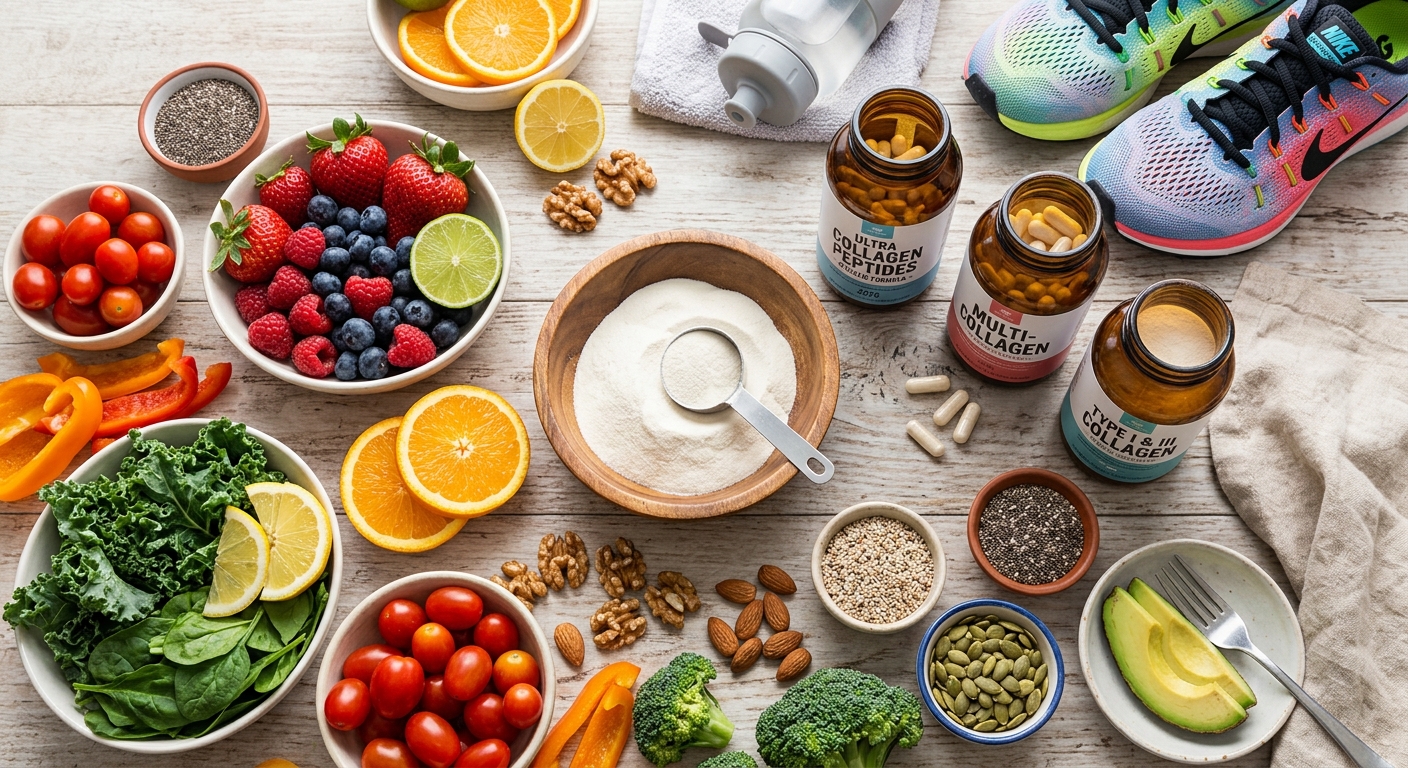
Did you know that up to 50% of athletes experience joint pain annually? For those pushing their physical limits, maintaining joint health, muscle integrity, and rapid recovery isn’t just about comfort – it’s crucial for performance. Collagen, the most abundant protein in the body, plays a vital role in these areas, making it a cornerstone supplement for athletes and active individuals seeking to optimize their training and longevity.
Quick Comparison: Top 5 Collagen Athletes And Active Lifestyles Supplements
| Product | Key Ingredient | Dose | Best For | Price Range |
|---|---|---|---|---|
| Nutrabolt XTEND Hydrolyzed Collagen Powder | Hydrolyzed Bovine Collagen Peptides | 11g per serving | Comprehensive joint and skin support | $$ |
| Garden of Life Sport Organic Grass Fed Collagen Protein | Hydrolyzed Bovine Collagen Peptides | 20g per serving | High-dose protein and collagen blend for recovery | $$$ |
| Vital Proteins Collagen Peptides Unflavored | Hydrolyzed Bovine Collagen Peptides | 20g per serving | Versatile, unflavored collagen for easy integration | $$ |
| NeoCell Super Collagen + Vitamin C & Biotin | Hydrolyzed Bovine Collagen Peptides, Vitamin C, Biotin | 6g per serving | Joint and skin support with added micronutrients | $ |
| Sports Research Collagen Peptides Powder | Hydrolyzed Bovine Collagen Peptides | 11g per serving | Clean label, third-party tested for purity | $$ |
Why This Matters: The Science Behind Collagen Athletes And Active Lifestyles
Collagen is the primary structural protein found in connective tissues, including tendons, ligaments, cartilage, bones, and muscles. For athletes, this means collagen is directly involved in the integrity and resilience of the very structures that enable movement and withstand physical stress. As we age, and with consistent intense physical activity, the body’s natural collagen production can decline, and existing collagen can become degraded. This can lead to increased risk of injury, slower recovery times, and decreased joint mobility.
Research has consistently highlighted the benefits of collagen supplementation for active individuals. A study published in the *Journal of the International Society of Sports Nutrition* (Shaw, 2017) investigated the effects of collagen peptide supplementation on athletes experiencing joint pain. The findings indicated that daily supplementation with collagen peptides significantly reduced joint pain during activity and at rest, and improved overall joint function. This suggests that exogenous collagen can help replenish depleted collagen stores and support the repair processes in damaged cartilage and connective tissues.
Furthermore, collagen’s role extends to muscle protein synthesis and recovery. While not a complete protein on its own due to its low content of certain essential amino acids like tryptophan, collagen provides a rich source of glycine, proline, and hydroxyproline, which are critical for building connective tissues and are also involved in metabolic processes. A study by Oesser et al. (2000) demonstrated that orally administered collagen peptides were absorbed intact and distributed to connective tissues, where they stimulated the synthesis of new collagen. This evidence supports the notion that supplementing with collagen can aid in the repair and strengthening of the musculoskeletal system, directly benefiting athletic performance and recovery.
Our Top 5 Picks – Reviewed
Nutrabolt XTEND Hydrolyzed Collagen Powder
Nutrabolt, a brand well-known in the sports nutrition space, offers a robust hydrolyzed collagen powder designed to support active lifestyles. Each serving delivers a substantial 11 grams of hydrolyzed bovine collagen peptides, providing ample building blocks for connective tissues, skin, and hair. What sets this product apart is its commitment to quality, often featuring third-party testing for purity and potency. Its unflavored nature makes it incredibly versatile, easily mixed into post-workout shakes, water, or even savory broths. This is an excellent choice for athletes looking for a straightforward, effective collagen source to aid in recovery and joint maintenance.
- High dose of hydrolyzed collagen peptides per serving.
- Versatile and unflavored for easy integration into any diet.
- From a reputable brand in sports nutrition.
- Can be slightly chalky if not mixed thoroughly.
- May not contain added co-factors like Vitamin C in this specific formulation.
Garden of Life Sport Organic Grass Fed Collagen Protein
Garden of Life’s Sport Organic Grass Fed Collagen Protein stands out for its commitment to clean, organic ingredients and a comprehensive approach to recovery. Each serving boasts an impressive 20 grams of hydrolyzed collagen peptides derived from grass-fed, pasture-raised cattle, ensuring a high-quality source free from hormones and antibiotics. This formulation also includes added Vitamin C and probiotics to further support collagen synthesis and gut health, respectively, which are vital for overall well-being and nutrient absorption. For athletes prioritizing organic certification and a holistic approach to recovery, this collagen powder is a top-tier option, particularly for those looking for significant protein and collagen support.
- High potency 20g collagen per serving.
- Certified Organic and Grass-Fed ingredients.
- Includes Vitamin C for collagen synthesis and probiotics for gut health.
- Higher price point compared to some competitors.
- May have a slight taste profile due to added ingredients.
Vital Proteins Collagen Peptides Unflavored
Vital Proteins is a household name in the collagen supplement market, and their Collagen Peptides Unflavored is a perennial favorite for good reason. This product provides 20 grams of highly bioavailable collagen peptides per serving, derived from grass-fed, pasture-raised bovine hides. Its primary appeal lies in its exceptional solubility and neutral taste, making it incredibly easy to incorporate into virtually any beverage or food – from coffee and smoothies to yogurt and soups. The clean ingredient list, free from artificial flavors and sweeteners, makes it a reliable choice for athletes who are mindful of what they consume. Its simplicity and effectiveness make it a go-to for consistent collagen intake.
- Excellent solubility and mixes easily in hot or cold liquids.
- 20g of high-quality collagen peptides per serving.
- Clean ingredient profile, free from additives.
- Can be more expensive per serving than some other brands.
- No added vitamins or minerals for synergistic effects.
NeoCell Super Collagen + Vitamin C & Biotin
NeoCell’s Super Collagen is a popular choice for those seeking a more budget-friendly option that still offers key benefits for skin and joints. Each serving contains 6 grams of hydrolyzed bovine collagen peptides, which is a lower dose than some of the higher-end products, but it’s combined with Vitamin C and Biotin. Vitamin C is essential for the body’s natural collagen production, making this a synergistic blend. Biotin is known for its role in hair, skin, and nail health. While the collagen dosage is modest, the inclusion of these vitamins makes it a comprehensive supplement for overall connective tissue and aesthetic support. It’s a good entry-level option for individuals new to collagen or those on a tighter budget.
- Affordable price point.
- Includes Vitamin C to support collagen synthesis.
- Also contains Biotin for hair, skin, and nail health.
- Lower collagen dosage per serving (6g).
- May not be sufficient for individuals requiring higher therapeutic doses.
Sports Research Collagen Peptides Powder
Sports Research is dedicated to providing high-quality, science-backed supplements, and their Collagen Peptides Powder is a prime example. This product features 11 grams of hydrolyzed bovine collagen peptides per serving, sourced from grass-fed, pasture-raised cattle. What truly sets Sports Research apart is their rigorous third-party testing, ensuring that each batch is free from gluten, dairy, soy, and heavy metals, and that it meets label claims for potency and purity. This commitment to transparency and quality makes it an excellent choice for athletes who are discerning about their supplement ingredients. The unflavored powder is easy to incorporate into daily routines, offering reliable support for joints, skin, and connective tissues.
- Third-party tested for purity and potency.
- Made from grass-fed, pasture-raised bovine sources.
- Free from common allergens like gluten, dairy, and soy.
- Dosage of 11g may be lower than some high-performance needs.
- Unflavored can be a pro or con depending on preference.
How to Choose the Best Product
Key Ingredients to Look For
When selecting a collagen supplement for an active lifestyle, prioritize **hydrolyzed collagen peptides**. Hydrolysis is a process that breaks down large collagen molecules into smaller peptides, significantly improving their bioavailability and absorption. This means your body can more efficiently utilize the collagen for repair and synthesis. Look for supplements that specify the source of collagen, ideally **grass-fed and pasture-raised bovine** or **marine** sources, as these are often considered higher quality and free from harmful contaminants. Some products may also include synergistic ingredients like **Vitamin C**, which is crucial for collagen synthesis, or **hyaluronic acid** and **chondroitin sulfate**, which are components of cartilage and can further support joint health. Always check the label for the **dosage per serving** – for athletes, doses ranging from 10-20 grams are generally considered effective for therapeutic benefits.
Red Flags to Avoid
Be wary of collagen supplements that use vague ingredient descriptions, such as “collagen blend” without specifying the types or amounts of collagen present. **Proprietary blends** can obscure the actual dosage of key ingredients, making it impossible to determine if you’re getting an effective amount. Avoid products that contain excessive **fillers, artificial sweeteners, colors, or preservatives**, especially if you have a sensitive stomach or are aiming for a clean diet. Underdosed products are another common red flag; if a supplement lists collagen but provides a very low dose per serving (e.g., less than 5 grams), it may not offer significant benefits for active individuals. Finally, a lack of **third-party testing** or certifications (like NSF Certified for Sport or Informed-Sport) should be a concern, as these indicate a commitment to purity and safety.
Dosage and Timing
The optimal dosage of collagen peptides for athletes typically ranges from **10 to 20 grams per day**. This range has been used in clinical studies demonstrating benefits for joint health, recovery, and skin elasticity. While some products may offer lower doses, higher amounts are often required to achieve noticeable results, especially for individuals engaged in high-impact activities. Regarding timing, collagen can be taken at any time of day. However, many athletes find it beneficial to consume it post-workout, as this is when their bodies are primed for repair and nutrient uptake. Mixing it into a post-exercise protein shake or simply with water shortly after training can help support muscle and connective tissue recovery. Consistency is key; daily intake is more important than the specific timing to ensure a steady supply of collagen peptides for your body.
Safety and Side Effects
Collagen supplements are generally considered safe for most individuals when taken as directed. However, as with any supplement, there are potential side effects and considerations. Some people may experience mild digestive upset, such as bloating, gas, or heartburn, particularly when first starting supplementation or taking higher doses. If you have a known allergy to fish or shellfish, be cautious with marine collagen sources. Individuals with conditions like kidney disease or those on specific medications should consult their healthcare provider before starting collagen supplementation, as it is a protein source and may affect kidney function or interact with certain drugs. Pregnant and breastfeeding women should also seek medical advice before use. It’s important to note that collagen is not a complete protein and should not be used as a sole source of protein in the diet. Always choose reputable brands that undergo third-party testing to ensure product purity and safety.
Frequently Asked Questions
Q: Can collagen supplements help with muscle growth?
While collagen is a protein, it’s not considered a primary muscle-building protein like whey or casein due to its amino acid profile. However, it can support muscle health by strengthening connective tissues that support muscles and aiding in recovery, which indirectly contributes to training capacity and growth.
Q: What is the difference between collagen peptides and gelatin?
Collagen peptides are smaller, more easily digestible fragments of collagen, resulting from a process called hydrolysis. Gelatin is partially hydrolyzed collagen and is often used as a thickener. Peptides are generally preferred for supplements due to their superior bioavailability.
Q: How long does it take to see results from collagen supplements?
Results can vary depending on individual factors, the dosage taken, and the specific benefit being sought. Many people report noticing improvements in skin hydration and joint comfort within 4-12 weeks of consistent daily use.
Q: Can I take collagen with other supplements?
Yes, collagen can generally be taken with other supplements. It’s often combined with Vitamin C, hyaluronic acid, or other joint support ingredients. It can also be easily incorporated into a post-workout stack with protein powders or BCAAs.
Q: Are there different types of collagen, and do they matter for athletes?
There are several types of collagen (I, II, III, etc.), with Type I and III being most abundant in skin, tendons, and ligaments, making them highly relevant for athletes. Most bovine collagen supplements contain a mix of Type I and III, which is beneficial for connective tissue repair and skin health.
Key Takeaways
- Collagen is vital for connective tissues, joint health, and recovery in athletes.
- Hydrolyzed collagen peptides are the most bioavailable form for supplementation.
- Look for grass-fed, pasture-raised bovine or marine sources for quality.
- Dosages of 10-20 grams per day are generally recommended for active individuals.
- Consider supplements with Vitamin C for enhanced collagen synthesis.
- Always choose third-party tested products for purity and safety.
💊 Buy supplements at a discount on iHerb →
Frequently Asked Questions
What is the recommended daily dosage of collagen for athletes?
For athletes and active individuals, studies generally suggest a daily intake of 10-20 grams of collagen peptides to support joint health, tendon strength, and recovery. Consistency is key for observing benefits, typically over 8-12 weeks.
When is the best time for athletes to take collagen supplements?
Collagen can be taken at any time of day, but some athletes prefer taking it post-workout to aid recovery and repair connective tissues. Consuming it with vitamin C can enhance absorption and collagen synthesis within the body.
Are collagen supplements safe for athletes, and what are potential side effects?
Collagen supplements are generally considered safe for athletes with minimal reported side effects, primarily mild digestive upset like bloating or fullness. Always check the ingredient list for potential allergens and consult a healthcare professional if you have pre-existing conditions.
Who should consider taking collagen supplements among active individuals?
Collagen supplements are particularly beneficial for athletes and active individuals experiencing joint discomfort, seeking to improve tendon and ligament strength, or aiming to accelerate recovery from exercise. They can also support skin elasticity and bone health.
What are some natural alternatives or dietary sources of collagen for athletes?
While supplements offer concentrated peptides, natural dietary sources include bone broth, gelatin, and foods rich in amino acids like proline and glycine (e.g., chicken skin, fish) along with vitamin C. However, achieving therapeutic doses from food alone can be challenging for targeted benefits.
Disclaimer: This article is for informational purposes only and does not constitute medical advice. Consult a qualified healthcare provider before starting any supplement regimen.
Leave a Reply