
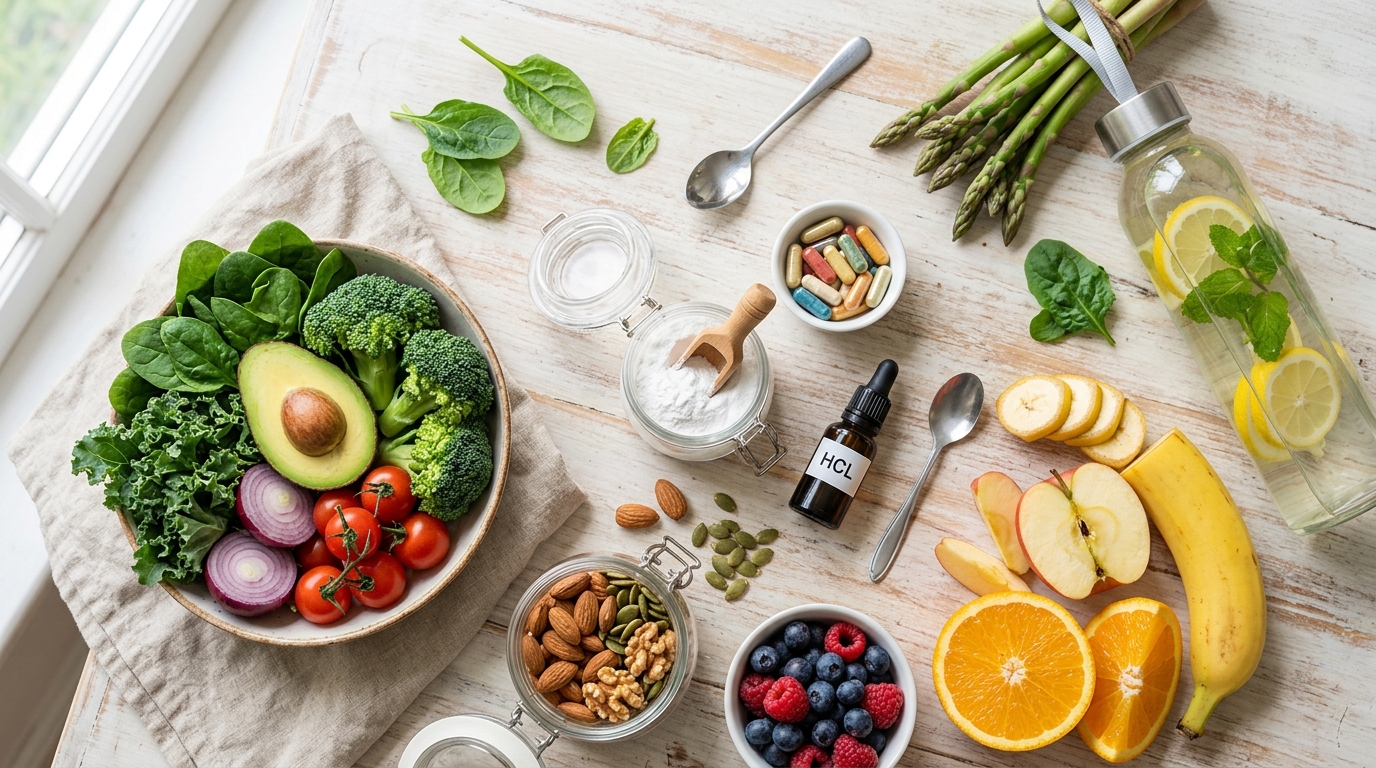
In the relentless pursuit of peak physical performance, athletes and fitness enthusiasts continually seek the edge. Creatine HCL, a highly soluble form of creatine, has emerged as a frontrunner, with studies indicating its potential to significantly enhance muscle strength and power output. Data suggests that individuals supplementing with creatine can experience an average increase of 5-15% in maximal strength, making the right Creatine HCL supplement a critical component for those aiming to push their limits in 2026.
Quick Comparison: Top 5 Creatine Hcl Muscle Strength Supplements
| Product | Key Ingredient | Dose | Best For | Price Range |
|---|---|---|---|---|
| Kaged Creatine HCl Powder | Creatine HCl | 750mg per scoop | Rapid absorption, sensitive stomachs | $$ |
| ProMera Sports CON-CRET Creatine HCl | Creatine HCl (Micro-dosing) | 750mg per scoop | Avoiding loading phases, convenient dosing | $$$ |
| NutraBio Creatine HCl | Creatine HCl | 750mg per capsule | Precise dosing, capsule preference | $$ |
| BulkSupplements.com Creatine HCl Powder | Creatine HCl | 1000mg per serving | Cost-effective bulk buying, purity | $ |
| MuscleTech Platinum 100% Creatine HCl | Creatine HCl | 1250mg per serving | Maximal potency, no fillers | $$ |
Why This Matters: The Science Behind Creatine Hcl Muscle Strength
Creatine is one of the most extensively researched and scientifically validated supplements for improving exercise performance, particularly in high-intensity, short-duration activities like weightlifting and sprinting. Its primary mechanism of action involves increasing the body’s phosphocreatine stores. Phosphocreatine plays a crucial role in regenerating adenosine triphosphate (ATP), the primary energy currency of cells. During intense exercise, ATP is rapidly depleted, leading to fatigue. By boosting phosphocreatine levels, creatine supplementation allows for faster ATP regeneration, enabling muscles to sustain high-intensity efforts for longer periods and ultimately leading to greater strength and power gains.
While creatine monohydrate is the most studied form, Creatine HCl (hydrochloride) is gaining traction due to its enhanced solubility. The hydrochloride group attached to the creatine molecule lowers its pH, making it significantly more soluble in water compared to monohydrate. This increased solubility is hypothesized to lead to better absorption and potentially less gastrointestinal discomfort, a common complaint with larger doses of creatine monohydrate for some individuals. While direct comparative studies specifically on Creatine HCl’s superior strength-enhancing effects over monohydrate are still emerging, the foundational science of creatine’s impact on ATP regeneration remains consistent across forms.
Research consistently supports creatine’s efficacy in boosting strength. For instance, a comprehensive review by Kreider, R.B. (2003) highlighted that creatine supplementation, when combined with resistance training, consistently leads to significant increases in muscle strength and power output across various populations. Participants frequently demonstrate enhanced one-repetition maximum (1-RM) lifts in exercises like bench press and squat. Furthermore, Branch, J.D. (2003), in a meta-analysis, concluded that creatine supplementation reliably improves maximal strength and lean body mass, particularly in activities requiring bursts of energy. These findings underscore the profound physiological impact creatine has on muscular performance, making Creatine HCl a compelling choice for those seeking to maximize their strength potential with a potentially more bioavailable option.
Our Top 5 Picks – Reviewed
Kaged Creatine HCl Powder
Kaged Creatine HCl stands out for its commitment to purity and quality. Sourced from patented C-HCl, this supplement is designed for maximum absorption and minimal gastric distress, making it an excellent choice for individuals who have experienced bloating or discomfort with other creatine forms. Each serving delivers 750mg of highly soluble Creatine HCl, allowing for a concentrated dose that bypasses the need for a traditional loading phase. Its unflavored nature makes it versatile, easily mixing into your pre-workout, post-workout shake, or simply water. Kaged prioritizes third-party testing, ensuring what’s on the label is what’s in the tub, appealing to those who demand transparency and efficacy from their supplements.
- High solubility and bioavailability
- No loading phase required
- Lab-tested for purity and potency
- Smaller serving size may require multiple scoops for higher doses
- Premium price point compared to some monohydrate options
ProMera Sports CON-CRET Creatine HCl
ProMera Sports CON-CRET is synonymous with Creatine HCl, having pioneered its micro-dosing approach. This product emphasizes that less is more, with a recommended serving of just 750mg (one scoop) for individuals under 175 lbs, suggesting superior absorption that negates the need for larger doses. This micro-dosing strategy aims to eliminate common creatine side effects like bloating and cramping, making it ideal for those with sensitive digestive systems or who prefer a minimalist approach to supplementation. CON-CRET is also free from fillers, binders, and artificial ingredients, providing a clean and effective product. Its reputation for rapid absorption and effectiveness has made it a favorite among athletes looking for a reliable strength booster.
- Pioneering micro-dosing for reduced side effects
- Highly soluble and absorbable
- Available in various flavors and unflavored
- Higher cost per serving than bulk options
- Individual response to micro-dosing may vary
NutraBio Creatine HCl
NutraBio is renowned for its unwavering commitment to quality and transparency, and their Creatine HCl is no exception. Each capsule provides a precise 750mg dose of pure Creatine HCl, making it incredibly convenient for on-the-go supplementation without the need for mixing powders. NutraBio’s extensive third-party testing and full label disclosure ensure that consumers know exactly what they’re getting – no proprietary blends, no fillers, just high-quality Creatine HCl. This product is ideal for individuals seeking the benefits of creatine without any added ingredients, or those who prefer the convenience and accurate dosing of capsules over powders. Its clean profile makes it suitable for competitive athletes subject to strict testing.
- Exceptional purity and third-party tested
- Convenient capsule form for precise dosing
- No fillers, excipients, or proprietary blends
- Capsule form might be less cost-effective than powder for high-volume users
- Swallowing multiple capsules may be inconvenient for some
BulkSupplements.com Creatine HCl Powder
For the budget-conscious consumer who refuses to compromise on quality, BulkSupplements.com Creatine HCl Powder is an outstanding choice. Offering pure Creatine HCl in bulk quantities, this product delivers exceptional value without unnecessary additives. Each serving typically provides 1000mg of Creatine HCl, allowing users to customize their dosage precisely to their needs. BulkSupplements.com is known for its minimalist approach, providing raw ingredients that are lab-tested for purity and potency. This unflavored powder mixes easily into any beverage, making it highly versatile. It’s the perfect option for serious athletes or individuals who consume creatine regularly and want a high-quality product at an economical price point.
- Excellent value for bulk quantities
- Pure Creatine HCl with no fillers
- Lab-tested for purity and quality
- Unflavored, which might not appeal to everyone
- Requires precise measurement by the user
MuscleTech Platinum 100% Creatine HCl
MuscleTech’s Platinum 100% Creatine HCl is designed for those seeking maximum potency and uncompromised quality from a well-established brand. Delivering a robust 1250mg of Creatine HCl per serving, this supplement aims to provide significant strength and performance benefits. MuscleTech is known for its rigorous research and development, ensuring that their products are formulated for optimal efficacy. This Creatine HCl is free from sugars, fillers, and unnecessary additives, providing a clean and potent dose. It’s an excellent option for serious lifters and athletes who trust a brand with a strong presence in the sports nutrition industry and are looking for a straightforward, high-dose Creatine HCl supplement to support their muscle strength goals.
- High potency (1250mg per serving)
- Zero fillers or artificial ingredients
- From a reputable and established brand
- Higher dose might not be necessary for all individuals
- May be less cost-effective than bulk powder options
How to Choose the Best Product
Key Ingredients to Look For
When selecting a Creatine HCl supplement, the primary ingredient to scrutinize is, naturally, Creatine HCl itself. Look for products that clearly state “Creatine HCl” as the sole active ingredient, or at least the dominant one. Purity is paramount; ideally, the product should be 100% pure Creatine HCl with no added fillers, artificial colors, flavors, or sweeteners, especially if you opt for an unflavored powder. Some products might combine Creatine HCl with other beneficial compounds like Beta-Alanine or Betaine, which can also support performance. While these additions aren’t necessarily bad, ensure they are transparently listed and dosed effectively. The source of the Creatine HCl can also be a quality marker; patented forms like C-HCl often indicate a higher standard of manufacturing and consistency. Ultimately, the best products will feature a clean label, emphasizing the quality and concentration of the Creatine HCl itself, ensuring maximum bioavailability and efficacy for muscle strength gains.
Red Flags to Avoid
Navigating the supplement market requires vigilance to avoid subpar products. One major red flag is the presence of proprietary blends without full ingredient disclosure. While a brand might claim a “strength matrix,” if they don’t list the exact dosages of each component, you can’t be sure you’re getting effective amounts of Creatine HCl or any other active ingredient. Underdosed products are also a concern; if a Creatine HCl supplement provides significantly less than the evidence-based effective dose (typically 750mg-1.5g per day, depending on body weight and goals), it’s unlikely to yield desired results. Excessive fillers, binders, and artificial ingredients like dyes and synthetic sweeteners should also raise an eyebrow, as they add no nutritional value and can sometimes cause digestive issues. Lastly, be wary of products with exorbitant claims that sound too good to be true, or those lacking third-party testing certifications, as these often indicate a lack of commitment to quality and transparency.
Dosage and Timing
Unlike creatine monohydrate, which often benefits from a loading phase, Creatine HCl is typically recommended without one due to its enhanced solubility and presumed superior absorption. A common evidence-based dosage for Creatine HCl ranges from 750mg to 1.5 grams per day, often based on body weight (e.g., 750mg per 100 lbs of body weight). It’s generally advised to take Creatine HCl approximately 30-45 minutes before your workout to allow for absorption and availability during exercise. On non-training days, it can be taken at any convenient time, usually with a meal or a shake. Consistency is key; daily supplementation, even on rest days, helps maintain elevated creatine stores in the muscles. Always start with the lower end of the recommended dosage to assess tolerance and gradually increase if needed, adhering to the manufacturer’s guidelines and consulting a healthcare professional.
Safety and Side Effects
Creatine, including its HCl form, is generally considered safe and well-tolerated for most healthy adults when taken at recommended doses. The most commonly reported side effects with creatine monohydrate, such as gastrointestinal distress (bloating, stomach upset) and dehydration, are often mitigated with Creatine HCl due to its higher solubility and lower required doses. However, some individuals might still experience mild stomach discomfort. Staying well-hydrated is crucial when supplementing with any form of creatine, as it draws water into muscle cells. Individuals with pre-existing kidney or liver conditions should exercise extreme caution and absolutely consult a qualified healthcare provider before initiating creatine supplementation, as its impact on these organs, though generally considered safe in healthy individuals, warrants medical supervision for those with compromised function. Creatine can also interact with certain medications, such as non-steroidal anti-inflammatory drugs (NSAIDs) and diuretics, potentially increasing the risk of kidney strain. Pregnant or nursing women and individuals under 18 should also avoid creatine unless specifically advised by a medical professional. Always prioritize consulting your doctor to ensure creatine supplementation is appropriate for your individual health profile.
Frequently Asked Questions
Q: Is Creatine HCl better than Creatine Monohydrate?
While Creatine HCl boasts superior solubility and may cause less gastrointestinal distress for some individuals, scientific evidence directly proving its superior efficacy for muscle strength gains over monohydrate is still limited. Both forms are effective, but HCl might be preferred by those sensitive to monohydrate’s side effects or who prefer lower doses. The “best” form often comes down to individual tolerance and preference.
Q: Do I need to cycle Creatine HCl?
Creatine cycling (periods of use followed by periods of abstinence) is not strictly necessary for safety or efficacy with Creatine HCl. Consistent daily supplementation helps maintain elevated muscle creatine stores, which is key for sustained strength benefits. However, some individuals prefer to cycle for personal reasons or to assess their baseline performance without it.
Q: Can I take Creatine HCl with coffee or other stimulants?
Yes, Creatine HCl can generally be taken with coffee or other stimulants without issue. There’s no strong evidence to suggest that caffeine negates creatine’s effects, although some anecdotal reports exist. Ensure adequate hydration, as both creatine and caffeine can influence fluid balance.
Q: How long does it take to see results from Creatine HCl?
Many users report feeling effects, such as increased strength and endurance, within 1-2 weeks of consistent daily Creatine HCl supplementation. Visible changes in muscle fullness and performance in the gym can become apparent within 3-4 weeks, especially when combined with a consistent resistance training program. Individual results can vary based on diet, training, and genetics.
Q: Will Creatine HCl cause me to gain weight?
Yes, Creatine HCl can lead to a slight increase in body weight, primarily due to increased water retention within muscle cells, not fat gain. This intramuscular water retention contributes to muscle fullness and is a functional aspect of creatine’s mechanism of action. Any weight gain is typically lean mass and water, not adipose tissue.
Key Takeaways
- Creatine HCl offers a highly soluble and potentially more bioavailable form of creatine for muscle strength.
- It supports ATP regeneration, crucial for high-intensity exercise and strength gains.
- Look for pure Creatine HCl products with transparent labeling and third-party testing.
- Avoid proprietary blends, underdosed products, and excessive artificial additives.
- A typical dosage is 750mg-1.5g daily, taken before workouts and consistently on rest days.
- Creatine HCl is generally safe, but individuals with pre-existing conditions or on certain medications should consult a doctor.
💊 Buy supplements at a discount on iHerb →
Frequently Asked Questions
What is the recommended dosage for Creatine HCL to maximize muscle strength?
For Creatine HCL, a common and effective dosage is typically 1-2 grams per day, often taken with water. Due to its higher solubility and absorption compared to monohydrate, lower doses are often sufficient to achieve similar benefits without a loading phase.
When is the best time to take Creatine HCL for optimal muscle strength gains?
While the exact timing isn’t as critical as consistent daily intake, many users prefer to take Creatine HCL either pre-workout to support immediate performance or post-workout to aid muscle recovery and creatine replenishment. Taking it with a meal containing carbohydrates can also enhance absorption.
Is Creatine HCL safe to use long-term, and what are its potential side effects?
Creatine HCL is generally considered safe for healthy individuals when taken at recommended doses, with extensive research supporting creatine’s overall safety profile. Potential side effects are rare but can include mild gastrointestinal discomfort; however, HCL’s improved solubility often reduces these issues compared to monohydrate.
Who can benefit most from Creatine HCL, and are there individuals who should avoid it?
Creatine HCL is primarily beneficial for athletes, bodybuilders, and individuals engaged in high-intensity, short-duration activities looking to improve muscle strength, power, and lean mass. Individuals with pre-existing kidney conditions or those who are pregnant or breastfeeding should consult a healthcare professional before use.
Are there effective alternatives to Creatine HCL for increasing muscle strength?
While creatine is highly effective for strength, other supplements like beta-alanine can help improve muscular endurance and reduce fatigue, indirectly supporting strength gains over time. Additionally, a well-structured resistance training program and adequate protein intake are fundamental for muscle strength development, regardless of supplementation.
Disclaimer: This article is for informational purposes only and does not constitute medical advice. Consult a qualified healthcare provider before starting any supplement regimen.
Leave a Reply