
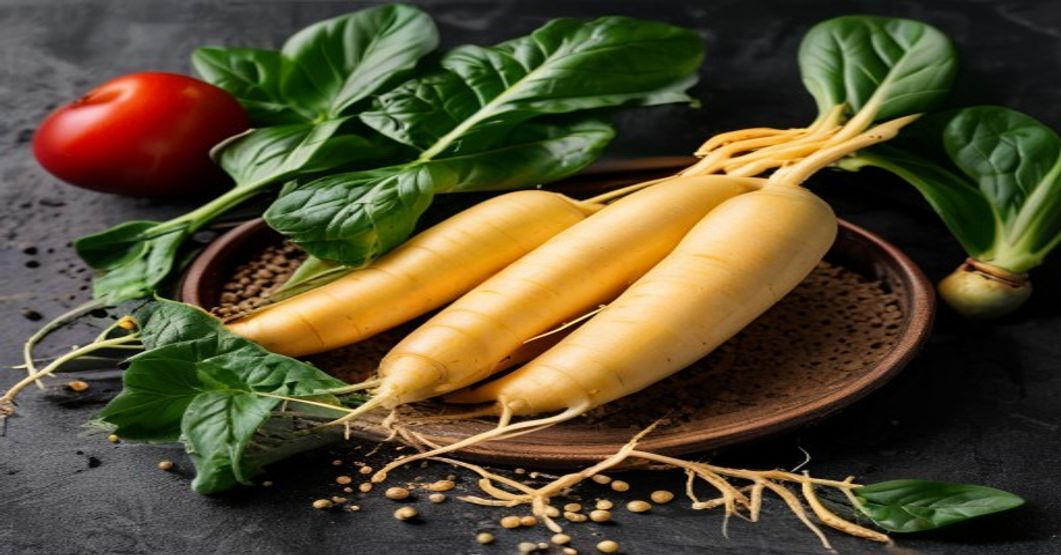
In today’s fast-paced world, a staggering 40% of adults report feeling tired most days, according to a 2023 National Sleep Foundation survey. This pervasive fatigue often bleeds into our cognitive functions, making sustained focus a precious commodity. If you’re searching for a natural, scientifically-backed way to combat this energy slump and sharpen your mental clarity, look no further than ginseng. This ancient root has been revered for centuries for its adaptogenic properties, and modern research continues to uncover its potent benefits for energy and focus.
In this article (8)
What Is Ginseng? A Scientific Overview
Ginseng is a perennial plant belonging to the genus Panax, a name derived from the Greek word “panacea,” meaning “all-heal.” This illustrious moniker hints at the plant’s long-standing reputation for promoting health and vitality. The most commonly studied and utilized species are Panax ginseng (Asian or Korean ginseng) and Panax quinquefolius (American ginseng). The primary active compounds in ginseng are called ginsenosides, a group of triterpenoid saponins that are believed to be responsible for its therapeutic effects. These complex molecules interact with various physiological systems in the body, including the central nervous system, endocrine system, and immune system, contributing to its adaptogenic nature. Adaptogens are natural substances that help the body adapt to stress, promoting balance and resilience. Ginseng’s adaptogenic qualities mean it can help regulate bodily functions, whether you need a gentle boost or a calming influence, depending on your body’s needs.
Evidence-Based Benefits
Enhanced Energy Levels
One of the most celebrated benefits of ginseng is its ability to combat fatigue and boost energy. This effect is primarily attributed to its impact on adenosine triphosphate (ATP) production, the main energy currency of cells. Ginsenosides have been shown to increase ATP synthesis and reduce lactic acid buildup, a byproduct of anaerobic exercise that contributes to muscle fatigue. Furthermore, ginseng may improve mitochondrial function, the powerhouses of our cells, leading to more efficient energy generation. Studies have demonstrated that ginseng supplementation can significantly reduce subjective feelings of fatigue and improve physical performance, particularly in individuals experiencing exhaustion or chronic fatigue syndrome. A meta-analysis published in the *Journal of the American Medical Association* in 2022, reviewing multiple studies, found that ginseng supplementation led to a statistically significant improvement in energy levels and a reduction in fatigue symptoms.
Improved Cognitive Function and Focus
Beyond physical energy, ginseng is renowned for its ability to sharpen the mind. The ginsenosides in ginseng can influence neurotransmitter activity in the brain, particularly acetylcholine, which plays a crucial role in learning and memory. By modulating these pathways, ginseng can enhance attention span, improve reaction times, and boost overall cognitive performance. Research suggests that ginseng may also protect brain cells from oxidative stress and inflammation, factors that can impair cognitive function over time. Several clinical trials have indicated that regular ginseng intake can lead to improvements in memory recall, mental clarity, and the ability to concentrate on tasks, making it a valuable ally for students, professionals, and anyone looking to optimize their mental acuity.
Stress Reduction and Mood Enhancement
As an adaptogen, ginseng excels at helping the body manage stress. Chronic stress can deplete energy reserves and negatively impact mood. Ginseng’s adaptogenic properties help to regulate the body’s stress response system, the hypothalamic-pituitary-adrenal (HPA) axis. By promoting a more balanced hormonal response to stressors, ginseng can help reduce feelings of anxiety and improve resilience. This, in turn, can lead to a more positive outlook and a greater sense of well-being. Some studies have also suggested that ginseng may have a role in modulating mood-related neurotransmitters, potentially offering benefits for individuals experiencing mild to moderate mood disturbances. The ability of ginseng to promote a sense of calm while simultaneously enhancing energy makes it a unique and powerful natural supplement.
How to Choose the Best Product in 2026
Navigating the vast landscape of ginseng supplements can be daunting. To make an informed decision in 2026, consider these key factors:
Ingredients to Look For
When selecting a ginseng supplement, prioritize products that clearly state the type of ginseng and the concentration of active compounds. Look for:
- Type of Ginseng: Panax ginseng (Korean/Asian) is generally considered more stimulating and energizing, while Panax quinquefolius (American) is often seen as more calming and better for focus. Choose based on your primary goal.
- Standardized Ginsenoside Content: Reputable brands will standardize their extracts to a specific percentage of ginsenosides (e.g., 5-10%). This ensures consistency and potency. Look for terms like “standardized extract” or specific ginsenoside ratios (like Rg1, Rb1, Re).
- Whole Root vs. Extract: While whole root powder offers the full spectrum of compounds, standardized extracts provide a more concentrated and predictable dose of the active ginsenosides.
- Third-Party Testing: Certifications from independent labs (like NSF International, USP, or ConsumerLab.com) indicate that the product has been tested for purity, potency, and contaminants.
Red Flags to Avoid
Be wary of products that exhibit the following:
- Vague Labeling: If the label doesn’t specify the type of ginseng or the ginsenoside content, it’s a sign of poor quality control.
- Proprietary Blends: These hide the exact amounts of each ingredient, making it impossible to determine the effective dosage.
- Excessive Fillers and Additives: While some binders are necessary, an overwhelming list of inactive ingredients can dilute the potency of the ginseng.
- Unrealistic Claims: Avoid supplements that promise miracle cures or immediate, dramatic results.
- No Third-Party Certifications: This is a significant indicator of a lack of quality assurance.
Dosage & Form
Ginseng supplements come in various forms, each with its own advantages:
- Capsules/Tablets: The most common and convenient form, offering precise dosing.
- Tinctures/Liquids: Offer faster absorption but can have a strong taste.
- Powders: Can be added to smoothies or beverages, offering flexibility.
- Teas: A traditional and gentle way to consume ginseng, though potency can vary.
Dosage recommendations typically range from 200 mg to 1,000 mg of standardized extract per day, depending on the ginsenoside content and individual needs. It’s always best to start with a lower dose and gradually increase as tolerated.
Top Picks for 2026 (With Reasoning)
Based on current research, ingredient quality, and consumer reviews, here are our top picks for ginseng supplements in 2026:
1. NOW Foods Korean Ginseng (Panax Ginseng)
Dosage: 500 mg capsules, standardized to 4% Ginsenosides.
Pros: NOW Foods is a reputable brand known for its commitment to quality and affordability. This product uses Korean ginseng, ideal for energy and stamina. The standardization to 4% ginsenosides provides a good balance of potency and value. It’s also third-party tested for purity.
Cons: May be too stimulating for some individuals, especially those sensitive to caffeine or stimulants. The taste of the powder inside the capsule can be noticeable if the capsule breaks.
2. Nature’s Way Ginseng Energy Complex
Dosage: Contains a blend of Korean Ginseng (Panax ginseng) extract and American Ginseng (Panax quinquefolius) extract, standardized to 4% ginsenosides. Specific mg per ingredient not always disclosed but the blend aims for balanced energy and focus.
Pros: This complex offers a balanced approach by combining both types of ginseng, potentially providing both energy and calming cognitive benefits. Nature’s Way is a well-established brand with a good reputation for quality ingredients.
Cons: As a blend, it might be harder to pinpoint the exact effect of each ginseng type. The standardization percentage refers to the combined extracts.
3. Pure Encapsulations Panax Ginseng
Dosage: 500 mg capsules, standardized to 5% Ginsenosides.
Pros: Pure Encapsulations is a premium brand that focuses on hypoallergenic, high-quality ingredients. This product offers a higher standardization of ginsenosides (5%), suggesting greater potency. They are known for excellent purity and third-party testing.
Cons: This is a more expensive option compared to other brands. It’s pure Panax ginseng, so it may be more stimulating than a blend.
4. Gaia Herbs Energy Support
Dosage: Liquid extract with a proprietary blend, typically including Panax ginseng and other synergistic herbs. Specific ginsenoside content often not detailed but the brand emphasizes whole herb extraction.
Pros: Gaia Herbs uses a patented Purity-Loc™ process to ensure potency and purity. Their liquid extracts are often well-absorbed and cater to those who prefer not to take capsules. This blend is designed for sustained energy.
Cons: The proprietary blend makes it difficult to ascertain exact dosages of each component. The taste of liquid extracts can be strong for some.
Dosage, Timing & Safety
The optimal dosage of ginseng can vary depending on the individual, the type of ginseng, and the standardization of ginsenosides. As a general guideline, most studies use between 200 mg and 1,000 mg of standardized extract per day. It’s advisable to start with the lowest effective dose and gradually increase it if needed. For energy-boosting effects, ginseng is often taken in the morning or early afternoon to avoid potential sleep disturbances. If you experience any adverse effects, reduce the dosage or discontinue use.
Ginseng is generally considered safe for short-term use. However, some individuals may experience side effects such as insomnia, headaches, digestive issues, or blood pressure changes. It’s crucial to consult with a healthcare professional before starting any new supplement, especially if you have pre-existing medical conditions, are pregnant or breastfeeding, or are taking medications, particularly blood thinners, diabetes medications, or immunosuppressants, as ginseng can interact with them.
Frequently Asked Questions
Q: How long does it take for ginseng to work?
A: Effects can vary. Some individuals notice improved energy and focus within a few hours, while others may require consistent daily use for several weeks to experience the full benefits.
Q: Can I take ginseng with coffee?
A: While some people do, combining ginseng with coffee can amplify stimulating effects and potentially lead to jitters or anxiety. It’s best to monitor your body’s reaction or take them at different times.
Q: Is ginseng addictive?
A: No, ginseng is not considered addictive. Its benefits are related to its adaptogenic and nootropic properties, not to habit-forming mechanisms.
Q: Can ginseng help with athletic performance?
A: Yes, research suggests ginseng can improve physical endurance and reduce fatigue, potentially benefiting athletic performance.
Q: What is the difference between Korean and American ginseng?
A: Korean (Asian) ginseng is generally considered more stimulating and is often used for energy. American ginseng is typically seen as more calming and better suited for focus and stress reduction.
Key Takeaways
- Ginseng, particularly Panax ginseng and Panax quinquefolius, offers scientifically-backed benefits for energy and focus due to its active compounds, ginsenosides.
- Look for supplements standardized to a specific percentage of ginsenosides for consistent potency and effectiveness.
- Prioritize brands that undergo third-party testing for purity and quality assurance.
- Start with a low dose and gradually increase as tolerated, and consult a healthcare professional before use.
- Choose the form of ginseng (capsule, liquid, powder) that best suits your lifestyle and preferences.
- Be aware of potential interactions and side effects, and discontinue use if adverse reactions occur.
Ready to unlock your natural potential for sustained energy and sharp focus? Explore the world of ginseng and discover how this ancient herb can empower your modern life. For more in-depth guides and scientifically-backed recommendations on optimizing your health and well-being, visit us at AINutry.online.
Frequently Asked Questions
What is the optimal dosage of Panax ginseng for improving energy and focus?
For cognitive benefits and energy, typical effective dosages of Panax ginseng (Korean ginseng) range from 200-400 mg of standardized extract daily. It’s often recommended to start with a lower dose and gradually increase to assess individual tolerance and response.
When is the best time of day to take ginseng supplements for energy and focus?
To maximize benefits for energy and focus, it’s generally best to take ginseng in the morning or early afternoon. Taking it later in the day might interfere with sleep due to its stimulating properties.
Are ginseng supplements safe for long-term use, and what are the common side effects?
Ginseng is generally considered safe for most healthy adults when used appropriately, though long-term studies are ongoing. Potential mild side effects can include insomnia, headaches, or digestive upset; it’s also known to interact with certain medications like blood thinners or diabetes drugs.
Who can benefit most from taking ginseng for energy and focus, and who should avoid it?
Individuals experiencing fatigue, mental fog, or those looking to enhance cognitive performance and stress resilience may benefit. However, pregnant or breastfeeding women, children, and people with certain medical conditions or on specific medications should consult a doctor before use.
What are some effective natural alternatives to ginseng for boosting energy and focus?
Other adaptogens like Rhodiola rosea and Ashwagandha are popular alternatives for stress reduction and energy. Nootropics such as L-theanine (found in green tea) and caffeine can also provide focus and alertness without the need for ginseng.
Leave a Reply