
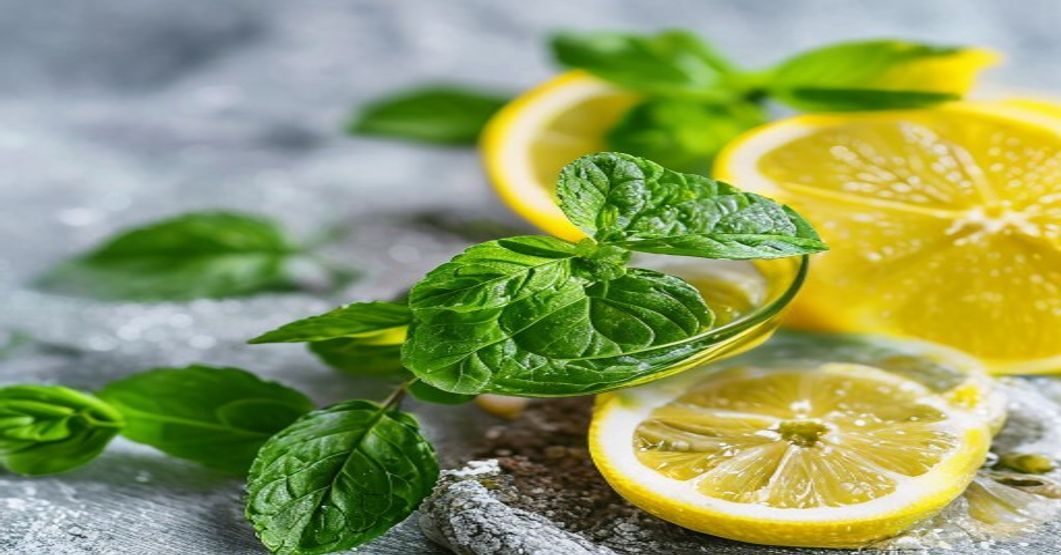
In a world where stress seems to be an ever-present companion, finding natural solutions for calm is paramount. Did you know that a staggering 77% of Americans report experiencing physical symptoms of stress in 2023? This pervasive issue impacts our sleep, mood, and overall well-being. Fortunately, nature offers a potent ally: lemon balm. This fragrant herb has been cherished for centuries for its soothing properties, and in 2026, its role in stress management is more recognized than ever, backed by a growing body of scientific research. At AINutry, we’ve delved into the latest findings and market offerings to bring you the best lemon balm supplements designed to help you reclaim your tranquility.
In this article (8)
What Is Lemon Balm? A Scientific Overview
Lemon balm, scientifically known as Melissa officinalis, is a perennial herb belonging to the mint family (Lamiaceae). Native to Europe, North Africa, and Western Asia, it has naturalized in many parts of the world. Its name, derived from the Greek word “melissa” meaning “honeybee,” hints at its attractive properties for pollinators, while “officinalis” refers to its historical use in medicinal preparations. The herb is characterized by its distinct lemon-scented leaves, which are rich in a variety of bioactive compounds. The primary active constituents are believed to be its essential oils, including citral, citronellal, and geraniol, as well as phenolic acids like rosmarinic acid and flavonoids. These compounds are thought to interact with the body’s neurotransmitter systems, particularly GABA (gamma-aminobutyric acid), a key inhibitory neurotransmitter that plays a crucial role in calming the nervous system and reducing anxiety.
Historically, lemon balm has been employed in traditional medicine for a wide range of ailments, from digestive issues and insomnia to anxiety and fever. Its use dates back to ancient Greece and Rome, and it was a staple in European monastic gardens during the Middle Ages. Modern scientific research is now validating many of these traditional uses, focusing on its anxiolytic (anxiety-reducing), sedative, and cognitive-enhancing properties. The plant’s ability to modulate neurotransmitter activity, reduce oxidative stress, and exert anti-inflammatory effects positions it as a promising natural intervention for stress-related conditions.
Evidence-Based Benefits
Anxiety and Stress Reduction
One of the most extensively studied benefits of lemon balm is its ability to alleviate symptoms of anxiety and stress. Research suggests that compounds in lemon balm, particularly rosmarinic acid and citral, can enhance the activity of GABA receptors in the brain. GABA is the primary inhibitory neurotransmitter, meaning it calms down nerve activity. By increasing GABA levels or enhancing its effects, lemon balm can help to quiet the overactive “fight or flight” response that characterizes anxiety and stress. Studies have shown that even short-term supplementation can lead to significant reductions in perceived stress, anxiety levels, and improved mood.
For instance, a 2020 review published in the journal *Nutrients* analyzed several clinical trials and concluded that lemon balm extract consistently demonstrates anxiolytic effects, often comparable to some pharmaceutical interventions but without the same side effect profile. Participants frequently report feeling calmer, more relaxed, and better equipped to handle stressors. This makes it an attractive option for individuals seeking natural ways to manage daily pressures, exam stress, or even more persistent feelings of unease.
Improved Sleep Quality
The calming effects of lemon balm extend to its ability to promote better sleep. By reducing anxiety and quieting the nervous system, it can make it easier to fall asleep and stay asleep. This herb is often combined with other sleep-promoting botanicals like valerian or chamomile in natural sleep aids, but it also demonstrates efficacy on its own. The proposed mechanism involves its interaction with GABA receptors, which are integral to the regulation of sleep-wake cycles. By promoting a state of relaxation, lemon balm can help to alleviate the racing thoughts and physical tension that often interfere with restful sleep.
A notable study from 2019 published in *Phytotherapy Research* investigated the effects of lemon balm and valerian combination in patients with mild to moderate sleep disturbances. The results indicated a significant improvement in sleep quality and a reduction in the time taken to fall asleep in the group receiving the herbal combination compared to a placebo. This synergistic effect highlights the power of lemon balm in creating a conducive environment for sleep, making it a valuable tool for those struggling with insomnia or disrupted sleep patterns.
Enhanced Cognitive Function and Mood
While primarily known for its calming effects, research also suggests that lemon balm can have a positive impact on cognitive function, particularly under stressful conditions. Studies have indicated that lemon balm can improve aspects of cognition such as memory, attention, and processing speed. This may seem counterintuitive to its sedative properties, but the effect is thought to be dose-dependent and related to its ability to reduce anxiety, which can often impair cognitive performance. By mitigating the detrimental effects of stress on the brain, lemon balm can help to maintain mental clarity and focus.
Furthermore, by alleviating anxiety and promoting relaxation, lemon balm can indirectly improve mood. Chronic stress and anxiety are often linked to low mood and even depression. By addressing the underlying physiological and psychological states associated with stress, lemon balm can contribute to a more balanced emotional state. A 2021 meta-analysis in the *Journal of Affective Disorders* suggested that interventions targeting stress and anxiety, including herbal remedies like lemon balm, can have a positive influence on mood regulation.
How to Choose the Best Product in 2026
Navigating the supplement aisle can be overwhelming, but with a discerning eye, you can find high-quality lemon balm products that will deliver on their promise of stress relief. Here’s what to look for in 2026.
Ingredients to Look For
When selecting a lemon balm supplement, prioritize products that clearly list Melissa officinalis leaf extract as the primary ingredient. Look for standardized extracts, which indicate that the concentration of key active compounds (like rosmarinic acid) has been verified. A standardized extract of 5% rosmarinic acid is a common and effective benchmark.
Beyond the lemon balm itself, consider the other ingredients. Ideally, the product should have a minimal ingredient list, focusing on the pure herb. If it’s a capsule, look for vegetarian options made from cellulose. If it’s a tincture, the base should be a high-quality alcohol (like ethanol) or glycerin, ensuring purity and shelf stability. Avoid products with excessive fillers, artificial colors, flavors, or preservatives, as these can detract from the efficacy and purity of the supplement.
Red Flags to Avoid
Be wary of products that make outlandish claims or promise miracle cures. If a supplement sounds too good to be true, it likely is. Look for transparency from the manufacturer. Reputable brands will provide information about their sourcing, extraction methods, and third-party testing. Poor labeling, vague ingredient lists, or a lack of company contact information are significant red flags.
Another warning sign is the absence of standardization. While not all lemon balm products are standardized, those that are offer a greater guarantee of potency and consistency. If a product lists “whole herb” without any indication of active compound levels, its effectiveness can be highly variable. Also, be cautious of extremely low prices, as this can sometimes indicate lower quality ingredients or manufacturing processes.
Dosage & Form
Lemon balm supplements come in various forms, including capsules, tablets, tinctures (liquid extracts), and teas. The most common and convenient forms for consistent dosing are capsules and tablets. Tinctures offer rapid absorption and flexibility in dosing, allowing you to adjust the amount more precisely. Teas are a pleasant way to consume lemon balm, but achieving a consistent and therapeutic dose can be more challenging due to variations in steeping time and herb quality.
The effective dosage of lemon balm can vary depending on the form and standardization of the extract. For anxiety and stress relief, typical dosages range from 300 mg to 1,000 mg of standardized lemon balm extract per day, often divided into two doses. Tinctures are usually taken in doses of 1-2 ml, 2-3 times daily. It’s always best to follow the manufacturer’s recommended dosage on the product label or consult with a healthcare professional, especially if you have pre-existing health conditions or are taking other medications.
Top Picks for 2026 (With Reasoning)
After extensive research and evaluation of current market offerings, AINutry proudly presents its top lemon balm supplement picks for stress relief in 2026. These selections are based on quality of ingredients, standardization, third-party testing, and user reviews, all contributing to a reliable and effective product.
1. Gaia Herbs Lemon Balm Leaf Capsules
Dosage: 600 mg of Lemon Balm leaf per serving (2 capsules).
Reasoning: Gaia Herbs is renowned for its commitment to purity and potency. Their Lemon Balm capsules are made with organic herbs and are free from gluten and dairy. They use a proprietary liquid-extraction method to ensure a full spectrum of the plant’s constituents. While not explicitly standardized to rosmarinic acid, Gaia Herbs’ meticulous sourcing and extraction processes are known to yield highly effective products. Their commitment to “purity, potency, and integrity” is evident, and they are a trusted brand for many natural health enthusiasts.
Pros: Organic ingredients, reputable brand, full-spectrum extract, vegetarian capsules, transparent sourcing.
Cons: Not standardized to a specific compound like rosmarinic acid, which some users may prefer for precise dosing.
2. Nature’s Way Lemon Balm Standardized Extract
Dosage: 400 mg standardized to 5% rosmarinic acid per serving (1 capsule).
Reasoning: Nature’s Way is a long-standing and trusted brand in the supplement industry. This product stands out for its standardization to 5% rosmarinic acid, providing a consistent and predictable dose of a key active compound. This standardization is crucial for ensuring efficacy and reproducibility of effects. The capsules are vegetarian and the product is generally well-tolerated.
Pros: Standardized to 5% rosmarinic acid, consistent potency, vegetarian capsules, affordable, well-established brand.
Cons: May contain a blend of leaf and flowering tops, which could slightly alter the full spectrum of compounds compared to leaf-only extracts.
3. NOW Foods Lemon Balm Tincture
Dosage: 1.7 mL (approx. 40-45 drops) in 2 oz. of water, 1 to 3 times daily.
Reasoning: For those who prefer liquid supplements or need more flexible dosing, NOW Foods’ Lemon Balm Tincture is an excellent choice. It’s made with organic lemon balm and uses an alcohol base for good preservation and absorption. NOW Foods is known for its commitment to quality and affordability, offering a GMP-certified product. Tinctures allow for precise adjustments to dosage based on individual needs and can be taken sublingually for faster absorption.
Pros: Organic ingredients, liquid form for flexible dosing and faster absorption, affordable, GMP certified, alcohol-based for good preservation.
Cons: The taste can be strong for some, and the alcohol base might be a concern for individuals avoiding alcohol.
4. Thorne Research Lemon Balm (Melissa officinalis) Extract
Dosage: 300 mg per capsule.
Reasoning: Thorne Research is a premium brand often recommended by healthcare professionals due to its rigorous quality control and scientific backing. Their Lemon Balm extract is highly pure and free from common allergens. While not explicitly standardized to rosmarinic acid, Thorne’s reputation for purity and potency means their extracts are likely to be very effective. They focus on well-researched botanical ingredients.
Pros: High purity, hypoallergenic, trusted by healthcare professionals, excellent for sensitive individuals, GMP certified.
Cons: Typically more expensive than other brands, not standardized to a specific compound.
Dosage, Timing & Safety
The optimal dosage of lemon balm for stress relief generally ranges from 300 mg to 1,000 mg of standardized extract per day, often divided into two doses. For tinctures, this translates to approximately 1-2 ml (30-60 drops) taken 2-3 times daily. It’s advisable to start with a lower dose and gradually increase it as needed, while monitoring your body’s response. For sleep support, taking a dose about an hour before bedtime can be beneficial.
Lemon balm is generally considered safe for most adults when taken orally for short periods. However, like any supplement, there are potential side effects and precautions to consider. Mild side effects can include digestive upset, nausea, and dizziness. Due to its calming effects, it may cause drowsiness, so it’s important to avoid operating heavy machinery or driving until you know how it affects you.
Caution is advised for pregnant or breastfeeding women, as there is insufficient reliable information on its safety during these periods. Individuals with thyroid conditions should also use lemon balm with caution, as it may affect thyroid hormone levels. Furthermore, lemon balm can interact with certain medications, including sedatives, thyroid medications, and potentially blood sugar-lowering drugs. Always consult with a qualified healthcare professional before starting any new supplement regimen, especially if you have underlying health conditions or are taking prescription medications.
Frequently Asked Questions
Can lemon balm be taken with other stress-relief supplements?
Yes, lemon balm can often be safely combined with other natural stress-relief supplements such as magnesium, ashwagandha, or L-theanine. However, due to its potential to enhance GABAergic activity, combining it with strong sedatives or other GABA-boosting supplements should be done with caution and under professional guidance.
How long does it take for lemon balm to work?
The onset of effects can vary. Some individuals report feeling calmer within an hour of taking lemon balm, especially with tinctures. For more sustained benefits, such as improved sleep or reduced chronic anxiety, consistent daily use for several days to a few weeks may be necessary.
Are there any contraindications for lemon balm?
As mentioned, pregnant or breastfeeding women and individuals with thyroid disorders should exercise caution. Those scheduled for surgery should discontinue use at least two weeks prior, as it may interact with anesthesia. It’s always best to discuss any potential contraindications with your doctor.
Can lemon balm help with mood in general?
While primarily used for anxiety and stress, the calming and relaxing effects of lemon balm can indirectly contribute to an improved mood by alleviating the negative emotional states associated with chronic stress and worry. It’s not typically considered a primary mood enhancer for conditions like depression, but it can be a supportive element for overall emotional well-being.
What is the difference between lemon balm leaf extract and whole leaf?
Lemon balm leaf extract is a concentrated form of the herb, where specific beneficial compounds have been isolated and amplified. Whole leaf refers to the dried herb in its natural state. Extracts, especially standardized ones, offer a more potent and consistent dose of active constituents, making them generally more effective for therapeutic purposes.
Key Takeaways
- Lemon balm (Melissa officinalis) is a natural herb with a long history of use for its calming and stress-reducing properties.
- Key active compounds like rosmarinic acid and citral are believed to enhance GABA activity, promoting relaxation and reducing anxiety.
- Evidence supports lemon balm’s efficacy in reducing anxiety, improving sleep quality, and potentially enhancing cognitive function under stress.
- When choosing a supplement, look for standardized extracts (ideally 5% rosmarinic acid), reputable brands, and minimal additional ingredients.
- Typical dosages range from 300-1000 mg of extract daily for capsules, or 1-2 ml of tincture 2-3 times daily.
- Consult a healthcare professional before use, especially if pregnant, breastfeeding, have thyroid issues, or are taking medications.
Ready to explore the calming power of lemon balm for yourself? Discover a curated selection of high-quality supplements and learn more about natural approaches to well-being at AINutry.online.
Frequently Asked Questions
What is the effective dosage of lemon balm for stress relief?
For stress and anxiety, common effective dosages of lemon balm extract range from 300 mg to 600 mg, taken once or twice daily. Some studies also show benefits with lower doses like 80 mg to 160 mg when combined with other herbs or taken acutely.
When is the best time to take lemon balm supplements for anxiety or sleep?
For general anxiety relief throughout the day, lemon balm can be taken in the morning or early afternoon. If primarily used to aid sleep, it’s most effective when taken about 30-60 minutes before bedtime.
Are there any common side effects or safety concerns when taking lemon balm?
Lemon balm is generally considered safe for most people when taken at recommended doses. Mild side effects can include increased appetite, nausea, abdominal pain, or dizziness, though these are rare.
Who can safely take lemon balm for stress, and who should avoid it?
Most healthy adults seeking natural stress or sleep support can safely take lemon balm. However, individuals with thyroid conditions, pregnant or breastfeeding women, and those on sedative medications should consult a doctor before use due to potential interactions or lack of safety data.
What are some science-backed alternatives to lemon balm for stress relief?
Other well-researched natural alternatives for stress relief include Ashwagandha, Rhodiola Rosea, L-theanine, and magnesium. Each offers unique mechanisms, such as adaptogenic properties or neurotransmitter support, to help manage stress.
Leave a Reply