
Kopierer
<p>According to the Global Burden of Disease Study 2021, the number of new pancreatitis cases worldwide surged from approximately 1.73 million in 1990 to 2.75 million in 2021, with deaths rising from 68,490 to 122,416 over the same period. This alarming increase highlights the growing challenge of managing pancreatitis, a painful inflammatory condition of the pancreas that demands meticulous dietary control to avoid severe complications like malnutrition, organ failure, and recurrent flares. With the rapid advancement of artificial intelligence (AI) in healthcare by 2026, platforms like AINutry are transforming pancreatitis care by delivering hyper-personalized nutrition recommendations that adapt in real-time to individual symptoms, lab results, and lifestyle factors.</p>
<figure>
<img src="https://ainutry.online/wp-content/uploads/2026/03/ainutry-how-ai-can-help-manage-pancreatitis-through-diet-hero.jpg"
alt="How AI Can Help Manage Pancreatitis Through Diet - AINutry"
title="How AI Can Help Manage Pancreatitis Through Diet"
loading="lazy"
width="1200" height="675" />
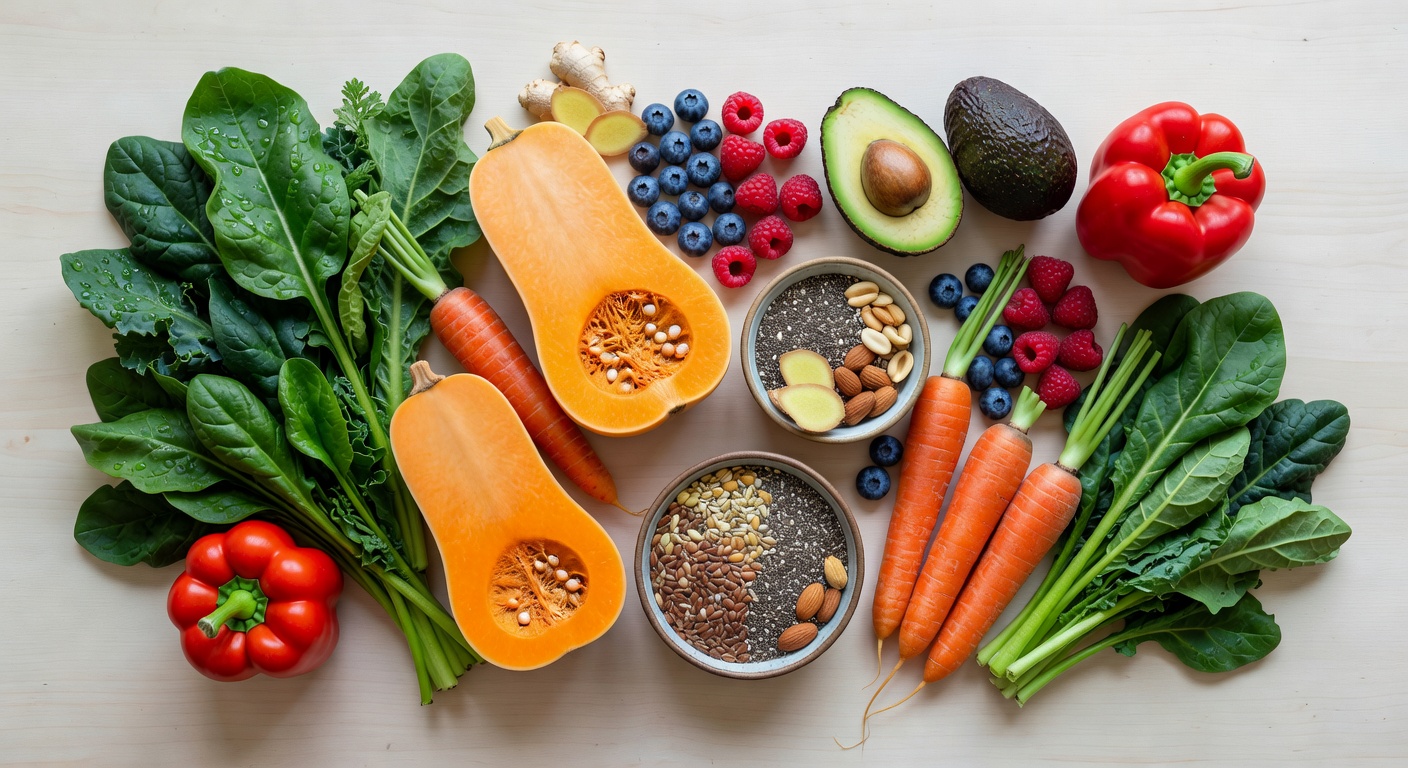
<figcaption>How AI Can Help Manage Pancreatitis Through Diet - AINutry</figcaption>
</figure>
<h2 id="table-of-contents">Table of Contents</h2>
<ul>
<li><a href="#causes-and-risk-factors-of-pancreatitis">Causes and Risk Factors of Pancreatitis</a></li>
<li><a href="#traditional-dietary-management-for-pancreatitis">Traditional Dietary Management for Pancreatitis</a></li>
<li><a href="#how-ai-powered-nutrition-platforms-revolutionize-pancreatitis-care">How AI-Powered Nutrition Platforms Revolutionize Pancreatitis Care</a></li>
<li><a href="#what-the-research-says-about-ai-and-diet-in-pancreatitis">What the Research Says About AI and Diet in Pancreatitis</a></li>
<li><a href="#practical-tips-for-using-ai-to-manage-pancreatitis-diet">Practical Tips for Using AI to Manage Pancreatitis Diet</a></li>
<li><a href="#key-takeaways">Key Takeaways</a></li>
<li><a href="#faq">FAQ</a></li>
<li><a href="#conclusion">Conclusion</a></li>
</ul>
<h2 id="causes-and-risk-factors-of-pancreatitis">Causes and Risk Factors of Pancreatitis</h2>
<p>Acute pancreatitis is frequently triggered by gallstones, which account for up to 40% of cases, heavy alcohol consumption responsible for roughly 30% of acute episodes, and certain medications or high triglyceride levels exceeding 1,000 mg/dL. Chronic pancreatitis often stems from prolonged alcohol abuse, which contributes to about 65% of cases, combined with genetic predispositions, smoking, and repeated acute attacks that lead to irreversible pancreatic damage.</p>
<p>A 2020 study published in the Journal of Clinical Gastroenterology found that patients with pancreatitis have an increased risk of developing malnutrition due to impaired nutrient absorption and utilization (1). More recent data from the Global Burden of Disease Study 2021 underscores the escalating public health burden, with age-standardized incidence rates showing regional disparities, particularly higher in Eastern Europe due to alcohol consumption patterns.</p>
<p>Additional risk factors include obesity, which promotes gallstone formation, and hypertriglyceridemia, where levels above 2,000 mg/dL can increase pancreatitis risk by over fourfold. Genetic mutations, such as those affecting the PRSS1 or CFTR genes, further elevate susceptibility in certain populations.</p>
<h3>Impact on Quality of Life</h3>
<ul>
<li>Persistent abdominal pain and discomfort that can last for hours or days during flares</li>
<li>Nausea, vomiting, and diarrhea leading to dehydration and electrolyte imbalances</li>
<li>Weight loss, muscle wasting, and fatigue due to malabsorption and reduced appetite</li>
<li>Emotional toll including anxiety over food choices and fear of recurrent attacks</li>
</ul>
<h2 id="traditional-dietary-management-for-pancreatitis">Traditional Dietary Management for Pancreatitis</h2>
<p>Traditional approaches to pancreatitis diet emphasize low-fat intake, often restricting fat to 30-50 grams per day, to reduce pancreatic enzyme stimulation and prevent flare-ups. For acute cases, guidelines historically recommended starting with clear liquids before advancing to solids, though recent evidence supports earlier introduction of low-fat solid meals to improve recovery and shorten hospital stays.</p>
<div class="ainutry-supplements">
<h3>🛒 Recommended by AINutry</h3>
<p>We've selected the best evidence-based nutrition products for you:</p>
<ul>
<li><a href="https://www.amazon.es/s?k=multivitamin+daily&tag=ainutryes-21" rel="sponsored nofollow" target="_blank">
💊 Multivitamin</a></li>
<li><a href="https://www.amazon.es/s?k=omega+3+fish+oil+supplement&tag=ainutryes-21" rel="sponsored nofollow" target="_blank">
🐟 Omega-3</a></li>
<li><a href="https://www.amazon.es/s?k=protein+powder+whey&tag=ainutryes-21" rel="sponsored nofollow" target="_blank">
💪 Protein Powder</a></li>
<li><a href="https://www.amazon.es/s?k=probiotic+supplement+50+billion&tag=ainutryes-21" rel="sponsored nofollow" target="_blank">
🌿 Probiotic</a></li>
<li><a href="https://www.amazon.es/s?k=magnesium+glycinate+supplement&tag=ainutryes-21" rel="sponsored nofollow" target="_blank">
🔋 Magnesium</a></li>
</ul>
<p>* Amazon affiliate links. Commission at no extra cost to you.</p>
</div>
<p>In chronic pancreatitis, the focus shifts to managing exocrine pancreatic insufficiency (EPI) with pancreatic enzyme replacement therapy (PERT) alongside a nutrient-dense diet rich in proteins (at least 1.2 g/kg body weight daily) and medium-chain triglycerides (MCTs) that require less lipase for digestion. Patients are advised to eat small, frequent meals to minimize pain and maximize absorption while avoiding alcohol and smoking entirely.</p>
<p>However, traditional one-size-fits-all diets often fall short because individual responses vary widely based on disease severity, comorbidities like diabetes, and gut microbiome differences. This limitation has led to inconsistent adherence and suboptimal outcomes, with malnutrition affecting up to 64% of chronic pancreatitis patients in some cohorts.</p>
<h2 id="how-ai-powered-nutrition-platforms-revolutionize-pancreatitis-care">How AI-Powered Nutrition Platforms Revolutionize Pancreatitis Care</h2>
<p>AI-powered platforms like AINutry analyze vast datasets - including symptoms, blood work, dietary logs, and even genetic markers - to generate personalized meal plans that dynamically adjust to a patient's real-time condition. For instance, during an acute flare, the AI might recommend easily digestible, low-fat options with precise calorie targets to prevent muscle loss while monitoring for tolerance.</p>
<p>These systems use machine learning algorithms to predict potential triggers, such as high-fat meals or alcohol exposure, and suggest alternatives like MCT-enriched shakes or plant-based proteins. By integrating wearable data on activity levels and sleep, AI can optimize nutrient timing to support recovery and reduce inflammation.</p>
<p>In chronic management, AI excels at addressing malabsorption by recommending PERT dosing synchronized with meals and tracking micronutrient levels (vitamins A, D, E, K) to prevent deficiencies that contribute to bone loss and sarcopenia. Users receive instant feedback via apps, making adherence easier and empowering self-management without constant dietitian visits.</p>
<p>By 2026, advancements in natural language processing allow patients to describe symptoms conversationally, with AI instantly refining recommendations. This precision approach not only minimizes flares but also improves quality of life by reducing the guesswork in traditional dietary management.</p>
<h2 id="what-the-research-says-about-ai-and-diet-in-pancreatitis">What the Research Says About AI and Diet in Pancreatitis</h2>
<p>A 2023 study analyzing over 2.5 million acute pancreatitis admissions found that malnutrition increased in-hospital mortality more than fourfold (from 0.8% to 3.5%) and extended length of stay threefold, highlighting the critical need for optimized nutrition. AI tools can help mitigate these risks by enabling early, personalized interventions that maintain adequate caloric intake without exacerbating pancreatic stress.<grok-card data-id="b59ff3" data-type="citation_card" data-plain-type="render_inline_citation" ></grok-card></p>
<p>Research from 2025 on AI applications in pancreatitis demonstrates how machine learning models integrate multimodal data to guide nutritional support decisions, such as timing of enteral feeding or fluid resuscitation, leading to better outcomes in severe cases. These systems show promise in predicting necrosis risk and tailoring diets to individual metabolic profiles.</p>
<p>A 2022 analysis of chronic pancreatitis patients revealed that 64% were malnourished, with severe cases linked to shorter disease duration and higher inflammation markers. AI-driven platforms address this by continuously monitoring biomarkers and adjusting protein and MCT recommendations, potentially reducing sarcopenia and improving handgrip strength correlations with muscle mass.</p>
<p>Emerging evidence also supports shifting away from overly restrictive low-fat diets in mild cases; a 2025 randomized study found normal-fat diets improved energy intake and quality of life scores without increasing adverse events compared to strict low-fat regimens. AI can safely implement such nuanced, evidence-based adjustments for each user.</p>
<h2 id="practical-tips-for-using-ai-to-manage-pancreatitis-diet">Practical Tips for Using AI to Manage Pancreatitis Diet</h2>
<p>Start by inputting your latest lab results, symptoms, and food preferences into an AI nutrition platform like AINutry. The system will generate a baseline plan emphasizing small, frequent meals with lean proteins, cooked vegetables, and low-fiber options during recovery phases. Track everything daily - AI learns from your logs to refine suggestions, such as swapping high-fat dairy for MCT oils when steatorrhea appears.</p>
<p>Use AI chat features to ask questions like “What should I eat if lipase levels are elevated?” for immediate, tailored advice. Combine with PERT reminders and supplement tracking to address common deficiencies in fat-soluble vitamins. Set alerts for alcohol avoidance and gradual reintroduction of variety as tolerance improves.</p>
<p>Monitor progress weekly through AI-generated reports on weight trends, energy levels, and predicted flare risks. Share summaries with your healthcare team for collaborative care. For long-term success, incorporate family-friendly recipes generated by the platform to boost adherence while maintaining nutritional balance.</p>
<p>Always prioritize hydration and consider probiotic integration as recommended by AI based on your gut health data. These practical steps, powered by artificial intelligence, bridge the gap between general guidelines and truly individualized pancreatitis diet management.</p>
<h2 id="key-takeaways">Key Takeaways</h2>
<ul>
<li>Pancreatitis cases have risen dramatically, with global incidence reaching 2.75 million new cases in 2021, making personalized dietary strategies essential.</li>
<li>Traditional low-fat diets provide a foundation but often lack the adaptability needed for optimal outcomes in diverse patients.</li>
<li>AI platforms like AINutry deliver real-time, data-driven nutrition plans that reduce malnutrition risk and improve quality of life.</li>
<li>Research supports early solid feeding and nuanced fat management, which AI can implement safely and effectively.</li>
<li>Combining AI insights with professional medical advice and evidence-based supplements yields the best results for long-term pancreatitis management.</li>
</ul>
<h2 id="faq">FAQ</h2>
<h3>What is the best diet for pancreatitis in 2026?</h3>
<p>The optimal diet is personalized and AI-assisted, focusing on adequate protein, controlled fats (often with MCTs), and frequent small meals while avoiding alcohol and triggers. Platforms like AINutry tailor this to your specific condition.</p>
<h3>Can AI really help with pancreatitis diet management?</h3>
<p>Yes. AI analyzes your unique health data to provide dynamic recommendations, predict issues, and improve adherence far beyond static guidelines.</p>
<h3>How does malnutrition affect pancreatitis patients?</h3>
<p>Malnutrition significantly raises risks of complications, longer hospital stays, and mortality - up to four times higher in affected acute cases.</p>
<h3>Should I follow a strict low-fat diet forever?</h3>
<p>Not necessarily. Emerging research and AI guidance support flexible approaches based on disease phase and individual tolerance for better nutrition and quality of life.</p>
<h2 id="conclusion">Conclusion</h2>
<p>As pancreatitis continues to impose a heavy global burden, artificial intelligence offers a powerful ally in dietary management. By leveraging platforms like AINutry, patients can move beyond generic advice toward precise, responsive nutrition strategies that minimize pain, prevent malnutrition, and enhance daily living. While AI augments care, it complements - not replaces - professional medical guidance. Embracing these 2026 innovations could mark a turning point for millions managing this challenging condition.</p>
<!-- NEWSLETTER_PLACEHOLDER -->
<div class="ainutry-disclaimer">
<strong>Disclaimer:</strong> The information presented in this article is for educational purposes only. Consult with a healthcare professional before making any changes to your diet or nutrition plan.
</div>
<script type="application/ld+json">
{
"@context": "https://schema.org",
"@type": "Article",
"headline": "How AI Can Help Manage pancreatitis Through Diet",
"description": "Learn about How AI Can Help Manage pancreatitis Through Diet. AI-powered nutrition insights, evidence-based information, and practical tips for your health",
"author": {
"@type": "Organization",
"name": "AINutry",
"url": "https://ainutry.online"
},
"publisher": {
"@type": "Organization",
"name": "AINutry",
"url": "https://ainutry.online"
},
"datePublished": "2026-03-31",
"dateModified": "2026-04-22",
"mainEntityOfPage": {
"@type": "WebPage",
"@id": "https://ainutry.online/de/how-ai-can-help-manage-pancreatitis-through-diet-de/"
}
}
</script>
<script type="application/ld+json">
{
"@context": "https://schema.org",
"@type": "BreadcrumbList",
"itemListElement": [
{
"@type": "ListItem",
"position": 1,
"name": "Home",
"item": "https://ainutry.online"
},
{
"@type": "ListItem",
"position": 2,
"name": "Conditions",
"item": "https://ainutry.online/de/category/conditions-de/"
},
{
"@type": "ListItem",
"position": 3,
"name": "How AI Can Help Manage pancreatitis Through Diet",
"item": "https://ainutry.online/de/how-ai-can-help-manage-pancreatitis-through-diet-de/"
}
]
}
</script>Häufig gestellte Fragen
Wer ist der ideale Kandidat für den Einsatz von KI zur Bewältigung der Pankreatitis-Diät?
Es wird erwartet, dass KI-gestützte Diätpläne sowohl Personen mit chronischer oder wiederkehrender Pankreatitis als auch Personen zugute kommen, die eine hochgradig personalisierte Ernährungsberatung wünschen. Sie können dazu beitragen, die Nährstoffaufnahme zu optimieren, auslösende Lebensmittel zu identifizieren und Empfehlungen auf der Grundlage individueller Gesundheitskennzahlen anzupassen und so möglicherweise die langfristigen Ergebnisse zu verbessern.
Wie effektiv ist KI bei der Personalisierung von Diätplänen für Pankreatitis-Patienten?
Es wird erwartet, dass KI die Wirksamkeit des Pankreatitis-Diätmanagements erheblich verbessern wird, indem sie hochgradig personalisierte Empfehlungen basierend auf dem spezifischen Zustand, der Genetik und dem Lebensstil einer Person bietet. Diese Personalisierung basiert darauf, die Nährstoffaufnahme zu optimieren, Entzündungen zu reduzieren und Schübe wirksamer zu minimieren als allgemeine Ernährungsempfehlungen.
Wann können Patienten damit rechnen, auf KI-Tools für das Pankreatitis-Diätmanagement zuzugreifen?
Während einige KI-gesteuerte Gesundheitstools auf dem Vormarsch sind, deutet der Zeitrahmen des Artikels bis 2026 darauf hin, dass sich weit verbreitete, robuste KI-Lösungen speziell für das Pankreatitis-Diätmanagement noch in der Entwicklungs- oder frühen Einführungsphase befinden. Patienten sollten ihre Gesundheitsdienstleister nach aktuellen Best Practices fragen und sich nach verfügbaren Pilotprogrammen oder validierten Tools erkundigen.
Welche einzigartigen Vorteile bietet KI für die diätetische Behandlung von Pankreatitis?
KI bietet einzigartige Vorteile, indem sie riesige Datenmengen - einschließlich Krankengeschichte, biometrische Daten in Echtzeit und Ernährungspräferenzen - verarbeitet, um dynamische, hyperpersonalisierte Ernährungspläne zu erstellen. Es kann Empfehlungen basierend auf Patientenreaktionen und neuen Forschungsergebnissen kontinuierlich anpassen und bietet so ein Maß an Präzision und Reaktionsfähigkeit, das mit herkömmlichen statischen Ernährungsrichtlinien nur schwer zu erreichen ist.
Leave a Reply