
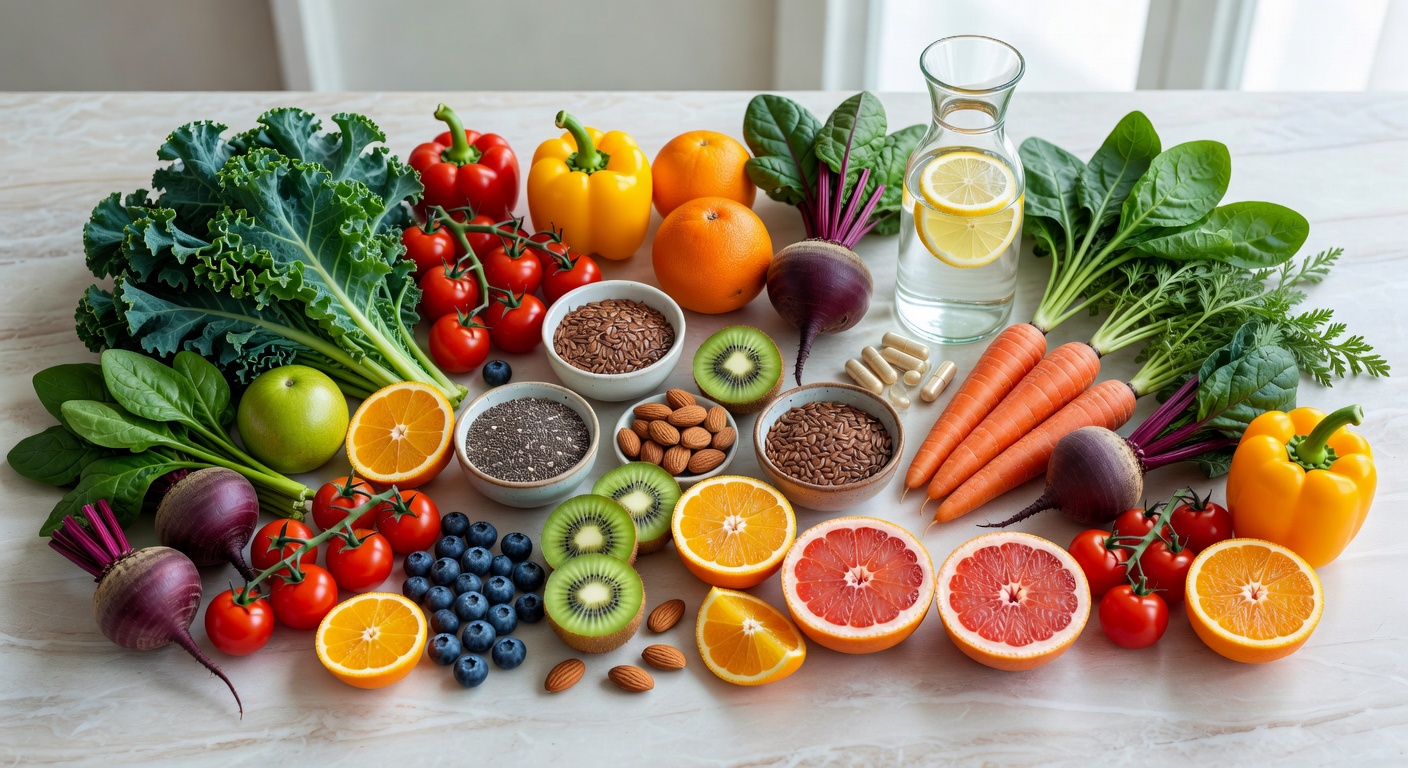
Imagine this: you’ve just crushed your latest workout, feeling the satisfying burn of muscles worked to their potential. But the real magic of that sweat session happens *after* you leave the gym. In fact, a staggering 70% of muscle repair and growth occurs during the recovery period, not during the exercise itself. Optimizing this phase is crucial for seeing tangible results, reducing fatigue, and preventing injury. This is where the power of Artificial Intelligence, specifically through platforms like AINutry, can revolutionize your post-workout nutrition strategy.
Table of Contents
- The AI Advantage in Post-Workout Recovery
- The Science of Post-Workout Nutrition
- Leveraging AI for Personalized Recovery Plans
- Macronutrient Mastery: The AI Approach
- Micronutrients and Hydration: AI’s Precision
- Making AI Work for Your Lifestyle
The AI Advantage in Post-Workout Recovery
The traditional approach to post-workout nutrition often relies on generalized advice: consume protein and carbohydrates within a certain timeframe. While this isn’t entirely wrong, it fails to account for the vast individual differences in training intensity, type, duration, body composition, and personal dietary preferences. AI-powered nutrition platforms, such as AINutry, are designed to bridge this gap. By analyzing a multitude of data points specific to you, AI can move beyond generic recommendations to deliver a truly bespoke recovery strategy. This isn’t about a one-size-fits-all shake; it’s about understanding your body’s unique demands and providing precisely what it needs to rebuild and adapt.
The complexity of post-workout recovery involves more than just replenishing glycogen stores and repairing muscle protein. It encompasses reducing inflammation, restoring hormonal balance, and rehydrating effectively. Each of these processes is influenced by a delicate interplay of nutrients. Without a personalized approach, you might be overconsuming certain nutrients, under-consuming others, or missing out on crucial micronutrients that play vital roles in the recovery cascade. AI can sift through this complexity, identifying potential deficiencies or excesses based on your activity and physiological responses, thereby optimizing your recovery trajectory.
Furthermore, AI’s ability to learn and adapt is a game-changer. As you log more workouts, provide feedback on how you feel, and update your body composition metrics, the AI algorithms refine your nutritional recommendations. This creates a dynamic and responsive system that evolves with your training progress. This continuous feedback loop ensures that your recovery diet remains relevant and effective, even as your fitness goals and physical demands change over time. It’s like having a dedicated nutritionist who is constantly monitoring your progress and adjusting your plan accordingly, available 24/7.
The Science of Post-Workout Nutrition
Understanding the fundamental principles of post-workout nutrition is essential to appreciate how AI can enhance them. The primary goals after strenuous exercise are to replenish depleted energy stores, repair damaged muscle tissue, and reduce exercise-induced inflammation. Carbohydrates are the body’s preferred fuel source, and during prolonged or intense exercise, muscle glycogen (stored carbohydrates) can become significantly depleted. Replenishing these stores is critical for subsequent performance and overall recovery. The rate of glycogen resynthesis is highest in the immediate post-exercise period, making timely carbohydrate intake important.
Muscle protein synthesis (MPS) is the process by which the body repairs and builds muscle tissue. Exercise, particularly resistance training, causes micro-tears in muscle fibers. Protein provides the amino acids necessary to repair these tears and stimulate new muscle growth. Consuming adequate protein, especially high-quality sources rich in essential amino acids like leucine, post-workout can maximize MPS. However, the “anabolic window,” a supposed short period of heightened nutrient uptake, is often overstated. While immediate protein intake is beneficial, the total daily protein intake and its distribution throughout the day are more critical factors for long-term muscle adaptation.
Beyond macronutrients, micronutrients and hydration play equally vital roles. Electrolytes like sodium, potassium, and magnesium are lost through sweat and are crucial for fluid balance, nerve function, and muscle contraction. Vitamins and minerals, such as antioxidants (Vitamin C, E) and anti-inflammatory compounds (omega-3 fatty acids), help combat oxidative stress and inflammation generated by exercise. Proper hydration is paramount for nutrient transport, temperature regulation, and the efficient functioning of all bodily systems involved in recovery. Dehydration can significantly impair muscle function and slow down the recovery process.
A 2022 meta-analysis published in the Journal of the American College of Nutrition highlighted that while the timing of protein intake is less critical than previously thought, consuming at least 20 grams of high-quality protein within a few hours post-exercise can support muscle protein synthesis, especially when combined with adequate carbohydrate intake. This underscores the importance of a balanced approach, rather than solely focusing on a narrow “window.”
Leveraging AI for Personalized Recovery Plans
AI’s ability to process vast amounts of data allows it to create recovery plans that are far more nuanced than generic guidelines. By analyzing your workout logs (type, duration, intensity, perceived exertion), body composition data (weight, body fat percentage, muscle mass), sleep patterns, and even stress levels, AI can predict your body’s specific recovery needs. For instance, a high-intensity interval training (HIIT) session will deplete glycogen stores differently than a long, steady-state endurance run or a heavy weightlifting session. An AI can recognize these distinctions and tailor the macronutrient ratios and timing accordingly.
Furthermore, AI can integrate information about your dietary preferences, allergies, intolerances, and even your budget and available time for meal preparation. This ensures that the recommended recovery meals and snacks are not only nutritionally optimal but also practical and enjoyable for you to adhere to. Imagine an AI suggesting a quick, protein-rich smoothie for a busy morning after an early workout, or a more elaborate, nutrient-dense meal for a recovery day when you have more time to cook. This level of personalization dramatically increases the likelihood of consistent adherence to your recovery nutrition plan.
AI can also help identify potential nutrient gaps in your current diet that might be hindering your recovery. By comparing your typical intake with your projected needs based on your activity levels and physiological data, the AI can pinpoint areas where you might benefit from specific foods or supplements. This proactive approach can prevent chronic under-recovery, optimize muscle repair, and improve your overall performance and well-being. The platform can then suggest targeted food sources or, if necessary, appropriate supplements to fill these gaps, ensuring a holistic approach to recovery.
AI-Driven Nutrient Timing Optimization
While the strict “anabolic window” concept has been revised, the timing of nutrient intake still plays a role in optimizing recovery, especially for athletes with demanding training schedules. AI can analyze the specific demands of your workout and your subsequent training or competition schedule to recommend optimal timing for nutrient consumption. For example, if you have another training session within 12-24 hours, the AI might prioritize more immediate replenishment of glycogen stores. If your next intense session is several days away, the focus might shift to a more balanced distribution of nutrients throughout the day to support ongoing muscle repair and adaptation.
AI algorithms can also consider your individual metabolic response to different foods and meal compositions. By learning from your feedback and potentially integrating data from wearable devices that track metabolic markers, the AI can fine-tune nutrient timing to best suit your unique physiological rhythm. This could mean recommending a pre-workout snack that provides sustained energy, a post-workout meal rich in protein and carbohydrates for immediate recovery, and strategically timed meals throughout the day to maintain a positive nitrogen balance and consistent energy availability.
The AI can also help manage the timing of recovery meals around your daily schedule, including work, social commitments, and sleep. This practical application ensures that optimal nutrition doesn’t become a burden but rather a seamless integration into your life. For instance, if your workout ends late in the evening, the AI might suggest a readily digestible, protein-focused snack rather than a heavy meal that could disrupt sleep. Conversely, for an early morning workout, it might recommend a balanced breakfast to kickstart recovery and prepare you for the day ahead.
Macronutrient Mastery: The AI Approach
The cornerstone of post-workout recovery nutrition lies in the strategic intake of macronutrients: carbohydrates, protein, and fats. AI excels at personalizing these ratios based on a comprehensive understanding of your individual needs. For instance, an endurance athlete who has just completed a long-distance run will have significantly depleted glycogen stores and will require a higher carbohydrate intake for replenishment compared to a strength athlete who has focused on muscle hypertrophy. AI can calculate these precise carbohydrate needs, often expressed as grams per kilogram of body weight, and suggest specific food sources that align with your preferences.
Protein requirements are also highly individual and depend on training volume, intensity, and goals. AI can determine your optimal daily protein intake and then distribute it strategically throughout the day, with a particular focus on post-workout consumption. It considers not just the total grams of protein but also the quality of protein sources, prioritizing those rich in essential amino acids, particularly leucine, which is a key trigger for muscle protein synthesis. A 2023 report by the International Society of Sports Nutrition indicates that protein intakes ranging from 1.6 to 2.2 grams per kilogram of body weight per day are generally recommended for active individuals and athletes to support muscle growth and repair.
While often less emphasized in immediate post-workout recovery compared to carbs and protein, healthy fats play a crucial role in reducing inflammation and supporting hormonal balance. AI can help determine the appropriate intake of healthy fats, such as those found in avocados, nuts, seeds, and olive oil, and recommend their inclusion in your recovery meals in a way that doesn’t impede the absorption of other key nutrients. The AI will ensure that fat intake is balanced, providing essential fatty acids without compromising the primary goals of glycogen replenishment and muscle protein synthesis.
- Carbohydrate Replenishment: AI calculates precise carbohydrate needs based on workout type and duration to restore muscle glycogen.
- Protein for Repair: AI determines optimal daily protein intake and timing to maximize muscle protein synthesis.
- Essential Amino Acids: AI prioritizes protein sources rich in essential amino acids like leucine.
- Healthy Fats for Inflammation: AI ensures adequate intake of healthy fats to manage inflammation and support hormonal health.
- Balanced Macronutrient Ratios: AI creates personalized macronutrient ratios tailored to your specific training and recovery goals.
Micronutrients and Hydration: AI’s Precision
Beyond the macronutrients, micronutrients and proper hydration are indispensable for optimal post-workout recovery. AI can analyze your dietary patterns and activity levels to identify potential deficiencies in vitamins and minerals that are crucial for cellular repair, energy metabolism, and immune function. For example, electrolytes like sodium, potassium, magnesium, and calcium are lost through sweat and are vital for nerve signal transmission, muscle contraction, and fluid balance. AI can recommend specific foods or electrolyte-rich beverages to replenish these losses effectively, preventing cramps and fatigue.
Antioxidants, such as Vitamin C, Vitamin E, and selenium, play a critical role in combating the oxidative stress generated by intense exercise. AI can suggest incorporating antioxidant-rich foods like berries, leafy greens, and nuts into your recovery meals to help mitigate cellular damage and reduce inflammation. Similarly, minerals like zinc and magnesium are involved in numerous enzymatic processes essential for muscle repair and immune function. AI can ensure your diet consistently provides adequate amounts of these vital micronutrients.
Hydration is often overlooked but is fundamental to every aspect of recovery. AI can calculate your individual fluid needs based on factors like body weight, activity level, and environmental conditions (temperature, humidity). It can provide recommendations for water intake throughout the day and suggest strategies for electrolyte replacement during and after prolonged or intense exercise. This goes beyond simply saying “drink more water”; it involves personalized guidance on the type and timing of fluid consumption to ensure optimal hydration status, which is crucial for nutrient transport, waste removal, and overall physiological function.
- Electrolyte Balance: AI recommends precise electrolyte replenishment based on sweat loss and activity intensity.
- Antioxidant Support: AI suggests foods rich in antioxidants to combat exercise-induced oxidative stress.
- Essential Mineral Intake: AI ensures adequate intake of minerals like zinc and magnesium for muscle repair and immune function.
- Personalized Hydration Strategies: AI calculates individual fluid needs and advises on optimal hydration timing and methods.
Making AI Work for Your Lifestyle
The true power of AI in post-workout nutrition lies in its seamless integration into your daily life. Platforms like AINutry are designed to be user-friendly, allowing you to easily log your workouts, meals, and any relevant physiological data. This continuous input feeds the AI algorithms, enabling them to refine your recovery plan over time. The goal is not to add complexity but to simplify and optimize your nutrition, making it more effective and sustainable. The AI acts as a smart assistant, guiding you towards better recovery choices without requiring you to be a nutrition expert.
Practical implementation involves creating a routine around AI-driven recommendations. This might include preparing post-workout snacks in advance, ensuring you have the suggested recovery meals readily available, and incorporating AI-informed hydration strategies throughout your day. By making these nutritional choices habitual, you create a consistent environment for your body to repair and rebuild. The AI can also provide educational insights, explaining the ‘why’ behind its recommendations, empowering you with knowledge and fostering a deeper understanding of your body’s needs.
Ultimately, the success of any nutrition strategy, AI-driven or otherwise, hinges on adherence. By offering personalized, practical, and adaptable recommendations, AI-powered platforms significantly increase the likelihood of long-term success. As your fitness journey progresses, your recovery needs will evolve, and the AI will adapt with you, ensuring your nutrition strategy remains aligned with your goals. This dynamic, personalized approach is the future of optimizing athletic performance and overall well-being.
Key Takeaways
- Utilize AI to analyze workout data and create personalized post-exercise macronutrient targets.
- Leverage AI to determine optimal protein intake and timing for muscle repair and growth.
- Integrate AI-driven micronutrient recommendations to support cellular recovery and reduce inflammation.
- Follow AI-generated hydration plans tailored to your individual needs and activity levels.
- Log your daily meals, workouts, and recovery feedback to allow AI to continuously refine your nutrition strategy.
- Embrace AI as a tool to make informed, personalized nutrition choices that support your fitness goals and lifestyle.
Ready to unlock your body’s full recovery potential? Visit ainutry.online for AI-personalized nutrition plans designed to optimize your post-workout recovery and accelerate your fitness journey.
Frequently Asked Questions
What exactly is “AI for recovery after workout in your diet”?
AI for post-workout recovery in your diet involves using artificial intelligence to analyze personal data – like workout intensity, sleep, and dietary intake – to provide personalized nutrition recommendations. These recommendations aim to optimize nutrient timing and composition to accelerate muscle repair and replenish energy stores.
How does AI personalize nutrition recommendations for faster post-workout recovery?
AI algorithms process data from wearables, activity logs, and user input to understand individual metabolic responses and recovery needs. It then suggests optimal macronutrient ratios, specific food choices, and ideal timing for meals and supplements to enhance muscle protein synthesis and reduce inflammation.
What types of AI tools or apps are available to help with post-workout diet recovery?
Common AI tools include personalized meal planning apps that adapt to your training schedule, nutrient tracking platforms that integrate with fitness trackers, and virtual nutrition coaches. These tools often use machine learning to refine recommendations over time, based on your progress and feedback.
Who can benefit most from using AI in their post-workout recovery diet?
Athletes, fitness enthusiasts, and individuals seeking highly optimized, data-driven nutritional strategies for recovery can benefit significantly. While generally safe and effective, AI tools should complement, not replace, professional medical or nutritional advice, especially for those with specific health conditions.
Leave a Reply