
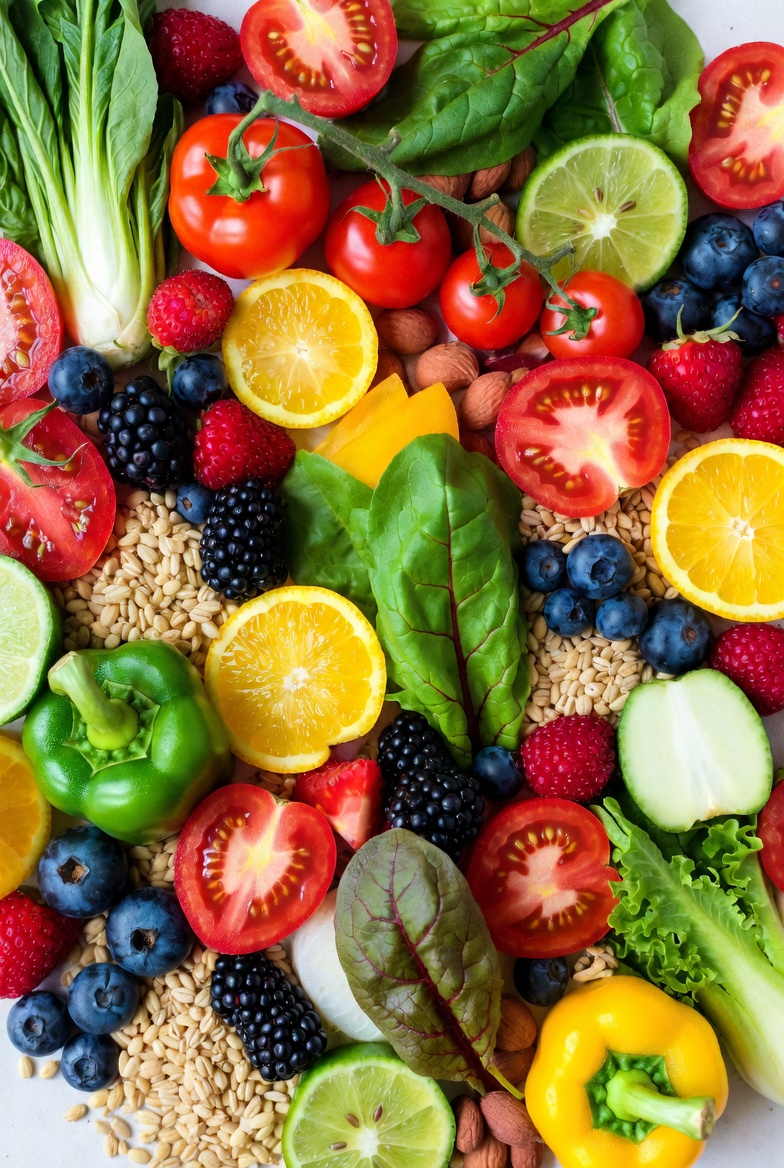
 dieta-che-è-meglio-hero.jpg” alt=”AI Nutrition vs dieta DASH: qual è la migliore? - AINutria” />
Copiare
<h1>AI Nutrition vs DASH Diet: Which Is Better?</h1>
<p>The Dietary Approaches to Stop Hypertension (DASH) diet has served as an evidence-based dietary pattern for blood pressure management since its introduction in landmark randomized controlled trials nearly three decades ago. In contrast, AI nutrition leverages machine learning algorithms, continuous glucose monitoring, microbiome profiling, genetic data, and lifestyle inputs to generate highly individualized dietary recommendations. As chronic conditions such as hypertension and cardiometabolic disease continue to impose substantial global health burdens, clinicians and researchers increasingly evaluate whether standardized patterns like DASH or dynamic, data-driven AI approaches deliver superior outcomes in efficacy, adherence, and long-term sustainability. This article synthesizes clinical trial data, meta-analyses, and emerging AI intervention studies to provide a rigorous comparison across key domains.</p>
<h2>What Is the DASH Diet?</h2>
<h3>Core Principles and Guidelines</h3>
<p>The DASH diet emphasizes consumption of fruits, vegetables, whole grains, low-fat dairy products, poultry, fish, nuts, and seeds while limiting red meat, sweets, and sodium. Typical daily targets include 4 - 5 servings each of fruits and vegetables, 6 - 8 servings of grains (mostly whole), 2 - 3 servings of low-fat dairy, and sodium intake capped at 2,300 mg, with an ideal of 1,500 mg for greater blood pressure benefit. The pattern is nutrient-dense, providing high levels of potassium (approximately 4,700 mg/day), magnesium, calcium, and fiber while restricting saturated fat to less than 7% of total energy and cholesterol to less than 150 mg/day. Unlike many fad diets, DASH was explicitly designed and tested as a complete eating plan rather than a caloric restriction strategy, although it produces modest weight loss when energy intake is controlled.</p>
<h3>Clinical Evidence for Hypertension and Cardiovascular Disease</h3>
<p>The original DASH trial (Appel et al., 1997) randomized 459 adults with prehypertension or stage 1 hypertension to a control diet, a fruits-and-vegetables diet, or the DASH combination diet for 8 weeks. The DASH pattern reduced systolic blood pressure (SBP) by 5.5 mm Hg and diastolic blood pressure (DBP) by 3.0 mm Hg compared with control (P < 0.001). Among the 133 participants with hypertension, reductions reached 11.4 mm Hg SBP and 5.5 mm Hg DBP. Subsequent DASH-Sodium trial results (Sacks et al., 2001) demonstrated additive effects when DASH was combined with sodium reduction: the low-sodium DASH pattern lowered SBP by 11.5 mm Hg in hypertensive participants and 7.1 mm Hg in normotensives relative to a high-sodium control diet. A 2021 meta-analysis of 54 randomized controlled trials confirmed consistent benefits, reporting mean reductions of 3.94 mm Hg SBP and 2.44 mm Hg DBP, alongside decreases in body weight (−1.59 kg), body mass index (−0.64 kg/m²), total cholesterol (−5.12 mg/dL), and LDL cholesterol (−3.53 mg/dL) (Lari et al., 2021). Longer-term observational data further link higher DASH adherence to reduced cardiovascular disease incidence, with hazard ratios as low as 0.60 in the highest versus lowest adherence quintiles among women (Kim et al., 2026).</p>
<h2>The Emergence of AI-Driven Nutrition</h2>
<h3>Mechanisms of Personalization</h3>
<p>AI nutrition platforms integrate multimodal data - including continuous glucose monitoring, postprandial triglyceride responses, gut microbiome composition, genetic variants, physical activity metrics, and self-reported preferences - to predict individual metabolic responses and generate tailored meal plans in real time. Advanced systems employ reinforcement learning and deep neural networks to optimize macronutrient ratios, meal timing, and food selections dynamically. Unlike static guidelines, these models update recommendations based on user feedback loops, wearable sensor data, and laboratory biomarkers, enabling precision adjustments that account for inter-individual variability in glycemic and lipid responses to identical foods.</p>
<h3>Key Studies on Efficacy</h3>
<p>The Food4Me study (Celis-Morales et al., 2017), the largest internet-delivered personalized nutrition randomized controlled trial to date, randomized 1,269 European adults to conventional advice or personalized nutrition based on diet alone, diet plus phenotype, or diet plus phenotype and genotype. After 6 months, personalized groups showed significantly greater improvements in Healthy Eating Index scores (1.27 points higher, P = 0.010), reduced red meat (−5.48 g/day), saturated fat (−1.14% of energy), and salt (−0.65 g/day) intakes compared with controls. The ZOE METHOD trial (Bermingham et al., 2024), an 18-week parallel-group randomized controlled trial, compared a personalized dietary program (incorporating glucose, triglycerides, microbiome, and health history) against general advice. The personalized arm produced clinically meaningful improvements in cardiometabolic markers, including greater reductions in LDL cholesterol and HbA1c, and favorable shifts in microbiome composition relative to controls. Additional AI-assisted applications have demonstrated 32% higher adherence rates to nutrition plans and statistically significant reductions in gastrointestinal symptom severity (up to 39% in irritable bowel syndrome cohorts) when compared with non-personalized interventions (Agrawal et al., 2025; Wang et al., 2025).</p>
<h2>Comparative Effectiveness on Health Outcomes</h2>
<h3>Blood Pressure Management</h3>
<p>DASH remains the dietary pattern with the most robust evidence base for blood pressure reduction. Meta-analyses consistently report SBP decreases of 3 - 11 mm Hg depending on baseline hypertension status and sodium restriction (Filippou et al., 2020; Onwuzo et al., 2023). Direct comparisons with AI approaches are limited, but available data suggest that personalized nutrition can achieve comparable or modestly superior short-term blood pressure improvements when algorithms explicitly incorporate DASH-like principles. For instance, AI-generated plans aligned with low-sodium, high-potassium targets have shown promise, yet one evaluation of large-language-model outputs revealed inconsistent adherence to DASH sodium thresholds (median 4,965 mg/day in some ChatGPT-generated hypertension plans) (Kenger et al., 2025). When personalized education augments DASH implementation - such as grocery-store-based AI-assisted counseling - adherence scores increase by an additional 4.7 points over standard care, translating to clinically relevant blood pressure lowering (Shimwell, 2022).</p>
<h3>Metabolic Health and Weight Management</h3>
<p>Both approaches improve metabolic parameters, but through different mechanisms. DASH reliably reduces body weight (−1.59 kg), triglycerides, and LDL cholesterol in controlled settings (Lari et al., 2021). AI nutrition, by contrast, targets postprandial responses and microbiome modulation, yielding greater individual-level variability in outcomes. In the ZOE METHOD trial, personalized participants exhibited superior improvements in HbA1c and LDL cholesterol compared with generic advice groups (Bermingham et al., 2024). Systematic reviews of AI interventions report additional benefits including 72.7% diabetes remission rates in select cohorts and enhanced liver function markers, outcomes not consistently replicated with DASH alone (Wang et al., 2025). However, DASH’s effects are more predictable across populations, whereas AI performance depends on data quality and user engagement with monitoring devices.</p>
<h2>Adherence, Accessibility, and Sustainability</h2>
<h3>Challenges of Traditional Dietary Patterns</h3>
<p>Long-term adherence to DASH remains suboptimal. Population surveys indicate that only 6.5 - 8.7% of adults with hypertension achieve full DASH concordance, with rates declining over the past decade (abstract data, 2025). Barriers include perceived complexity of serving sizes, higher food costs for fresh produce and low-fat dairy, limited culinary skills, and lack of ongoing support. Observational cohorts demonstrate that even partial adherence confers cardiovascular protection, yet sustained behavior change beyond 6 - 12 months is rare without intensive counseling (Maddock et al., 2018; Song et al., 2023).</p>
<h3>Advantages of AI-Driven Personalization</h3>
<p>AI platforms address adherence barriers through real-time feedback, automated meal planning, image-based food logging with <15% macronutrient estimation error, and gamified engagement features. Food4Me and ZOE trials documented significantly higher dietary behavior change scores and sustained improvements at 6 - 18 months relative to conventional advice (Celis-Morales et al., 2017; Bermingham et al., 2024). Mobile applications using computer vision for food recognition achieve 86% classification accuracy, reducing self-report burden and enabling scalable personalization at lower cost than repeated dietitian visits (Agrawal et al., 2025). Nevertheless, digital literacy requirements and reliance on wearable sensors may limit accessibility for older adults or low-income populations.</p>
<h2>Limitations, Risks, and Implementation Considerations</h2>
<h3>Evidence Gaps and Potential Risks</h3>
<p>DASH benefits are supported by decades of randomized controlled trial data with clear dose-response relationships to sodium and clinical endpoints. AI nutrition evidence, while promising, derives primarily from shorter-term trials (6 - 18 months) with heterogeneous platforms and smaller sample sizes. Concerns include algorithmic bias in training datasets, potential for inaccurate nutrient estimations in early-generation image-recognition tools, and over-reliance on proprietary models lacking transparency. One analysis found ChatGPT-generated hypertension plans exhibited low concordance with established DASH and Mediterranean frameworks (Kenger et al., 2025). Safety risks remain low but include rare reports of fatigue or gastrointestinal upset during rapid personalization adjustments.</p>
<h3>Cost, Equity, and Practical Integration</h3>
<p>DASH implementation is low-cost once learned, requiring only grocery access and basic education. AI solutions often involve subscription fees for apps and sensors, potentially exacerbating health inequities. Hybrid models - integrating DASH principles into AI algorithms with clinician oversight - offer a pragmatic path forward. Registered dietitians can leverage AI outputs for personalized counseling, combining evidence-based structure with individual tailoring.</p>
<h2>Conclusion</h2>
<p>The DASH diet retains strong evidentiary support as a clinically proven, population-level intervention for blood pressure reduction and cardiometabolic risk mitigation, with well-documented reductions of 5 - 11 mm Hg SBP in controlled trials. AI nutrition, by harnessing individual biological variability, demonstrates potential for superior adherence, greater dietary behavior change, and enhanced personalized metabolic outcomes in contemporary randomized trials. Neither approach is universally superior; DASH provides a reliable foundation that AI systems can optimize through real-time adaptation. For most patients with hypertension or cardiometabolic risk, a hybrid strategy - grounded in DASH principles yet refined by AI-driven personalization - likely maximizes both efficacy and sustainability. Future research must prioritize long-term head-to-head trials, diverse populations, and transparent algorithmic validation to determine optimal integration strategies in clinical practice.</p>
<h2>References</h2>
<ul>
<li>Agrawal K, et al. (2025). Artificial intelligence in personalized nutrition and food recommendation systems. <em>Frontiers in Nutrition</em>.</li>
<li>Appel LJ, et al. (1997). A clinical trial of the effects of dietary patterns on blood pressure. <em>New England Journal of Medicine</em>, 336:1117-1124.</li>
<li>Bermingham KM, et al. (2024). Effects of a personalized nutrition program on cardiometabolic health: a randomized controlled trial. <em>Nature Medicine</em>, 30:1888-1897.</li>
<li>Celis-Morales C, et al. (2017). Effect of personalized nutrition on health-related behaviour change: evidence from the Food4Me European randomized controlled trial. <em>International Journal of Epidemiology</em>, 46:578-588.</li>
<li>Filippou CD, et al. (2020). Dietary Approaches to Stop Hypertension (DASH) diet and blood pressure reduction: systematic review and meta-analysis. <em>Hypertension</em>.</li>
<li>Kenger EB, et al. (2025). Artificial intelligence-generated diet plans for hypertension and dyslipidaemia: adherence to DASH and Mediterranean diet models. <em>PMC</em>.</li>
<li>Kim SH, et al. (2026). Adherence to the Dietary Approaches to Stop Hypertension score and cardiovascular disease risk in Korean adults. <em>American Journal of Clinical Nutrition</em>.</li>
<li>Lari A, et al. (2021). Effects of the Dietary Approaches to Stop Hypertension (DASH) diet on cardiovascular risk factors: a systematic review and meta-analysis. <em>Nutrition, Metabolism and Cardiovascular Diseases</em>.</li>
<li>Maddock J, et al. (2018). Adherence to a Dietary Approaches to Stop Hypertension (DASH)-type diet over the life course and associated vascular function. <em>British Journal of Nutrition</em>.</li>
<li>Onwuzo C, et al. (2023). DASH Diet: A Review of Its Scientifically Proven Hypertension Benefits. <em>PMC</em>.</li>
<li>Sacks FM, et al. (2001). Effects on blood pressure of reduced dietary sodium and the Dietary Approaches to Stop Hypertension (DASH) diet. <em>New England Journal of Medicine</em>, 344:3-10.</li>
<li>Shimwell C. (2022). Personalized Meal Plans as An Intervention to Enhance DASH Diet Adherence. Yale University Thesis.</li>
<li>Song Y, et al. (2023). Mid-life adherence to the Dietary Approaches to Stop Hypertension (DASH) diet and subjective cognitive function. <em>PMC</em>.</li>
<li>Wang X, et al. (2025). Artificial Intelligence Applications to Personalized Dietary Interventions: A Systematic Review. <em>PMC</em>.</li>
</ul>Domande frequenti
Chi dovrebbe prendere in considerazione la dieta DASH?
La dieta DASH (Dietary Approaches to Stop Hypertension) è consigliata principalmente a coloro che desiderano abbassare o prevenire l’ipertensione. È anche benefico per la salute generale del cuore, per la riduzione del colesterolo e per la gestione del peso grazie alla sua enfasi sugli alimenti integrali e alla riduzione del sodio.
Chi trarrebbe maggior beneficio da un approccio AI Nutrition?
AI Nutrition è l’ideale per le persone che cercano consigli dietetici altamente personalizzati basati sui loro dati biometrici, obiettivi di salute e stile di vita unici. Può essere particolarmente utile per ottimizzare le prestazioni, gestire esigenze dietetiche specifiche o per coloro che apprezzano gli approfondimenti basati sui dati.
Esistono problemi o rischi per la sicurezza associati ai programmi AI Nutrition?
Sebbene promettenti, i programmi di AI Nutrition comportano rischi potenziali come problemi di privacy dei dati, la possibilità di raccomandazioni imprecise senza la supervisione umana o la promozione di modelli alimentari eccessivamente restrittivi. È fondamentale garantire che l’intelligenza artificiale sia convalidata e consultare un operatore sanitario.
Quale approccio, AI Nutrition o DASH, è più efficace per la gestione del peso a lungo termine?
La dieta DASH, concentrandosi sugli alimenti integrali e non trasformati e sul controllo delle porzioni, ha dimostrato l’efficacia per la perdita e il mantenimento del peso sostenibile. AI Nutrition *potrebbe* essere altamente efficace personalizzando gli obiettivi di calorie e macronutrienti, ma la sua efficacia a lungo termine dipende dalla qualità dell’algoritmo e dall’adesione dell’utente ai piani personalizzati.
AI Nutrition può essere utilizzato come alternativa alla consultazione di un dietista registrato?
AI Nutrition può fornire preziose informazioni basate sui dati e suggerimenti personalizzati sui pasti, ma generalmente dovrebbe integrare, e non sostituire, l’esperienza di un dietista registrato. Un dietista offre una comprensione articolata, supporto emotivo e può affrontare condizioni di salute complesse o disturbi alimentari che l’intelligenza artificiale non riesce a comprendere appieno.
Leave a Reply