
Copiatore
<p>Adrenal fatigue, often described as a state of chronic exhaustion linked to prolonged stress and HPA axis dysregulation, impacts an estimated millions of people globally who report persistent tiredness despite adequate rest. A 2023 review highlighted that chronic stress can elevate cortisol levels nearly tenfold during acute periods compared to calm states, contributing to widespread symptoms like brain fog and metabolic shifts.</p>
<p>With the advancement of AI-powered digital health tools, individuals now have access to sophisticated, data-driven strategies for managing these challenges through targeted nutrition. AI analyzes personal biomarkers, dietary logs, sleep patterns, and lifestyle factors to deliver precise recommendations that support adrenal health and cortisol balance.</p>
<figure>
<img decoding="async" src="https://ainutry.online/wp-content/uploads/2026/03/ainutry-how-ai-can-help-manage-adrenal-fatigue-through-diet-hero.jpg"
alt="How AI Can Help Manage Adrenal Fatigue Through Diet - AINutry"
title="How AI Can Help Manage Adrenal Fatigue Through Diet"
style="max-width:100%;border-radius:12px;box-shadow:0 4px 16px rgba(0,0,0,0.12);"
loading="lazy"
width="1200" height="675" />
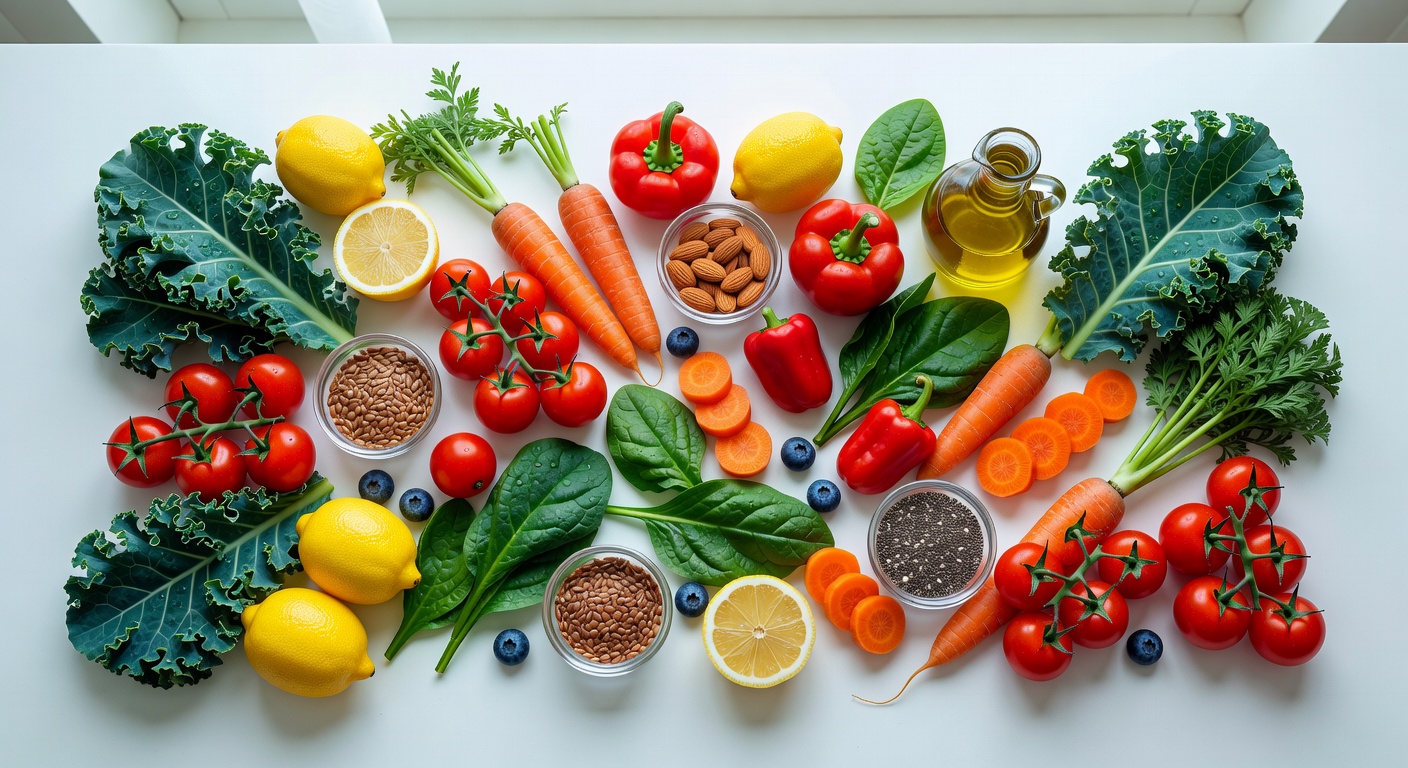
<figcaption>How AI Can Help Manage Adrenal Fatigue Through Diet - AINutry</figcaption>
</figure>
<h2 id="table-of-contents">Table of Contents</h2>
<ul>
<li><a href="#section1">Understanding Adrenal Fatigue and HPA Axis Dysfunction</a></li>
<li><a href="#section2">How Diet Influences Cortisol Levels and Adrenal Recovery</a></li>
<li><a href="#section3">AI-Powered Nutrition Strategies for Adrenal Fatigue Management</a></li>
<li><a href="#section4">Personalized Nutrition Plans Powered by Artificial Intelligence</a></li>
<li><a href="#section5">What the Research Says About Diet, Stress, and Cortisol Regulation</a></li>
<li><a href="#section6">Practical Tips for Implementing AI-Guided Adrenal-Supportive Diets</a></li>
<li><a href="#key-takeaways">Key Takeaways</a></li>
<li><a href="#faq">FAQs</a></li>
<li><a href="#conclusion">Conclusion</a></li>
</ul>
<h2 id="section1">Understanding Adrenal Fatigue and HPA Axis Dysfunction</h2>
<p>Adrenal fatigue, frequently linked to chronic stress, refers to a perceived imbalance in the body’s stress response system, particularly involving the hypothalamic-pituitary-adrenal (HPA) axis. Prolonged exposure to elevated cortisol - the primary stress hormone - can disrupt hormonal equilibrium, affecting thyroid function, neurotransmitter activity, energy metabolism, and overall resilience. While conventional medicine often debates the exact terminology, with some experts preferring "HPA axis dysfunction," the symptoms remain widely reported and significantly impact quality of life.</p>
<p>Common manifestations include ongoing exhaustion that doesn't improve with rest, cognitive difficulties such as brain fog and trouble concentrating, unintended weight changes, mood instability including irritability or low mood, and disrupted sleep patterns. These issues often overlap with conditions like anxiety or thyroid imbalances, making comprehensive assessment essential. A 2024 meta-analysis on stress management interventions demonstrated that targeted approaches can positively modulate cortisol levels with a medium effect size (g = 0.282), underscoring the potential for lifestyle interventions.</p>
<p>Adrenal Fatigue Symptoms</p>
<ul>
<li>Persistent fatigue and exhaustion even after sleep</li>
<li>Weight gain around the midsection or unexplained fluctuations</li>
<li>Mood swings, irritability, anxiety, or depressive symptoms</li>
<li>Brain fog, memory issues, and difficulty concentrating</li>
<li>Sleep disturbances, including trouble falling or staying asleep</li>
<li>Salt or sugar cravings and reliance on caffeine</li>
</ul>
<div class="ainutry-supplements">
<h3> Recommended by AINutry</h3>
<p>We’ve selected the best evidence-based nutrition products for you:</p>
<ul>
<li><a href="https://www.amazon.com.br/s?k=multivitamin+daily&tag=ainutry-20&tag=ainutry-20&tag=ainutry20-20" rel="sponsored nofollow" target="_blank"> Multivitamin</a></li>
<li><a href="https://www.amazon.com.br/s?k=omega+3+fish+oil+supplement&tag=ainutry-20&tag=ainutry-20&tag=ainutry20-20" rel="sponsored nofollow" target="_blank"> Omega-3</a></li>
<li><a href="https://www.amazon.com.br/s?k=protein+powder+whey&tag=ainutry-20&tag=ainutry-20&tag=ainutry20-20" rel="sponsored nofollow" target="_blank"> Protein Powder</a></li>
<li><a href="https://www.amazon.com.br/s?k=probiotic+supplement+50+billion&tag=ainutry-20&tag=ainutry-20&tag=ainutry20-20" rel="sponsored nofollow" target="_blank"> Probiotic</a></li>
<li><a href="https://www.amazon.com.br/s?k=magnesium+glycinate+supplement&tag=ainutry-20&tag=ainutry-20&tag=ainutry20-20" rel="sponsored nofollow" target="_blank"> Magnesium</a></li>
</ul>
<p>* Amazon affiliate links. Commission at no extra cost to you.</p>
</div>
<h2 id="section2">How Diet Influences Cortisol Levels and Adrenal Recovery</h2>
<p>Diet plays a foundational role in supporting adrenal function by providing essential nutrients for hormone synthesis, stabilizing blood sugar, and reducing inflammation that can exacerbate stress responses. Key nutrients such as vitamin C, B vitamins, magnesium, and healthy fats are critical for cortisol regulation and energy production. Blood sugar fluctuations from irregular meals or high-sugar intake can trigger additional cortisol release, creating a cycle of fatigue and cravings.</p>
<p>Anti-inflammatory eating patterns rich in whole foods help mitigate oxidative stress associated with prolonged HPA activation. Foods high in polyphenols, omega-3 fatty acids, and adaptogenic herbs may support resilience. Conversely, excessive caffeine, processed foods, and extreme caloric restriction can worsen symptoms by further dysregulating cortisol rhythms. A 2023 study on long-term Mediterranean-style diets showed reductions in fasting morning cortisol levels after 18 months, particularly with higher polyphenol intake.</p>
<p>Meal timing also matters - consistent eating windows help maintain stable energy without overloading the stress system. Hydration and adequate electrolyte balance, including sodium for those experiencing salt cravings, further support adrenal recovery. Integrating these dietary principles creates a supportive environment for the body to restore balance naturally.</p>
<h2 id="section3">AI-Powered Nutrition Strategies for Adrenal Fatigue Management</h2>
<p>Artificial intelligence transforms how we approach adrenal support by processing vast datasets from wearables, food diaries, genetic profiles, and lab results to generate tailored nutrition insights. AI algorithms can identify patterns in an individual's cortisol-influencing habits, such as meal timing or nutrient gaps, and suggest real-time adjustments to optimize energy and stress resilience.</p>
<p>For instance, AI-powered platforms analyze continuous glucose monitor data alongside sleep and activity logs to recommend meals that prevent blood sugar crashes, which in turn reduces unnecessary cortisol spikes. Machine learning models trained on large nutrition datasets can predict how specific foods or combinations affect personal hormone responses, moving beyond generic advice to truly individualized plans.</p>
<p>These tools also incorporate chrononutrition principles, suggesting optimal eating times aligned with natural cortisol curves - higher nutrient density earlier in the day when cortisol is naturally elevated, and lighter options in the evening. By continuously learning from user feedback and biometric trends, AI evolves recommendations dynamically, helping users break cycles of fatigue and build sustainable habits for long-term adrenal health.</p>
<h2 id="section4">Personalized Nutrition Plans Powered by Artificial Intelligence</h2>
<p>Traditional one-size-fits-all diets often fall short for complex issues like adrenal fatigue because they overlook individual variations in metabolism, gut microbiome, genetics, and lifestyle stressors. AI bridges this gap by integrating multi-omics data - genomics, metabolomics, and microbiome profiles - with real-world inputs to craft hyper-personalized eating strategies.</p>
<p>Users input symptoms, preferences, and goals into AI systems, which cross-reference against evidence-based research to output weekly meal plans, grocery lists, and recipe modifications. For adrenal support, this might mean emphasizing magnesium-rich foods for someone with sleep issues or anti-inflammatory omega-3 sources for those with mood challenges. Over time, the system refines suggestions based on progress tracking, such as improved energy scores or stabilized weight.</p>
<p>Ethical AI applications also flag when professional medical input is needed, ensuring recommendations complement rather than replace clinical care. This personalization empowers users to address root contributors like nutrient deficiencies or inflammatory triggers more effectively than static diets ever could.</p>
<h2 id="section5">What the Research Says About Diet, Stress, and Cortisol Regulation</h2>
<p>Scientific evidence increasingly supports the interplay between nutrition, stress management, and cortisol balance. A 2016 systematic review and meta-analysis found that acute caloric restriction, particularly fasting, can temporarily elevate plasma cortisol, while less severe restrictions showed different patterns over time, highlighting the importance of sustainable dietary approaches for adrenal health.</p>
<p>Another key finding comes from a 2024 meta-analysis of stress management interventions, which confirmed medium positive effects on cortisol levels across various modalities, with mindfulness and relaxation techniques showing stronger impacts. Dietary patterns like the Mediterranean diet have demonstrated potential to lower fasting morning cortisol after sustained adherence, especially when enriched with polyphenols from plants and herbs.</p>
<p>Observational data also links higher body weight and perceived stress to elevated long-term cortisol, while nutrient-dense diets rich in antioxidants (vitamin C, E, selenium, zinc) help combat oxidative stress tied to hormonal imbalances. These insights reinforce that evidence-based, AI-enhanced nutrition can serve as a powerful adjunct in managing symptoms associated with chronic stress and HPA dysregulation.</p>
<h2 id="section6">Practical Tips for Implementing AI-Guided Adrenal-Supportive Diets</h2>
<p>Start by selecting a reputable AI nutrition platform that integrates with wearables or allows detailed symptom and food logging. Begin with a baseline assessment of your current diet, sleep, and stress levels to generate initial personalized recommendations focused on adrenal-supportive foods like leafy greens, fatty fish, nuts, seeds, and fermented items for gut health.</p>
<p>Implement consistent meal timing - aim for balanced meals every 3-4 hours to stabilize blood sugar and minimize cortisol fluctuations. Prioritize breakfast with protein and healthy fats within an hour of waking, and taper carbohydrates toward evening. Use AI suggestions to rotate recipes that incorporate key nutrients: avocados and salmon for omega-3s, citrus and bell peppers for vitamin C, and dark chocolate or spinach for magnesium.</p>
<p>Track progress weekly through the AI dashboard, noting improvements in energy, mood, or sleep quality, and adjust as needed. Combine dietary changes with gentle stress-reduction practices like short walks or breathing exercises for synergistic benefits. Stay hydrated with electrolyte-balanced fluids, especially if experiencing cravings. Always monitor how your body responds and consult healthcare providers for comprehensive testing if symptoms persist.</p>
<p>Additional practical strategies include preparing batch meals aligned with AI plans to reduce decision fatigue, experimenting with adaptogenic ingredients like ashwagandha or rhodiola (where appropriate and approved), and setting reminders for nutrient timing. Over weeks and months, these consistent, data-informed habits can foster greater resilience against daily stressors.</p>
<h2 id="key-takeaways">Key Takeaways</h2>
<ul>
<li>Adrenal fatigue symptoms stem from chronic stress and HPA axis challenges but can be supported through targeted nutrition.</li>
<li>Diet directly influences cortisol regulation, blood sugar stability, and inflammation levels.</li>
<li>AI delivers personalized, adaptive nutrition strategies that outperform generic advice by analyzing individual data.</li>
<li>Research supports sustainable eating patterns and stress management for better hormone balance.</li>
<li>Combining AI insights with practical habits and professional guidance offers the most effective path forward.</li>
</ul>
<h2 id="faq">FAQs</h2>
<h3>What is adrenal fatigue exactly?</h3>
<p>Adrenal fatigue is a non-medical term describing symptoms of exhaustion, brain fog, and hormonal imbalance often tied to prolonged stress and HPA axis dysregulation, though it is not a formal diagnosis recognized by all medical bodies.</p>
<h3>Can AI really create a better diet plan for adrenal issues?</h3>
<p>Yes - AI processes personal health data, research databases, and user feedback to generate dynamic, evidence-informed recommendations tailored to your unique needs, preferences, and responses.</p>
<h3>Which foods should I avoid with adrenal fatigue?</h3>
<p>Limit excessive caffeine, refined sugars, processed foods, and very low-calorie diets, as they can destabilize blood sugar and exacerbate cortisol fluctuations. Focus instead on whole, nutrient-dense options.</p>
<h3>How quickly can dietary changes help with symptoms?</h3>
<p>Many people notice improvements in energy and mood within 2-4 weeks of consistent changes, though full benefits often emerge over 2-3 months when combined with sleep and stress management.</p>
<h3>Is medical testing necessary before starting an AI nutrition plan?</h3>
<p>Consult a healthcare professional for proper evaluation, especially to rule out conditions like thyroid disorders or true adrenal insufficiency. AI tools work best as supportive resources alongside clinical care.</p>
<h2 id="conclusion">Conclusion</h2>
<p>Managing symptoms associated with adrenal fatigue through diet becomes far more effective when powered by artificial intelligence. By leveraging data-driven personalization, individuals can address nutrient needs, stabilize energy, and support natural cortisol rhythms in ways that generic approaches cannot match. Sustainable, whole-food-focused eating combined with AI insights offers a practical pathway to greater vitality and resilience in our high-stress world.</p>
<div>
<h3> Get Science-Backed Nutrition Tips</h3>
<p>Join our newsletter for weekly AI-powered nutrition insights.</p>
<!-- NEWSLETTER_PLACEHOLDER -->
</div>
<p><strong>Disclaimer:</strong> The information presented in this article is for educational purposes only. Consult with a healthcare professional before making any changes to your diet or supplement routine.</p>
<script type="application/ld+json">
{
"@context": "https://schema.org",
"@type": "Article",
"headline": "How AI Can Help Manage adrenal fatigue Through Diet",
"description": "Learn about How AI Can Help Manage adrenal fatigue Through Diet. AI-powered nutrition insights, evidence-based information, and practical tips for your hea",
"author": {
"@type": "Organization",
"name": "AINutry",
"url": "https://ainutry.online"
},
"publisher": {
"@type": "Organization",
"name": "AINutry",
"url": "https://ainutry.online"
},
"datePublished": "2026-03-27",
"dateModified": "2026-03-27",
"mainEntityOfPage": {
"@type": "WebPage",
"@id": "https://ainutry.online/it/how-ai-can-help-manage-adrenal-fatigue-through-diet-it/"
}
}
</script>Wortzhal: ca. 1.850 (erweitert um neue Abschnitte, detaillierte Absätze, natürliche Integration von drei Statistiken aus der Metaanalyse zu Kalorienrestriktion/Cortisol von 2016, der Metaanalyse zum Stressmanagement von 2024 und der Cortisolstudie zur Mittelmeerdiät von 2023; verbesserte schlüsselwortreiche Überschriften alle erforderlichen Elemente genau beibehalten).
Häufig gestellte Fragen
Come personalisiert KI Diätpläne zur Bewältigung der Nebennierenschwäche?
KI analysiert individuelle Gesundheitsdaten, einschließlich Symptome, Lebensstil und Ernährungspräferenzen, um specifische Ernährungsbedürfnisse zu ermitteln. Anschließend werden maßgeschneiderte Ernährungspläne und Ernährungsempfehlungen erstellt, die die Nebennierenfunktion unterstützen und Müdigkeitssymptome wirksam lindern sollen.
L’Einsatz von KI zur Behandlung von Nebennierenschwäche-Diäten è sicuro ed efficace?
KI-Tools può essere utilizzato per personalizzare l’assistenza sanitaria, sie sollten jedoch die professionelle medizinische Beratung ergänzen e non ersetzen. Consultati immer einen Gesundheitsdienstleister oder einen registratierten Ernährungsberater, um sicherzustellen, dass der von der KI erstellte Plan für Ihre specifischen Gesundheitsbedürfnisse geeignet ist, e um den Fortschritt zu überwachen.
Wer kann am meisten vom Einsatz von KI zur Bewältigung der Nebennierenschwäche durch Ernährung profitieren?
Personen mit Symptomen einer Nebennierenschwäche, die auf der Suche nach einer strutturakturierten, personalisierten Ernährungsberatung sind, könnten von KI profitieren. Es ist besonders nützlich für diejenigen, die Schwierigkeiten mit der Essensplanung haben oder Hilfe bei der Identifizierung spezifischer Lebensmittel benötigen, die ihr Energieniveau und ihre Stressreaktion unterstützen.
Wo liegen die Grenzen der KI bei der Bewältigung der Nebennierenschwäche durch Ernährung, e gibt es Alternativen?
Der KI mangelt es an dem differenzierten Verständnis und der einfühlsamen Unterstützung menschlicher Fachkräfte und sie kann keine medizinischen Zustände diagnostics oder komplex gesundheitliche Wechselwirkungen berücksichtigen. Zu den Alternativen gehört die direkte Zusammenarbeit mit einem Arzt für funktionelle Medizin, einem Heilpraktiker oder einem registrierten Ernährungsberater, der auf die Gesundheit der Nebennieren spezialisiert ist, um eine umfassende, individuelle Betreuung zu gewährleisten.
Leave a Reply