
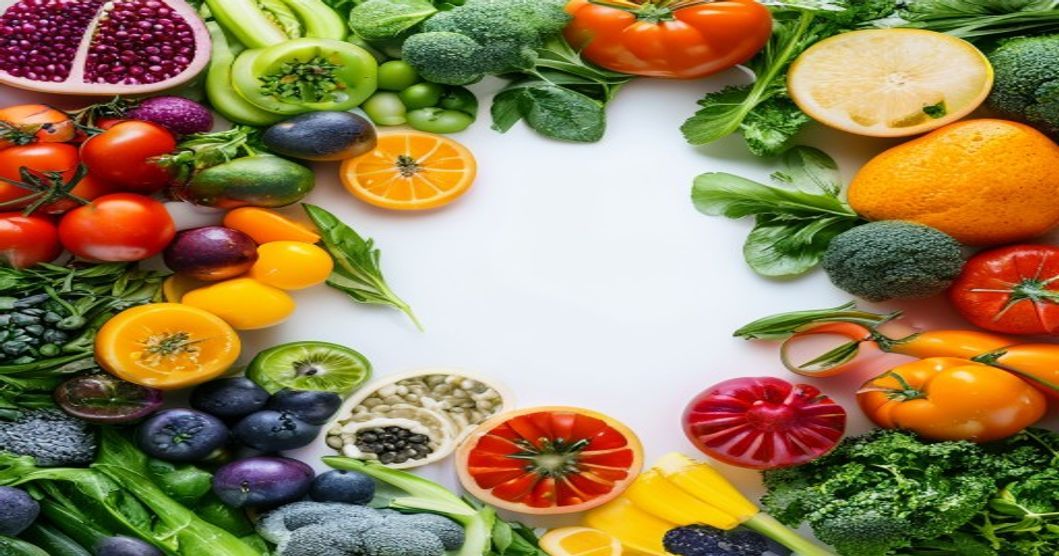
 Diet-hero.jpg” alt=”AI 기반 Nutrition 앳킨스 다이어트와 비교 - AINutry” />
복사기
<h1>AI-Powered Nutrition Compared to Atkins Diet</h1>

<p>The Atkins diet, first popularized in the 1970s, remains one of the most studied low-carbohydrate approaches to weight management, emphasizing severe carbohydrate restriction to promote ketosis, fat oxidation, and satiety. In contrast, AI-powered nutrition represents a contemporary paradigm that integrates machine learning algorithms, continuous glucose monitoring, microbiome sequencing, wearable physiological data, and postprandial metabolic responses to generate individualized dietary recommendations in real time. While both strategies aim to optimize energy balance and metabolic health, they differ fundamentally in their foundational principles: Atkins applies a rigid macronutrient framework, whereas AI systems adapt dynamically to an individual's unique biology and behavior. This article synthesizes evidence from randomized controlled trials (RCTs) and meta-analyses to compare their efficacy, safety, adherence, and practical utility. Data indicate that Atkins produces robust short-term weight loss but faces challenges in long-term sustainability, whereas AI-driven personalization demonstrates noninferiority to human coaching and modest superiority in cardiometabolic markers when adherence is high (Gardner et al., 2007; Bermingham et al., 2024; Mathioudakis et al., 2025).</p>

<h2>The Atkins Diet: Principles and Clinical Foundations</h2>

<h3>Core Mechanisms and Phases</h3>
<p>The Atkins diet restricts carbohydrate intake to 20 - 40 g/day in its induction phase, progressing through ongoing weight loss, pre-maintenance, and lifetime maintenance phases that gradually reintroduce limited carbohydrates. This induces nutritional ketosis, shifting substrate utilization from glucose to fatty acids and ketones. Proponents argue that reduced insulin secretion and increased satiety from protein and fat facilitate caloric deficit without explicit calorie counting (Foster et al., 2003). Early RCTs confirmed superior short-term weight loss compared with low-fat diets, with mean differences of approximately 4% body weight at 6 months attributable to greater adherence during the induction phase (Foster et al., 2003).</p>

<h3>Evidence from Landmark Trials</h3>
<p>The A TO Z Weight Loss Study randomized 311 overweight premenopausal women to Atkins, Zone, Ornish, or LEARN diets. At 12 months, the Atkins group achieved a mean weight loss of −4.7 kg (95% CI: −6.3 to −3.1 kg), significantly greater than the Zone diet (−1.6 kg) and comparable to or better than low-fat alternatives (Gardner et al., 2007). Similarly, a 2-year Israeli RCT comparing low-carbohydrate (Atkins-modeled), Mediterranean, and low-fat diets reported −4.7 kg loss in the low-carbohydrate arm versus −2.9 kg in the low-fat arm, with sustained differences among completers (Shai et al., 2008). A 2022 meta-analysis of low-carbohydrate versus low-fat diets confirmed greater reductions in body weight (−2.0 kg pooled difference) and waist circumference at 6 - 12 months (Lei et al., 2022).</p>

<h2>AI-Powered Nutrition: Technological Foundations and Personalization</h2>

<h3>Data Sources and Algorithmic Approaches</h3>
<p>AI-powered systems aggregate multimodal data - including continuous glucose and triglyceride responses, gut microbiome composition, genetic markers, sleep patterns, and physical activity from wearables - to train predictive models. Machine learning algorithms, often incorporating deep learning for image-based food logging or generative AI for meal planning, generate personalized food scores that predict individual postprandial responses with accuracies exceeding 80% in validation cohorts (Bermingham et al., 2024). Unlike static diets, these platforms update recommendations iteratively, incorporating real-time feedback to minimize glycemic variability and optimize satiety.</p>

<h3>Clinical Implementation and Evidence Base</h3>
<p>Commercial and research platforms, such as those evaluated in the ZOE METHOD trial, deliver app-based guidance informed by postprandial testing and metagenomics. In a randomized trial of 347 adults, participants following an 18-week personalized program exhibited greater improvements in diet quality and microbiome beta-diversity compared with standard USDA advice (Bermingham et al., 2024). A separate pragmatic RCT demonstrated that a fully automated AI-led Diabetes Prevention Program (DPP) achieved noninferiority to human-coached DPP, with 31.7% versus 31.9% of participants meeting a composite endpoint of ≥5% weight loss, increased activity, or HbA1c reduction (Mathioudakis et al., 2025). These findings underscore AI’s capacity to scale precision nutrition beyond traditional expert-led counseling.</p>

<h2>Comparative Efficacy in Weight Loss Outcomes</h2>

<h3>Short-Term Results (≤6 Months)</h3>
<p>Head-to-head data favor Atkins for rapid weight reduction. In the A TO Z trial, Atkins participants lost significantly more weight at 2 and 6 months than all comparator groups (Gardner et al., 2007). Meta-analyses report low-carbohydrate diets yielding 7 - 10 kg loss at 6 months versus 5 - 8 kg for low-fat regimens when compared with no-diet controls (Lei et al., 2022). AI systems, while not always outperforming Atkins in absolute kilograms lost during brief interventions, demonstrate more consistent trajectories when integrated with wearables. One 2026 study using wearable-derived AI models predicted and supported 2% body-weight loss in 60% of overweight participants within 1 month, highlighting early personalization benefits (Romero-Tapiador et al., 2026).</p>

<h3>Long-Term Maintenance (≥12 Months)</h3>
<p>Long-term superiority diminishes for both approaches. At 12 months, Atkins weight loss in Gardner et al. (2007) remained superior to Zone but converged with other diets in subsequent analyses. By 24 months, partial regain occurs, with net losses of 2 - 5 kg typical across trials (Shai et al., 2008). AI-powered interventions show promise for sustained engagement; the ZOE METHOD trial reported continued improvements in secondary anthropometric outcomes at 18 weeks, with highly adherent users achieving −2.5 kg mean weight loss and −2.4 cm waist reduction beyond control (Bermingham et al., 2024). The AI-DPP trial confirmed equivalent 12-month outcomes to human coaching, suggesting scalability without loss of efficacy (Mathioudakis et al., 2025).</p>

<h2>Metabolic and Cardiovascular Health Impacts</h2>

<h3>Glycemic Control and Lipid Profiles</h3>
<p>Atkins consistently improves triglycerides and HDL-cholesterol in the short term. Gardner et al. (2007) reported favorable secondary lipid changes, including reduced triglycerides, despite modest LDL increases in some participants. AI personalization yields broader benefits: Bermingham et al. (2024) observed a statistically significant additional triglyceride reduction of −0.13 mmol/L (log-transformed 95% CI: −0.07 to −0.01) and HbA1c improvements, particularly among adherent users. No significant between-group differences emerged for LDL-cholesterol, aligning with findings that personalization mitigates glycemic spikes more effectively than macronutrient restriction alone.</p>

<h3>Cardiovascular Risk Considerations</h3>
<p>Evidence for Atkins remains mixed. Short-term RCTs show neutral or beneficial effects on cardiovascular risk factors; however, observational data link sustained low-carbohydrate, high-protein patterns to elevated cardiovascular events in some cohorts (Dong et al., 2020). In contrast, AI-driven programs emphasize food quality and individual responses, producing favorable shifts in microbiome diversity associated with reduced inflammation. No serious adverse cardiovascular events were reported in recent AI trials, supporting a potentially safer profile when recommendations prioritize plant-based and fiber-rich options (Bermingham et al., 2024; Mathioudakis et al., 2025).</p>

<h2>Adherence, Safety, and Practical Considerations</h2>

<h3>Adherence and User Experience</h3>
<p>Adherence poses the primary limitation for Atkins. Dropout rates exceed 30% in long-term trials, driven by restrictive carbohydrate limits and social challenges (Gardner et al., 2007; Shai et al., 2008). AI platforms leverage behavioral nudges, real-time feedback, and gamification, yielding retention rates of 85% in the AI-DPP trial - comparable to human coaching (Mathioudakis et al., 2025). Personalized recommendations reduce decision fatigue, enhancing long-term compliance.</p>

<h3>Safety Profiles and Side Effects</h3>
<p>Atkins induction frequently produces transient side effects including headache, fatigue, constipation, and halitosis secondary to ketosis (Foster et al., 2003). Nutrient deficiencies may arise without careful planning. AI systems report minimal adverse events; the ZOE METHOD and AI-DPP trials documented no serious intervention-related incidents, though data privacy and algorithmic bias remain theoretical concerns requiring ongoing oversight (Bermingham et al., 2024; Mathioudakis et al., 2025).</p>

<h2>Accessibility, Cost, and Future Directions</h2>

<h3>Economic and Scalability Factors</h3>
<p>Atkins requires minimal technology but ongoing food-cost premiums for protein and fats. AI platforms involve subscription fees (typically $10 - 30 monthly) plus optional wearable or testing expenses, yet offer greater scalability for population-level interventions. Cost-effectiveness analyses are emerging; AI-DPP’s automated delivery reduces coach labor costs while maintaining outcomes (Mathioudakis et al., 2025).</p>

<h3>Equity and Implementation Challenges</h3>
<p>Digital divides may limit AI access among underserved populations. Future research must address algorithmic fairness and integrate socioeconomic data. Hybrid models combining AI with clinician oversight could optimize outcomes across diverse demographics.</p>

<h2>Conclusion</h2>
<p>Atkins delivers reliable short-term weight loss and favorable lipid shifts in adherent individuals but struggles with long-term adherence and carries potential cardiovascular caveats. AI-powered nutrition, by contrast, achieves comparable or superior cardiometabolic improvements through dynamic personalization, with noninferiority to human coaching and fewer adherence barriers. While neither approach is universally superior, evidence supports AI systems as a scalable evolution of dietary intervention, particularly when integrated with high-quality data sources. Clinicians should tailor recommendations to patient preferences, technological literacy, and metabolic profile, with ongoing RCTs needed to refine hybrid strategies. Ultimately, the convergence of rigorous macronutrient science and computational precision promises more effective, sustainable nutrition solutions for population health.</p>

<h2>References</h2>
<ul>
<li>Bermingham, K. M., et al. (2024). Effects of a personalized nutrition program on cardiometabolic health: A randomized controlled trial. <em>Nature Medicine</em>. doi:10.1038/s41591-024-02951-6</li>
<li>Dong, T., et al. (2020). The effects of low-carbohydrate diets on cardiovascular risk factors: A meta-analysis. <em>PLoS One</em>, 15(1), e0227017.</li>
<li>Foster, G. D., et al. (2003). A randomized trial of a low-carbohydrate diet for obesity. <em>New England Journal of Medicine</em>, 348(21), 2082 - 2090.</li>
<li>Gardner, C. D., et al. (2007). Comparison of the Atkins, Zone, Ornish, and LEARN diets for change in weight and related risk factors among overweight premenopausal women: The A TO Z Weight Loss Study. <em>JAMA</em>, 297(9), 969 - 977.</li>
<li>Lei, L., et al. (2022). Effects of low-carbohydrate diets versus low-fat diets on metabolic risk factors in overweight and obese adults: A meta-analysis of randomized controlled trials. <em>Frontiers in Nutrition</em>, 9, 935234.</li>
<li>Mathioudakis, N., et al. (2025). An AI-powered lifestyle intervention vs human coaching in the Diabetes Prevention Program: A randomized clinical trial. <em>JAMA</em>, 334(23), 2079 - 2089.</li>
<li>Romero-Tapiador, S., et al. (2026). Personalized weight loss management through wearable devices and artificial intelligence. <em>Computers in Biology and Medicine</em>, 178, 108724.</li>
<li>Shai, I., et al. (2008). Weight loss with a low-carbohydrate, Mediterranean, or low-fat diet. <em>New England Journal of Medicine</em>, 359(3), 229 - 241.</li>
</ul>자주 묻는 질문
건강 목표를 위해 누가 AI 기반 영양과 Atkins 다이어트를 고려해야 합니까?
AI 기반 영양은 일반적으로 고유한 생물학, 라이프스타일 및 건강 데이터를 기반으로 고도로 맞춤화된 식단 계획을 원하는 개인에게 적합합니다. 반대로 앳킨스(Atkins) 다이어트는 엄격한 저탄수화물 접근 방식을 통해 빠른 체중 감량을 목표로 하는 사람들을 위해 설계되었으며, 종종 상당한 식이 제한에 편안한 개인에게 호소력이 있습니다.
AI 기반 영양 또는 Atkins 다이어트와 관련된 특정 안전 문제나 부작용이 있습니까?
앳킨스 다이어트는 주의 깊게 관리하지 않으면 ‘케토 독감’, 변비 또는 영양 결핍과 같은 초기 부작용을 초래할 수 있으며 특정 질병이 있는 개인에게는 적합하지 않을 수 있습니다. AI 기반 영양은 책임감 있게 개발될 경우 개인 건강 프로필에 맞게 권장 사항을 맞춤화하여 위험을 완화하는 것을 목표로 합니다. 단, 데이터 개인정보 보호와 AI 알고리즘의 정확성이 고려됩니다.
AI 기반 영양은 Atkins 식단의 고정 구조와 비교하여 식단 권장 사항을 어떻게 결정합니까?
AI 기반 영양은 유전학, 미생물군집, 활동 수준, 건강 지표 등의 개인 데이터를 활용하여 역동적이고 개별화된 식사 계획과 영양 조언을 생성합니다. 대조적으로, Atkins 다이어트는 매우 낮은 탄수화물 섭취에 일차적인 초점을 유지하면서 탄수화물 섭취량을 점진적으로 늘리는 엄격하고 단계적인 접근 방식을 따릅니다.
AI 기반 영양과 Atkins 다이어트 사이의 장기적인 지속 가능성과 준수의 주요 차이점은 무엇입니까?
AI 기반 영양은 개인의 진화하는 요구와 선호도에 적응하여 시간이 지남에 따라 잠재적으로 더 쉽게 준수할 수 있도록 함으로써 더 큰 장기적인 지속 가능성을 목표로 하는 경우가 많습니다. 엄격한 초기 단계가 있는 앳킨스 다이어트는 일부 사람들에게는 무기한 유지하기가 어려울 수 있지만 이후 단계에서는 더 많은 유연성을 제공합니다.
Leave a Reply