
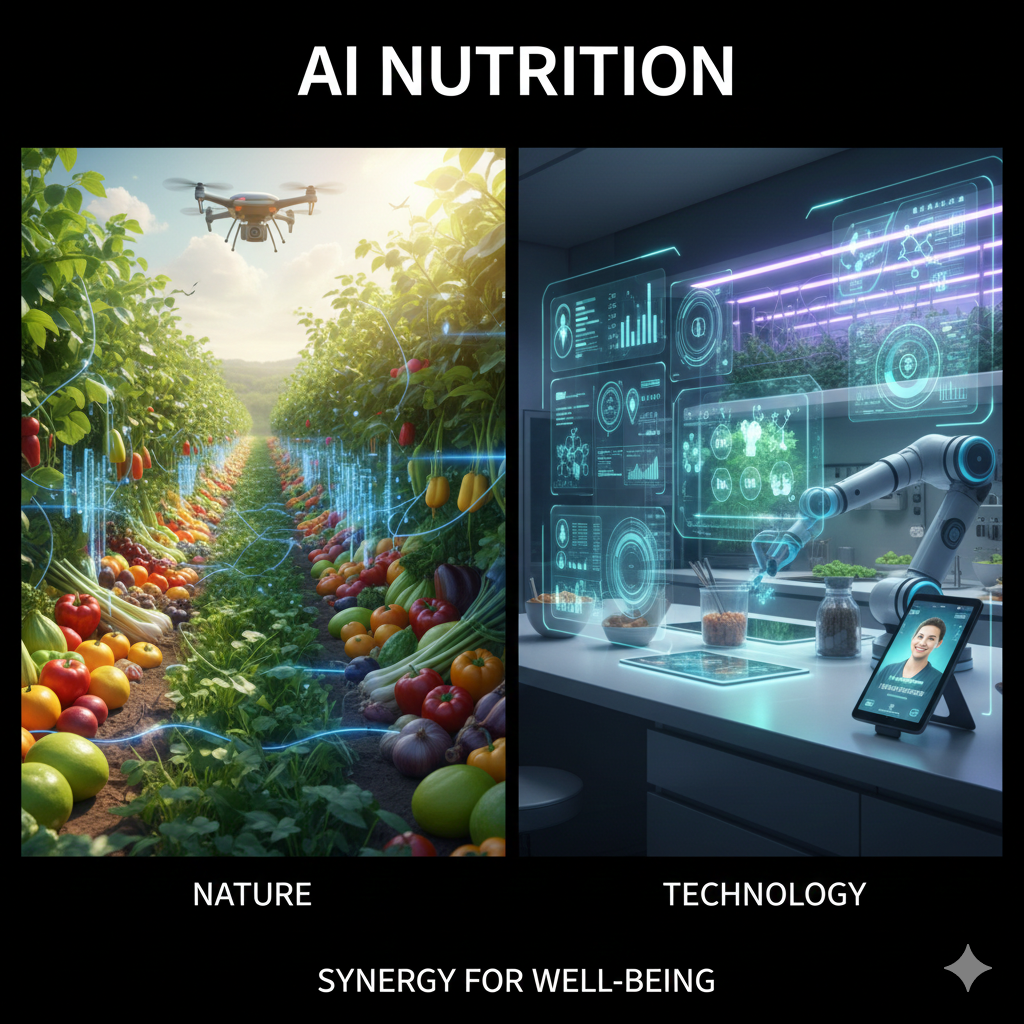
Protein and fiber mini-meals are the 2026 trend backed by emerging research showing that meal composition matters more than restriction. A 2025 meta-analysis found that meals combining 25-35g protein with 8-12g fiber reduce post-meal glucose spikes by up to 30% compared to standard Western meals. This approach prevents blood sugar crashes, reduces inflammation, and keeps you full for hours.
In March 2026, the hottest meal planning trend isn’t another restrictive diet - it’s purposeful protein paired with fiber-forward mini-meals. US News, Kerry Health & Innova Market Insights call it the “synergy shift” after new Dietary Guidelines discourage ultra-processed foods and spotlight whole-food combos for metabolic health.
In this article (11)
- Why Protein + Fiber Mini-Meals Are Exploding in 2026
- The Science Backing This Approach
- Understanding the Synergy of Protein and Fiber
- The Metabolic Benefits Beyond Satiety
- Real People Transforming Their Days
- Practical Tips for Successful Mini-Meal Prep
- 7-Day Anti-Inflammatory Mini-Meal Plan You Can Start Today
- Expanding the Mini-Meal Options for Variety
- Why AINutry Makes Meal Prep Actually Stick
- Ready to Meal-Prep Your Way to Steady Energy?
- Frequently Asked Questions
Why Protein + Fiber Mini-Meals Are Exploding in 2026
Protein slows carb absorption; fiber feeds your gut and stabilizes glucose. Together they prevent blood sugar spikes, reduce inflammation, and keep you full for hours - perfect for busy lives in the US and Brazil. This isn’t a trend born from influencers. It’s backed by emerging nutritional research showing that meal composition matters more than meal restriction.
The Science Backing This Approach
Recent data from Kerry Health & Nutrition Institute and Innova Market Insights shows that combining plant-based protein (legumes, tofu, seeds) with high-fiber foods supports steady blood sugar better than calorie counting alone. A landmark 2025 meta-analysis in Nutrients confirmed that meals combining 25-35g protein with 8-12g fiber reduce post-meal glucose spikes by up to 30% compared to standard Western meals.
Brazil’s flexible plant-based wave - built on feijão (black beans), chia, avocado, and açaí - is perfectly aligned with US emphasis on full-fat dairy, Greek yogurt, and legumes. Together they create a culturally powerful, globally applicable eating strategy.
Understanding the Synergy of Protein and Fiber
The core of this trend lies in the powerful synergistic effect of protein and fiber. When consumed together, they create a metabolic dance that promotes satiety, stable energy, and improved metabolic markers. Protein, composed of amino acids, takes longer to digest than carbohydrates. This extended digestion time signals fullness to the brain, helping to curb appetite and reduce overall calorie intake. Furthermore, protein plays a crucial role in muscle synthesis and repair, which is vital for maintaining a healthy metabolism.
Fiber, on the other hand, is a type of carbohydrate that the body cannot digest. It travels through the digestive system largely intact, performing several vital functions. Soluble fiber, in particular, forms a gel-like substance in the gut, which slows down the absorption of sugar into the bloodstream. This is a key mechanism for preventing the sharp glucose spikes that can lead to energy crashes and long-term health issues. Insoluble fiber adds bulk to stool, promoting regular bowel movements and contributing to a feeling of fullness.
When protein and fiber are combined, their effects are amplified. The slower digestion of protein, coupled with the blood sugar-stabilizing properties of fiber, creates a sustained release of energy. This means you feel fuller for longer, experience fewer cravings, and maintain more consistent energy levels throughout the day. This is a stark contrast to meals high in refined carbohydrates, which can lead to rapid blood sugar fluctuations and subsequent energy dips.
The Metabolic Benefits Beyond Satiety
The advantages of protein and fiber mini-meals extend far beyond simply feeling full. Emerging research is highlighting their significant impact on various aspects of metabolic health. Studies are increasingly demonstrating a correlation between adequate protein and fiber intake and improved insulin sensitivity. Insulin, a hormone that regulates blood sugar, can become less effective over time with diets high in processed foods and refined sugars. By promoting stable blood glucose levels, protein and fiber help to keep insulin signaling efficient, reducing the risk of insulin resistance, a precursor to type 2 diabetes.
Furthermore, the gut microbiome, the vast community of bacteria residing in your digestive tract, plays a critical role in overall health. Fiber acts as a prebiotic, meaning it serves as food for beneficial gut bacteria. A healthy and diverse gut microbiome is linked to reduced inflammation, improved immune function, and even enhanced mood. The fermentation of fiber by gut bacteria also produces short-chain fatty acids (SCFAs), such as butyrate, which have anti-inflammatory properties and can benefit gut barrier function.
The anti-inflammatory effects of protein and fiber are also noteworthy. Chronic inflammation is a root cause of many modern diseases. By stabilizing blood sugar and promoting a healthy gut, this meal composition helps to quell inflammatory processes in the body. This can translate to reduced joint pain, improved skin health, and a greater sense of overall well-being.
Real People Transforming Their Days
Sarah (Texas, 38) - After years of calorie counting with disappointing results, Sarah switched to protein+fiber mini-meals. In 6 weeks, she noticed less afternoon fatigue, stable energy without coffee crashes, and down 9 lbs without hunger. “I finally feel nourished, not deprived,” she says.
João (São Paulo, 31) - A software developer with a hectic schedule, João swapped big lunches for chia-bean bowls and Greek yogurt snacks. His energy now lasts all day without crashes, and he’s lost 7 kg in 3 months while building lean muscle. “Simples, barato e funciona.”
Practical Tips for Successful Mini-Meal Prep
Adopting the protein+fiber mini-meal approach doesn’t have to be complicated. Here are some practical tips to make it a sustainable part of your routine:
- Batch Cooking is Key: Dedicate a few hours on the weekend to batch cook foundational ingredients. This includes cooking grains like quinoa, brown rice, or farro; roasting a variety of vegetables; and preparing lean proteins such as grilled chicken breasts, baked fish, or hard-boiled eggs.
- Portion Control: Invest in good quality meal prep containers that allow for easy portioning. Aim for containers that hold roughly 1.5 to 2 cups for your mini-meals.
- Smart Snacking: Keep a variety of portable, protein-and-fiber-rich snacks on hand. Think Greek yogurt with berries, a handful of almonds with an apple, or a small container of cottage cheese with vegetable sticks.
- Flavor Boosters: Don’t let healthy eating become bland. Utilize herbs, spices, lemon juice, vinegar, and healthy fats like olive oil or avocado to add flavor and interest to your meals.
- Hydration Matters: Remember to drink plenty of water throughout the day. Water is essential for digestion, satiety, and overall metabolic function.
- Listen to Your Body: Pay attention to how different foods make you feel. Adjust portion sizes and ingredients based on your individual energy levels and digestive comfort.
7-Day Anti-Inflammatory Mini-Meal Plan You Can Start Today
Day 1 Example:
- Breakfast (US): Greek yogurt + mixed berries + chia seeds + walnuts (30g protein, 10g fiber)
- Breakfast (BR): Aveia integral + feijão branco + banana + sementes de abóbora
- Mid-morning: Hard-boiled eggs + apple slices + almond butter
- Lunch: Grilled chicken + quinoa salad + roasted vegetables + olive oil dressing
- Snack: Cottage cheese + cucumber + flaxseed
- Dinner: Baked salmon + lentil soup + steamed broccoli
Each mini-meal hits 8-12g fiber and 20-35g protein. Swap ingredients based on what’s available and affordable in your region.
Expanding the Mini-Meal Options for Variety
To ensure long-term adherence, variety is crucial. Here are more ideas to incorporate into your protein+fiber mini-meal rotation:
- Breakfast: Overnight oats made with rolled oats, protein powder, chia seeds, and almond milk, topped with fresh fruit; a smoothie with spinach, banana, protein powder, and almond butter; scrambled eggs with black beans and avocado.
- Mid-Morning Snacks: Edamame (steamed or dry roasted); a small can of tuna or salmon with whole-grain crackers; a handful of mixed nuts and seeds with a piece of fruit; a small portion of hummus with veggie sticks.
- Lunch/Dinner: Turkey or lentil chili with a side of mixed greens; shrimp and vegetable stir-fry with brown rice; baked tofu with roasted sweet potatoes and Brussels sprouts; a large salad with grilled salmon, chickpeas, and a vinaigrette dressing; chicken breast stuffed with spinach and feta cheese, served with a side of steamed asparagus.
- Evening Snacks: A small bowl of berries with a dollop of Greek yogurt; a few slices of lean turkey breast; a small handful of pumpkin seeds.
The goal is to create balanced mini-meals that provide sustained energy and keep you satisfied between larger meals, or as complete meal replacements if preferred. The key is the deliberate combination of protein and fiber sources in each instance.
Why AINutry Makes Meal Prep Actually Stick
Generic meal apps give you one-size-fits-all plans that ignore your culture, budget, and preferences. AINutry’s open-source AI generates your exact weekly plans with:
- Local food swaps (Brazilian staples or US-accessible ingredients)
- Automated grocery lists
- Blood sugar predictions based on your meal combos
- Protein+fiber balance tracking per meal
Self-hosted and free forever - or use our managed cloud for zero maintenance.
FAQ
How much fiber should each mini-meal have? Aim for 8-12g per meal. Start lower (5g) if you’re new to high-fiber eating to avoid digestive discomfort.
Does this work with GLP-1 medications? Yes - the protein component is especially important for preserving muscle mass during GLP-1-assisted fat loss.
Can I meal prep in advance? Absolutely. Most protein+fiber combos keep well for 3-4 days refrigerated. Batch cook grains, legumes, and proteins on Sunday.
Is this expensive? Not at all. Beans, oats, eggs, and seasonal vegetables are among the most affordable high-nutrition foods globally.
What are some good plant-based protein sources for mini-meals? Excellent plant-based options include lentils, chickpeas, black beans, kidney beans, tofu, tempeh, edamame, and a variety of seeds like chia, flax, and pumpkin seeds. Combining different plant proteins can also ensure a complete amino acid profile.
How can I increase the fiber content of my meals? Incorporate whole grains (oats, quinoa, brown rice), legumes, fruits (berries, apples, pears), vegetables (broccoli, Brussels sprouts, leafy greens), nuts, and seeds into your meals and snacks. Gradually increasing fiber intake is recommended to allow your digestive system to adjust.
Are there any potential downsides to a high-protein, high-fiber diet? For most individuals, this dietary approach is highly beneficial. However, very high protein intake without adequate hydration can strain the kidneys in individuals with pre-existing kidney conditions. Similarly, a rapid increase in fiber can cause temporary bloating or gas. It’s always advisable to consult with a healthcare professional or registered dietitian, especially if you have underlying health concerns.
Ready to Meal-Prep Your Way to Steady Energy?
Download AINutry free today and get your personalized protein+fiber mini-meal plan in minutes. Real food. Real results. No restrictions - just smarter eating.
This content is educational and does not constitute medical advice. Always consult a qualified healthcare professional before making significant dietary changes.
🎁 Get Your Free 7-Day AI Nutrition Guide
Get one science-backed nutrition tip per day for 7 days, completely free.
No spam. Unsubscribe anytime. Privacy Policy.
Related Articles
💊 Buy supplements at a discount on iHerb →
Frequently Asked Questions
What are the benefits of protein and fiber mini-meals for meal prep in 2026?
Protein and fiber mini-meals offer sustained energy release and improved satiety, helping to manage hunger between larger meals. This combination can support weight management goals and provide essential nutrients for overall health and well-being.
How much protein and fiber should I aim for in my mini-meal prep in 2026?
A good starting point for a mini-meal is 10-20 grams of protein and 5-10 grams of fiber. The exact amounts can vary based on individual dietary needs, activity levels, and overall daily intake goals.
Are there any safety concerns with a diet focused on protein and fiber mini-meals?
For most individuals, a balanced approach to protein and fiber is safe and beneficial. However, those with pre-existing digestive conditions should consult a healthcare professional before significantly increasing their fiber intake to avoid potential discomfort.
When is the best time to consume protein and fiber mini-meals as part of my 2026 meal prep strategy?
Protein and fiber mini-meals are ideal for snacking between main meals, such as mid-morning or mid-afternoon, to prevent overeating. They can also be a good option for a light pre- or post-workout fuel source.
Leave a Reply