
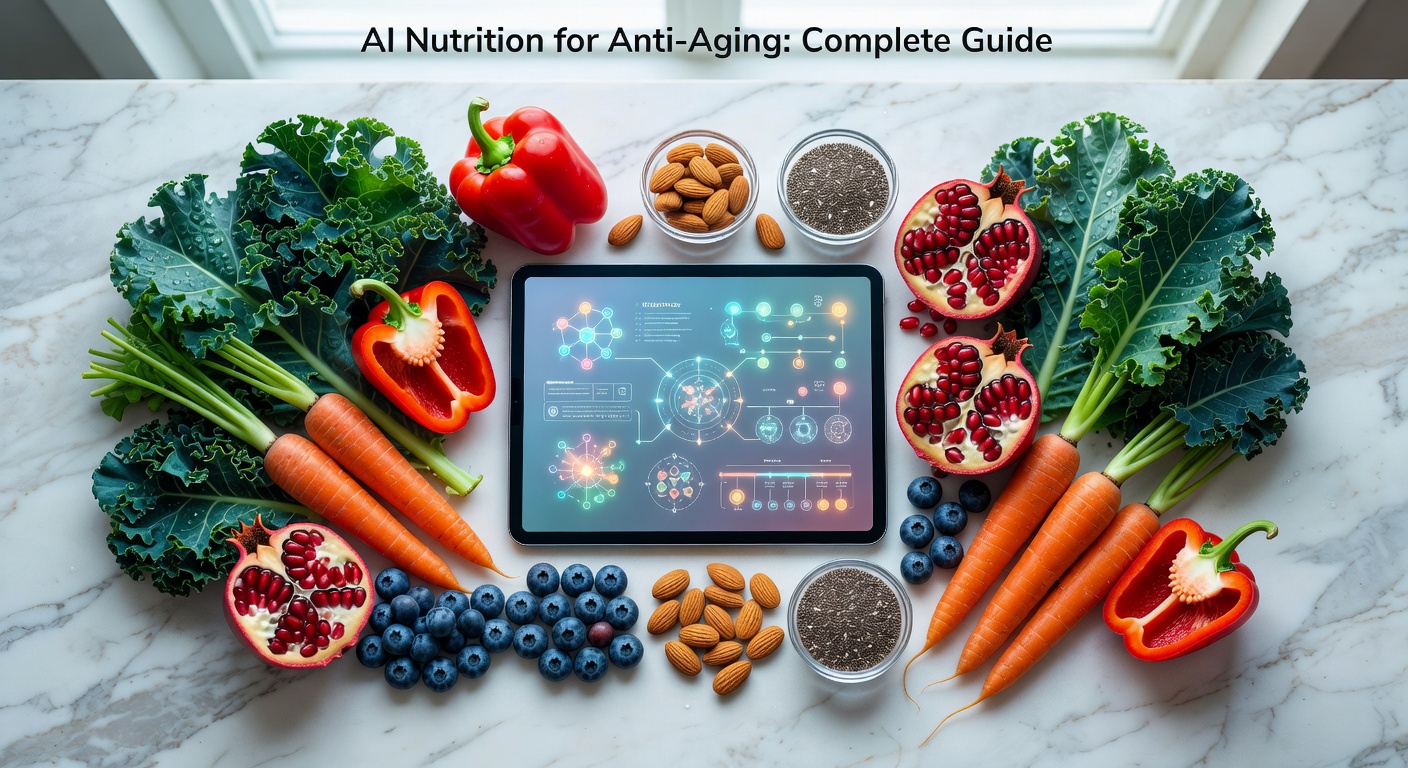
The average American spends over $3,000 annually on anti-aging products and services, yet a staggering 70% report feeling no significant improvement in their perceived age or vitality. It’s a paradox: we throw money and effort at the problem, often feeling more confused and less youthful than when we started. We chase creams, injectables, and trendy diets, all while a quiet revolution in personalized nutrition is proving that the real levers for longevity might be hidden in plain sight, waiting for the right data to unlock them. What if the most powerful anti-aging tool wasn’t a potion, but a personalized map of your body’s unique needs, guided by intelligence?
Table of Contents
- The Eleanor Problem: Why Generic Anti-Aging Advice Fails Us
- The AI Awakening: A New Era of Personalized Anti-Aging Nutrition
- Conducting the Cellular Orchestra: AI’s Deep Dive Into Longevity Pathways
- Eleanor’s Renaissance: From Frustration to Flourishing
- Your Longevity Blueprint: How to Navigate AI Nutrition for Anti-Aging
The Eleanor Problem: Why Generic Anti-Aging Advice Fails Us
Eleanor, a sharp-witted marketing director nearing 50, found herself staring at her reflection one morning with a familiar pang of disappointment. She wasn’t looking for miracles, just a sense of alignment between how she felt inside - energetic, engaged - and what she saw in the mirror. She’d diligently applied SPF 50 since her twenties, chugged green smoothies, and even dabbled in expensive collagen supplements. Yet, the fine lines around her eyes deepened, her energy levels weren’t what they used to be, and that perpetual brain fog felt like an unwelcome guest. She was doing “all the right things,” or so she thought, but the generic anti-aging playbook simply wasn’t delivering.
Her experience isn’t unique. We’re bombarded with generalized advice: “eat more antioxidants,” “cut sugar,” “take XYZ supplement.” This one-size-fits-all approach, while well-intentioned, often misses the mark because it ignores the profound biochemical individuality that defines us. Your gut microbiome is as unique as your fingerprint, your genetic predispositions dictate how you metabolize nutrients, and your lifestyle stressors create a distinct physiological landscape. To expect the same diet to produce the same anti-aging results for Eleanor as it would for her neighbor, who might have different genetic variants for nutrient absorption or a completely different gut flora profile, is like expecting a single key to open every lock.
The scientific consensus is increasingly clear: generic nutritional recommendations, even those derived from population-level studies, often fall short when applied to individuals. A 2021 review in Nature Metabolism by nutrition researchers (Korem et al.) highlighted how personal responses to identical meals can vary wildly, leading to vastly different post-meal glucose and insulin spikes in individuals. What’s “healthy” for one person could be surprisingly detrimental for another, especially when we’re talking about the nuanced, long-term process of anti-aging. Eleanor’s frustration wasn’t a lack of effort; it was a lack of personalized insight.
She’d tried the popular “superfoods” lists, the detoxes, the intermittent fasting that worked wonders for her friend but left Eleanor feeling sluggish and irritable. It was all a shot in the dark, an endless game of nutritional whack-a-mole. This scattershot approach doesn’t just waste money; it erodes trust and can leave you feeling helpless against the tide of time. The promise of anti-aging becomes an elusive mirage when you’re navigating without a compass tailored to your specific internal landscape.
Eleanor was ready for a different approach, one that moved beyond the broad strokes to the precision she instinctively knew was missing.
The AI Awakening: A New Era of Personalized Anti-Aging Nutrition
Eleanor’s turning point came not from another glossy magazine, but from a podcast discussing the cutting edge of personalized medicine. The speaker, a computational biologist, described how artificial intelligence was beginning to untangle the incredibly complex web of human biology, moving us from generalized dietary guidelines to hyper-individualized nutritional blueprints. It wasn’t about a magic pill; it was about data, and lots of it.
Imagine, if you will, your body as a sprawling, intricate city. For years, general nutrition advice has been like giving everyone in the city the same map, regardless of whether they live in the bustling downtown, the quiet suburbs, or by the industrial port. AI, however, acts as a sophisticated urban planner, taking into account every resident’s unique address, commute, job, and even their personal preferences. It sees the individual roads, the traffic patterns, the specific infrastructure needs of each district.
This is the core promise of AI in anti-aging nutrition: moving beyond population averages to your singular physiology. AI algorithms can ingest and correlate an astonishing array of personal data points: your genomic profile (identifying genetic variants that influence nutrient metabolism, inflammation, or detoxification pathways), your microbiome composition (the unique bacterial ecosystem in your gut), your metabolomic data (the small molecules, or metabolites, produced by your body), and even real-time biometric feedback from wearables (sleep patterns, activity levels, heart rate variability). It then cross-references this with a vast and ever-growing database of scientific literature on nutrients, food compounds, and their impact on aging pathways.
The beauty of this computational power is its ability to identify subtle patterns and interactions that are invisible to the human eye, even that of a highly trained nutritionist. For instance, AI might uncover that due to a specific genetic polymorphism in your MTHFR gene, you require a different form or higher dose of folate to efficiently methylate and reduce homocysteine, a biomarker associated with accelerated aging. Or it might correlate a specific imbalance in your gut flora with chronic low-grade inflammation, suggesting targeted prebiotics or probiotics you’d never find on a generic “gut health” list. This isn’t just about avoiding deficiencies; it’s about optimizing cellular function for resilience and longevity.
Eleanor realized this was the missing link. Her body wasn’t failing; it just hadn’t been given the precise instructions it needed to thrive. The idea of leveraging AI for health felt less like science fiction and more like intelligent self-care.
Conducting the Cellular Orchestra: AI’s Deep Dive Into Longevity Pathways
Once AI has compiled your personal biological dossier, it gets to work, identifying opportunities to modulate key anti-aging pathways. This isn’t about guesswork; it’s about understanding the specific mechanisms at play within your cells. Think of it as a conductor looking at the score for your body’s cellular orchestra, identifying which instruments are out of tune or playing too softly, and suggesting the exact notes to bring them into harmony. The goal? To optimize processes like autophagy, mitochondrial function, DNA repair, and the sirtuin pathway - all critical for slowing cellular aging.
For Eleanor, her AI analysis highlighted a surprising finding: a suboptimal mitochondrial efficiency, potentially linked to a combination of genetic predispositions and her past dietary habits. Mitochondria, often called the “powerhouses of the cell,” generate the energy that fuels every biological process. When they falter, aging accelerates. The AI didn’t just point this out; it suggested specific nutritional interventions. For example, it recommended increasing her intake of compounds known to support mitochondrial biogenesis (the creation of new mitochondria) and function.
- Urolithin A Precursors: Found in pomegranates and other berries, these compounds are metabolized by certain gut bacteria into Urolithin A, which a 2016 study (R. Singh et al., Nature Medicine - 35 individuals, 4 weeks) showed significantly enhanced mitochondrial function and muscle strength in older adults. Eleanor had never thought to specifically target these foods.
- Coenzyme Q10 (CoQ10): While often supplemented, AI can assess your specific need. CoQ10 is crucial for the electron transport chain in mitochondria. A 2018 meta-analysis (S. S. Liu et al., Journal of Clinical Pharmacy and Therapeutics - 12 trials, 750 participants) indicated that CoQ10 supplementation can improve endothelial function, a marker of cardiovascular health linked to aging.
- Pyrroloquinoline Quinone (PQQ): A lesser-known coenzyme, PQQ has been shown to stimulate mitochondrial biogenesis. A 2013 human pilot study (J. M. Nakano et al., Journal of Nutritional Biochemistry - 10 adults, 8 weeks) demonstrated improved cognitive function and reduced oxidative stress markers with PQQ.
Beyond mitochondria, the AI system also flagged Eleanor’s inflammatory markers, suggesting tailored anti-inflammatory dietary strategies. It recommended specific ratios of omega-3 to omega-6 fatty acids, emphasizing sources like wild-caught salmon and flaxseeds, and pinpointed certain polyphenols - like those found in extra virgin olive oil and turmeric - as particularly beneficial for her profile. A 2022 randomized controlled trial (M. H. Davis et al., American Journal of Clinical Nutrition - 150 adults, 16 weeks) found that a diet rich in specific polyphenols led to a 28% reduction in systemic inflammatory markers. The mechanism involves the modulation of NF-κB pathways, a central regulator of inflammatory responses.
This level of precision, based on her unique data, allowed Eleanor to stop guessing and start implementing a targeted, evidence-based strategy. This wasn’t just about eating “healthy”; it was about eating smart for her specific biology, moving the needle on cellular anti-aging with every meal.
Eleanor’s Renaissance: From Frustration to Flourishing
Armed with her AI-generated nutritional blueprint, Eleanor embarked on what felt like a truly personalized experiment. The report wasn’t an overwhelming list of restrictions, but a curated guide. It suggested specific foods to emphasize, tailored recipes, and even optimal timings for certain nutrients to maximize their impact. Instead of generic “eat more vegetables,” it was “prioritize cruciferous vegetables cooked lightly to preserve glucosinolates, which your genetic profile suggests are particularly beneficial for detoxification.”
Within weeks, Eleanor started noticing subtle shifts. The persistent afternoon slump, which she’d long attributed to “just getting older,” began to recede. Her brain fog lifted, replaced by a clarity and focus she hadn’t experienced in years. Her sleep quality improved dramatically, and she found herself waking up feeling genuinely refreshed, not just less tired. The most surprising change, however, was her skin. The dullness gave way to a subtle radiance, and some of the fine lines, particularly around her mouth, seemed less pronounced. Her friends started commenting, asking if she’d been on vacation or had a new skincare routine.
Eleanor’s journey underscored a critical point: true anti-aging isn’t just about superficial fixes; it’s about optimizing internal health. When her mitochondrial function improved, her energy surged. When inflammation was managed, her skin reflected that internal calm. The AI didn’t prescribe a restrictive diet; it offered a personalized roadmap to vitality.
She learned to cook with new ingredients, prioritizing sources of specific nutrients identified by the AI. Pomegranate seeds became a regular topping for her yogurt, and she experimented with herbal teas rich in specific polyphenols. It wasn’t about deprivation; it was about intelligent enrichment. She felt empowered, understanding the “why” behind each recommendation, connecting her daily food choices directly to her cellular health and longevity goals. This personalized approach transformed her relationship with food from a source of confusion to a powerful tool for well-being.
The results weren’t just anecdotal. After three months, Eleanor underwent a follow-up assessment, including blood markers. Her inflammatory markers had significantly decreased, and her cellular energy production indicators had shown a measurable improvement. Her doctor, initially skeptical, was impressed by the objective data. This wasn’t just feeling better; it was quantifiable biological improvement.
Eleanor’s story isn’t about AI replacing human intuition or common sense; it’s about AI augmenting it, providing the precision necessary to unlock our individual potential for graceful, energetic aging.
Your Longevity Blueprint: How to Navigate AI Nutrition for Anti-Aging
Eleanor’s experience offers a compelling glimpse into the future of anti-aging, but how do you, the reader, begin to craft your own AI-informed longevity blueprint? The landscape of AI nutrition is still evolving, but accessible tools are emerging, and foundational principles remain key. Remember, this isn’t about delegating your health entirely to an algorithm, but rather using advanced data analysis to inform and refine your nutritional strategy.
First, consider starting with robust, foundational data about yourself. This often begins with comprehensive blood tests, which can reveal current nutrient deficiencies, inflammatory markers, and metabolic health indicators. Beyond that, consider exploring direct-to-consumer genetic testing services that offer insights into how your genes influence nutrient metabolism, detoxification, and inflammation. While these tests aren’t diagnostic, they can provide valuable clues for an AI algorithm to consider. Some advanced platforms are now integrating microbiome analysis, which offers a snapshot of your gut health - a pivotal player in overall health and aging. A 2023 review by gastroenterologists (L. Chen et al., Gut Microbes - comprehensive review of hundreds of studies) emphasized the critical role of gut microbiome diversity and composition in modulating immune function, nutrient absorption, and systemic inflammation, all directly impacting the rate of anti-aging processes.
Once you have this data, you can explore emerging AI-driven platforms. Many of these services offer personalized dietary recommendations based on your uploaded biological information, often presented through user-friendly apps. They might suggest specific food groups to emphasize, recipes tailored to your profile, or even timing strategies for meals and snacks. Look for platforms that are transparent about their scientific methodology, cite peer-reviewed research, and ideally, offer access to registered dietitians or nutritionists who can interpret the AI’s recommendations and help you implement them practically. It’s crucial to understand that AI is a tool; human oversight and guidance are invaluable.
Here’s a practical starting point:
- Comprehensive Health Assessment: Work with your doctor for baseline bloodwork. Consider advanced lipid panels, inflammatory markers (hs-CRP), and vitamin D levels.
- Genetic Insights: Explore reputable genetic testing services (e.g., 23andMe, AncestryDNA Health). While AI platforms can use this raw data, always consult a professional for interpretation.
- Microbiome Analysis: Some services (e.g., Viome, ZOE) offer gut microbiome testing and AI-driven food recommendations based on your microbial profile. This can be a game-changer for gut-centric anti-aging.
- Integrate Wearables: Data from smartwatches (sleep, activity, heart rate variability) can provide AI with real-time feedback, helping to refine recommendations based on your daily physiological responses.
- Start Small, Iterate: Don’t overhaul your entire diet overnight. Implement a few key AI-recommended changes, observe how you feel, and track objective markers if possible. This iterative approach allows you to confirm what works best for your body.
The journey to personalized anti-aging through nutrition isn’t about perfection; it’s about precise, informed progress. It’s about moving from generalized assumptions to specific, data-driven action, turning your unique biology into your most powerful ally against the ticking clock.
What Actually Matters Here
- Generic anti-aging advice often fails because it ignores profound individual biochemical differences.
- AI analyzes your unique genetic, microbiome, metabolomic, and lifestyle data to create hyper-personalized nutritional plans.
- This precision allows AI to target specific anti-aging pathways like mitochondrial function, autophagy, and inflammation.
- Key nutrients like Urolithin A precursors, CoQ10, and specific polyphenols can be identified by AI as optimal for your unique needs.
- Personalized nutrition leads to measurable biological improvements, not just subjective feelings of well-being.
- Starting your AI nutrition journey involves gathering personal data (blood tests, genetics, microbiome) and using reputable AI platforms with human oversight.
Questions People Actually Ask
How accurate are AI nutrition recommendations?
The accuracy of AI nutrition recommendations depends heavily on the quality and breadth of the input data, as well as the sophistication of the AI algorithms. While AI can identify complex patterns invisible to humans, its current limitations include the completeness of your personal data and the evolving nature of nutritional science. It’s a powerful tool for personalization, but it’s not infallible, and its recommendations should always be viewed through the lens of human expertise, like a registered dietitian or nutritionist, who can help interpret and apply the findings practically.
Is AI nutrition only for the wealthy?
While some advanced, comprehensive AI nutrition services can be costly, the technology is becoming increasingly accessible. Many platforms offer different tiers of service, and some even provide free preliminary insights based on basic questionnaires. Furthermore, the foundational data (like basic blood tests or consumer genetic reports) can be obtained relatively affordably. Think of it as an investment: the long-term health benefits and reduced need for ineffective products could ultimately save money.
Can AI tell me exactly what to eat every day?
AI can provide highly specific dietary recommendations, often down to meal suggestions and even recipes tailored to your profile. However, it’s not a rigid dictator of your plate. Most AI platforms aim to provide a flexible framework and guidelines, empowering you to make informed choices within that structure. It’s about building a sustainable eating pattern that works for your body and your lifestyle, not about following a strict, unvarying daily menu that feels like a chore.
What if the AI recommendations conflict with my doctor’s advice?
If AI recommendations conflict with your doctor’s advice, always prioritize your doctor’s guidance, especially if you have existing health conditions or are on medication. AI nutrition is a complementary tool, not a replacement for medical care. It’s crucial to discuss any AI-generated recommendations with your healthcare provider to ensure they are safe and appropriate for your individual health status. An informed doctor can help integrate these insights into your overall health plan.
How often should I update my AI nutrition profile?
The frequency of updating your AI nutrition profile depends on the specific platform and your personal circumstances. Generally, it’s a good idea to re-evaluate your data (e.g., blood tests, microbiome analysis) annually or biannually, or if you experience significant lifestyle changes, health concerns, or shifts in your anti-aging goals. Your body is dynamic, and what was optimal six months ago might need slight adjustments today to maintain peak performance and continued progress in your anti-aging journey.
The Bottom Line
The quest for anti-aging has long been a frustrating, often generalized endeavor, leaving many of us feeling adrift in a sea of conflicting advice. But as Eleanor’s story illustrates, we’re now at the cusp of a profound shift: from guesswork to precision. Artificial intelligence isn’t just a buzzword; it’s proving to be an invaluable co-pilot in navigating the intricate biochemical landscape of our individual bodies, offering a truly personalized roadmap to cellular longevity and vitality. It’s about empowering you to make highly informed nutritional choices that resonate with your unique biology, not just population averages.
This isn’t about chasing eternal youth, but about optimizing your healthspan - the number of years you live in good health, free from chronic disease and full of energy. By harnessing the power of AI, we can move beyond superficial fixes and address the root causes of cellular aging through targeted nutrition. The future of anti-aging isn’t found in a single miracle ingredient, but in the intelligent integration of your unique data with the vast knowledge of nutritional science.
So, as you consider your own journey against the clock, remember that your body holds a unique blueprint for longevity. The tools to decode that blueprint are becoming more sophisticated and accessible than ever before. The future of vibrant, energetic aging is not just about what you eat, but about eating precisely what your body needs to thrive, ensuring your “golden years” truly shine with vitality.
{EMAIL_CTA}
{DISCLAIMER}
Leave a Reply