
You might think of your bones as inert scaffolding, silent pillars holding you upright. But they’re vibrant, dynamic organs, constantly remodeling themselves. Every year, roughly 10% of your skeleton is replaced, a biological construction project you rarely notice until it falters. This isn’t a slow fade; it’s a critical, often silent, decline. What if you could intervene with surgical precision, guided by data you’ve never had access to before?
Table of Contents
- The Foundations First: Re-Calibrating Your Baseline
- Building Momentum: AI for Precision Nutrient Delivery
- Deeper Optimizations: The Gut-Bone Axis & Hormonal Harmony
- Lifestyle Synergy: Movement, Stress, & Sleep
- Long-Term Resilience: Adapting to Your Evolving Biology
The Foundations First: Re-Calibrating Your Baseline
Forget the generic advice. Your journey to optimal bone density doesn’t start with a magic pill; it begins with an honest audit of your nutritional intake, a task perfectly suited for artificial intelligence. We’re often told to just “get enough calcium,” but that’s like saying “just get enough money” without detailing income streams or expenses. Your body is a complex biological economy, and calcium is just one currency. The truth is, most adults aren’t hitting the marks for several critical bone-building micronutrients, even with a seemingly “healthy” diet.
Here’s where AI shines in the initial phase. Imagine feeding an AI your typical daily food intake, perhaps via a smart food diary or even photo recognition. This isn’t just calorie counting; it’s a deep dive into your nutrient density. The algorithm, trained on vast datasets of food composition and physiological requirements, can flag specific deficiencies that a human eye might miss. Are you getting enough bioavailable vitamin K2 from fermented foods? What about the often-overlooked magnesium, crucial for activating vitamin D and supporting calcium absorption? The AI identifies the missing puzzle pieces, not just generally, but specifically for you, based on your age, gender, activity level, and even genetic predispositions if you provide that data.
My own experience, running my diet through one of these advanced platforms, was eye-opening. I thought I had a handle on things, but the AI pointed out a consistent, subtle deficit in manganese and boron - trace minerals often ignored but vital for bone matrix formation and mineral retention. It wasn’t about adding more supplements initially, but intelligently shifting food choices: more leafy greens, specific nuts, and whole grains. This re-prioritization of whole, nutrient-dense foods is the bedrock. You can’t build a skyscraper on quicksand, and you can’t build robust bones on a diet of processed, nutrient-empty fare. The AI gives you the blueprint for solid ground.
What to focus on in these initial weeks:
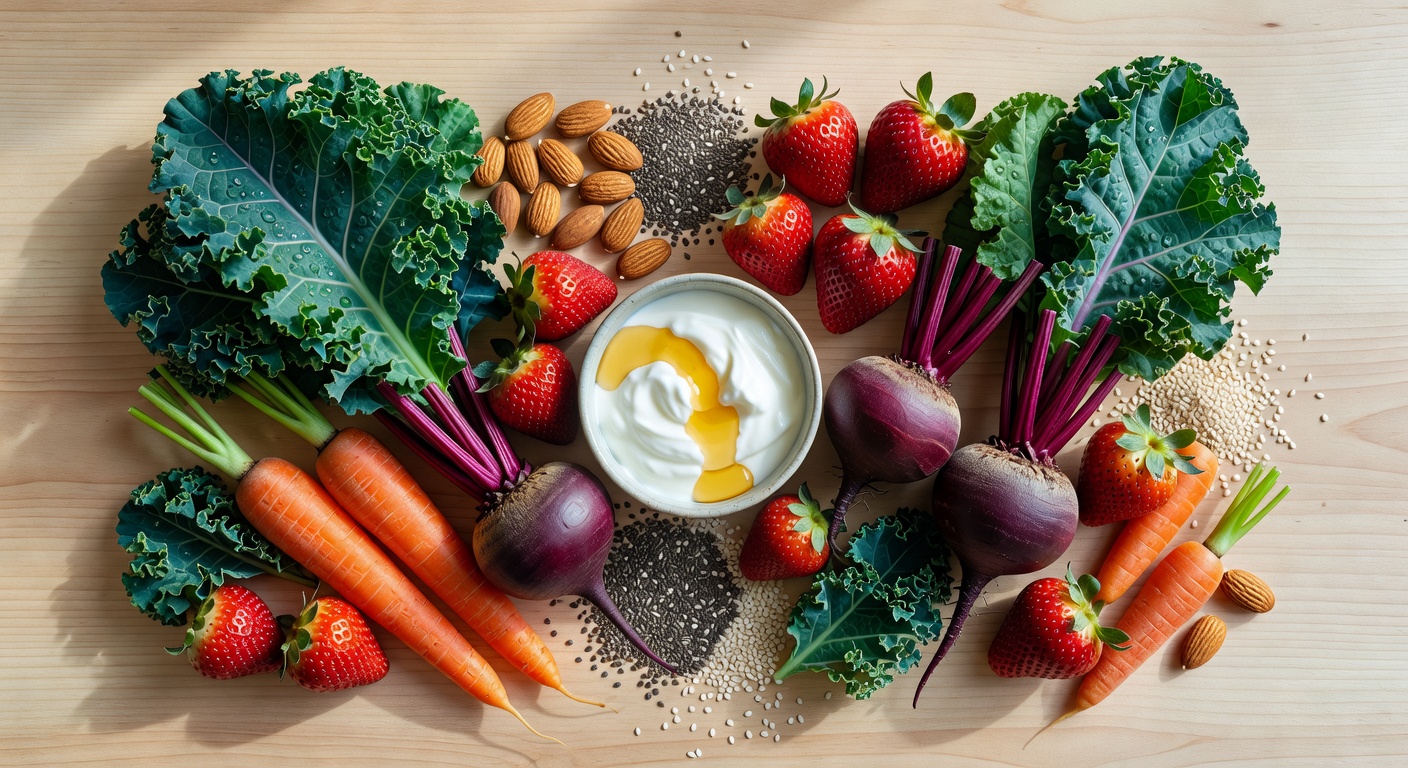
- Calcium Redux: Not just dairy. Think dark leafy greens (collard, kale), fortified plant milks, sardines, and tofu. AI can optimize timing for absorption.
- Magnesium Matters: Crucial for bone crystal formation and regulating calcium and vitamin D. Sources: almonds, spinach, black beans, avocado. The AI identifies if your intake is consistently low, potentially suggesting specific food pairings for better absorption.
- Vitamin D’s Dual Role: Essential for calcium absorption and bone mineralization. AI can correlate sun exposure, dietary intake, and even genetic factors (like VDR polymorphisms) to suggest optimal supplementation or food sources.
- Protein Power: Often overlooked, protein provides the organic matrix for bone. AI helps ensure adequate, balanced protein intake from diverse sources, preventing sarcopenia (muscle loss) which is intimately linked to bone fragility.
This foundational phase isn’t about drastic changes, but smart, incremental adjustments guided by data. You’re setting the stage for more advanced interventions, moving beyond guesswork to informed action.
Building Momentum: AI for Precision Nutrient Delivery
Once your baseline is established, the next phase elevates your strategy from general nutrition to precision targeting, leveraging AI’s capacity for hyper-personalization. This is where we move beyond “eating healthy” to “eating optimally for your unique bone biology.” Think of your skeletal system as a high-performance engine. You wouldn’t just throw any fuel in; you’d use the precise blend for peak efficiency. AI allows us to do just that for your bone density, not just by identifying deficiencies but by optimizing nutrient ratios and delivery.
AI can analyze not only your current intake but also cross-reference it with biomarkers from blood tests (if you provide them) - vitamin D levels, parathyroid hormone, bone turnover markers - to create a dynamic nutritional plan. It understands the intricate dance between nutrients. For instance, it knows that while calcium is vital, without adequate Vitamin K2, that calcium might not reach its intended destination in your bones, potentially ending up in your arteries instead.
Imagine an AI platform suggesting, “Based on your latest blood work showing suboptimal K2 levels and moderate calcium intake, consider adding 100g of natto twice a week, or a specific K2 (MK-7) supplement at 180mcg/day, alongside your evening meal to enhance absorption.” This isn’t just a recommendation; it’s a micro-optimized directive. The AI might also adjust your daily intake targets based on your activity tracker data, understanding that a week of intense resistance training might slightly increase your demand for certain minerals like phosphorus or potassium. This level of granular detail moves you from a passive consumer of general health advice to an active participant in your own biological optimization.
Deep Dive: Key Micronutrients and AI’s Role
- Vitamin K2 (menaquinone): Crucial for guiding calcium to bones and teeth, away from soft tissues. AI can pinpoint food sources (fermented foods, certain cheeses, grass-fed butter) or suggest specific supplement dosages based on your diet and age.
- Magnesium & Boron: Magnesium is a cofactor in over 300 enzymatic reactions, including those involved in vitamin D metabolism and bone matrix formation. Boron impacts calcium and magnesium metabolism and sex hormone levels, all vital for bone health. AI helps ensure adequate intake, often recommending specific food combinations for maximal synergy.
- Trace Minerals (Zinc, Copper, Manganese): These aren’t just minor players; they’re essential for collagen synthesis and enzymatic functions in bone remodeling. AI identifies if your current diet provides sufficient amounts or if targeted supplementation (e.g., through mineral-rich salts or specific whole foods) is needed.
This phase is about fine-tuning your internal machinery, ensuring every nutrient pulls its weight and works in concert. It’s about building a robust nutritional scaffold that supports not just current bone density, but future resilience. For more on this, check out our guide on {INTERNAL_LINK}.
Deeper Optimizations: The Gut-Bone Axis & Hormonal Harmony
As you progress, the complexity deepens, and so does AI’s utility. We move beyond simply addressing nutrient intake to understanding the intricate systemic factors that govern bone density. Two often-overlooked powerhouses are your gut microbiome and your hormonal balance. These aren’t just tangential; they’re integral to how your body absorbs nutrients, manages inflammation, and orchestrates bone remodeling. Imagine your gut as the main processing plant for your body’s nutrient supply, and your hormones as the highly sensitive control panel. If either is out of whack, even the best nutritional inputs won’t yield optimal results.
AI can analyze data from stool tests (gut microbiome analysis) and hormone panels (blood or saliva) to identify dysbiosis or imbalances that directly impact bone health. For example, specific gut bacteria produce short-chain fatty acids (SCFAs) like butyrate, which can influence mineral absorption and reduce systemic inflammation - a silent enemy of bone. An AI might flag a low abundance of SCFA-producing bacteria and recommend specific prebiotic fibers or targeted probiotic strains to foster a more bone-friendly gut environment.
Similarly, hormonal shifts - particularly declining estrogen in women post-menopause or decreasing testosterone in men - are major drivers of bone loss. While AI won’t replace a physician for hormone replacement therapy, it can identify dietary and lifestyle adjustments that support hormonal balance. This might include recommending specific phytonutrients that modulate estrogen metabolism, adaptogens for stress hormone regulation (cortisol is a bone destroyer!), or dietary fats crucial for steroid hormone synthesis. The AI might suggest, “Given your post-menopausal status and gut analysis indicating low Akkermansia muciniphila, focus on pomegranate, cranberries, and a high-fiber diet to support gut barrier integrity and estrogen metabolism, while prioritizing healthy fats like avocados and olive oil for hormonal precursors.”
Advanced Strategies for Bone Resilience:
- Microbiome Modulation: Focus on diverse fiber intake (prebiotics) from vegetables, fruits, and whole grains. Consider targeted probiotics informed by AI analysis to foster SCFA production and reduce inflammation.
- Hormone Support via Nutrition: Incorporate cruciferous vegetables (broccoli, cauliflower) for indole-3-carbinol, which aids estrogen metabolism. Ensure adequate zinc and healthy fats for testosterone synthesis. AI helps tailor these recommendations to your specific hormonal profile.
- Anti-inflammatory Diet: Chronic low-grade inflammation accelerates bone breakdown. AI helps identify pro-inflammatory dietary patterns and suggests substitutions: omega-3 rich foods (fatty fish, flaxseed), turmeric, ginger, and a reduction in refined sugars and processed oils.
This stage is about moving beyond surface-level interventions to address the deeper, interconnected systems that either fortify or compromise your skeletal strength. It’s understanding that bone density isn’t an isolated phenomenon, but a reflection of your body’s holistic health. We’re building not just bone, but systemic resilience.
Lifestyle Synergy: Movement, Stress, & Sleep
Even the most precise nutritional plan can’t work in a vacuum. Your bone density is not just built from what you eat, but how you live. This phase integrates lifestyle factors - movement, stress management, and sleep - leveraging AI to create a holistic, synergistic plan. Think of your bones as a bank account for minerals. Nutrition makes the deposits, but weight-bearing exercise is the essential “interest” that makes those deposits grow. Without it, even a perfect diet leaves money on the table. And stress? That’s the overdraft fee that silently drains your account.
AI excels at correlating diverse data points. If you’re tracking your sleep, exercise, and even mood, an AI can identify patterns. Perhaps your bone turnover markers are consistently suboptimal despite excellent nutrition. The AI might notice a correlation with chronically poor sleep, suggesting melatonin disruption or elevated nighttime cortisol. Or it might see that your strength training routine, while consistent, isn’t applying enough osteogenic load to specific areas, prompting a recommendation for higher impact movements or progressive overload in your lifts.
The beauty here is personalization. For someone with early-stage osteoporosis, high-impact jumping might be contraindicated, but an AI can suggest safe, effective alternatives like brisk walking with weighted vests or specific bodyweight exercises that still stimulate bone growth without undue risk. For another, it might identify that their constant low-level stress, perhaps measured by heart rate variability, is keeping cortisol elevated, suggesting specific mindfulness exercises or dietary adjustments to support adrenal health. This integrated approach ensures that all levers of health are pulled in unison, not just nutrition, allowing for optimal bone density development.
Optimizing Your Lifestyle for Bone Strength:
- Smart Movement: Focus on weight-bearing and resistance training. AI can suggest specific exercises, progression schemes, and even ideal reps/sets based on your current fitness level and bone density status. Think squats, deadlifts, lunges, and plyometrics (if safe).
- Stress Resilience: Chronic stress elevates cortisol, which catabolizes bone. AI can help identify stress triggers from your activity data and recommend practices like meditation, deep breathing, or nature exposure. Nutritional support for adrenal health (e.g., B vitamins, vitamin C) can also be suggested.
- Sleep Optimization: Quality sleep is crucial for hormonal regulation and cellular repair, including bone remodeling. AI can analyze your sleep patterns from wearables and offer insights on circadian rhythm optimization, evening nutrition, or even environmental adjustments for better rest. You can find more targeted advice on this in our article on {INTERNAL_LINK}.
This phase is about creating an environment where your bones can thrive, not just survive. It’s recognizing that the pursuit of superior bone density is a lifestyle, not just a diet. By integrating these elements, you’re not merely preventing loss; you’re actively building a stronger, more resilient skeleton.
Long-Term Resilience: Adapting to Your Evolving Biology
The human body is not a static machine; it’s an evolving biological system. What worked for your bone density at 30 might not be optimal at 50, and what’s effective at 70 might be completely different. This final stage is about embracing this biological fluidity, using AI as your ongoing, adaptive coach. You’re not just following a plan; you’re engaging in a continuous feedback loop, learning and adjusting as your body changes, as scientific understanding advances, and as new data becomes available. This is the ultimate expression of personalized nutrition for longevity.
AI’s power truly blossoms in its capacity for longitudinal analysis. Over months and years, as you feed it more data - periodic DEXA scans, blood tests, activity logs, dietary changes - it builds an increasingly sophisticated model of your unique biology. It can detect subtle trends that a human might miss. Perhaps your rate of bone density improvement starts to plateau, or a new marker indicates a shift in inflammation. The AI can then proactively suggest adjustments: a change in protein sourcing, an increase in a specific micronutrient, or a modification to your exercise routine to introduce novel stimuli. It’s like having a dedicated, data-driven scientist continually monitoring your internal ecosystem.
Consider the evolving understanding of bone biology itself. Just a decade ago, Vitamin K2 wasn’t on most people’s radar; now it’s recognized as essential. Emerging research is exploring the role of osteokines (hormones released by bone cells) in whole-body metabolism, and how nutrients might influence their production. AI, with its ability to rapidly process and synthesize new scientific literature, can integrate these cutting-edge insights into your personalized plan almost in real-time. It can alert you to new discoveries and translate complex science into actionable dietary or lifestyle modifications. This isn’t just about preventing osteoporosis; it’s about optimizing skeletal health for peak function and longevity, ensuring your bones support you robustly through every decade.
Staying Ahead: Continuous Adaptation:
- Regular Monitoring: Beyond DEXA scans, consider periodic blood panels for Vitamin D, calcium, magnesium, and bone turnover markers. AI helps interpret these trends and suggest adjustments.
- Embrace New Science: AI platforms are constantly updated with the latest research. This means your recommendations evolve, incorporating new understandings of nutrient synergy, genetic interactions, or emerging compounds beneficial for bone.
- Personalized Micro-Adjustments: The AI can suggest fine-tuning based on your response to interventions. Did increasing your magnesium intake significantly improve your sleep quality, which in turn helped your bone markers? The AI learns from your body’s unique feedback.
This long-term perspective shifts the paradigm from reactive treatment to proactive, lifelong optimization. Your bone density becomes a dynamic project, constantly refined and strengthened with the intelligent guidance of AI. The goal isn’t just to avoid a fracture, but to build a foundation of skeletal strength that empowers a vibrant, active life, for as long as you choose to live it. For personalized AI nutrition insights, sign up for {INTERNAL_LINK}.
What Actually Matters Here
- Your bones are living, dynamic tissue; consistent, precise nutrition is a non-negotiable for their health.
- AI moves beyond generic advice, identifying specific nutrient deficiencies (like manganese or boron) tailored to your individual diet and biology.
- Calcium isn’t enough; Vitamin K2 and Magnesium are critical cofactors, and AI helps optimize their intake and synergy.
- The health of your gut microbiome and your hormonal balance profoundly impact bone density and require dedicated nutritional attention.
- Movement, stress management, and quality sleep are as vital as diet; AI helps integrate these lifestyle factors for holistic bone support.
- Long-term bone resilience requires continuous adaptation and monitoring, with AI processing new data and research to keep your plan optimal.
Questions People Actually Ask
Can AI really predict my risk of osteoporosis?
While AI is incredibly powerful at analyzing patterns from vast datasets, it’s more accurate to say it can help *assess* your risk and identify areas for intervention, rather than definitively “predict” a diagnosis. It can process genetic data, lifestyle factors, dietary intake, and even historical medical records to highlight higher-risk profiles. This allows for proactive, personalized strategies to mitigate that risk long before a diagnosis of osteopenia or osteoporosis. However, a final diagnosis and medical advice always require a qualified healthcare professional.
Is it possible to reverse bone density loss with AI nutrition alone?
Reversing significant bone density loss (osteoporosis) is challenging and typically requires a multi-faceted approach, often including pharmaceutical interventions prescribed by a doctor. However, AI-guided nutrition and lifestyle changes can absolutely slow down bone loss, improve bone density in cases of osteopenia, and significantly support the efficacy of medical treatments. Think of AI nutrition as a powerful enhancer and a foundational strategy for bone building and maintenance, but not a standalone cure for advanced conditions.
How does AI account for individual genetic differences in nutrient absorption?
This is one of AI’s most promising frontiers. By integrating genomic data (e.g., from a DNA test), AI can identify polymorphisms (genetic variations) that affect nutrient absorption, metabolism, or utilization. For example, some individuals have genetic variations that impair Vitamin D activation or increase their need for specific B vitamins. The AI can then fine-tune your nutrient recommendations, suggesting higher doses of certain nutrients or specific food forms, to bypass or compensate for these genetic predispositions. This moves us away from population-level recommendations to truly personalized micronutrient targets.
Do I need expensive equipment or tests to use AI for bone density nutrition?
Not necessarily. While advanced insights come from integrating blood work, DEXA scans, and even genomic data, you can start with relatively simple inputs. Many AI nutrition platforms can provide valuable insights based solely on your dietary log (manual entry or photo-based), activity levels, age, and gender. As you progress, you might choose to incorporate more data points for deeper personalization, but the initial barrier to entry is quite low. The key is consistent data input to allow the AI to learn and adapt.
Can AI help me find bone-building recipes?
Absolutely, and this is a practical application many users love. Once the AI has a clear picture of your nutrient needs and any deficiencies, it can generate meal plans and suggest recipes specifically designed to hit those targets. It can also consider your dietary preferences (vegetarian, gluten-free, etc.), allergies, and even cooking skill level. This transforms the complex science of bone health into delicious, easy-to-follow culinary directives, making compliance much simpler and more enjoyable. It’s like having a personal chef who’s also a bone metabolism expert.
The Bottom Line
Your bones are a testament to your body’s incredible capacity for renewal, yet they’re often taken for granted until a problem arises. We’ve long operated on general nutritional guidelines, hoping for the best. But that era is ending. The integration of AI into nutritional science offers an unprecedented opportunity to understand and optimize your bone density with a precision previously unimaginable. It moves us beyond guesswork, transforming abstract biological processes into actionable, personalized strategies.
This isn’t about replacing human intuition or medical expertise; it’s about amplifying it, providing a data-driven lens through which to view your unique physiology. By focusing on foundational nutrients, deep systemic optimizations, and holistic lifestyle factors, all guided by intelligent algorithms, you’re not just preventing future fragility. You’re actively cultivating a stronger, more resilient skeleton that supports a life of vitality and independence, regardless of age.
The future of bone health is personalized, predictive, and powered by intelligence. Embrace it, and redefine what’s possible for your own skeletal strength. Start building that resilient framework today.
{EMAIL_CTA}
{DISCLAIMER}
Leave a Reply