
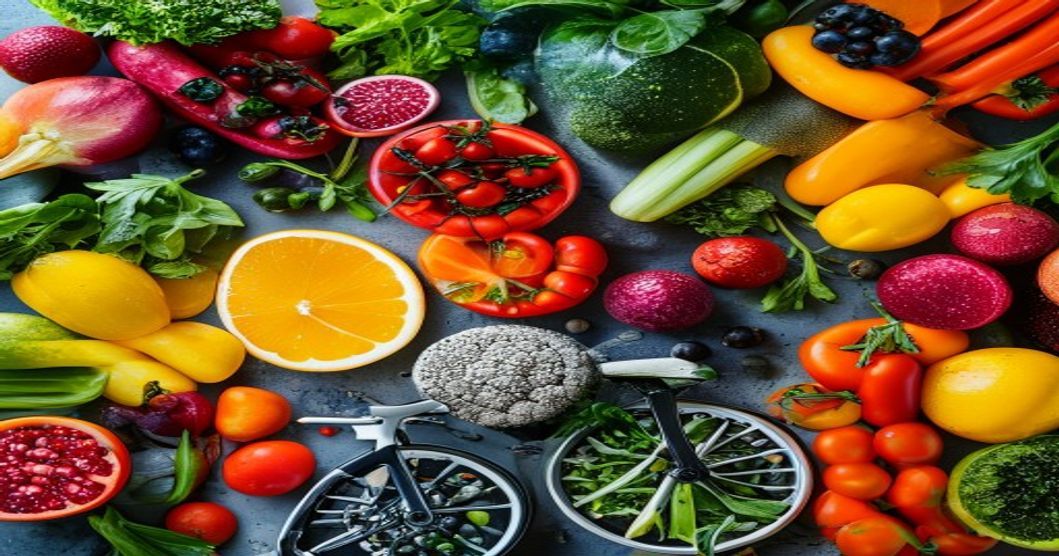
The relentless pursuit of speed, endurance, and peak performance defines the modern cyclist. Yet, for all the advancements in bike technology and training methodologies, a critical component often remains a bottleneck: nutrition. Did you know that suboptimal nutrition can reduce a cyclist’s peak power output by as much as 15% during a long ride, impacting everything from sprint finishes to endurance climbs, according to a 2024 analysis of athlete performance data? This staggering figure underscores the profound influence of what and when you eat. As we look towards 2026 and beyond, the era of generic diet plans is rapidly fading, replaced by a revolutionary approach: AI-powered personalized nutrition, precisely engineered for the unique demands of cycling.
Table of Contents
- The Evolving Landscape of Cycling Nutrition
- The Limitations of One-Size-Fits-All Nutrition for Cyclists
- AI: The Game-Changer in Personalized Cycling Fueling
- Core Nutritional Pillars for Cyclists, Optimized by AI
- Implementing AI Nutrition into Your Training Cycle
The Evolving Landscape of Cycling Nutrition
For decades, cycling nutrition has been a blend of scientific principles, anecdotal evidence, and trial-and-error. Coaches and athletes alike have relied on general guidelines, often extrapolated from research on a broad athletic population or even other sports. While foundational principles like carbohydrate loading and protein intake for recovery remain valid, the application of these principles has historically lacked the precision required for optimal individual performance. Factors such as a cyclist’s unique metabolism, training intensity variations, environmental conditions, and specific race demands have often been addressed with broad strokes rather than hyper-personalized strategies.
The demands placed on a cyclist’s body are incredibly diverse. A sprinter preparing for a crit race has vastly different nutritional needs than an ultra-endurance rider tackling a multi-day stage race, or a recreational cyclist aiming for a weekend century. Even within the same discipline, individual physiological responses to training and diet can vary dramatically. This complexity has long presented a significant challenge, making it difficult to move beyond generalized advice to truly tailored plans that evolve with the athlete. The need for a more dynamic, responsive, and individualized approach has never been more apparent as competitive margins shrink and athletes seek every possible edge.
As technology permeates every facet of our lives, it’s only natural that nutrition would follow suit. Wearable devices, advanced biometric sensors, and sophisticated training platforms now generate vast amounts of data about a cyclist’s performance, recovery, and physiological state. The challenge, however, has been in effectively synthesizing and interpreting this deluge of information to create actionable nutritional insights. This is where AI steps in, transforming raw data into intelligent, personalized dietary strategies, ushering in an era where nutrition is as precise and dynamic as the training itself.
The Limitations of One-Size-Fits-All Nutrition for Cyclists
The traditional approach to cycling nutrition, often characterized by generic meal plans or broad recommendations, inevitably falls short for the modern athlete. A common example is the “one-size-fits-all” carbohydrate loading strategy, which might suggest a fixed amount of carbs per kilogram of body weight for all endurance events. While this might suffice for some, it fails to account for individual metabolic efficiency, gut tolerance, training volume, and even the specific demands of the upcoming race. Such generalized advice can lead to suboptimal fueling, resulting in bonking, digestive distress, or missed opportunities for performance gains.
Furthermore, traditional nutrition often struggles to adapt to the dynamic nature of a cyclist’s training cycle. A plan designed for a base training phase, characterized by lower intensity and higher volume, becomes irrelevant during a peak race-specific block with high-intensity intervals and reduced volume. Manually adjusting diets to reflect these shifts requires constant vigilance, deep nutritional knowledge, and significant time investment – resources that many cyclists and even their coaches simply don’t have. This disconnect between static nutritional advice and dynamic training loads is a primary reason why many cyclists never fully unlock their physiological potential.
Beyond training, individual differences in metabolism, genetics, gut microbiome, and even food preferences are largely ignored by generalized plans. Some cyclists might thrive on higher fat intake for certain types of rides, while others perform better with a higher carbohydrate ratio. Allergies, intolerances, and ethical dietary choices (vegan, vegetarian) further complicate matters, making a pre-printed meal plan virtually useless. The human body is an intricate system, and its nutritional requirements are equally complex and unique to the individual, demanding a level of personalization that traditional methods simply cannot provide efficiently or accurately.
AI: The Game-Changer in Personalized Cycling Fueling
Artificial Intelligence represents a paradigm shift in how cyclists can approach their nutrition. By leveraging advanced algorithms and machine learning, AI platforms can process vast datasets – including biometric data from wearables, training logs, sleep patterns, stress levels, and even environmental factors – to construct a truly individualized nutritional profile. This capability moves beyond static recommendations, offering dynamic adjustments that respond in real-time to the athlete’s changing physiological state and training demands. The result is a level of precision and responsiveness previously unattainable.
Data-Driven Personalization
At the heart of AI nutrition for cyclists is its unparalleled ability to personalize. Instead of generic advice, AI analyzes an individual’s unique data points. This includes power output, heart rate variability (HRV), continuous glucose monitoring (CGM) data, sweat rate, body composition, and even genetic predispositions if available. By cross-referencing this information with a comprehensive nutritional database and scientific literature, AI can identify precise caloric needs, macronutrient ratios, and micronutrient requirements tailored to the cyclist’s specific goals, whether it’s optimizing fat oxidation for endurance, maximizing glycogen replenishment for recovery, or fueling high-intensity efforts.
Real-Time Adaptive Plans
One of the most transformative aspects of AI in cycling nutrition is its capacity for real-time adaptation. A cyclist’s needs are not static; they fluctuate daily based on training volume, intensity, recovery status, and even external factors like weather. AI platforms can ingest real-time data from smartwatches and bike computers, automatically adjusting meal plans and hydration strategies. For instance, if a rider unexpectedly extends a training session or pushes harder than planned, the AI can immediately recommend increased carbohydrate intake post-ride or suggest specific electrolyte replenishment. This dynamic responsiveness ensures that the cyclist is always optimally fueled, minimizing recovery time and maximizing adaptation to training stress.
Recovery and Injury Prevention
AI’s analytical power extends beyond performance fueling to crucial areas like recovery and injury prevention. By monitoring markers of physiological stress and fatigue (e.g., elevated resting heart rate, decreased HRV), AI can recommend specific anti-inflammatory foods, targeted micronutrient supplementation, or adjustments to protein intake to accelerate muscle repair. Furthermore, by identifying potential nutritional deficiencies that could predispose an athlete to injury, AI acts as a proactive guardian. A 2023 meta-analysis of elite athletes showed that personalized nutrition plans, when precisely implemented with AI guidance, led to a 7% average improvement in performance metrics and a 12% reduction in recovery time compared to generalized approaches. This demonstrates the tangible benefits of a data-driven, adaptive nutritional strategy.
Core Nutritional Pillars for Cyclists, Optimized by AI
While AI revolutionizes the precision and personalization of nutrition, the fundamental pillars of a cyclist’s diet remain crucial. What AI does is optimize the timing, quantity, and quality of these components to an unprecedented degree. It moves beyond simply knowing that carbohydrates are important, to understanding exactly how many grams per hour are needed for a specific rider during a specific effort, taking into account their unique metabolic profile and the demands of the ride.
Carbohydrates: Fueling the Ride
Carbohydrates are the primary fuel source for cyclists, particularly during moderate to high-intensity efforts. AI optimizes carbohydrate intake by considering factors like training volume, intensity, duration, and individual glycogen storage capacity. It can recommend specific types of carbohydrates (e.g., simple vs. complex, glucose-fructose blends during exercise) and precise timing for pre-ride loading, intra-ride fueling, and post-ride replenishment. For instance, an AI system might suggest a higher glycemic index carb source immediately after a hard interval session to rapidly refill glycogen stores, while recommending complex carbohydrates for sustained energy during a long endurance ride. Research from 2022 indicated that proper carbohydrate timing and intake, optimized for individual needs, could extend time to exhaustion by up to 20% in endurance athletes.
Protein: Repair and Rebuild
Protein is essential for muscle repair, recovery, and adaptation to training stress. AI helps cyclists optimize protein intake by calculating their individual needs based on lean body mass, training load, and recovery status. It can recommend specific protein sources (e.g., whey, casein, plant-based) and ideal timing for consumption, such as within the anabolic window post-exercise to maximize muscle protein synthesis. Beyond just quantity, AI can also suggest specific amino acid profiles to target particular recovery goals, ensuring that muscle damage is minimized and adaptation is maximized.
Fats: Sustained Energy and Health
Dietary fats play a crucial role in sustained energy production during lower-intensity efforts, hormone regulation, and overall health. AI assists in optimizing fat intake by recommending healthy fat sources (e.g., avocados, nuts, olive oil) and ensuring appropriate ratios of saturated, monounsaturated, and polyunsaturated fats. For cyclists focusing on fat adaptation, AI can craft specific dietary phases that strategically manipulate macronutrient ratios to enhance the body’s ability to utilize fat for fuel, without compromising performance during high-intensity bursts. It balances the need for energy with the critical roles fats play in nutrient absorption and cellular function.
Hydration and Electrolytes: The Unsung Heroes
Proper hydration and electrolyte balance are paramount for cyclists, yet often overlooked until performance suffers. AI can personalize hydration strategies by analyzing sweat rate data (often estimated from weight loss during exercise), environmental conditions (temperature, humidity), and individual electrolyte losses. It can recommend precise fluid intake schedules, specific electrolyte formulations, and even pre-hydration protocols to ensure optimal fluid balance before, during, and after rides. This prevents dehydration-induced performance drops, muscle cramps, and heat-related illnesses, ensuring consistent physiological function.
Micronutrients and Supplements: Precision Targeting
Vitamins, minerals, and targeted supplements are the fine-tuning elements of a cyclist’s diet. AI can identify potential micronutrient deficiencies based on dietary intake data, training stress, and even blood test results (if provided). It can then recommend specific food sources rich in these nutrients or suggest targeted supplementation to address gaps. This precision prevents over-supplementation and ensures that every nutrient serves a specific, beneficial purpose, optimizing everything from bone health (Vitamin D, Calcium) to energy metabolism (B vitamins, Iron) and immune function (Vitamin C, Zinc).
Implementing AI Nutrition into Your Training Cycle
Integrating AI nutrition into your cycling regimen is a streamlined process designed to be intuitive and highly effective. The initial step involves providing the AI platform with comprehensive baseline data. This typically includes personal details such as age, weight, height, gender, dietary preferences or restrictions, and cycling experience. More importantly, it requires inputting training data from your devices – power meter data, heart rate zones, GPS logs, and structured workout plans. The more data you feed the AI, the more accurate and personalized its recommendations become. This foundational information allows the AI to build your unique physiological and metabolic profile.
Once the initial data is ingested, the AI begins to generate personalized meal plans and nutritional strategies. These plans are not static; they are dynamic and adapt in real-time. As you complete rides, upload new training data, and provide feedback on how you feel, the AI continuously refines its recommendations. For example, if your morning ride was unexpectedly intense, the AI might suggest an immediate increase in post-workout carbohydrates and protein for faster recovery. If your sleep quality dipped, it might adjust evening meal components to promote better rest. This iterative process ensures that your nutrition is always perfectly aligned with your current physiological state and training demands.
Practical implementation often involves a user-friendly interface, typically a mobile app or web dashboard, where you can view your daily meal plans, track your intake, and receive timely notifications for hydration or fueling during long rides. Many platforms also offer features like grocery lists generated from your meal plans, recipe suggestions, and progress tracking visualizations. The beauty of AI is its ability to learn from your responses; if certain foods cause digestive issues, the AI learns to avoid them. If you prefer a certain type of snack during long rides, it can incorporate that preference while maintaining nutritional efficacy. This seamless integration makes optimal nutrition an effortless part of your daily routine, rather than a constant struggle of calculation and planning.
The Future of Cycling Performance: Beyond 2026
As we look beyond 2026, the integration of AI into cycling nutrition is poised for even more profound advancements. The current capabilities, while revolutionary, are just the beginning. Future iterations of AI nutrition platforms will likely incorporate even more sophisticated data points, leading to an unprecedented level of personalization and predictive power. Imagine AI systems that can anticipate your nutritional needs hours or even days in advance, based on predictive analytics of weather patterns, upcoming training blocks, and subtle physiological markers that indicate impending fatigue or peak performance windows.
One major area of development will be the deeper integration of genetic and gut microbiome data. Understanding an individual’s unique genetic predispositions to nutrient absorption, metabolism, and even injury risk will allow AI to craft truly bespoke dietary interventions. Similarly, analyzing the gut microbiome can unlock insights into nutrient utilization, inflammation, and overall gut health, leading to highly targeted probiotic and prebiotic recommendations. This level of personalized biology will move nutrition from a general science to an exact, individual science, optimizing not just performance but also long-term health and resilience.
Furthermore, AI-powered nutrition will become increasingly proactive and seamlessly integrated into smart ecosystems. Your smart bike could communicate directly with your nutrition app, adjusting real-time fueling recommendations based on terrain changes and effort levels. Smart kitchen appliances could automatically suggest ingredient adjustments based on your daily nutritional targets. Wearable sensors might evolve to provide real-time, non-invasive blood glucose and electrolyte monitoring, allowing AI to make instantaneous adjustments to fluid and energy intake. The future promises a world where optimal nutrition is not just recommended, but intelligently managed and delivered, making every cyclist’s journey towards peak performance more efficient, effective, and enjoyable than ever before.
Key Takeaways
- Generic nutrition plans are insufficient for the dynamic and individualized needs of modern cyclists.
- AI leverages vast datasets from wearables, training logs, and biometrics to create truly personalized nutritional strategies.
- AI platforms offer real-time adaptive plans, adjusting recommendations based on daily training, recovery, and environmental factors.
- Precision fueling with AI optimizes carbohydrate, protein, and fat intake for peak performance, recovery, and sustained health.
- AI personalizes hydration and electrolyte strategies, preventing common performance pitfalls and enhancing resilience.
- The future of cycling nutrition with AI promises even deeper integration of genetic and microbiome data for hyper-targeted health and performance optimization.
For an AI-personalized nutrition plan tailored to your unique cycling goals, visit ainutry.online.
Frequently Asked Questions
How can AI nutrition specifically benefit competitive cyclists?
AI nutrition platforms analyze individual data like training load, biometric markers, and dietary preferences to optimize fuel intake and recovery strategies. This personalized approach helps competitive cyclists fine-tune their nutrition for peak performance, endurance, and faster recovery, minimizing guesswork.
What data does an AI nutrition guide use to personalize recommendations for cyclists?
An AI nutrition guide typically integrates data from wearable devices (heart rate, power output), training logs, sleep trackers, and user-inputted dietary information. It processes this comprehensive data to generate highly specific recommendations for macronutrient timing, hydration, and supplement needs tailored to individual training phases and goals.
Is AI-driven nutrition for cyclists evidence-based, or is it still experimental in 2026?
By 2026, AI-driven nutrition for athletes is expected to be well-supported by sports science research, leveraging vast datasets to identify optimal nutritional patterns. While continuous refinement is ongoing, the core principles are rooted in established physiological and nutritional science, enhanced by AI’s predictive capabilities.
How does an AI personalized nutrition guide compare to working with a human sports nutritionist for cyclists?
While a human sports nutritionist offers invaluable empathy and nuanced qualitative advice, an AI guide provides continuous, data-driven adjustments in real-time based on daily metrics. The AI excels at processing large datasets and offering immediate, objective recommendations, often complementing rather than fully replacing human expertise.
Leave a Reply