
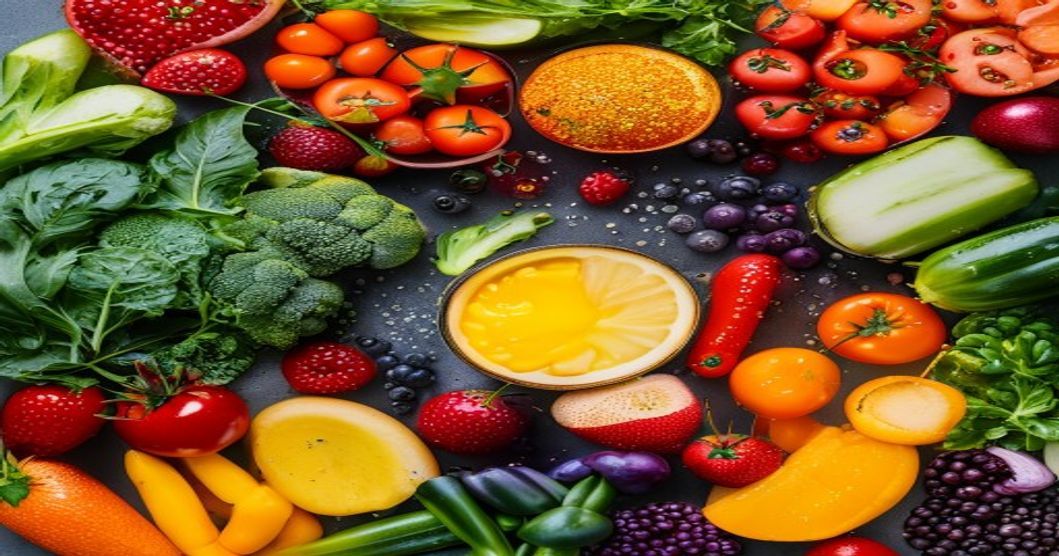
The allure of new horizons often comes with unforeseen challenges, especially when it comes to maintaining optimal health. A 2023 report by the World Tourism Organization indicated that approximately 30% of travelers prioritize health and wellness experiences during their trips, a figure projected to rise significantly by 2026. Yet, despite this growing awareness, a significant portion still struggles with diet-related issues that can dampen the joy of exploration. From jet lag-induced cravings to navigating unfamiliar cuisines with dietary restrictions, the modern traveler faces a complex nutritional landscape. This is where the power of AI-driven nutrition, specifically AINutry, emerges as the ultimate personalized travel companion, transforming how we fuel our adventures and ensuring well-being is never left behind.
Table of Contents
- The Unique Nutritional Challenges of Travel
- AINutry’s AI: Your Personalized Travel Nutrition Architect
- Pre-Trip Optimization: Laying the Nutritional Foundation
- On-the-Go Nutrition: Adapting to Diverse Environments
- Post-Travel Rejuvenation and Long-Term Wellness
The Unique Nutritional Challenges of Travel
Travel, while enriching, imposes a distinct set of physiological and logistical demands on the body. The disruption of circadian rhythms, commonly known as jet lag, can wreak havoc on metabolism, hormone regulation, and digestive function. Crossing multiple time zones alters meal times and sleep patterns, often leading to erratic eating habits, increased cravings for unhealthy comfort foods, and a general sense of malaise. Furthermore, exposure to new pathogens, varying hygiene standards, and the stress associated with transit can compromise the immune system, making travelers more susceptible to illness.
Beyond the internal physiological shifts, external factors present their own hurdles. Access to familiar or healthy food options can be severely limited, whether in airports, on long-haul flights, or in remote destinations. Travelers often find themselves at the mercy of convenience foods, which are typically high in unhealthy fats, sugars, and sodium, and low in essential micronutrients and fiber. Navigating diverse culinary traditions, while exciting, can be daunting for individuals with dietary restrictions, allergies, or specific health goals. The constant decision-making around food choices, coupled with the pressure to “try everything,” can lead to overeating, digestive upset, and a significant deviation from one’s regular, healthy diet.
The cumulative effect of these challenges often manifests as digestive discomfort, fatigue, reduced energy levels, and even a compromised immune response, impacting the overall travel experience. A 2024 survey conducted by leading travel health clinics revealed that up to 70% of long-haul travelers experience some form of gut dysbiosis or digestive discomfort, often exacerbated by changes in diet and routine. This highlights a critical gap in traditional travel planning, where nutrition is often an afterthought rather than a proactive strategy. The one-size-fits-all approach to travel nutrition is fundamentally flawed; what works for one traveler’s metabolism, activity level, and destination will not necessarily suit another. A truly personalized, adaptive solution is essential to mitigate these pervasive issues and ensure that every journey is not only memorable but also optimally healthy.
AINutry’s AI: Your Personalized Travel Nutrition Architect
AINutry stands at the forefront of this nutritional revolution, leveraging advanced artificial intelligence to craft hyper-personalized and dynamically adaptive nutrition plans for travelers. Our AI system begins by gathering comprehensive data from the user, encompassing a wide array of personal attributes and travel specifics. This includes individual health goals (e.g., weight management, energy optimization, immune support), existing dietary restrictions or preferences (e.g., vegan, gluten-free, low-FODMAP), known allergies, current health conditions, typical activity levels, and crucially, the detailed itinerary of their upcoming trip. The system considers everything from destination climate and local cuisine profiles to anticipated activity types (e.g., hiking, business meetings, relaxation).
Once this rich dataset is acquired, AINutry’s sophisticated algorithms spring into action. Utilizing machine learning and predictive analytics, the AI processes this information to identify potential nutritional gaps, anticipate challenges, and formulate a proactive strategy. It doesn’t just provide static meal plans; it creates a dynamic nutritional framework that evolves with the traveler’s journey. For instance, if a user is flying long-haul, the AI might recommend specific foods and hydration strategies to combat jet lag and reduce bloating. If they are traveling to a region known for specific dietary staples, it can suggest how to incorporate these healthily or find suitable alternatives. The system continuously learns from user feedback and real-world outcomes, refining its recommendations to become even more precise and effective over time, making it a truly intelligent companion.
The benefits of integrating AINutry’s AI into travel planning are multifaceted. It offers unparalleled precision, ensuring that every nutritional recommendation is tailored to the individual’s unique physiological needs and travel context, eliminating guesswork and promoting optimal performance. The convenience factor is immense, as the AI handles the complex calculations and research, freeing up the traveler to focus on their journey. Furthermore, its adaptive nature means the plan isn’t rigid; it can adjust in real-time to unforeseen changes in schedule, food availability, or activity levels. This proactive problem-solving capability empowers travelers to maintain their health goals effortlessly, transforming what was once a source of stress into a seamless aspect of their adventure.
Core Features of AINutry for Travelers
- Personalized Meal Plans: Tailored breakfast, lunch, and dinner suggestions based on itinerary, local availability, and dietary needs.
- Smart Snack Suggestions: Recommendations for nutrient-dense, travel-friendly snacks to maintain energy and prevent overeating.
- Hydration Reminders & Strategies: Customized fluid intake targets and advice for different climates and activity levels, especially for air travel.
- Supplement Recommendations: AI-driven suggestions for probiotics, vitamins, or other supplements to support immunity and digestion during travel.
- Local Cuisine Guidance: Intelligent advice on how to navigate local menus, identify healthy options, and avoid allergens while embracing cultural culinary experiences.
- Ingredient Analysis: Ability to scan or input menu items for nutritional breakdown and allergen alerts.
Pre-Trip Optimization: Laying the Nutritional Foundation
The journey to optimal travel health begins long before departure. Pre-trip nutrition is a critical, often overlooked, phase where strategic dietary choices can significantly bolster the body’s resilience against the inevitable stresses of travel. This preparatory period is an opportunity to fortify the immune system, stabilize gut health, and gradually acclimatize the body to impending changes, such as time zone shifts or new dietary patterns. Focusing on nutrient-dense foods, increasing fiber intake, and ensuring adequate hydration can build a robust internal defense, reducing the likelihood of digestive upset, fatigue, and illness while abroad. It’s about proactive conditioning, not just reactive management.
AINutry’s AI plays an instrumental role in this pre-trip optimization phase by providing a structured, personalized roadmap. Based on the user’s destination, duration, and health profile, the AI can recommend specific nutrient loading strategies. For example, if traveling to a region with potentially challenging food hygiene, the system might suggest a regimen to boost beneficial gut bacteria. For long-haul flights across multiple time zones, it could recommend a gradual shift in meal timing and specific foods known to support circadian rhythm adjustment. The AI can also advise on packing non-perishable, nutrient-rich snacks that align with security regulations and provide essential sustenance during transit gaps, ensuring continuous healthy fuel when options are scarce.
Practical steps for travelers, guided by AINutry, include dedicated meal prepping in the days leading up to the trip, focusing on anti-inflammatory foods, and perhaps incorporating specific superfoods known for their immune-boosting properties. Smart packing extends to bringing reusable water bottles, travel-sized containers for healthy snacks like nuts or dried fruit, and even a personal supply of probiotic supplements if recommended by the AI. Furthermore, AINutry can educate travelers on basic food safety practices relevant to their destination, helping them make informed choices about street food, tap water, and restaurant hygiene. By meticulously planning and executing a pre-trip nutritional strategy, travelers can embark on their adventures feeling energized, resilient, and ready for anything.
AINutry’s Pre-Travel Checklist
- Immune Boosting Protocol: Recommendations for Vitamin C, Zinc, and specific antioxidant-rich foods.
- Gut Health Priming: Probiotic-rich food suggestions and potential supplement advice to prepare the digestive system.
- Hydration Plan: Pre-hydration strategies and recommended water intake targets leading up to travel day.
- Jet Lag Mitigation Diet: Specific meal timing and food choices to help adjust to new time zones before departure.
- Travel Snack Packing Guide: A list of non-perishable, nutrient-dense snacks suitable for various modes of transport.
- Local Food Prep Advice: Tips on researching local cuisine, identifying safe options, and potential allergen translation guides.
On-the-Go Nutrition: Adapting to Diverse Environments
Once the journey begins, maintaining optimal nutrition becomes a dynamic challenge. Travelers frequently contend with the limited and often unhealthy choices found in airports and service stations, the unpredictability of restaurant menus, and the temptation of convenience foods. Long travel days can disrupt meal schedules, leading to skipped meals or impulsive, less healthy choices. The excitement of exploring new cultures often involves indulging in local delicacies, which, while enjoyable, can sometimes conflict with personal dietary goals or restrictions. These factors combined make it incredibly difficult for individuals to stick to their usual healthy eating habits, often resulting in energy crashes, digestive upset, and a general feeling of being off-kilter.
AINutry’s AI excels in providing real-time, adaptive guidance to navigate these complex on-the-go scenarios. By continuously processing the traveler’s location, schedule, and activity level, the platform can offer immediate, actionable recommendations. For instance, if a user is at an airport, AINutry can suggest healthy meal options available at nearby eateries, taking into account their dietary preferences and goals. If they are exploring a new city, the AI can identify restaurants with suitable menus, flag potential allergens in local dishes, and even suggest healthy modifications to traditional meals. The system can also adjust hydration and calorie recommendations based on factors like increased walking, changes in climate, or unexpected delays, ensuring the body remains optimally fueled and hydrated throughout the day.
Strategies for different travel types further underscore AINutry’s versatility. For business travelers facing tight schedules and formal dinners, the AI can provide quick, healthy meal prep ideas for hotel rooms or advise on making smart choices from extensive restaurant menus. Adventure travelers, with their high energy expenditure, receive recommendations for calorie-dense, portable nutrition that supports stamina and recovery. Leisure travelers, often more prone to indulgence, benefit from gentle nudges towards balanced eating and smart portion control. By providing intelligent, context-aware nutritional support, AINutry empowers travelers to make informed decisions, ensuring their health goals remain a priority without sacrificing the joy of exploration.
Navigating Specific Travel Scenarios
- Air Travel: Pre-ordered healthy meals, smart snack packing, and hydration strategies to combat cabin dehydration and jet lag.
- Road Trips: Recommendations for healthy roadside stops, packing cooler essentials, and avoiding processed convenience foods.
- Cruises: Guidance on navigating buffet lines, identifying healthier options, and managing portion sizes in an all-inclusive environment.
- Remote Locations/Camping: Advice on non-perishable, nutrient-dense foods, water purification, and maximizing limited resources.
- Business Travel: Tips for healthy restaurant choices, managing client dinners, and maintaining energy during long workdays.
Post-Travel Rejuvenation and Long-Term Wellness
The journey doesn’t end when you return home; the post-travel period is equally crucial for restoring equilibrium and ensuring sustained well-being. The body often needs time to recover from the accumulated stresses of travel, including disrupted sleep, dietary shifts, and potential exposure to new pathogens. Rebalancing the gut microbiome, which may have been disturbed by unfamiliar foods or antibiotics, is paramount. Additionally, addressing lingering fatigue, re-establishing healthy sleep patterns, and managing any post-travel digestive issues are vital steps to prevent a prolonged slump and seamlessly transition back into daily routines. Neglecting this recovery phase can lead to prolonged energy dips, weakened immunity, and a general feeling of being unwell.
AINutry’s AI extends its personalized support into this critical post-travel phase, offering tailored recovery protocols. Based on the traveler’s reported experiences during their trip and their initial health profile, the AI can recommend specific detoxification support strategies, such as incorporating liver-supporting foods or specific herbal teas. It crafts personalized recovery meal plans designed to replenish essential nutrients, reduce inflammation, and restore gut health. For individuals struggling with jet lag, the system can suggest dietary adjustments to help reset circadian rhythms, recommending foods that promote sleep or provide gentle energy boosts without relying on stimulants. The AI’s continuous learning capabilities mean that each post-travel recovery plan is refined based on individual responses, making the process increasingly effective over time.
Ultimately, AINutry aims to integrate travel nutrition into a broader, sustainable lifestyle. It’s not just about surviving a trip; it’s about thriving before, during, and after. By consistently using the platform, travelers can build a deeper understanding of their body’s unique responses to different environments and foods. This knowledge empowers them to make healthier choices not only when traveling but also in their everyday lives. AINutry becomes a constant companion, helping users to maintain healthy habits, adapt to life’s variables, and achieve long-term wellness, ensuring that every adventure, near or far, contributes positively to their overall health journey.
AINutry’s Post-Travel Recovery Protocol
- Gut Rebalancing Plan: Recommendations for probiotic-rich foods (fermented vegetables, yogurt) and prebiotics to restore healthy gut flora.
- Restorative Meal Plans: Focus on anti-inflammatory foods, lean proteins, and complex carbohydrates to support recovery and energy levels.
- Sleep Cycle Reset: Dietary suggestions (e.g., magnesium-rich foods, tryptophan sources) to aid in re-establishing healthy sleep patterns.
- Hydration & Electrolyte Replenishment: Guidance on optimal fluid intake and electrolyte balance, especially after active or hot climate travel.
- Immune System Support: Continued recommendations for immune-boosting nutrients to help the body fight off any post-travel bugs.
- Activity Integration: Advice on gently reintroducing exercise and activity, supported by appropriate nutrition.
Key Takeaways
- Travel presents unique nutritional challenges, from jet lag and unfamiliar cuisines to compromised immunity, impacting travel enjoyment and health.
- AINutry’s AI offers hyper-personalized, dynamic nutrition plans by analyzing individual health goals, dietary needs, and detailed travel itineraries.
- Pre-trip optimization with AI builds a strong nutritional foundation, boosting immunity, stabilizing gut health, and preparing the body for travel stresses.
- On-the-go nutrition is simplified by AINutry’s real-time guidance, helping travelers make healthy choices in airports, restaurants, and diverse environments.
- Post-travel recovery is crucial for rebalancing the body, and AINutry provides tailored plans to restore gut health, energy, and sleep patterns.
- AINutry integrates travel nutrition into a sustainable lifestyle, empowering users with knowledge for long-term well-being beyond their trips.
Visit ainutry.online for AI-personalized nutrition that transforms your travel experience and supports your well-being, wherever your journey takes you.
Frequently Asked Questions
How does AI personalize nutrition recommendations specifically for travelers?
AI nutrition platforms for travelers analyze various data points like your travel itinerary, destination cuisine, activity levels, dietary preferences, and health goals. It then uses algorithms to generate customized meal suggestions and supplement advice tailored to mitigate travel-related challenges like jet lag or digestive issues.
Is AI nutrition for travelers a safe and reliable source for dietary advice?
While AI offers highly personalized suggestions, its reliability depends on the quality of its underlying data and algorithms, which should be evidence-based and regularly updated by nutrition experts. Always cross-reference recommendations with a healthcare professional, especially if you have pre-existing health conditions or allergies.
Who would benefit most from using an AI nutrition guide for their travels?
Frequent travelers, individuals with specific dietary restrictions or health goals, and those looking to optimize their well-being while abroad would benefit significantly. It’s particularly useful for managing energy levels, preventing travel sickness, and adapting to new food environments.
Can AI nutrition help prevent common travel issues like jet lag or digestive problems?
Yes, an AI nutrition guide can be designed to recommend specific foods, hydration strategies, and meal timings to help mitigate jet lag symptoms and support digestive health. By analyzing your itinerary and body clock, it can suggest adjustments to help your body adapt more smoothly to new time zones and cuisines.
Leave a Reply