
With an increasing number of people turning to alternative treatments for eczema, the role of nutrition in managing this complex condition has come under greater scrutiny. Emerging research suggests that AI-powered nutrition education may hold the key to unlocking more effective symptom relief.
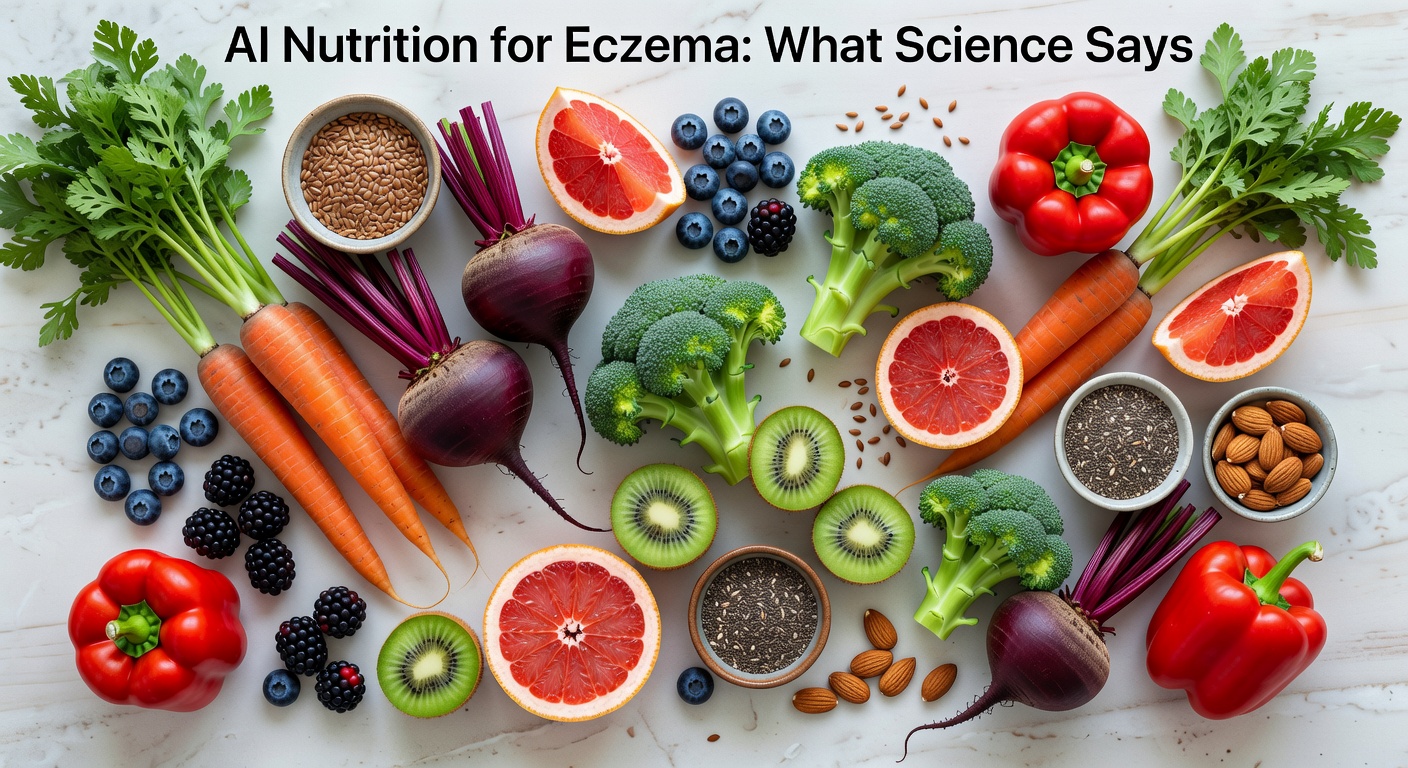
Table of Contents
- What is Eczema?
- The Role of Nutrition in Eczema Management
- Understanding the Eczema Skin Barrier
- Nutritional Triggers and Sensitivities in Eczema
- AI-Powered Nutrition for Eczema: Research Findings
- How AI Enhances Personalized Nutrition for Eczema
- Practical Applications of AI in Eczema Nutrition
- Key Takeaways from the Science
- FAQs About AI Nutrition and Eczema
What is Eczema?
Eczema, also known as atopic dermatitis, is a chronic inflammatory skin condition characterized by dryness, itching, and redness. According to the National Eczema Association, approximately 16 million people in the United States live with eczema, making it one of the most common skin conditions worldwide.
Subsection: Prevalence and Impact
Eczema can have a significant impact on a person’s quality of life, causing discomfort, anxiety, and decreased self-esteem. Research suggests that individuals with eczema are also more likely to experience other atopic diseases, such as asthma and allergies.
The persistent itch-scratch cycle associated with eczema can disrupt sleep, impair concentration, and lead to social isolation. This pervasive impact underscores the need for comprehensive management strategies that address both the physical symptoms and the psychological burden of the condition.
The Role of Nutrition in Eczema Management
Nutrition plays a crucial role in maintaining healthy skin, particularly for individuals with eczema. A diet is not merely about providing energy; it’s about supplying the building blocks for skin repair, regulating inflammatory responses, and supporting a robust immune system. For those with eczema, a compromised skin barrier allows allergens and irritants to penetrate more easily, triggering inflammatory cascades that manifest as flare-ups. Therefore, optimizing nutrient intake can be a powerful tool in mitigating these reactions and strengthening the skin’s natural defenses.
Subsection: Essential Nutrients for Skin Health
Certain nutrients are particularly vital for skin health and can play a significant role in managing eczema. These include essential fatty acids, vitamins, and minerals, each contributing to the skin’s structure, function, and ability to heal. Ensuring adequate intake of these micronutrients can help reduce inflammation, improve hydration, and support the integrity of the skin barrier.
Omega-3 Fatty Acids: Found in fatty fish, flaxseeds, and walnuts, omega-3s are renowned for their anti-inflammatory properties. They can help to modulate the immune response and reduce the production of inflammatory mediators that exacerbate eczema.
Vitamin D: Often referred to as the “sunshine vitamin,” Vitamin D plays a role in immune function and skin barrier repair. Studies have indicated that individuals with eczema may have lower levels of Vitamin D, and supplementation has shown promise in some cases for improving symptoms.
Zinc: This mineral is crucial for wound healing and immune function. Zinc deficiency can impair skin repair, and its anti-inflammatory properties can be beneficial in managing eczema.
Probiotics: The gut microbiome plays a significant role in overall health, including immune regulation. Emerging research suggests a link between gut health and eczema, with probiotics potentially helping to rebalance gut bacteria and reduce inflammation.
Antioxidants (Vitamins C and E, Selenium): These compounds help protect skin cells from oxidative stress, which can contribute to inflammation and skin damage. They are found in fruits, vegetables, nuts, and seeds.
Understanding the Eczema Skin Barrier
The skin barrier is the outermost layer of the epidermis, acting as a physical shield against environmental aggressors like pathogens, allergens, and irritants. In individuals with eczema, this barrier is often compromised, a condition known as a “leaky” skin barrier. This impairment is characterized by reduced levels of ceramides, a type of lipid essential for maintaining skin hydration and cohesion. When the skin barrier is compromised, it loses its ability to retain moisture effectively, leading to dryness and increased susceptibility to external triggers.
Subsection: The Lipid Barrier and Ceramides
Ceramides are a crucial component of the stratum corneum, the outermost layer of the epidermis. They form a lipid matrix that prevents transepidermal water loss (TEWL) and protects the skin from environmental insults. In eczema, there is a deficiency in ceramides, leading to a weakened barrier function. This deficiency can be influenced by genetic factors and environmental exposures. Replenishing ceramides through topical treatments or dietary intake of essential fatty acids that the body uses to synthesize ceramides can be beneficial.
Subsection: The Immune System’s Role in Skin Inflammation
Eczema is fundamentally an inflammatory condition. The immune system in individuals with eczema is often overreactive, mistaking harmless substances as threats and launching an inflammatory response. This response involves the release of cytokines, signaling molecules that recruit immune cells to the skin, leading to redness, itching, and swelling. Nutritional interventions can help modulate this immune response by reducing systemic inflammation and promoting a more balanced immune system, thereby lessening the severity and frequency of eczema flare-ups.
Nutritional Triggers and Sensitivities in Eczema
Identifying and avoiding specific food triggers is a cornerstone of dietary management for eczema, although this can be a complex and individualized process. While common culprits like dairy, eggs, soy, and wheat are often implicated, sensitivities can vary greatly from person to person. It’s crucial to approach elimination diets with caution and under professional guidance to ensure adequate nutrient intake and avoid unnecessary restrictions.
Subsection: Identifying Food Triggers
The process of identifying food triggers typically involves an elimination diet, where suspected foods are removed from the diet for a period and then systematically reintroduced. This careful reintroduction allows individuals and their healthcare providers to observe any correlation between specific foods and eczema flare-ups. Keeping a detailed food and symptom diary is essential during this process. This diary should log everything consumed, along with the timing and severity of any skin reactions, to pinpoint potential culprits.
Subsection: The Gut-Skin Axis in Eczema
The concept of the gut-skin axis highlights the intricate communication pathway between the gastrointestinal tract and the skin. An imbalanced gut microbiome, often referred to as dysbiosis, can contribute to systemic inflammation that manifests on the skin. This connection suggests that improving gut health through diet, including the consumption of prebiotics and probiotics, may have a positive impact on eczema symptoms. Prebiotics are fibers that feed beneficial gut bacteria, while probiotics are live microorganisms that can help restore a healthy balance.
AI-Powered Nutrition for Eczema: Research Findings
Recent studies have explored the potential benefits of AI-powered nutrition education in managing eczema symptoms. By leveraging machine learning algorithms, researchers can identify personalized dietary patterns that may be more effective than traditional treatments. AI’s ability to process vast amounts of data allows for a more nuanced understanding of the complex interplay between diet, individual physiology, and eczema severity.
Subsection: Personalized Nutrition and Eczema
- AI-driven nutritional analysis can identify individual nutritional deficiencies and imbalances by analyzing a wide range of data points, including dietary logs, genetic information, microbiome profiles, and symptom tracking.
- Personalized dietary recommendations derived from AI analysis, considering genetic predispositions, specific lifestyle factors (like stress levels and sleep patterns), and real-time health status, are hypothesized to lead to more significant and sustained symptom relief than generic dietary advice.
- Future research is actively investigating the long-term efficacy, safety, and scalability of AI-powered nutrition education platforms in managing eczema symptoms across diverse populations, aiming to validate its role as a complementary therapy.
These AI-driven insights move beyond generalized dietary advice, offering a tailored approach that acknowledges the unique biological makeup and environmental exposures of each individual with eczema. This precision nutrition aims to optimize nutrient intake, identify specific food sensitivities, and support the body’s natural healing processes more effectively.
How AI Enhances Personalized Nutrition for Eczema
Artificial Intelligence, particularly machine learning, offers a powerful toolkit for dissecting the intricate relationships between diet and eczema. Unlike traditional dietary approaches that often rely on broad guidelines, AI can analyze complex, multi-dimensional datasets to uncover subtle patterns and correlations that are invisible to the human eye.
Subsection: Data Integration and Pattern Recognition
AI algorithms can integrate diverse data sources, including detailed food diaries, blood test results (for nutrient levels and inflammatory markers), genetic predispositions, gut microbiome composition, environmental exposures (like pollution or pollen counts), and even wearable sensor data (tracking sleep, activity, and stress). By processing this wealth of information, AI can identify specific dietary components or combinations that consistently correlate with either symptom improvement or exacerbation for a particular individual.
Subsection: Predictive Modeling for Flare-Ups
Beyond identifying current issues, AI can be trained to predict potential eczema flare-ups based on patterns in an individual’s data. For instance, if the AI detects a pattern where consuming certain foods combined with a period of poor sleep consistently precedes a flare-up, it can issue a proactive warning. This allows individuals to adjust their diet or lifestyle proactively, potentially preventing or mitigating the severity of an impending flare-up.
Subsection: Dynamic Dietary Adjustments
Eczema management is not static. Flare-ups can occur due to various factors, and an individual’s dietary needs may change over time. AI-powered systems can continuously monitor an individual’s progress and adjust dietary recommendations in real-time. If a particular dietary change doesn’t yield the expected results, or if new symptoms emerge, the AI can recalibrate its advice based on the latest data, ensuring that the nutritional strategy remains optimal.
Practical Applications of AI in Eczema Nutrition
The theoretical capabilities of AI in eczema nutrition are increasingly translating into tangible tools and applications that individuals can utilize. These applications aim to make personalized nutrition more accessible and actionable.
Subsection: AI-Powered Nutrition Tracking Apps
Numerous mobile applications are now incorporating AI features to help users track their food intake, monitor symptoms, and receive personalized dietary insights. These apps can analyze logged meals, identify potential nutritional gaps, and suggest recipes or food swaps that align with an individual’s eczema management goals. Some advanced apps even integrate with wearable devices to correlate dietary intake with sleep quality and activity levels.
Subsection: AI-Driven Food Sensitivity Testing and Recommendations
While not a replacement for medical diagnosis, AI can assist in the interpretation of food sensitivity tests and help individuals navigate the complex world of elimination diets. By analyzing patterns in symptom responses to different foods, AI can help refine elimination and reintroduction protocols, making the process more efficient and less overwhelming. The recommendations generated by AI can extend to suggesting alternative ingredients or meal plans that avoid identified triggers while ensuring nutritional adequacy.
Subsection: AI for Educational Resources and Support
AI can also play a vital role in delivering personalized educational content about nutrition and eczema. Chatbots and AI-powered educational platforms can answer user questions, explain complex nutritional concepts, and provide tailored advice based on individual profiles. This democratizes access to evidence-based information, empowering individuals to make informed decisions about their diet and manage their condition more effectively.
Key Takeaways from the Science
- AI-powered nutrition education represents a promising frontier in the management of eczema, offering a more personalized and data-driven approach than traditional methods.
- Personalized dietary recommendations, informed by AI analysis of individual nutritional profiles, genetic factors, and lifestyle data, have the potential to significantly improve skin health and reduce eczema symptom severity.
- While AI shows great promise, further robust, long-term research is essential to definitively confirm its efficacy and establish standardized protocols for AI-powered nutrition interventions in eczema management.
- A foundational understanding of nutrition remains critical: a balanced diet rich in anti-inflammatory omega-3 fatty acids, vital vitamins (like D), and minerals (like zinc) is crucial for reducing inflammation and supporting the skin barrier’s integrity.
- AI-driven nutritional analysis is a powerful tool for identifying subtle, individual nutritional deficiencies and imbalances that may contribute to or exacerbate eczema symptoms, allowing for targeted interventions.
- The integration of AI with other health data, such as microbiome analysis and genetic information, can unlock deeper insights into the complex pathogenesis of eczema and lead to more precise and effective dietary strategies.
- Practical applications of AI, such as nutrition tracking apps and personalized recommendation engines, are making advanced dietary management more accessible to individuals with eczema.
FAQs About AI Nutrition and Eczema
- Q: Can AI-powered nutrition education cure eczema?
- Q: How does AI-driven nutritional analysis work for eczema?
- Q: Can I use AI-powered nutrition education in conjunction with traditional treatments for eczema?
- Q: Is AI-powered nutrition education safe for individuals with eczema?
- Q: How is AI different from a standard nutritionist or dietitian for eczema?
- Q: What kind of data does an AI need to provide effective eczema nutrition advice?
- Q: Are there any risks associated with relying too heavily on AI for eczema nutrition?
A: No, AI-powered nutrition education is not a cure for eczema. It is a tool to help manage symptoms more effectively by providing personalized dietary recommendations. Eczema is a complex chronic condition that often requires a multi-faceted approach.
A: AI-driven nutritional analysis utilizes machine learning algorithms to process vast amounts of data. This data can include your food intake logs, genetic predispositions, gut microbiome composition, lifestyle factors (sleep, stress), and even symptom tracking. The AI identifies patterns and correlations to pinpoint specific nutritional deficiencies, imbalances, or dietary triggers that may be contributing to your eczema.
A: Absolutely. AI-powered nutrition education is intended to be a complementary approach. It can work alongside conventional medical treatments like topical creams, medications, and lifestyle modifications. Always consult with your dermatologist or healthcare provider before making significant changes to your treatment plan, including dietary interventions.
A: Generally, AI-powered nutrition education is considered safe when used responsibly and in consultation with healthcare professionals. The safety and efficacy depend on the quality of the AI system and the individual’s specific health needs. It’s crucial to use reputable platforms and to discuss any AI-generated recommendations with a qualified healthcare provider to ensure they are appropriate for your unique situation and do not lead to restrictive or unbalanced diets.
A: While a nutritionist or dietitian provides expert human guidance, AI can process and analyze a much larger and more complex dataset at a faster pace. AI can identify subtle patterns in your personal data that might be missed by human analysis alone. However, AI is a tool, and the interpretation and application of its insights are often best guided by a human health professional.
A: The more comprehensive the data, the more personalized and effective the AI’s advice will be. Key data points include detailed food diaries, symptom severity and frequency, sleep patterns, stress levels, exercise routines, medication history, and potentially genetic information or microbiome test results. Blood work indicating nutrient levels or inflammatory markers can also be invaluable.
A: Potential risks include over-reliance on technology without professional oversight, leading to misinterpretation of data or the adoption of overly restrictive diets. There’s also the risk of using AI platforms with flawed algorithms or insufficient scientific backing. Always prioritize evidence-based information and consult with healthcare professionals.
Frequently Asked Questions
Who can benefit most from using AI nutrition plans for eczema management?
Individuals struggling with chronic eczema who haven’t found relief with general dietary advice can greatly benefit. AI nutrition offers personalized recommendations based on an individual’s unique biological data, helping to identify specific dietary triggers and beneficial nutrients for their condition.
Are there any potential risks or side effects when following AI nutrition recommendations for eczema?
While AI nutrition aims for evidence-based, safe recommendations, it’s crucial to consult a healthcare professional before making significant dietary changes, especially if you have existing allergies or medical conditions. This ensures the plan is nutritionally complete and avoids adverse interactions or deficiencies.
What scientific evidence supports the effectiveness of AI nutrition in managing eczema symptoms?
The scientific support for AI nutrition in eczema stems from its ability to analyze vast datasets of nutritional science, individual health markers, and clinical outcomes to identify personalized dietary patterns. Emerging research suggests that highly individualized nutritional interventions can significantly reduce inflammation and improve skin barrier function in eczema patients.
How often should an AI nutrition plan for eczema be reviewed or updated?
An AI nutrition plan for eczema should ideally be reviewed and updated periodically, especially as symptoms change, new scientific evidence emerges, or an individual’s health status evolves. Regular updates ensure the recommendations remain optimized and responsive to the body’s ongoing needs and progress.
One response to “AI Nutrition for Eczema: What Science Says - Evidence-Based”
-
[…] an autoimmune condition affecting millions worldwide, may benefit from AI-powered nutrition education. Research suggests that dietary changes can reduce inflammation and improve […]
Leave a Reply