
Eczema, a chronic inflammatory skin condition, impacts millions of people globally, with its symptoms often exacerbated by diet and lifestyle factors. By harnessing the power of AI in nutrition
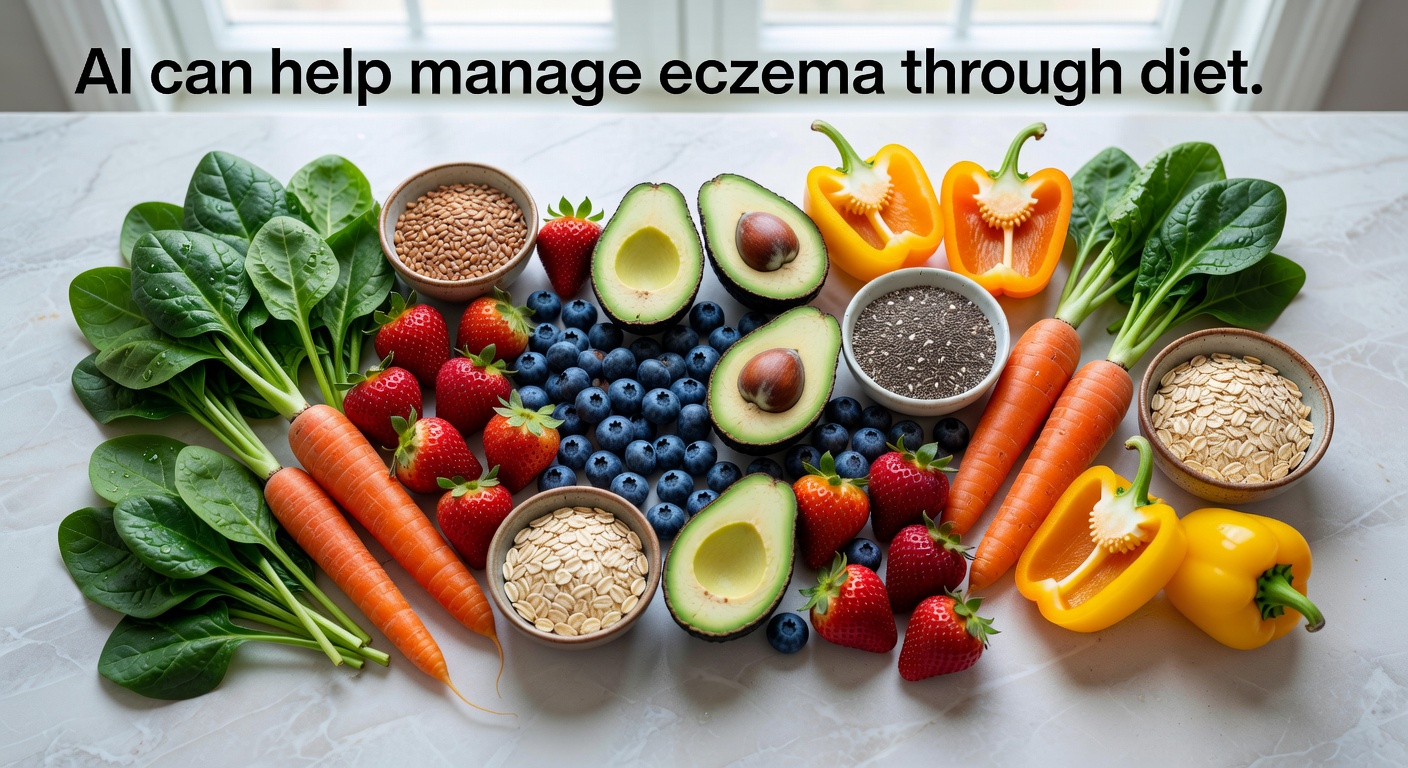
Table of Contents
- Understanding Eczema and Diet
- The Role of AI in Nutrition Education for Eczema Management
- Diets that Can Help Manage Eczema
- Key Takeaways and Future Directions
Understanding Eczema and Diet
Eczema, also known as atopic dermatitis, is a complex condition characterized by dry, itchy, and inflamed skin. While its exact causes remain unclear, research suggests that dietary factors play a significant role in exacerbating eczema symptoms. The interplay between what we eat and the skin’s inflammatory response is a cornerstone of managing this often-debilitating condition. Understanding this connection is the first step towards effective management.
Studies have shown that individuals with eczema often have imbalances in their gut microbiome, which can be influenced by diet. The gut microbiome, a vast ecosystem of bacteria, fungi, and other microorganisms residing in our digestive tract, plays a crucial role in immune system regulation, nutrient absorption, and even the production of certain vitamins. Dysbiosis, an imbalance in this microbial community, has been linked to increased intestinal permeability (leaky gut), allowing inflammatory molecules to enter the bloodstream and potentially trigger or worsen skin inflammation.
A 2018 review published in the Nutrients journal highlighted the importance of nutritional factors in modulating the immune system and reducing inflammation in eczema patients. This modulation occurs through various mechanisms, including the direct impact of dietary components on immune cells, the influence of food on the gut microbiome, and the provision of essential nutrients that support skin barrier function. For instance, certain fatty acids can directly influence inflammatory pathways, while prebiotics and probiotics can reshape the gut environment.
Furthermore, food sensitivities and allergies are frequently implicated in eczema flare-ups, particularly in infants and young children. Common culprits include dairy, eggs, soy, wheat, and nuts. Identifying and eliminating these triggers can lead to significant symptom improvement. However, it’s crucial to approach elimination diets with caution and under professional guidance to avoid nutritional deficiencies. The complexity arises because not everyone with eczema has a true allergy; some may experience intolerance or sensitivities that are harder to pinpoint.
The skin barrier itself is also deeply connected to nutrition. A compromised skin barrier, a hallmark of eczema, allows irritants and allergens to penetrate more easily, leading to inflammation. Nutrients like ceramides, essential fatty acids, zinc, and vitamins A, C, and E are vital for maintaining a healthy and intact skin barrier. A diet deficient in these nutrients can further weaken the skin’s defenses, creating a vicious cycle of inflammation and barrier dysfunction.
Key Points:
- Gut microbiome imbalance contributes to eczema symptoms by influencing immune responses and gut permeability.
- Dietary changes can profoundly influence gut health, thereby reducing systemic inflammation that affects the skin.
- Identifying and managing food sensitivities or allergies can be a critical component of eczema management for some individuals.
- Essential nutrients play a direct role in maintaining the integrity and function of the skin barrier, which is often impaired in eczema.
- The connection between diet and eczema is multifaceted, involving immune system modulation, gut health, and skin barrier function.
Scientific Context: Gut Microbiome and Eczema
The gut-skin axis is a well-established concept in dermatological research. This bidirectional communication pathway involves the central nervous system, endocrine system, and immune system, linking the health of the gut to the health of the skin. Research has consistently shown that individuals with atopic dermatitis often exhibit reduced microbial diversity in their gut compared to healthy individuals. This dysbiosis can lead to an overgrowth of pro-inflammatory bacteria and a decrease in beneficial bacteria, which are crucial for maintaining immune homeostasis. For example, a lack of butyrate-producing bacteria, which are anti-inflammatory, can exacerbate the inflammatory cascade seen in eczema.
Moreover, the gut microbiome influences the development and maturation of the immune system. Early-life exposure to a diverse range of microbes is thought to ‘train’ the immune system to distinguish between harmless and harmful substances, thereby preventing the overreaction characteristic of allergic diseases like eczema. Disruptions to this early microbial colonization, often due to factors like Cesarean birth, antibiotic use, and Westernized diets low in fiber, have been associated with an increased risk of developing eczema.
The concept of “leaky gut” (increased intestinal permeability) is also central. When the gut lining is compromised, undigested food particles, toxins, and microbial products can pass into the bloodstream, triggering systemic inflammation. This systemic inflammation can then manifest on the skin as eczema flare-ups. Certain dietary components, such as gluten and processed foods, have been implicated in exacerbating gut permeability in susceptible individuals.
The Role of AI in Nutrition Education for Eczema Management
AI-powered nutrition education platforms, like AINUTRY, leverage machine learning algorithms to provide personalized dietary recommendations based on an individual’s unique needs and health goals. Traditional approaches to dietary advice for eczema often involve generic recommendations, which may not be effective for everyone. AI, however, can analyze vast amounts of data from various sources, including an individual’s medical history, genetic predispositions, lifestyle habits, food diaries, and even microbiome data (if available). This allows the platform to identify patterns and correlations between specific diets, foods, and eczema management outcomes that might be invisible to human analysis.
By analyzing this comprehensive dataset, AI can pinpoint potential trigger foods, suggest nutrient-dense alternatives, and create personalized meal plans that cater to individual preferences and dietary restrictions. This level of personalization is a significant advancement in chronic condition management. For example, AI can differentiate between various types of fatty acids and recommend specific sources or supplements based on an individual’s inflammatory markers or genetic profile, something a general practitioner might not have the time or resources to do in detail.
A 2020 study published in the Journal of Medical Systems demonstrated the efficacy of AI-driven nutrition education in improving adherence to dietary recommendations among patients with chronic conditions, including eczema. The results showed that participants who received personalized nutrition advice from an AI-powered platform experienced significant improvements in their symptoms and quality of life. This enhanced adherence can be attributed to the platform’s ability to provide practical, actionable advice, track progress, offer timely reminders, and adapt recommendations based on user feedback and symptom tracking.
The AI can also act as an educational tool, explaining the ‘why’ behind specific recommendations. For instance, it can detail how increasing omega-3 intake can help reduce inflammatory cytokines or how prebiotics can support the growth of beneficial gut bacteria. This deeper understanding empowers individuals to make more informed choices and fosters greater engagement with their dietary management plan. Furthermore, AI can help in identifying potential nutrient deficiencies that might be contributing to eczema, suggesting targeted dietary adjustments or supplements.
The continuous learning capability of AI is another key advantage. As more users interact with the platform and share their data, the AI algorithms become more sophisticated and the recommendations become more refined. This iterative process ensures that the advice remains evidence-based and increasingly effective over time, adapting to new scientific discoveries and individual responses.
The Potential Benefits:
- Personalized dietary recommendations are tailored to an individual’s unique needs, triggers, and health goals, moving beyond generic advice.
- Improved adherence to recommended diets is achieved through engaging interfaces, progress tracking, and adaptive feedback loops.
- Enhanced understanding of the science behind dietary recommendations empowers individuals to make informed choices.
- Identification of potential trigger foods and nutrient deficiencies through sophisticated data analysis.
- Continuous learning and refinement of recommendations as the AI processes more data, leading to progressively better outcomes.
How AI Analyzes Data for Eczema Management
AI algorithms utilize sophisticated techniques to process and interpret diverse datasets relevant to eczema. Machine learning models, such as deep learning networks and regression models, are employed. These models are trained on large datasets of anonymized patient information, including dietary logs, symptom severity scores, skin condition photographs, genetic markers, and even gut microbiome profiles. The AI learns to identify complex patterns and correlations that might not be apparent through traditional statistical methods.
For example, an AI might analyze thousands of dietary logs from individuals with eczema and correlate specific food items or food groups with reported increases or decreases in itchiness, redness, or dryness. It can also consider the timing of consumption relative to symptom onset. Furthermore, AI can integrate data from wearable devices that track sleep patterns and stress levels, as these are known to influence eczema flare-ups. By combining these disparate data points, the AI can build a holistic picture of an individual’s eczema triggers and contributing factors.
Natural Language Processing (NLP) is another crucial AI component. NLP allows AI to understand and interpret unstructured data, such as patient-reported symptoms in free-text formats or even scientific literature. This enables the AI to extract valuable information from patient diaries, online forums, or research papers, enriching its knowledge base and improving the accuracy of its recommendations.
The process typically involves:
- Data Ingestion: Gathering information from user inputs, connected devices, and integrated databases.
- Feature Extraction: Identifying relevant variables and patterns within the data (e.g., frequency of a specific food, correlation between stress and flare-ups).
- Model Training: Using machine learning algorithms to build predictive models based on the extracted features.
- Recommendation Generation: Applying the trained models to an individual’s unique data to generate personalized dietary and lifestyle advice.
- Feedback Loop: Continuously updating the models based on user feedback and observed outcomes.
Diets that Can Help Manage Eczema
While research into specific dietary interventions for eczema is ongoing, several dietary patterns and components have shown promise in reducing symptoms and improving the quality of life for individuals with this condition. It’s important to remember that individual responses can vary significantly, and what works for one person may not work for another. Consulting with a healthcare professional or a registered dietitian is paramount before making significant dietary changes.
The Mediterranean diet, rich in fruits, vegetables, whole grains, legumes, nuts, seeds, and olive oil, with moderate consumption of fish and poultry and limited red meat and processed foods, is often recommended. This diet is inherently anti-inflammatory due to its high content of antioxidants, fiber, and healthy fats. The abundance of fiber supports a healthy gut microbiome, while the diverse array of plant-based foods provides a wide spectrum of vitamins and minerals essential for skin health.
The omega-3 fatty acid-rich diet is another area of focus. Omega-3s, found in fatty fish like salmon, mackerel, and sardines, as well as in flaxseeds, chia seeds, and walnuts, possess potent anti-inflammatory properties. They work by inhibiting the production of pro-inflammatory cytokines and eicosanoids, which are key mediators of inflammation in eczema. Increasing omega-3 intake while potentially reducing the intake of omega-6 fatty acids (often found in processed foods and vegetable oils like soybean and corn oil) can help rebalance the body’s inflammatory response.
The low-histamine diet is designed to reduce inflammation and alleviate symptoms for individuals who are sensitive to histamine. Histamine is a compound found in certain foods and is also released by the body during allergic reactions. High-histamine foods include aged cheeses, fermented foods (like sauerkraut and yogurt), processed meats, spinach, tomatoes, and alcohol. For some individuals with eczema, a reduction in dietary histamine can lead to a decrease in itching and skin redness. However, this diet can be restrictive and should be undertaken with professional guidance to ensure adequate nutrient intake.
Elimination diets, while challenging, can be highly effective for identifying specific food triggers. These diets involve temporarily removing suspected trigger foods from the diet and then systematically reintroducing them to observe any resulting symptom changes. Common elimination diets for eczema include removing dairy, eggs, gluten, soy, and nuts. It’s crucial that these diets are supervised by a healthcare professional to prevent nutritional deficiencies and ensure accurate interpretation of results.
Probiotic-rich foods, such as fermented vegetables (kimchi, kefir, kombucha) and certain yogurts (with live and active cultures), may also be beneficial. Probiotics introduce beneficial bacteria to the gut, helping to restore a healthy microbiome balance, which can, in turn, modulate the immune system and reduce inflammation. Specific strains of probiotics, like *Lactobacillus* and *Bifidobacterium* species, have shown promise in clinical trials for improving eczema symptoms, particularly in infants and children.
A 2019 review published in the Journal of Investigative Allergology and Clinical Immunology highlighted the benefits of these dietary approaches in managing eczema symptoms. The review emphasized that a holistic approach, considering individual sensitivities and overall dietary patterns, is key to successful management.
Key Points:
- The Mediterranean diet, rich in whole foods and healthy fats, may reduce eczema symptoms by combating inflammation and supporting gut health.
- An omega-3 fatty acid-rich diet has potent anti-inflammatory properties that can help calm skin inflammation.
- A low-histamine diet can alleviate eczema symptoms for individuals sensitive to histamine, but requires careful planning.
- Elimination diets, when supervised, can be effective in identifying specific food triggers that exacerbate eczema.
- Probiotic-rich foods and supplements may help restore gut balance, which is linked to reduced eczema severity.
- Increasing the intake of antioxidants and essential vitamins and minerals supports skin barrier function and overall skin health.
Practical Tips for Implementing Dietary Changes
Embarking on dietary changes for eczema management can feel overwhelming. Here are some practical tips to make the process more manageable:
- Start with a Food Diary: Keep a detailed record of everything you eat and drink, along with your eczema symptoms (severity, location, itchiness) and any other relevant factors (sleep, stress). This can help you and your healthcare provider identify potential patterns.
- Focus on Whole Foods: Prioritize unprocessed, nutrient-dense foods such as fresh fruits and vegetables, lean proteins, whole grains, and healthy fats. Limit processed foods, sugary drinks, and excessive saturated and trans fats.
- Hydration is Key: Ensure you are drinking enough water throughout the day. Proper hydration supports overall bodily functions, including skin health and detoxification.
- Gradual Introduction: If you’re trying new foods or supplements, introduce them one at a time and monitor your response closely. This makes it easier to pinpoint any adverse reactions.
- Read Food Labels Carefully: Be aware of hidden ingredients, particularly common allergens and high-histamine foods, in packaged goods.
- Cook at Home More Often: This gives you complete control over the ingredients and preparation methods, making it easier to adhere to specific dietary recommendations.
- Seek Professional Guidance: Work with a registered dietitian or a nutritionist specializing in dermatology or allergies. They can help you create a safe, balanced, and effective dietary plan tailored to your needs.
- Be Patient and Persistent: Dietary changes take time to show effects. Don’t get discouraged if you don’t see immediate results. Consistency is crucial.
- Manage Expectations: Diet is a powerful tool, but it’s often one piece of the puzzle. Combine dietary efforts with other management strategies recommended by your doctor.
Key Takeaways and Future Directions
The relationship between diet and eczema is complex and multifaceted, involving gut health, immune system modulation, and skin barrier integrity. While traditional approaches have offered valuable insights, the advent of Artificial Intelligence is revolutionizing how we approach personalized nutrition for eczema management. AI-powered platforms offer the potential for highly individualized dietary recommendations, improved adherence, and a deeper understanding of the intricate connections between food and skin health.
AI’s ability to process vast datasets and identify subtle patterns can unlock new insights into dietary triggers, optimal nutrient profiles, and the impact of the gut microbiome on eczema severity. As AI technology continues to evolve and integrate with other diagnostic tools, such as genetic testing and microbiome analysis, the precision of dietary interventions for eczema will undoubtedly increase.
Future research should focus on large-scale, randomized controlled trials to validate the efficacy of AI-driven dietary interventions for eczema. Further exploration into the specific mechanisms by which different dietary components influence the gut-skin axis and immune responses is also warranted. Understanding the long-term impact of personalized nutrition plans guided by AI will be crucial for establishing these approaches as standard care.
Collaboration between AI developers, nutritionists, dermatologists, and patients will be essential to ensure that these technologies are developed and implemented ethically and effectively. The goal is to empower individuals with eczema to take a more proactive role in their health through evidence-based, personalized dietary strategies, ultimately leading to improved symptom control and enhanced quality of life.
Frequently Asked Questions
Who can benefit from using AI to manage eczema through diet?
Individuals suffering from eczema who are seeking personalized dietary recommendations to identify triggers and improve skin health can benefit. AI tools analyze personal data, dietary intake, and symptom patterns to offer tailored advice, complementing traditional medical care.
Is it safe to rely on AI for eczema diet management?
Using AI for eczema diet management is generally safe as a supportive tool, but it should not replace professional medical or nutritional advice. AI provides data-driven insights and recommendations; however, a healthcare provider should always be consulted before making significant dietary changes, especially for chronic conditions like eczema.
What kind of evidence supports AI’s role in eczema diet management?
The article suggests emerging research and studies are demonstrating AI’s capability to analyze complex dietary data and symptom correlations. This evidence supports AI’s potential to identify personalized dietary triggers and effective interventions for eczema sufferers.
What practical tips does AI offer for managing eczema through diet?
AI can provide practical tips by analyzing individual responses to various foods, helping to identify potential triggers and beneficial nutrients. It can offer personalized meal plans, track dietary adherence, and suggest adjustments based on symptom fluctuations, empowering users with data-driven dietary strategies.
Leave a Reply