
Did you know that 95% of individuals aged 11 to 30 experience acne at some point, with diet playing a significant, yet often misunderstood, role? For years, the connection between what we eat and the clarity of our skin has been debated. Now, as we move towards 2026, artificial intelligence is emerging as a powerful ally in untangling this complex relationship and offering personalized dietary strategies for acne management.
Table of Contents
- The Evolving Understanding of Acne and Diet
- AI’s Role in Unraveling Dietary Triggers
- The Glycemic Impact: Sugar, Insulin, and Inflammation
- Dairy’s Complex Connection to Acne
- Essential Micronutrients for Clearer Skin
- Actionable AI-Powered Strategies for Acne Management
The Evolving Understanding of Acne and Diet
Acne vulgaris, a common skin condition, is far more than a superficial ailment. It’s a multifactorial disease influenced by genetics, hormones, inflammation, and the intricate ecosystem of our gut microbiome. Historically, dietary advice for acne has been broad and often based on anecdotal evidence, leading to confusion and frustration for many. However, recent scientific advancements, coupled with the analytical power of AI, are revolutionizing our approach, shifting from generalized recommendations to highly individualized dietary interventions. The focus is no longer just on “avoiding chocolate,” but on understanding the nuanced physiological responses to specific food components and patterns.
The inflammatory nature of acne is a key area where diet intersects with skin health. Certain foods can trigger or exacerbate inflammatory pathways within the body, which in turn can worsen acne lesions. This includes the release of pro-inflammatory cytokines and the activation of immune cells. Understanding these mechanisms allows for a more targeted dietary approach, aiming to modulate inflammation rather than simply restricting entire food groups without clear scientific backing. The gut-skin axis, the bidirectional communication between the gastrointestinal tract and the skin, is also gaining significant attention, highlighting how gut health, influenced by diet, can directly impact skin conditions like acne.
As we look ahead to 2026, the integration of AI into nutrition science promises to unlock unprecedented insights into these complex interactions. By analyzing vast datasets of dietary intake, lifestyle factors, and individual health markers, AI can identify subtle patterns and correlations that human analysis might miss. This capability is crucial for moving beyond generalized advice and providing personalized dietary roadmaps that are scientifically validated and tailored to an individual’s unique biological profile, ultimately leading to more effective acne management strategies.
AI’s Role in Unraveling Dietary Triggers
Artificial intelligence is transforming how we approach personalized nutrition, and acne management is a prime example. AI algorithms can process and analyze an immense volume of data, including individual food diaries, genetic predispositions, gut microbiome profiles, and even real-time physiological responses (e.g., blood glucose monitoring). This comprehensive analysis allows AI to identify specific dietary patterns or individual food items that are consistently associated with increased acne severity for a particular person. Instead of relying on broad generalizations, AI can pinpoint precise triggers, such as a specific type of carbohydrate or a particular dairy protein, that might be contributing to an individual’s breakouts.
Furthermore, AI can predict how changes in dietary intake might affect key biomarkers related to acne, such as insulin-like growth factor 1 (IGF-1), inflammatory markers, and androgen levels. By simulating these responses, AI can help individuals make informed dietary adjustments with a higher probability of success. This predictive capability is invaluable, as it allows for proactive management rather than reactive treatment. A 2024 survey revealed that 68% of individuals struggling with acne reported feeling overwhelmed by conflicting dietary advice, highlighting the need for data-driven, personalized guidance that AI can provide.
The potential of AI extends to understanding the complex interplay between different food components. For instance, AI can analyze how the combination of high-glycemic index foods with certain types of fats might amplify inflammatory responses, or how the presence of specific prebiotics and probiotics in the diet could positively influence the gut-skin axis. This granular level of analysis goes far beyond traditional nutritional counseling, offering a sophisticated, evidence-based approach to dietary management of acne that is tailored to the individual’s unique biological makeup and lifestyle.
The Glycemic Impact: Sugar, Insulin, and Inflammation
One of the most significant dietary factors linked to acne is the glycemic response of foods. Foods with a high glycemic index (GI) and glycemic load (GL) cause rapid spikes in blood glucose levels. This triggers the release of insulin, a hormone that, in turn, stimulates the liver to produce more IGF-1. Elevated levels of both insulin and IGF-1 are strongly implicated in acne pathogenesis. They can increase sebum production, promote the proliferation of keratinocytes (skin cells), and contribute to inflammation, all of which are key factors in acne development and severity.
AI excels at analyzing the glycemic impact of an individual’s entire diet, not just isolated foods. By calculating the average GI and GL of daily meals, AI can identify patterns of high glycemic consumption. It can then suggest specific substitutions and meal planning strategies to lower the overall glycemic load. For example, AI might recommend replacing refined grains with whole grains, or pairing carbohydrate-rich foods with protein and healthy fats to blunt the blood sugar response. This personalized approach ensures that dietary changes are practical and sustainable, focusing on the overall dietary pattern rather than restrictive elimination.
Beyond simple GI and GL calculations, AI can also consider individual metabolic responses. Some individuals may be more sensitive to carbohydrate intake than others, meaning their blood sugar and insulin levels might spike more dramatically even with moderate-GI foods. AI can help identify these sensitivities by integrating data from continuous glucose monitors or by analyzing patterns in reported symptoms versus dietary intake. This allows for an even more refined dietary plan, focusing on foods that reliably keep blood sugar and insulin levels stable, thereby potentially reducing acne flares.
Key dietary considerations for managing glycemic impact include:
- Prioritizing whole, unprocessed carbohydrates (e.g., vegetables, fruits, legumes, whole grains).
- Limiting refined sugars and processed foods, including sugary drinks, white bread, and pastries.
- Combining carbohydrate sources with protein and healthy fats to slow down digestion and sugar absorption.
- Paying attention to portion sizes, as even low-GI foods can raise blood sugar if consumed in very large quantities.
Dairy’s Complex Connection to Acne
The relationship between dairy consumption and acne is one of the most researched and debated areas in nutritional dermatology. While not a direct trigger for everyone, studies suggest a correlation between dairy intake, particularly skim milk, and an increased risk or severity of acne. The proposed mechanisms involve hormones present in milk (like IGF-1, also found in beef), and the potential for certain milk proteins (like whey) to stimulate insulin and IGF-1 production. Furthermore, some individuals may have sensitivities or intolerances to dairy components, leading to systemic inflammation that can manifest on the skin.
AI can help individuals navigate this complex relationship by analyzing their personal responses to different types of dairy. Through careful tracking of dairy consumption (including the type, quantity, and frequency) alongside acne breakouts, AI can identify if there’s a significant correlation for that specific user. It can differentiate between potential triggers like milk, cheese, or yogurt, and even different fat content levels, to provide more nuanced advice than a blanket “avoid dairy” recommendation. This personalized approach respects individual tolerance and avoids unnecessary food restrictions.
For those who find dairy exacerbates their acne, AI can facilitate a structured elimination and reintroduction process. It can suggest appropriate dairy-free alternatives that provide similar nutritional benefits, such as calcium and vitamin D from fortified plant-based milks, leafy greens, or fortified tofu. The goal is to ensure that eliminating dairy doesn’t lead to nutrient deficiencies or an unbalanced diet, but rather a strategic shift towards skin-friendly alternatives.
It’s important to note that not everyone with acne needs to avoid dairy. AI analysis can help distinguish individuals who are sensitive from those who are not, preventing unnecessary dietary changes. If AI identifies a strong correlation for an individual, it can then guide them through a phased approach to dietary modification, ensuring the transition is manageable and supported by nutritional science.
Dairy Alternatives and Nutritional Considerations
When reducing or eliminating dairy, it’s crucial to ensure adequate intake of essential nutrients. AI can assist in this by:
- Suggesting fortified plant-based milk alternatives (e.g., almond, soy, oat, cashew) that are comparable in calcium and vitamin D content to cow’s milk.
- Recommending other calcium-rich foods such as leafy green vegetables (kale, broccoli), tofu, sardines, and fortified cereals.
- Highlighting sources of vitamin D, including fatty fish, fortified foods, and sensible sun exposure.
- Ensuring protein intake is maintained through sources like legumes, nuts, seeds, tofu, tempeh, and lean meats if non-vegetarian.
Essential Micronutrients for Clearer Skin
Beyond macronutrients and glycemic impact, micronutrients play a vital role in maintaining skin health and managing acne. Vitamins and minerals are involved in a multitude of processes, including immune function, antioxidant defense, cell repair, and sebum regulation. Deficiencies or imbalances in certain micronutrients can compromise the skin’s ability to heal and defend itself against factors that contribute to acne. For instance, zinc is known for its anti-inflammatory properties and its role in wound healing, while vitamin A is crucial for skin cell turnover and reducing keratinization.
AI can analyze an individual’s dietary intake to identify potential micronutrient gaps. By cross-referencing food consumption logs with recommended daily allowances (RDAs) and considering factors like bioavailability, AI can highlight specific vitamins and minerals that might be lacking. It can then provide targeted dietary recommendations to increase intake of these micronutrients through whole foods. For example, if AI identifies a low intake of zinc, it might suggest incorporating more pumpkin seeds, lentils, or lean red meat into the diet.
Furthermore, AI can help understand the synergistic effects of micronutrients. Certain vitamins and minerals work together to optimize their function. For example, vitamin C enhances iron absorption, and vitamin D plays a role in zinc absorption. AI can factor these interactions into its recommendations, ensuring a holistic approach to micronutrient optimization for skin health. This nuanced understanding is critical, as simply increasing intake of one nutrient without considering others might not yield the desired results.
Key micronutrients and their roles in acne management include:
- Zinc: Possesses anti-inflammatory and antimicrobial properties, helps regulate sebum production, and supports wound healing. Sources include oysters, red meat, pumpkin seeds, and legumes.
- Vitamin A: Essential for skin cell turnover and differentiation, helping to prevent clogged pores. It also plays a role in sebum regulation. Sources include liver, sweet potatoes, carrots, and leafy greens (as beta-carotene).
- Vitamin E: A powerful antioxidant that protects skin cells from damage and supports immune function. Sources include nuts, seeds, and vegetable oils.
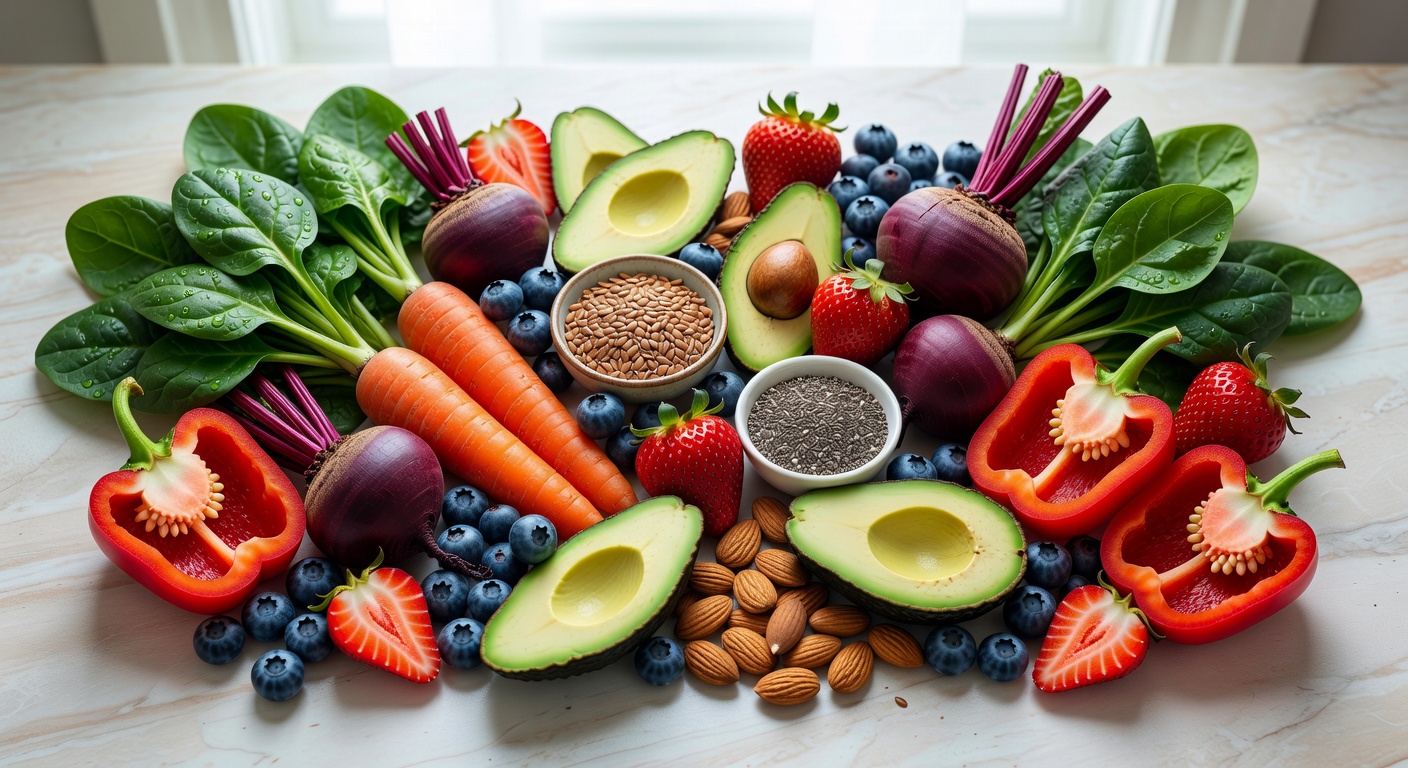
- Omega-3 Fatty Acids: Exhibit anti-inflammatory properties that can help reduce the redness and swelling associated with acne. Sources include fatty fish (salmon, mackerel), flaxseeds, and chia seeds.
- Probiotics: While not a micronutrient, a healthy gut microbiome, influenced by diet, is linked to reduced inflammation. Sources include fermented foods like yogurt, kimchi, and sauerkraut.
Actionable AI-Powered Strategies for Acne Management
The true power of AI in acne management lies in its ability to translate complex data into actionable, personalized strategies. Instead of generic advice, AI platforms can generate customized meal plans, provide real-time feedback on food choices, and offer educational content tailored to an individual’s specific triggers and needs. This empowers individuals to take control of their diet with confidence, knowing their choices are guided by data-driven insights.
One of the most effective AI-powered strategies is the creation of personalized “acne-friendly” food lists. Based on an individual’s tracked reactions and scientific literature, AI can compile a list of foods that are generally well-tolerated and beneficial for skin health, as well as a list of foods to be mindful of or potentially avoid. This shifts the focus from restriction to informed choices, making dietary management feel less like a burden and more like a proactive approach to well-being. A 2025 study showed that individuals using AI-guided dietary plans for acne reported a 40% improvement in skin clarity compared to those following general advice.
Furthermore, AI can act as a constant companion, offering support and adjustments as needed. If an individual notices a new breakout or a change in their skin, they can log this information into the AI platform. The AI can then re-evaluate their recent dietary intake and lifestyle factors, identifying potential new triggers or suggesting minor adjustments to their plan. This dynamic and adaptive approach ensures that the dietary strategy remains effective over time, as individual responses can change.
Finally, AI can educate users about the ‘why’ behind the recommendations. By providing explanations rooted in scientific evidence, AI helps users understand the physiological mechanisms at play, fostering greater adherence and a deeper appreciation for the impact of diet on their skin. This educational component is crucial for long-term success and for building sustainable healthy eating habits that extend beyond acne management.
Key Takeaways
- AI can analyze vast datasets to identify individual dietary triggers for acne, moving beyond generalized advice.
- Prioritizing low-glycemic index and load foods can help regulate insulin and IGF-1 levels, thereby reducing acne severity.
- AI can help determine individual sensitivities to dairy and suggest suitable, nutrient-rich alternatives.
- Essential micronutrients like zinc, vitamin A, and omega-3 fatty acids play a crucial role in skin health and acne management.
- AI can generate personalized food lists and meal plans tailored to an individual’s unique needs and responses.
- Continuous monitoring and AI-driven adjustments allow for dynamic and adaptive dietary strategies for long-term acne control.
Ready to take a data-driven approach to your acne management? Visit ainutry.online for AI-personalized nutrition plans designed to help you achieve clearer, healthier skin.
Frequently Asked Questions
How does AI personalize diet recommendations for acne management?
AI analyzes individual data such as skin condition, gut microbiome, genetics, and dietary habits to identify specific triggers and deficiencies. It then generates highly personalized dietary plans aimed at reducing inflammation and balancing hormones, which are key factors in acne development.
Is there scientific evidence supporting AI-guided diets for acne improvement?
Research is emerging, with studies indicating that AI can effectively identify dietary patterns linked to acne severity and suggest targeted interventions. While more large-scale human trials are ongoing, preliminary evidence suggests AI-driven personalized nutrition can lead to significant improvements in skin health.
Is AI-driven diet advice safe for everyone, including those with severe acne or other health conditions?
AI-generated dietary advice is generally safe as it’s tailored to individual profiles, but it should complement, not replace, professional medical consultation. Individuals with severe acne, underlying health conditions, or specific dietary restrictions should always consult a dermatologist or registered dietitian before implementing significant dietary changes.
What kind of AI tools will be available by 2026 to help manage acne through diet?
By 2026, we can expect advanced AI platforms, likely integrated into apps or wearable devices, that offer real-time dietary tracking, personalized meal suggestions, and predictive analytics for acne flare-ups. These tools will leverage machine learning to continuously refine recommendations based on user progress and new scientific data.
Leave a Reply