
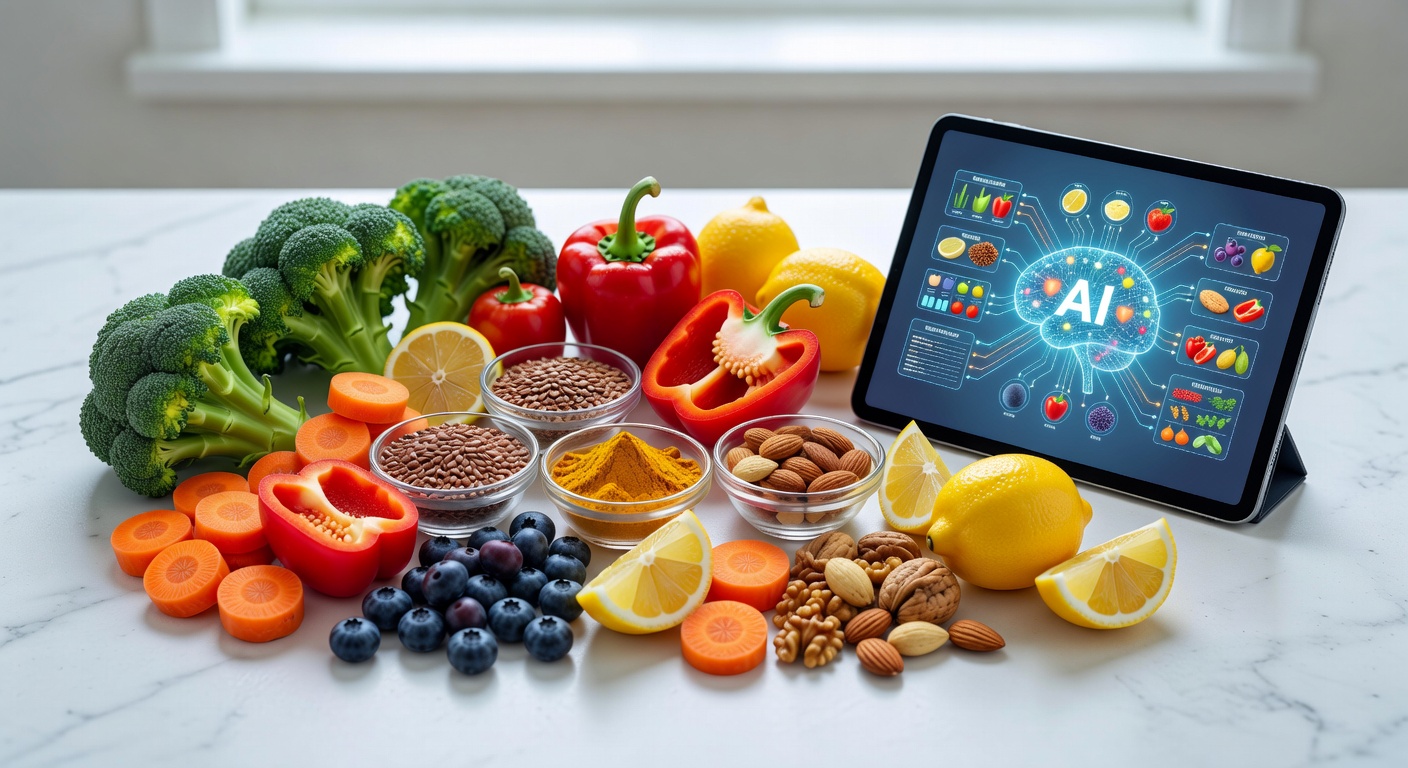
Asthma, a chronic respiratory condition affecting millions globally, continues to pose significant health and economic challenges. While conventional management primarily relies on medication, the profound influence of diet on inflammatory pathways and immune responses is increasingly recognized. In fact, a 2023 report estimated that suboptimal dietary patterns contribute to a substantial portion of chronic disease burden, including conditions like asthma, underscoring the critical need for personalized nutritional strategies. As we look towards 2026, the convergence of advanced AI and nutritional science offers unprecedented opportunities to revolutionize how individuals with asthma can manage their condition through tailored dietary interventions.
Table of Contents
- The Global Burden of Asthma and the Dietary Connection
- Foundational Dietary Principles for Asthma Management (Pre-AI)
- AI’s Transformative Role in Personalized Nutrition for Asthma
- AI-Powered Dietary Strategies and Predictive Insights
- Monitoring, Adherence, and Future Directions with AI
The Global Burden of Asthma and the Dietary Connection
Asthma is a complex, heterogeneous disease characterized by chronic airway inflammation, bronchial hyperresponsiveness, and variable airflow obstruction. Its global prevalence is staggering, affecting an estimated 300 million people worldwide, with projections indicating this number could rise significantly in the coming years. The impact extends beyond physical symptoms, profoundly affecting quality of life, school and work productivity, and imposing substantial healthcare costs. Despite advancements in pharmacological treatments, a significant proportion of individuals still experience uncontrolled asthma, highlighting the urgent need for complementary and innovative management strategies.
For decades, asthma management has primarily focused on bronchodilators and corticosteroids, effectively managing acute symptoms and reducing inflammation. However, a growing body of evidence points towards the critical, yet often underutilized, role of lifestyle factors, particularly diet, in modulating disease severity and frequency of exacerbations. The intricate interplay between dietary components, the gut microbiome, and systemic inflammatory processes provides a compelling rationale for integrating nutritional science into asthma care.
Dietary patterns can significantly influence the immune system’s state, impacting both innate and adaptive immune responses that are central to asthma pathophysiology. Pro-inflammatory diets, often characterized by high intake of processed foods, unhealthy fats, and refined sugars, can exacerbate systemic inflammation, potentially worsening asthma symptoms. Conversely, anti-inflammatory diets, rich in fruits, vegetables, whole grains, and healthy fats, have been shown to modulate immune responses and reduce inflammatory markers, offering a promising avenue for disease management. The challenge, however, lies in translating general dietary guidelines into specific, actionable advice that is effective for each unique individual.
Foundational Dietary Principles for Asthma Management (Pre-AI)
Before the advent of advanced AI, dietary recommendations for asthma were largely based on epidemiological studies, clinical trials, and an understanding of general nutritional principles related to inflammation and immune function. These foundational principles remain crucial and form the basis upon which AI-driven personalization can build.
Key among these is the emphasis on anti-inflammatory dietary patterns. The Mediterranean diet, rich in olive oil, fish, fruits, vegetables, nuts, and whole grains, has consistently demonstrated anti-inflammatory benefits and has been associated with reduced asthma risk and improved lung function in several studies. Similarly, the Dietary Approaches to Stop Hypertension (DASH) diet, which emphasizes fruits, vegetables, low-fat dairy, and whole grains while limiting saturated fat and cholesterol, shares many anti-inflammatory characteristics beneficial for respiratory health. These dietary frameworks provide a holistic approach to nutrition, moving beyond single nutrient focus.
Specific nutrients have also been identified as playing crucial roles. Omega-3 fatty acids, abundant in fatty fish like salmon and mackerel, possess potent anti-inflammatory properties, which can help mitigate airway inflammation. Vitamin D, beyond its role in bone health, is recognized for its immune-modulatory effects; deficiencies have been linked to increased asthma severity and exacerbations. Antioxidants, such as vitamins C and E, beta-carotene, and flavonoids found in colorful fruits and vegetables, protect lung tissues from oxidative stress, a key factor in asthma pathogenesis. Magnesium, found in leafy greens, nuts, and legumes, acts as a natural bronchodilator, and its deficiency has been associated with bronchial hyperresponsiveness.
Beyond general health-promoting diets, identifying and managing specific food allergens or sensitivities is paramount for some individuals with asthma. While true food allergies can trigger immediate and severe asthma exacerbations, milder sensitivities might contribute to chronic inflammation and symptom persistence. However, the traditional process of identifying these triggers can be arduous, often involving elimination diets and careful symptom tracking, which can be time-consuming and prone to human error or bias. The challenge with these pre-AI approaches has always been the difficulty in tailoring advice to individual physiological differences, genetic predispositions, and lifestyle factors, leading to generalized recommendations that may not be optimally effective for everyone.
- Embrace Anti-Inflammatory Foods: Prioritize fruits, vegetables, whole grains, lean proteins, and healthy fats (e.g., olive oil, avocados).
- Increase Omega-3 Intake: Consume fatty fish (salmon, mackerel, sardines) or consider high-quality supplements.
- Ensure Adequate Vitamin D: Through sun exposure, fortified foods, or supplementation under medical guidance.
- Boost Antioxidants: Include a wide variety of colorful produce daily.
- Consider Magnesium-Rich Foods: Such as spinach, almonds, black beans, and avocados.
- Identify and Avoid Triggers: Be mindful of potential food allergens or sensitivities.
AI’s Transformative Role in Personalized Nutrition for Asthma
The advent of artificial intelligence (AI) is ushering in a new era for nutritional science, particularly in managing complex conditions like asthma. AI’s unparalleled ability to process, analyze, and interpret vast, heterogeneous datasets allows for a level of personalization in dietary recommendations that was previously unattainable. Instead of relying on broad guidelines, AI can synthesize an individual’s unique biological and lifestyle data to formulate highly specific, dynamic, and effective nutritional strategies tailored to their asthma profile.
AI algorithms, particularly machine learning (ML) models, can ingest and learn from diverse data sources, including electronic health records (EHRs), genomic data, gut microbiome analyses, wearable device data (e.g., activity levels, sleep patterns), environmental factors, and self-reported symptom logs. By identifying subtle patterns and correlations that are imperceptible to the human eye, AI can uncover individual dietary triggers, protective food components, and optimal nutrient ratios relevant to asthma management. For instance, a 2024 report by Grand View Research projected that the global personalized nutrition market, heavily driven by AI, would reach over $20 billion by 2030, underscoring the growing recognition of its potential impact on health outcomes, including chronic conditions.
This capability moves beyond the traditional “one-size-fits-all” approach to nutrition. AI can account for inter-individual variability in nutrient metabolism, genetic predispositions to inflammation, and the unique composition of each person’s gut microbiome. For example, some individuals might benefit more from a higher intake of specific types of dietary fiber to promote beneficial gut bacteria, while others might need to focus on reducing certain food additives that exacerbate their specific inflammatory pathways. AI platforms like AINutry are designed to harness this complexity, translating intricate scientific data into practical, personalized dietary advice.
Data Integration and Analysis
The power of AI in personalized nutrition stems from its sophisticated data integration and analytical capabilities. AI systems can seamlessly pull information from various digital health tools and medical records, creating a comprehensive digital twin of an individual’s health. This includes genetic markers associated with inflammatory responses (e.g., polymorphisms in cytokine genes), metabolomic profiles that reveal how specific foods are processed, and detailed microbiome sequencing data that identifies the types and abundance of gut bacteria.
Machine learning algorithms, such as deep learning and neural networks, are then employed to sift through this mountain of data. These algorithms can identify complex, non-linear relationships between dietary intake, biological markers, asthma symptoms, and environmental exposures. For example, AI might detect that a specific combination of dietary fats and a particular gut microbial signature consistently precedes an increase in airway hyperresponsiveness for a given individual, even if that correlation isn’t apparent across the general population. This allows for the development of predictive models that anticipate dietary impacts on asthma symptoms before they manifest.
Furthermore, AI can continuously learn and refine its recommendations. As an individual continues to provide data (e.g., logging food intake, tracking symptoms, updating wearable device metrics), the AI system adapts and optimizes its dietary suggestions. This iterative learning process ensures that the nutritional plan remains relevant and effective, evolving with the individual’s changing health status, lifestyle, and even seasonal variations that might affect asthma triggers.
AI-Powered Dietary Strategies and Predictive Insights
The application of AI in asthma diet management extends beyond mere recommendation; it empowers proactive, predictive, and highly adaptive nutritional strategies. By leveraging its analytical prowess, AI can guide individuals towards optimal food choices, identify potential triggers before they cause symptoms, and even help in mitigating exacerbations.
AI-driven platforms can generate highly specific meal plans, complete with recipes and shopping lists, tailored to an individual’s caloric needs, nutrient requirements, dietary preferences, and asthma-specific considerations. For example, if an AI analyzes a user’s genetic data and identifies a predisposition to inflammation that is responsive to specific polyphenols, it can suggest meals rich in berries, dark chocolate, and certain spices. If gut microbiome analysis indicates a deficit in butyrate-producing bacteria, the AI might recommend an increased intake of resistant starches and specific types of fiber to nourish those beneficial microbes.
One of the most exciting aspects of AI in this context is its capacity for predictive analytics. By continuously monitoring dietary intake, environmental factors (e.g., pollen counts, air quality), and symptom patterns, AI can identify emerging risks or potential triggers. For instance, an AI system might detect that a user’s consumption of certain processed meats, combined with a period of high local air pollution, consistently precedes a mild asthma flare-up. The system could then issue an early warning, advising the user to modify their diet, take preventative medication, or avoid specific environmental exposures.
- Personalized Meal Plans: AI crafts specific meal plans, recipes, and shopping lists based on individual data.
- Trigger Identification: AI analyzes diet, symptoms, and environmental factors to pinpoint specific food triggers.
- Proactive Adjustments: AI suggests dietary modifications to preemptively manage potential asthma exacerbations.
- Optimized Nutrient Intake: Ensures ideal ratios of anti-inflammatory nutrients, prebiotics, and probiotics.
- Adaptive Recommendations: Diet plans evolve based on real-time feedback and changing health status.
The Gut Microbiome and AI
The gut microbiome, an ecosystem of trillions of microorganisms residing in the human digestive tract, plays a profound role in immune system development and regulation. Disturbances in the gut microbiota (dysbiosis) have been increasingly linked to various inflammatory and autoimmune conditions, including asthma. AI is uniquely positioned to unlock the therapeutic potential of targeting the gut microbiome for asthma management.
By analyzing complex metagenomic sequencing data from stool samples, AI algorithms can characterize an individual’s unique microbial fingerprint. It can identify imbalances, assess microbial diversity, and even predict the functional capabilities of the gut community - for example, its capacity to produce short-chain fatty acids (SCFAs) like butyrate, which are crucial for immune regulation and anti-inflammatory effects. This level of detail allows AI to move beyond generic probiotic recommendations.
Based on microbiome analysis, AI can then recommend highly targeted dietary interventions. This might involve suggesting specific prebiotic fibers (e.g., inulin, fructooligosaccharides) found in foods like onions, garlic, and bananas, which selectively feed beneficial bacteria. It could also recommend specific fermented foods or even personalized probiotic formulations designed to rebalance the gut ecosystem in a way that positively influences immune responses relevant to asthma. This precision nutrition, guided by AI, represents a frontier in managing asthma through the gut-lung axis.
Monitoring, Adherence, and Future Directions with AI
Effective asthma management through diet is not a static process; it requires continuous monitoring, adaptation, and sustained adherence. AI platforms significantly enhance these aspects, offering dynamic support and fostering long-term behavioral change. However, like any burgeoning technology, AI in healthcare also presents its own set of challenges and ethical considerations that must be addressed as we move towards 2026 and beyond.
AI-driven systems can provide robust tools for tracking dietary intake, symptom severity, medication usage, and overall well-being. Users can log their meals, record asthma symptoms (e.g., wheezing, shortness of breath), and even integrate data from smart inhalers or spirometers. The AI then processes this real-time feedback, correlating dietary patterns with symptom fluctuations, and providing immediate insights. For example, if a user consistently reports improved breathing after incorporating a specific anti-inflammatory meal, the AI can reinforce this behavior and suggest variations. Conversely, if a particular food item appears to trigger symptoms, the AI can flag it for further investigation and suggest alternatives.
Beyond tracking, AI can play a crucial role in improving adherence to dietary recommendations. Through personalized reminders, motivational messages, and progress reports, AI can act as a virtual nutrition coach, encouraging users to stay on track. Gamification elements, rewards for consistent logging, and peer support networks facilitated by AI can further enhance engagement. The ability of AI to adapt recommendations based on individual preferences, cultural background, and evolving health status makes the dietary plan more sustainable and enjoyable, thus increasing the likelihood of long-term adherence. Given that approximately 50% of adults with asthma experience uncontrolled symptoms, as reported in a 2022 review, the potential for AI to improve management and adherence is profound.
Collaborative Care and Research
While AI offers immense capabilities, it is not intended to replace human healthcare professionals but rather to augment their abilities. AI platforms can serve as invaluable tools for clinicians, providing them with comprehensive, data-driven insights into their patients’ dietary habits and their impact on asthma. This allows healthcare providers to engage in more informed discussions, validate AI recommendations, and integrate nutritional strategies seamlessly into a holistic treatment plan. AI can also help identify patients who might benefit most from specific dietary interventions, optimizing resource allocation and patient care pathways.
Looking ahead, AI will continue to accelerate research into the intricate links between diet and asthma. By analyzing vast repositories of anonymized patient data, AI can uncover novel biomarkers, identify new dietary compounds with therapeutic potential, and elucidate previously unknown mechanisms by which nutrition influences asthma pathophysiology. This continuous feedback loop between clinical application and research will drive further innovation, leading to even more precise and effective AI-powered dietary interventions for asthma management.
However, the deployment of AI in personalized nutrition for asthma is not without its challenges. Data privacy and security are paramount, requiring robust safeguards to protect sensitive health information. Algorithmic bias, if not carefully addressed, could lead to inequities in recommendations. Moreover, the importance of human oversight and the physician-patient relationship remains critical; AI should be viewed as a supportive tool rather than a definitive authority. As AI technology matures by 2026, addressing these ethical and practical considerations will be crucial to ensure its responsible and beneficial integration into asthma care.
Key Takeaways
- AI revolutionizes asthma management by moving beyond generalized dietary advice to hyper-personalized nutritional strategies.
- Advanced AI analyzes diverse data (genetics, microbiome, lifestyle) to identify individual dietary triggers and protective factors.
- AI-powered platforms can generate specific meal plans, recipes, and shopping lists tailored to an individual’s unique asthma profile and needs.
- Predictive analytics with AI can anticipate potential asthma exacerbations based on dietary patterns and environmental factors, enabling proactive intervention.
- AI enhances dietary adherence through continuous monitoring, personalized feedback, motivational support, and adaptive recommendations.
- The integration of AI with gut microbiome analysis offers targeted interventions to modulate immune responses through the gut-lung axis for asthma control.
Ready to discover how personalized nutrition can transform your asthma management? Visit ainutry.online for AI-personalized nutrition insights tailored just for you.
Frequently Asked Questions
Can AI truly personalize asthma diet plans, and what specific nutrients does it focus on?
Yes, AI can analyze your individual health data, including asthma triggers and dietary habits, to create personalized nutrition plans. It often emphasizes anti-inflammatory foods rich in omega-3 fatty acids, antioxidants, and vitamins like C and E, which may help manage asthma symptoms.
What are the recommended dosages and timing for specific supplements AI might suggest for asthma management?
AI-driven recommendations for supplements like Vitamin D or magnesium would typically be based on your blood levels and doctor’s advice, not fixed dosages. Timing would also be personalized, often suggesting intake with meals to improve absorption or as directed by a healthcare professional.
Is it safe to rely on AI for asthma diet advice, or should I always consult a doctor first?
While AI can offer valuable insights and personalized suggestions, it’s crucial to always consult with your doctor or a registered dietitian before making significant dietary changes or starting new supplements. AI should be used as a supportive tool, not a replacement for professional medical guidance.
How does AI identify potential food triggers for asthma, and what’s the process for testing these?
AI can analyze patterns in your reported symptoms and food intake to identify potential correlations with asthma exacerbations. The process often involves an elimination diet guided by AI insights, followed by reintroduction of suspected trigger foods under medical supervision to confirm sensitivities.
Leave a Reply