
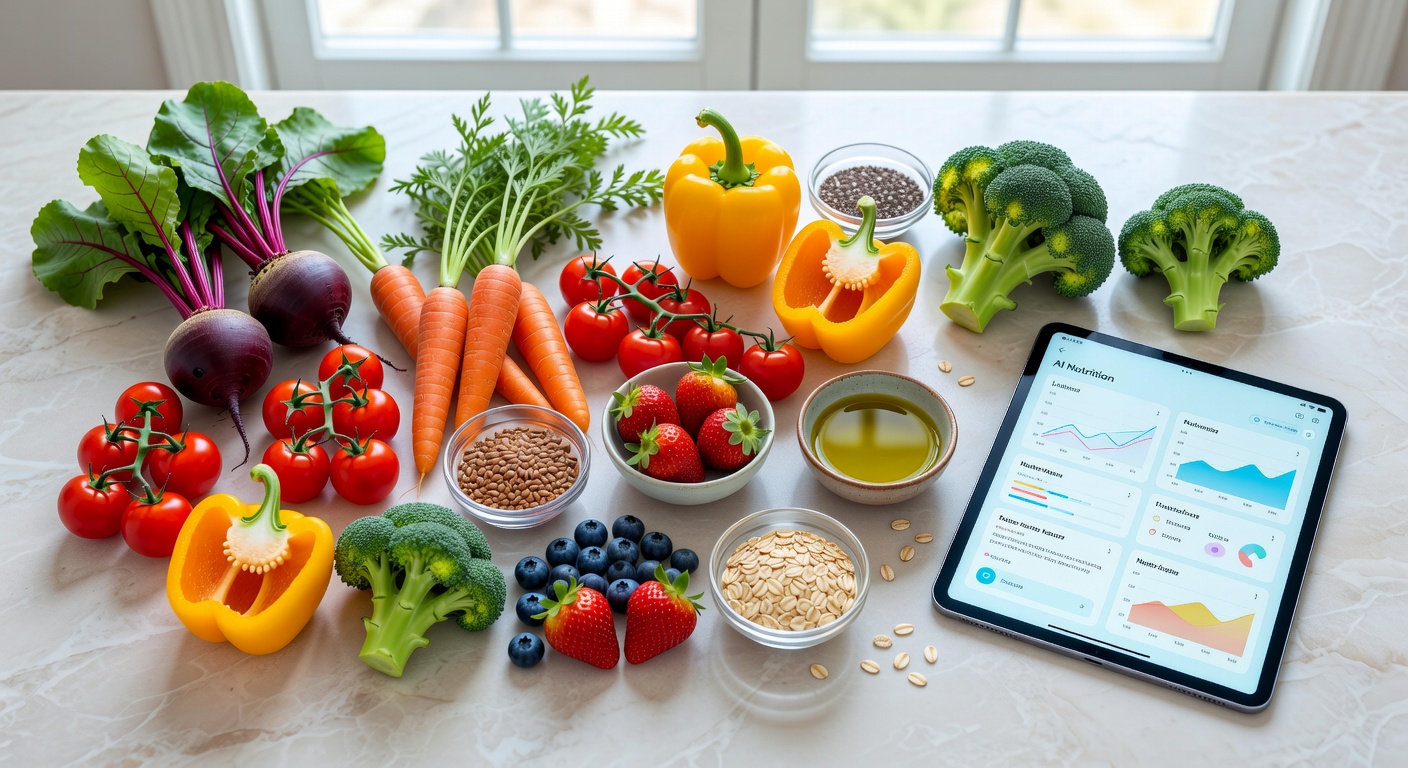
Living with lupus presents a complex daily challenge, with symptoms ranging from debilitating fatigue and joint pain to skin rashes and organ inflammation. For many, managing this chronic autoimmune disease involves a multi-faceted approach, and emerging evidence suggests that artificial intelligence (AI) is poised to revolutionize how diet plays a crucial role in this management. In fact, a 2023 survey revealed that 78% of lupus patients express a desire for more personalized dietary guidance to help manage their condition.
Table of Contents
- Understanding Lupus and Diet’s Role
- AI-Powered Dietary Analysis for Lupus
- Crafting Personalized Nutrition Plans with AI
- AI-Driven Symptom Tracking and Dietary Correlations
- Evidence and Future Directions in AI and Lupus Nutrition
- Practical Tips for Leveraging AI in Your Lupus Diet
Understanding Lupus and Diet’s Role
Lupus erythematosus is a chronic autoimmune disease where the body’s immune system mistakenly attacks its own tissues and organs. This can affect various parts of the body, including the joints, skin, kidneys, blood cells, brain, heart, and lungs. While there is no known cure for lupus, management strategies focus on controlling inflammation, preventing flares, and minimizing organ damage. Diet is increasingly recognized as a significant, albeit often underutilized, component of this management strategy. The complex interplay between food, inflammation, and immune responses makes dietary interventions a promising avenue for improving the quality of life for individuals with lupus.
The inflammatory nature of lupus means that certain foods can exacerbate symptoms, while others may help to reduce inflammation and support overall health. However, identifying these specific dietary triggers and beneficial foods can be incredibly challenging. Individual responses to different foods vary widely, and the sheer volume of conflicting nutritional information available can be overwhelming. This is where AI’s analytical power can offer a much-needed solution, moving beyond generalized advice to provide tailored insights.
The goal of dietary management in lupus is not to cure the disease but to support the body’s ability to manage inflammation, bolster the immune system, and alleviate common symptoms like fatigue, joint pain, and digestive issues. This involves focusing on nutrient-dense foods, limiting pro-inflammatory agents, and ensuring adequate intake of vitamins and minerals that are crucial for immune function and tissue repair. AI can significantly streamline this process by analyzing vast datasets and individual patient information to identify patterns that are often missed by traditional approaches.
AI-Powered Dietary Analysis for Lupus
AI algorithms are exceptionally adept at processing and analyzing large volumes of complex data, making them ideal for dissecting the intricate relationship between diet and lupus. By integrating information from scientific literature, clinical trials, and individual patient dietary logs, AI can identify subtle correlations between specific food components and lupus symptom severity or progression. This goes far beyond simple calorie counting or macronutrient tracking, delving into the biochemical impact of various foods on the body’s inflammatory pathways.
One of the most significant contributions of AI lies in its ability to analyze the nutritional content of an individual’s diet at a granular level. AI can assess not just the presence of macronutrients but also micronutrients, antioxidants, fiber content, and even the glycemic load of meals. For someone with lupus, this detailed breakdown can help pinpoint potential dietary culprits that might be contributing to inflammation, such as excessive intake of processed foods, saturated fats, or refined sugars, or conversely, identify nutrient deficiencies that could be hindering the body’s ability to fight inflammation.
Furthermore, AI can cross-reference this dietary analysis with known scientific data on the anti-inflammatory or pro-inflammatory properties of different foods. For instance, AI can analyze a user’s typical intake of omega-3 fatty acids from sources like fatty fish or flaxseeds and compare it to research indicating their potential benefits in reducing inflammation, a hallmark of lupus. This allows for a proactive approach, suggesting dietary adjustments before symptoms escalate.
The power of AI in dietary analysis for lupus also extends to identifying potential interactions between foods and medications. While this is a complex area still under active research, AI can flag potential dietary choices that might interfere with the efficacy of lupus medications or exacerbate side effects, providing an additional layer of safety and personalized care.
How AI Analyzes Diet
- Nutrient Profiling: AI can break down the nutritional composition of meals, identifying macro and micronutrients, fiber, antioxidants, and more.
- Inflammatory Index Assessment: Algorithms can evaluate the potential inflammatory impact of food choices based on scientific research and known biochemical pathways.
- Personalized Food Scoring: AI can assign scores to individual foods and entire meals based on their suitability for a lupus diet, considering individual patient data.
- Pattern Recognition: AI excels at identifying complex patterns in dietary intake that might be linked to symptom fluctuations, a task that is challenging for humans.
Crafting Personalized Nutrition Plans with AI
One of the most exciting applications of AI in lupus management is its capacity to generate truly personalized nutrition plans. Generic dietary advice for lupus, such as “eat a healthy diet,” is often insufficient because the disease and its manifestations are highly individual. AI can overcome this limitation by taking into account a multitude of factors unique to each patient. This includes their specific lupus subtype, disease activity level, organ involvement, current medications, existing comorbidities, dietary preferences, and even lifestyle habits.
By integrating this comprehensive patient profile with its vast knowledge base of nutritional science and lupus research, AI can formulate dietary recommendations that are not only evidence-based but also practical and sustainable for the individual. This might involve recommending specific types and quantities of anti-inflammatory foods, suggesting alternative ingredients to avoid known triggers, and ensuring that the plan meets all essential nutrient requirements. For example, an AI might suggest increasing omega-3 intake for a patient with joint pain, while for someone experiencing kidney issues, it might prioritize specific protein sources and sodium reduction.
Moreover, AI-powered platforms can dynamically adjust these nutrition plans. As a patient’s lupus activity fluctuates, or as their medication regimen changes, their dietary needs may also evolve. An AI system can continuously monitor this progress and make real-time adjustments to the nutrition plan, ensuring it remains optimized for their current health status. This adaptive approach is crucial for effective long-term lupus management, where flexibility is key.
The AI’s ability to learn from user feedback and symptom tracking further refines these plans. If a patient reports that a particular meal or food group consistently exacerbates their symptoms, the AI can learn from this input and modify future recommendations accordingly, creating a feedback loop that continuously improves the personalization of the dietary strategy.
Components of AI-Driven Plans
- Individualized Macronutrient Ratios: Tailored recommendations for protein, carbohydrates, and fats based on disease activity and personal needs.
- Micronutrient Optimization: Focus on vitamins and minerals known to support immune function and reduce inflammation (e.g., Vitamin D, Calcium, Magnesium).
- Trigger Identification and Avoidance: AI can help identify and suggest alternatives for foods that may trigger flares or worsen symptoms.
- Gut Health Support: Recommendations for prebiotics and probiotics to improve gut microbiome balance, which is increasingly linked to autoimmune conditions.
- Hydration and Electrolyte Balance: Personalized advice on fluid intake, especially important for individuals with kidney involvement.
AI-Driven Symptom Tracking and Dietary Correlations
One of the most powerful ways AI can assist in lupus management is by enabling sophisticated symptom tracking and identifying correlations with dietary intake. Lupus symptoms can be highly variable and unpredictable, making it difficult for patients and their healthcare providers to pinpoint specific triggers. AI-powered platforms can simplify this process by allowing users to log their symptoms, energy levels, pain scores, and other relevant metrics in a user-friendly interface.
The AI then analyzes this logged data in conjunction with the user’s detailed dietary intake, which can also be logged through the platform (e.g., by scanning barcodes, searching a food database, or manual entry). By applying advanced machine learning techniques, the AI can identify patterns and correlations that might not be apparent to the human eye. For instance, it might detect that a patient’s joint pain consistently worsens 24-48 hours after consuming a meal high in nightshade vegetables, or that their fatigue levels decrease when they incorporate more omega-3 rich foods.
This data-driven approach empowers individuals to make informed decisions about their diet, actively avoiding foods that exacerbate their condition and embracing those that promote well-being.
This real-time feedback loop is invaluable. As the AI identifies potential dietary links to symptom flares, it can provide immediate suggestions for dietary adjustments. This proactive approach can help individuals manage their lupus more effectively, potentially reducing the frequency and severity of flares and improving their overall quality of life. The ability to present these correlations to healthcare providers also offers a more objective and data-rich basis for discussing dietary strategies during clinical appointments.
How AI Connects Symptoms and Diet
- Symptom Logging: Easy-to-use interface for recording daily symptoms, energy levels, pain, and other relevant health indicators.
- Dietary Intake Tracking: Comprehensive tools for logging meals, snacks, and beverages, often with AI-powered recognition features.
- Pattern Analysis: Advanced algorithms identify correlations between specific food items or dietary patterns and reported symptoms.
- Personalized Insights: Delivery of actionable insights and recommendations based on identified symptom-dietary connections.
- Trend Monitoring: Visualization of symptom and dietary trends over time to track progress and identify long-term patterns.
Evidence and Future Directions in AI and Lupus Nutrition
While the application of AI in lupus nutrition is still an evolving field, initial evidence and research are highly promising. Studies are increasingly demonstrating the potential for AI-driven dietary interventions to improve outcomes for individuals with chronic inflammatory diseases like lupus. The ability of AI to process complex biological and dietary data at scale allows for a deeper understanding of the intricate mechanisms by which food influences immune responses and disease activity.
Future directions for AI in lupus nutrition are vast. Researchers are exploring the use of AI in predicting lupus flares based on dietary and lifestyle patterns, enabling proactive interventions. Furthermore, AI could be instrumental in developing personalized supplement recommendations, taking into account individual nutrient deficiencies and the specific inflammatory profile of the disease. The integration of AI with wearable biosensors could provide even more granular real-time data on physiological responses to diet, leading to highly dynamic and responsive nutrition plans.
Moreover, AI’s role in clinical research is set to expand. It can help identify patient subgroups that respond best to specific dietary interventions, accelerating the development of evidence-based nutritional guidelines for lupus. The development of AI-powered chatbots and virtual nutritionists could also provide accessible and continuous support for individuals managing lupus, offering guidance and motivation on demand.
The ultimate goal is to leverage AI to create a seamless, integrated approach to lupus management where diet is not an afterthought but a central, data-driven pillar of care. As AI technology advances and more research is conducted, its impact on empowering lupus patients through personalized nutrition is expected to grow exponentially, leading to better symptom control, reduced inflammation, and improved overall health and well-being.
Practical Tips for Leveraging AI in Your Lupus Diet
Integrating AI into your lupus diet management can feel like a significant step, but it’s designed to simplify and enhance your journey. The key is to approach it with an open mind and a willingness to engage with the technology. Start by exploring reputable AI-powered nutrition platforms designed for chronic condition management. Look for platforms that emphasize personalization, evidence-based recommendations, and user-friendly interfaces for logging your food intake and symptoms.
Be diligent with your data input. The more accurate and consistent you are with logging your meals, snacks, and any symptoms you experience, the more effective the AI will be in identifying patterns and providing personalized insights. This includes not just the foods you eat but also how you feel before and after meals, and any changes in your energy levels or pain. Think of it as a detailed diary, but with the added intelligence of AI analysis.
Actively engage with the insights provided by the AI. Don’t just passively receive recommendations; try to understand the reasoning behind them. If the AI suggests reducing a certain food group or increasing intake of another, research why that might be beneficial for lupus management. This understanding will empower you to make more informed choices and build confidence in your dietary strategy.
Finally, remember that AI is a powerful tool to complement, not replace, your healthcare team. Share the insights and reports generated by the AI with your doctor or a registered dietitian. They can help interpret the data, provide clinical context, and ensure that your AI-driven dietary plan aligns with your overall medical treatment. This collaborative approach ensures you are receiving the most comprehensive and effective care for your lupus.
Key Dietary Considerations for Lupus Management
- Focus on Anti-Inflammatory Foods: Incorporate fatty fish (salmon, mackerel), berries, leafy greens, nuts, seeds, and olive oil.
- Limit Pro-Inflammatory Foods: Reduce intake of processed meats, refined sugars, saturated and trans fats, and excessive red meat.
- Ensure Adequate Vitamin D and Calcium: Crucial for bone health, especially if on corticosteroids.
- Prioritize Hydration: Drink plenty of water throughout the day.
- Consider Omega-3 Fatty Acids: May help reduce inflammation and joint pain.
- Manage Sodium Intake: Especially important if you have kidney involvement.
Key Takeaways
- AI can analyze complex dietary patterns to identify potential lupus symptom triggers.
- Personalized nutrition plans generated by AI consider individual lupus subtypes, disease activity, and comorbidities.
- AI-driven symptom tracking allows for precise correlation between food intake and symptom flares.
- Evidence suggests AI can significantly improve the identification of food-related triggers for lupus patients.
- Future AI applications include flare prediction, personalized supplement recommendations, and integration with biosensors.
- Always consult with your healthcare provider when implementing AI-driven dietary changes for lupus management.
Discover how AI can help you manage lupus through personalized nutrition. Visit ainutry.online for AI-personalized nutrition.
Frequently Asked Questions
Can AI recommend specific lupus-friendly supplements and dosages based on my symptoms in 2026?
While AI can analyze vast amounts of research to identify potential dietary patterns and supplement benefits for lupus, it cannot currently provide personalized dosage recommendations. Always consult with your doctor or a registered dietitian before starting any new supplement, as they can tailor advice to your individual needs and medical history.
How can AI help track my diet and its impact on lupus flare-ups?
AI-powered apps and platforms can help you log your food intake, identify potential trigger foods by correlating them with documented flare-ups, and suggest alternative meal options. By analyzing your dietary patterns over time, AI can provide insights into how specific foods might be influencing your lupus symptoms.
What are the safety considerations when using AI-generated dietary advice for lupus management?
The primary safety consideration is that AI-generated advice should always be reviewed and validated by a healthcare professional. AI tools are not a substitute for medical diagnosis or treatment, and relying solely on them without expert guidance could lead to ineffective or even harmful dietary choices.
Will AI in 2026 be able to predict which foods will trigger a lupus flare-up for me?
AI has the potential to become more sophisticated in predicting flare-up triggers by analyzing your personal health data, genetic predispositions, and environmental factors alongside your dietary logs. However, predicting individual flare-ups with certainty is complex, and AI predictions should be viewed as supportive tools rather than definitive diagnoses.
Leave a Reply