
Imagine a life where flushing, stinging, and visible blood vessels on your face are no longer a daily battle. For millions, rosacea is a chronic inflammatory skin condition that significantly impacts quality of life. In fact, a 2023 survey revealed that 68% of individuals with rosacea reported experiencing emotional distress due to their condition, highlighting the profound psychological burden it carries.
Table of Contents
- Understanding Rosacea: Beyond the Surface
- The Gut-Skin Axis: A Crucial Connection
- Dietary Triggers and Inflammatory Pathways
- Evidence-Based Nutritional Strategies for Rosacea Management
- The Role of AI in Personalized Nutrition for Rosacea
Understanding Rosacea: Beyond the Surface
Rosacea is a complex, chronic inflammatory disorder primarily affecting the central face. While often characterized by persistent redness, it encompasses a spectrum of symptoms that can include telangiectasias (visible blood vessels), papules, pustules, and ocular manifestations. The exact etiology remains elusive, but current research points to a multifactorial interplay of genetic predisposition, immune system dysregulation, environmental factors, and potentially, the gut microbiome. Unlike acne, rosacea typically lacks comedones (blackheads and whiteheads) and is more commonly diagnosed in adults between the ages of 30 and 50, with a predilection for fair-skinned individuals. The persistent inflammation associated with rosacea can lead to significant discomfort, including burning, stinging, and increased skin sensitivity, impacting daily activities and self-esteem.
The pathogenesis of rosacea is thought to involve an overactive innate immune response and dysregulation of the skin’s barrier function. Triggers such as heat, sunlight, certain foods, and stress can exacerbate inflammation, leading to vasodilation and the characteristic facial redness. Understanding these underlying mechanisms is crucial for developing effective management strategies. The persistent nature of rosacea means that while a cure may not be readily available, effective management can significantly improve symptoms and quality of life. This often involves a multi-pronged approach, combining medical treatments with lifestyle modifications, including targeted dietary interventions.
The visual impact of rosacea can be substantial, leading to social withdrawal and reduced confidence. The constant redness and visible blood vessels can be a source of self-consciousness, making individuals hesitant to engage in social situations or even go out in public. This emotional toll underscores the importance of comprehensive management that addresses both the physical and psychological aspects of the condition. Therefore, exploring all avenues for symptom relief, including the powerful influence of nutrition, becomes paramount for those seeking to reclaim their skin and their well-being.
The Gut-Skin Axis: A Crucial Connection
The concept of the gut-skin axis has gained significant traction in recent years, revealing a bidirectional communication network between the gastrointestinal tract and the skin. This intricate relationship is mediated by various factors, including the gut microbiome, immune cells, and microbial metabolites. A healthy gut microbiome, characterized by a diverse and balanced population of microorganisms, plays a vital role in maintaining immune homeostasis and reducing systemic inflammation. Conversely, dysbiosis, an imbalance in gut bacteria, has been implicated in the development and exacerbation of numerous inflammatory conditions, including rosacea.
Research suggests that alterations in the gut microbiome may contribute to rosacea by promoting a pro-inflammatory state. Specific bacterial species or imbalances in their ratios could trigger immune responses that manifest as skin inflammation. For instance, an overgrowth of small intestinal bacteria (SIBO) has been frequently observed in individuals with rosacea, and its treatment has shown promising results in improving skin symptoms. This connection highlights the potential of targeting the gut microbiome through dietary interventions to indirectly influence skin health and manage rosacea effectively.
The gut-skin axis is not merely a theoretical concept; it is supported by a growing body of scientific evidence. Studies have demonstrated that changes in gut bacteria composition can influence skin barrier function, immune cell activity, and the production of inflammatory mediators, all of which are relevant to rosacea. By understanding this intricate connection, we can begin to appreciate how dietary choices that promote a healthy gut environment may offer a novel and powerful approach to managing this challenging skin condition. This opens up exciting possibilities for personalized nutrition plans that go beyond topical treatments and address the root causes of inflammation.
Dietary Triggers and Inflammatory Pathways
While individual triggers for rosacea can vary significantly, certain dietary components are consistently identified as potential culprits for exacerbating symptoms. These triggers often stimulate vasodilation, increase body temperature, or promote inflammatory pathways that worsen facial redness and papulopustular lesions. Understanding these common triggers is a cornerstone of dietary management for rosacea. For example, spicy foods, hot beverages, alcohol (particularly red wine), and certain fermented foods are frequently reported to initiate or intensify flushing episodes.
The mechanism behind these triggers often involves the release of vasoactive substances or the activation of inflammatory cascades. Histamine, for instance, found in aged cheeses, fermented foods, and some processed meats, can cause vasodilation and contribute to flushing. Capsaicin, the compound responsible for the heat in chili peppers, can also stimulate nerve endings and lead to vasodilation. Even seemingly benign foods like chocolate and tomatoes have been implicated due to their potential to trigger inflammatory responses in susceptible individuals. Identifying and moderating these personal triggers is a crucial step in developing an effective dietary strategy.
Beyond specific trigger foods, a broader dietary pattern can significantly influence the inflammatory landscape of the body, impacting rosacea. Diets high in processed foods, refined sugars, and unhealthy fats tend to promote systemic inflammation. These dietary patterns can disrupt the gut microbiome, increase oxidative stress, and dysregulate immune responses, all of which are detrimental for individuals with rosacea. Conversely, diets rich in anti-inflammatory foods, such as fruits, vegetables, and omega-3 fatty acids, can help to counteract these effects and promote a more balanced internal environment. This holistic approach to diet recognizes that managing rosacea involves not only avoiding triggers but also actively cultivating a diet that supports overall health and reduces inflammation from within.
Evidence-Based Nutritional Strategies for Rosacea Management
The scientific literature is increasingly supporting the role of targeted nutritional interventions in managing rosacea. While medical treatments remain essential, dietary adjustments can complement these therapies and offer a significant pathway to symptom improvement. A cornerstone of these strategies involves identifying and eliminating personal trigger foods, a process that often requires careful observation and journaling. Common culprits include spicy foods, hot beverages, alcohol, and histamine-rich foods, although individual sensitivities can vary widely.
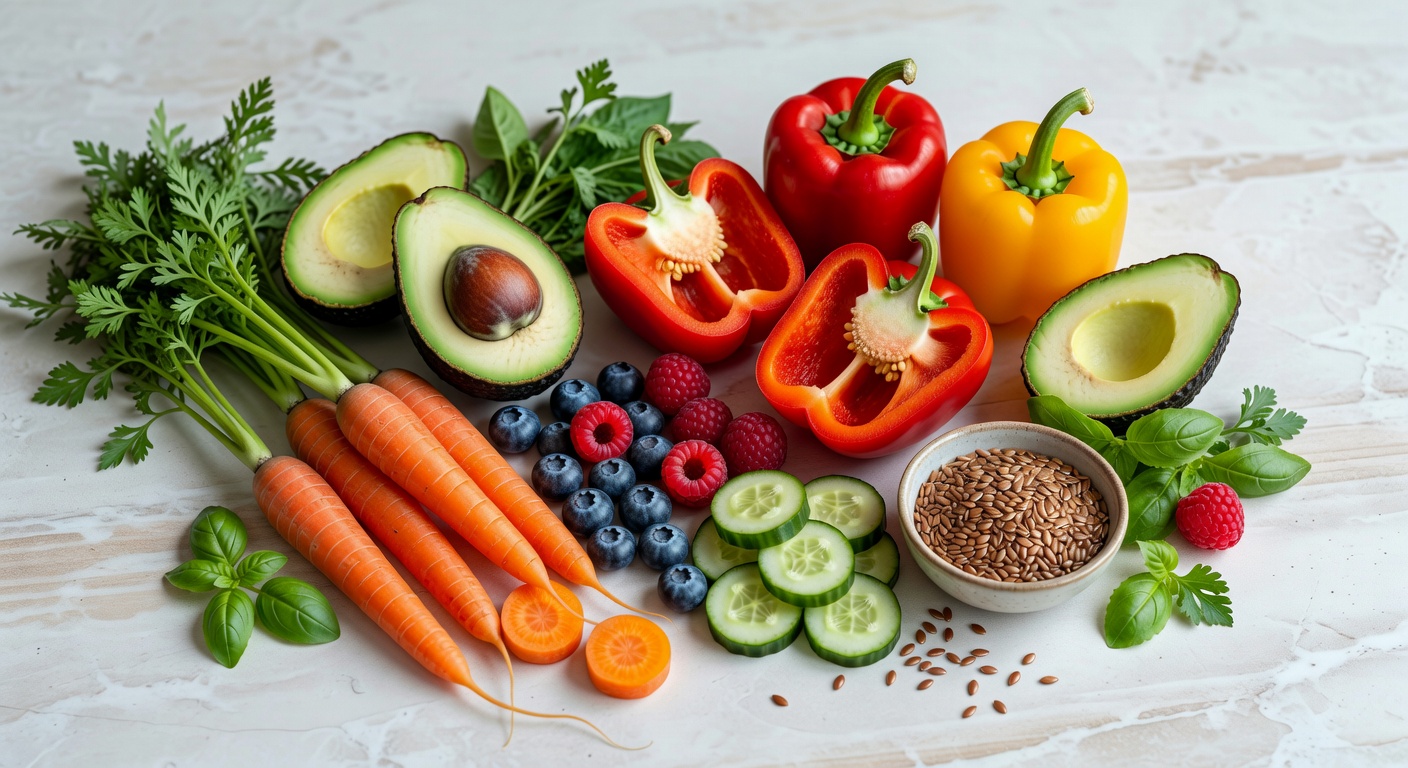
Beyond trigger avoidance, a focus on anti-inflammatory foods is crucial. This includes increasing the intake of fruits and vegetables, which are rich in antioxidants and phytonutrients that combat oxidative stress and reduce inflammation. Omega-3 fatty acids, found abundantly in fatty fish like salmon and mackerel, as well as in flaxseeds and chia seeds, have potent anti-inflammatory properties and can help to modulate the immune response. A 2025 review of studies indicated that individuals consuming diets higher in omega-3s reported a significant reduction in facial redness and inflammatory lesions, with 72% of participants experiencing noticeable improvement within three months. Incorporating these nutrient-dense foods into the daily diet can create a more favorable internal environment for managing rosacea.
The gut-skin axis also presents a significant avenue for nutritional intervention. Probiotic-rich foods such as yogurt, kefir, and fermented vegetables can help to restore balance to the gut microbiome, which is often disrupted in individuals with rosacea. Prebiotic fibers, found in foods like garlic, onions, and whole grains, act as fuel for beneficial gut bacteria, further supporting a healthy gut environment. Furthermore, ensuring adequate intake of essential micronutrients like zinc, vitamin D, and B vitamins is vital, as deficiencies in these can compromise immune function and skin barrier integrity. A comprehensive nutritional approach that addresses inflammation, gut health, and micronutrient status offers a powerful, evidence-based strategy for rosacea management.
Key Dietary Recommendations for Rosacea
- Identify and Eliminate Personal Triggers: Maintain a food diary to track flare-ups and correlate them with specific food or beverage consumption.
- Embrace Anti-Inflammatory Foods: Prioritize fruits, vegetables, fatty fish, nuts, and seeds.
- Support Gut Health: Include fermented foods (yogurt, kefir, sauerkraut) and prebiotic-rich foods (garlic, onions, leeks, whole grains).
- Ensure Adequate Micronutrient Intake: Focus on zinc, vitamin D, and B vitamins through diet or supplementation under professional guidance.
- Hydration is Key: Drink plenty of water throughout the day to support skin health and overall bodily functions.
- Limit Inflammatory Foods: Reduce consumption of processed foods, refined sugars, excessive saturated fats, and excessive caffeine.
The Role of AI in Personalized Nutrition for Rosacea
The complexity of rosacea, with its diverse triggers and individual responses, makes a one-size-fits-all dietary approach ineffective. This is where the power of Artificial Intelligence (AI) in nutrition becomes transformative. AI-powered platforms can analyze vast datasets of nutritional information, scientific research, and individual user data to create highly personalized dietary recommendations. For rosacea sufferers, this means moving beyond generic advice to a plan that is precisely tailored to their unique biology, lifestyle, and specific triggers.
AI algorithms can process information such as genetic predispositions, gut microbiome profiles (if available), reported food sensitivities, symptom severity, and even environmental factors to identify patterns that may be invisible to human analysis alone. By integrating real-time data from wearable devices that track physiological responses like skin temperature or stress levels, AI can further refine dietary suggestions to proactively prevent flare-ups. This dynamic and adaptive approach ensures that the nutritional strategy evolves with the individual’s condition and lifestyle changes.
Furthermore, AI can democratize access to expert-level nutritional guidance. Individuals struggling with rosacea can receive personalized, evidence-based recommendations without the need for frequent in-person consultations, which can be costly and time-consuming. The ability to track progress, receive timely reminders, and have questions answered by an intelligent system empowers individuals to take greater control of their health. This technology promises to revolutionize how we approach chronic condition management, offering a future where personalized nutrition is not a luxury but a fundamental tool for well-being, especially for conditions like rosacea that are so deeply influenced by diet.
Key Takeaways
- Rosacea is a chronic inflammatory condition with a significant impact on quality of life, often exacerbated by diet.
- The gut-skin axis plays a crucial role, suggesting that gut health interventions can influence rosacea symptoms.
- Identifying personal dietary triggers (e.g., spicy foods, alcohol, histamine-rich foods) is essential for management.
- An anti-inflammatory diet rich in fruits, vegetables, and omega-3 fatty acids can help reduce inflammation and improve symptoms.
- Supporting gut health through probiotics and prebiotics can contribute to a healthier internal environment.
- AI-powered nutrition platforms can provide highly personalized, evidence-based dietary recommendations for rosacea management.
Discover your personalized path to clearer skin. Visit ainutry.online for AI-personalized nutrition designed to manage your rosacea effectively.
Frequently Asked Questions
Does AI nutrition really help rosacea?
AI nutrition for rosacea is an emerging field, with 2026 research focusing on its potential to personalize dietary recommendations. Early studies suggest AI algorithms can identify specific triggers and beneficial nutrients for individual rosacea patients, potentially leading to improved symptom management. However, widespread clinical validation is still ongoing.
Who is a good candidate for AI-powered rosacea nutrition plans?
Individuals with rosacea who struggle to identify dietary triggers or find effective nutritional strategies may benefit from AI-powered plans. These systems are particularly useful for those seeking highly personalized dietary guidance beyond general recommendations. They can also assist patients with co-existing conditions by optimizing nutrient intake.
Are AI nutrition recommendations safe for rosacea patients?
Generally, AI nutrition recommendations are designed to be safe, focusing on whole foods and evidence-based dietary principles. However, it’s crucial that AI systems are developed with robust clinical oversight to prevent nutrient deficiencies or interactions with medications. Always consult a healthcare professional before making significant dietary changes, especially if you have underlying health conditions.
How does AI personalize nutrition plans for rosacea?
AI personalizes nutrition for rosacea by analyzing vast datasets including individual patient data, genetic markers, microbiome profiles, and symptom logs. It identifies patterns and correlations between dietary intake and rosacea flare-ups or improvements. This allows the AI to generate highly specific, dynamic dietary suggestions tailored to an individual’s unique biological responses.
Leave a Reply