
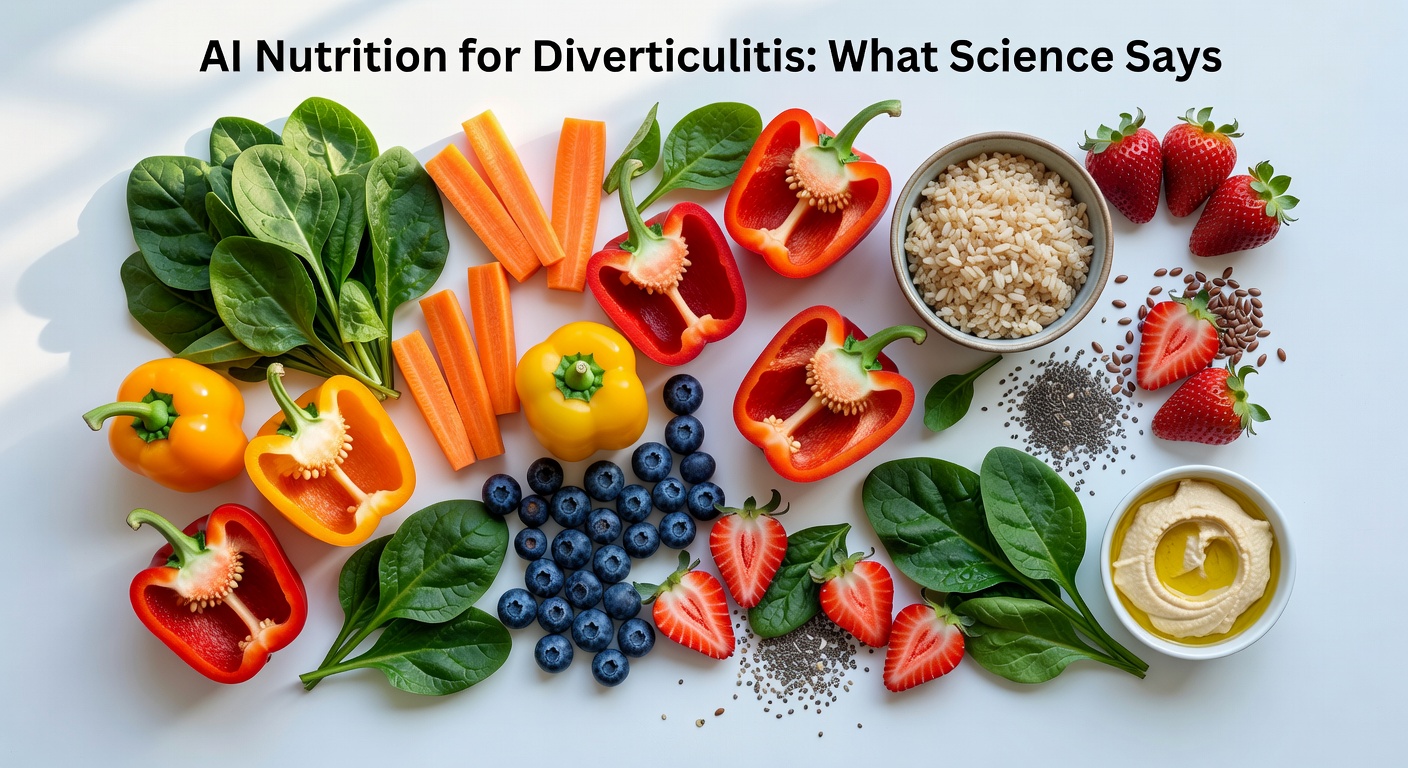
Diverticulitis affects an estimated 10% to 20% of adults over the age of 40 in Western countries, with the prevalence increasing significantly with age. For many, this condition can bring discomfort, pain, and dietary restrictions. But what role can advanced nutrition science, particularly AI-driven insights, play in managing and potentially preventing diverticulitis flare-ups?
Table of Contents
- Understanding Diverticulitis: Beyond the Basics
- The Role of Fiber: A Nuanced Perspective
- Fat, Protein, and Inflammation: AI-Driven Insights
- The Gut Microbiome and Diverticulitis: A Symbiotic Relationship
- Personalized Nutrition for Diverticulitis Management
- Emerging Research and Future Directions
Understanding Diverticulitis: Beyond the Basics
Diverticulitis is an inflammatory condition of the gastrointestinal tract, specifically involving diverticula, which are small, bulging pouches that can form in the lining of the digestive system. These pouches, known as diverticula, most commonly develop in the lower part of the large intestine (colon). While the presence of these pouches is called diverticulosis, diverticulitis occurs when one or more of these diverticula become inflamed or infected. This inflammation can manifest as abdominal pain, fever, nausea, and changes in bowel habits.
The exact mechanisms triggering the inflammation in diverticulitis are still being investigated, but current understanding points to a complex interplay of factors. These include increased pressure within the colon, which can force the mucosal lining through weak spots in the intestinal wall, the accumulation of fecal matter within the diverticula, and the subsequent growth of bacteria. This bacterial proliferation can lead to an inflammatory response, potentially progressing to infection and more severe complications like abscesses or perforations if left unmanaged.
Historically, dietary advice for diverticulitis has often focused on avoiding nuts, seeds, and popcorn, based on the theory that these foods could become lodged in diverticula and trigger inflammation. However, recent scientific evidence has largely debunked this notion. In fact, a 2017 study published in the journal *Gastroenterology* found that individuals who consumed nuts and seeds had a lower risk of developing diverticulitis. This highlights the evolving nature of nutritional science and the importance of staying updated with the latest research.
Understanding the nuances of diverticulitis is crucial for effective management. It’s not just about what to avoid, but more importantly, what to include to support gut health and reduce inflammation. This includes a focus on dietary patterns that promote a healthy gut microbiome and reduce pressure within the colon. The role of AI in analyzing vast datasets to identify these patterns and personalize recommendations is becoming increasingly significant.
The Role of Fiber: A Nuanced Perspective
For decades, fiber has been hailed as a cornerstone of digestive health, and its role in diverticulitis is no exception, though the specifics are critical. A high-fiber diet is generally recommended for individuals with diverticulosis to help prevent the formation of diverticula and reduce the risk of developing diverticulitis. Fiber adds bulk to stool, making it softer and easier to pass, which can alleviate pressure within the colon and decrease the likelihood of fecal matter becoming trapped in diverticula. It also supports a healthy gut microbiome, which plays a vital role in overall gut health.
However, the type and timing of fiber intake are paramount, especially during an active diverticulitis flare-up. During an acute episode, a low-fiber (low-residue) diet is often recommended to allow the bowel to rest and reduce irritation. This typically involves consuming easily digestible foods like white bread, white rice, lean proteins, and cooked, peeled fruits and vegetables. As symptoms subside, the gradual reintroduction of fiber is essential. This transition should be managed carefully, increasing fiber intake slowly to avoid exacerbating symptoms and allowing the digestive system to adapt.
The scientific consensus is shifting towards advocating for a long-term high-fiber diet for individuals with diverticulosis to prevent future episodes. A comprehensive review in the *American Journal of Gastroenterology* in 2019 emphasized that a high-fiber diet is associated with a reduced risk of symptomatic diverticular disease. The recommended daily intake for adults is typically between 25-30 grams of fiber, but individual needs may vary. Focusing on a variety of fiber sources, including fruits, vegetables, whole grains, legumes, nuts, and seeds, provides a spectrum of beneficial compounds.
The key takeaway regarding fiber and diverticulitis is its dual role: restrictive during acute phases and foundational for long-term prevention. AI-powered platforms can meticulously track individual responses to different fiber types and amounts, helping to fine-tune recommendations beyond general guidelines. This personalized approach ensures that individuals receive the optimal fiber intake to manage their condition effectively.
Fat, Protein, and Inflammation: AI-Driven Insights
While fiber often takes center stage, the role of macronutrients like fats and proteins in diverticulitis management is gaining attention, particularly through advanced data analysis. Research has begun to explore the impact of different dietary fat types on inflammation and gut health. Diets high in saturated and trans fats, often found in processed foods and red meat, have been linked to increased systemic inflammation, which could potentially exacerbate inflammatory conditions like diverticulitis. Conversely, diets rich in unsaturated fats, such as those found in olive oil, avocados, and fatty fish, are often associated with anti-inflammatory effects.
The protein component of the diet also warrants consideration. Lean protein sources, including poultry, fish, and plant-based proteins like legumes and tofu, are generally well-tolerated and provide essential nutrients without contributing to excessive inflammation. However, the way protein is prepared and consumed matters. High-fat red meats and processed meats, which can be high in saturated fat and potentially inflammatory compounds, may be best consumed in moderation or avoided by individuals prone to diverticulitis. AI can analyze an individual’s entire dietary intake, identifying patterns in fat and protein consumption that correlate with their symptom severity.
Furthermore, the interplay between fat, protein, and the gut microbiome is a complex area where AI can provide significant value. The microbiome influences how our bodies metabolize fats and proteins, and imbalances can lead to the production of inflammatory byproducts. For instance, certain gut bacteria can metabolize dietary components into short-chain fatty acids (SCFAs), which are generally beneficial. However, other metabolic pathways, particularly those influenced by high-fat or low-fiber diets, can produce compounds that promote inflammation. A 2020 study in the journal *Gut* highlighted how Western-style diets, often characterized by high fat and low fiber, can negatively alter the gut microbiome composition and increase the risk of diverticular disease.
AI-powered nutrition platforms can help individuals identify specific food sources of fats and proteins that may be contributing to their symptoms. By analyzing dietary logs and symptom diaries, AI can pinpoint problematic foods or food groups and suggest healthier alternatives, optimizing macronutrient intake for reduced inflammation and improved gut health. This moves beyond generic advice to highly personalized dietary adjustments.
The Gut Microbiome and Diverticulitis: A Symbiotic Relationship
The human gut microbiome, a complex ecosystem of trillions of microorganisms, is increasingly recognized as a critical factor in maintaining digestive health and influencing inflammatory processes throughout the body, including in the context of diverticulitis. A balanced and diverse gut microbiome contributes to efficient digestion, nutrient absorption, and the production of beneficial compounds like short-chain fatty acids (SCFAs). These SCFAs, particularly butyrate, play a crucial role in maintaining the integrity of the gut lining and possess anti-inflammatory properties, which can be protective against diverticular inflammation.
Conversely, dysbiosis, an imbalance in the gut microbial community, has been implicated in the development and exacerbation of diverticular disease. Factors such as a low-fiber diet, processed food consumption, antibiotic use, and stress can disrupt the delicate balance of the microbiome, leading to an overgrowth of potentially harmful bacteria and a reduction in beneficial species. This imbalance can promote inflammation, increase gut permeability, and contribute to the conditions that favor diverticulitis flare-ups. Research has indicated that individuals with diverticulitis often exhibit altered gut microbial profiles compared to healthy individuals.
The connection between diet and the microbiome is bidirectional. Dietary choices directly influence the types and numbers of microbes present in the gut. For example, a diet rich in prebiotics - fibers that selectively feed beneficial bacteria - can promote the growth of SCFA-producing bacteria, thereby enhancing gut health and potentially reducing inflammation. Probiotics, live beneficial bacteria, may also play a role in restoring microbial balance, although more research is needed to establish specific strains and dosages for diverticulitis management. AI can analyze an individual’s dietary intake and correlate it with known impacts on gut microbial profiles, offering tailored recommendations for prebiotic and probiotic-rich foods.
Understanding the gut microbiome’s role opens up new avenues for personalized nutrition in diverticulitis management. AI can process complex data from microbiome research and individual dietary patterns to suggest specific foods and dietary strategies that promote a healthier gut ecosystem. This includes recommending fiber sources known to support beneficial bacteria, identifying foods that may trigger dysbiosis, and potentially guiding the use of probiotic-rich foods or supplements based on individual needs and sensitivities.
Personalized Nutrition for Diverticulitis Management
The traditional one-size-fits-all approach to dietary recommendations for diverticulitis is increasingly being challenged by the power of personalized nutrition. What works for one individual may not be optimal for another, given the unique variations in genetics, gut microbiome composition, lifestyle, and symptom triggers. AI-powered nutrition platforms are at the forefront of this paradigm shift, enabling the creation of highly individualized dietary plans tailored to the specific needs of individuals with diverticulitis.
AI algorithms can analyze a vast array of data points, including detailed dietary logs, symptom diaries, medical history, and even genetic predispositions (where available and ethically integrated). By identifying patterns and correlations that might be imperceptible to human analysis alone, AI can pinpoint specific foods, food combinations, or macronutrient ratios that either alleviate or exacerbate diverticulitis symptoms for a particular individual. This allows for the creation of a dynamic dietary plan that can be adjusted in real-time based on evolving symptoms and responses.
For instance, while a general recommendation for high fiber is beneficial, an AI system can help determine the optimal type and amount of fiber for an individual. It might identify that a specific person tolerates soluble fiber from oats better than insoluble fiber from certain vegetables, or that a gradual increase in fiber from legumes is well-received. Similarly, AI can help identify individual triggers among common culprits like red meat, spicy foods, or even certain artificial sweeteners, guiding the user towards safer and more enjoyable food choices.
The goal of personalized nutrition in diverticulitis management is not just symptom control but also long-term prevention and improved quality of life. By empowering individuals with precise, evidence-based dietary guidance, AI can help them regain control over their health, reduce the frequency and severity of flare-ups, and foster a more resilient digestive system. This data-driven approach moves beyond guesswork to a proactive and informed strategy for living well with diverticulitis.
Emerging Research and Future Directions
The field of nutrition science, particularly as it intersects with AI and complex conditions like diverticulitis, is continuously evolving. Emerging research is delving deeper into the intricate mechanisms underlying diverticular disease, with a growing emphasis on the gut-brain axis, the role of specific micronutrients, and the potential of novel dietary interventions. AI is poised to play an even more significant role in accelerating these discoveries by analyzing large-scale datasets from clinical trials, observational studies, and real-world evidence.
One exciting area of ongoing research is the potential impact of specific micronutrients on gut health and inflammation. While fiber remains central, compounds like polyphenols found in fruits, vegetables, and certain beverages, as well as vitamins and minerals, are being investigated for their anti-inflammatory and gut-protective properties. AI can help researchers identify potential correlations between the intake of specific micronutrients and the incidence or severity of diverticulitis, paving the way for more targeted dietary recommendations. Furthermore, the exploration of the gut-brain axis, which describes the bidirectional communication between the gastrointestinal tract and the central nervous system, is revealing how stress and mood can influence digestive health and inflammation, suggesting that holistic dietary approaches may be beneficial.
The future of AI nutrition for diverticulitis likely involves even more sophisticated predictive modeling. Imagine an AI system that can analyze an individual’s current dietary intake, stress levels, sleep patterns, and even environmental factors to predict the likelihood of an impending diverticulitis flare-up. This would allow for proactive dietary adjustments and lifestyle modifications to avert the episode altogether. Furthermore, advancements in wearable technology and biosensors could provide real-time physiological data that AI can integrate with dietary information, offering an unprecedented level of personalized insights and early warnings.
Ultimately, the ongoing integration of AI with cutting-edge nutritional science promises a future where managing diverticulitis is more precise, proactive, and personalized than ever before. This collaborative approach between human expertise and artificial intelligence will empower individuals to make informed dietary choices that not only manage their condition but also enhance their overall well-being and resilience.
Key Takeaways
- Focus on a high-fiber diet for long-term prevention of diverticulitis, gradually reintroducing fiber after acute flare-ups.
- During acute diverticulitis flare-ups, adhere to a low-fiber (low-residue) diet to allow the bowel to rest.
- Prioritize unsaturated fats and lean protein sources while moderating saturated and trans fats, often found in processed and red meats.
- Support a healthy gut microbiome through prebiotic-rich foods (fruits, vegetables, whole grains) and consider probiotic sources.
- Recognize that individual triggers for diverticulitis vary; AI can help identify personal dietary sensitivities.
- Embrace personalized nutrition strategies that adapt to your unique body responses and lifestyle for optimal management.
Discover AI-powered personalized nutrition plans tailored to your specific needs. Visit ainutry.online today!
Frequently Asked Questions
What is AI nutrition for diverticulitis and how does it work?
AI nutrition for diverticulitis leverages artificial intelligence algorithms to analyze an individual’s health data, dietary habits, and scientific literature to generate personalized dietary recommendations. It aims to optimize nutrient intake and manage symptoms by adapting food suggestions based on an individual’s unique response and the current state of their diverticulitis.
Is AI-driven nutritional advice for diverticulitis scientifically proven to be effective?
While AI offers promising avenues for personalized nutrition, the scientific evidence specifically validating AI-driven dietary interventions for diverticulitis is still emerging. Current research is exploring its potential to improve adherence and outcomes, but it should complement, not replace, advice from healthcare professionals.
Who should consider using AI nutrition tools for managing diverticulitis?
Individuals with diverticulitis who are looking for highly personalized dietary strategies beyond general guidelines, or those struggling to manage their symptoms through conventional methods, might consider AI nutrition. It is particularly useful for fine-tuning nutritional approaches under the guidance of a physician or registered dietitian.
How does AI nutrition for diverticulitis compare to traditional dietary recommendations?
Traditional recommendations often provide broad guidelines for diverticulitis, such as increasing fiber during remission or a low-fiber diet during flare-ups. AI nutrition, however, can analyze individual factors like microbiome data, food sensitivities, and real-time symptom tracking to offer dynamic, highly specific dietary adjustments tailored to a person’s unique needs and responses.
Leave a Reply