
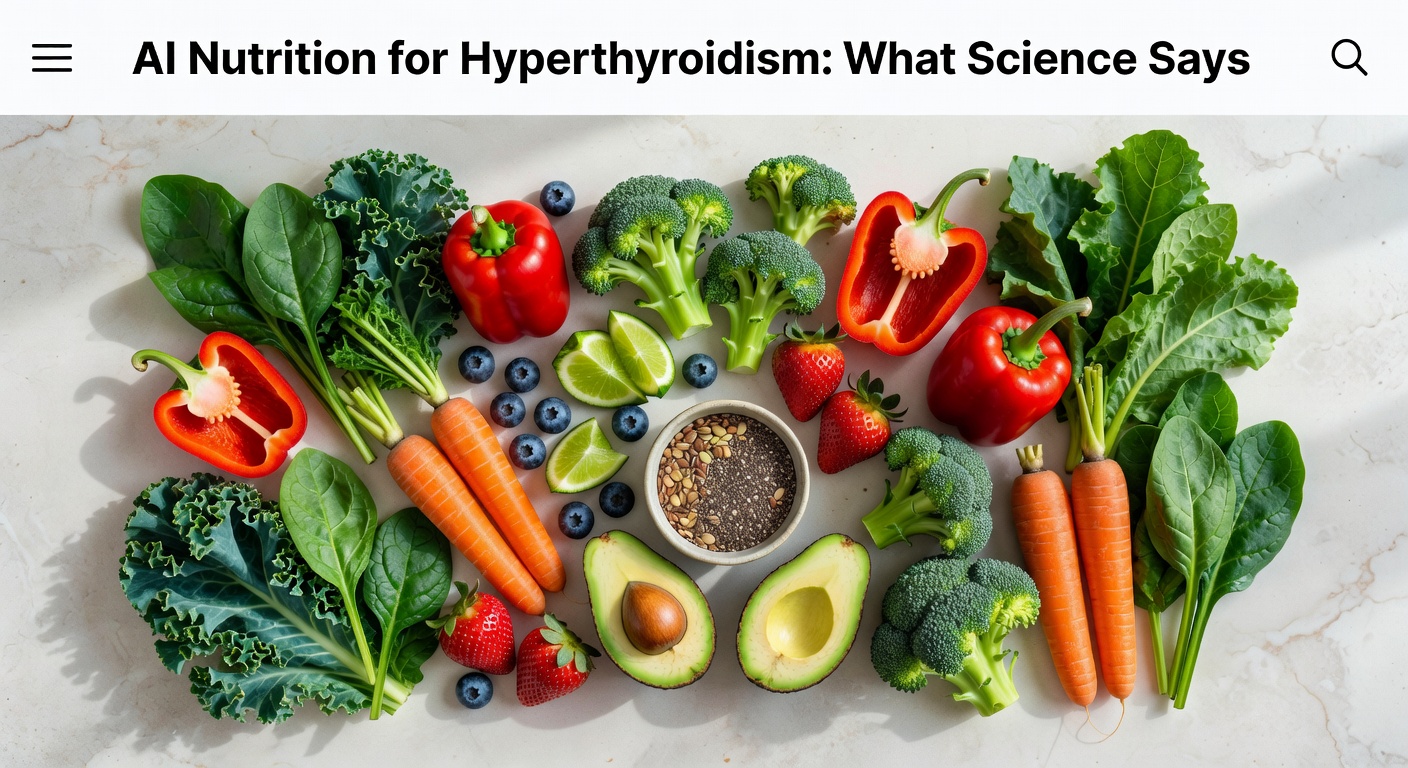
Did you know that an estimated 1.2% of the U.S. population is diagnosed with hyperthyroidism each year?(Source: CDC, 2016) This condition, characterized by an overactive thyroid gland producing too much thyroid hormone, can significantly impact metabolism, energy levels, and overall well-being. While medical treatment is paramount, the role of nutrition in managing hyperthyroidism is a growing area of scientific interest, with AI-powered platforms like AINutry exploring how personalized dietary strategies can complement conventional therapies.
Table of Contents
- Understanding Hyperthyroidism and Its Nutritional Implications
- The Interplay of Thyroid Hormones and Metabolism
- Key Nutrient Focus Areas for Hyperthyroidism Management
- Foods to Favor: Building a Thyroid-Friendly Diet
- Foods to Limit or Avoid: Navigating Potential Triggers
- The Role of AI in Personalized Hyperthyroidism Nutrition
Understanding Hyperthyroidism and Its Nutritional Implications
Hyperthyroidism, also known as an overactive thyroid, occurs when the thyroid gland produces excessive amounts of thyroid hormones, primarily thyroxine (T4) and triiodothyronine (T3). These hormones are crucial regulators of the body’s metabolism, influencing heart rate, body temperature, calorie burning, and the function of nearly every organ. When their levels are too high, the body’s metabolic rate accelerates, leading to a cascade of symptoms such as unexplained weight loss, rapid or irregular heartbeat, anxiety, tremors, increased sweating, and heat intolerance. The nutritional landscape for individuals with hyperthyroidism is complex, as the heightened metabolic state demands increased energy and nutrient intake, while certain dietary components can either support or inadvertently exacerbate the condition.
The nutritional challenges in hyperthyroidism are multifaceted. The accelerated metabolism means that calories are burned at a much faster rate, often leading to unintentional weight loss. This necessitates a focus on calorie-dense and nutrient-rich foods to prevent malnutrition and maintain a healthy body weight. Furthermore, the increased metabolic activity can lead to heightened nutrient depletion, particularly for certain vitamins and minerals. Understanding these physiological shifts is the first step in crafting an effective dietary plan that supports the body’s needs during this hypermetabolic state. Without adequate nutritional support, individuals may experience fatigue, muscle weakness, and a compromised immune system, further impacting their quality of life.
The scientific community’s understanding of hyperthyroidism’s nutritional impact is continually evolving. While traditional advice often focused on general healthy eating principles, emerging research highlights the importance of specific micronutrients and macronutrient balances. For instance, the increased oxidative stress associated with hyperthyroidism suggests a potential benefit from antioxidant-rich foods. Similarly, the impact on bone health due to accelerated metabolism warrants attention to calcium and vitamin D intake. Navigating these nuances requires a sophisticated approach, moving beyond generic dietary guidelines to personalized strategies that consider individual metabolic profiles and nutrient status.
The Interplay of Thyroid Hormones and Metabolism
Thyroid hormones, T3 and T4, are the body’s master regulators of metabolism. They bind to receptors in cells throughout the body, influencing gene expression and the rate at which cells convert nutrients into energy. In a state of hyperthyroidism, this finely tuned system is thrown into overdrive. The elevated levels of thyroid hormones dramatically increase the basal metabolic rate (BMR), which is the number of calories your body burns at rest. This means that even when you are not physically active, your body is consuming energy at an exceptionally high rate to maintain essential functions.
This accelerated metabolism has profound implications for nutrient utilization and energy balance. The body demands more fuel to keep up with the increased cellular activity. This can manifest as a ravenous appetite, yet despite increased food intake, many individuals with hyperthyroidism struggle to maintain or gain weight due to the sheer speed at which calories are being burned. This catabolic state can lead to the breakdown of muscle tissue for energy, contributing to muscle weakness and fatigue. Consequently, dietary strategies must focus on providing sufficient calories and macronutrients to counteract this rapid energy expenditure and preserve lean body mass.
The hormonal imbalance in hyperthyroidism also affects the absorption and utilization of specific nutrients. For example, increased gut motility can potentially reduce the time for nutrient absorption, and increased sweating can lead to greater losses of electrolytes and water-soluble vitamins. Furthermore, the heightened inflammatory processes often associated with autoimmune thyroid conditions, such as Graves’ disease, can influence nutrient needs and the body’s ability to utilize them effectively. Understanding these complex interactions is crucial for developing a dietary plan that not only provides adequate energy but also supports overall cellular function and combats potential deficiencies.
Key Nutrient Focus Areas for Hyperthyroidism Management
Managing hyperthyroidism through diet involves a strategic focus on several key nutrient categories. Given the accelerated metabolism, ensuring adequate caloric intake is paramount. This doesn’t mean simply eating more of anything, but rather prioritizing nutrient-dense foods that provide sustained energy and essential vitamins and minerals. Carbohydrates are a primary energy source, and complex carbohydrates like whole grains, fruits, and vegetables should form the foundation of the diet. Protein is also vital for repairing tissues and preserving muscle mass, which can be catabolized in hyperthyroidism. Aim for lean protein sources at each meal.
Micronutrient status can be significantly impacted by hyperthyroidism. For instance, increased intestinal transit time can affect the absorption of certain minerals, and increased sweating can lead to losses of water-soluble vitamins. Calcium and vitamin D are particularly important due to the potential for increased bone turnover and the risk of osteoporosis, a known complication of prolonged hyperthyroidism. A 2022 study highlighted that individuals with hyperthyroidism often exhibit lower serum levels of vitamin D, emphasizing the need for dietary or supplemental support.(Source: Journal of Clinical Endocrinology & Metabolism, 2022) Antioxidants, such as vitamins C and E, and selenium, are also of interest due to the increased oxidative stress associated with the condition, helping to combat cellular damage.
Iodine is a critical component of thyroid hormones, and while it might seem counterintuitive, the dietary management of hyperthyroidism often involves carefully considering iodine intake. In some forms of hyperthyroidism, particularly those related to Graves’ disease, excessive iodine intake can exacerbate thyroid hormone production. However, in other cases, particularly when thyroid function is suppressed by medication, adequate iodine is still necessary for the body’s normal processes. Therefore, the recommendation regarding iodine is nuanced and highly individualized, often requiring guidance from a healthcare professional. Similarly, goitrogens, compounds found in certain vegetables, can interfere with thyroid function, but their impact is generally only significant in the context of severe iodine deficiency, which is rare in developed countries.
- Caloric Intake: Prioritize calorie-dense, nutrient-rich foods to meet increased energy demands.
- Macronutrient Balance: Ensure adequate intake of complex carbohydrates for energy and lean protein to preserve muscle mass.
- Calcium and Vitamin D: Crucial for bone health, which can be compromised in hyperthyroidism.
- Antioxidants: Vitamins C, E, and selenium can help combat oxidative stress.
- Iodine: Intake needs careful consideration and personalization based on the specific type and treatment of hyperthyroidism.
- B Vitamins: Essential for energy metabolism, which is highly active in hyperthyroidism.
Foods to Favor: Building a Thyroid-Friendly Diet
Creating a diet that supports individuals with hyperthyroidism involves an emphasis on nutrient-dense, whole foods that can provide the energy and building blocks the body needs to cope with an accelerated metabolism. Lean protein sources are essential for preventing muscle breakdown and supporting tissue repair. These include poultry, fish, eggs, beans, lentils, and tofu. Incorporating these into meals and snacks ensures a consistent supply of amino acids. Complex carbohydrates, such as oats, quinoa, brown rice, and whole-wheat bread, provide sustained energy release, helping to manage fluctuating energy levels and preventing rapid blood sugar spikes and drops.
Fruits and vegetables are packed with vitamins, minerals, fiber, and antioxidants, all of which play a vital role in supporting overall health during hyperthyroidism. Antioxidants, in particular, can help mitigate the increased oxidative stress that often accompanies an overactive thyroid. Aim for a wide variety of colorful produce, including berries, leafy greens, citrus fruits, and cruciferous vegetables. While some cruciferous vegetables contain goitrogens, their impact is minimal in a balanced diet and they are rich in beneficial nutrients. Cooking them can further reduce any potential goitrogenic effect. Healthy fats from sources like avocados, nuts, seeds, and olive oil are also important for hormone production and nutrient absorption.
Specific micronutrients warrant special attention. For bone health, focus on calcium-rich foods like dairy products (if tolerated), fortified plant-based milks, leafy greens (kale, spinach), and sardines. Vitamin D can be obtained from fatty fish (salmon, mackerel), fortified foods, and sensible sun exposure. Selenium, an antioxidant that plays a role in thyroid hormone metabolism, can be found in Brazil nuts (in moderation), seafood, and whole grains. B vitamins, crucial for energy metabolism, are abundant in whole grains, lean meats, eggs, and leafy greens. Ensuring adequate intake of these nutrients through a varied and balanced diet is a cornerstone of nutritional management.
- Lean Proteins: Chicken breast, turkey, fish, eggs, beans, lentils, tofu.
- Complex Carbohydrates: Oats, quinoa, brown rice, whole-wheat pasta, sweet potatoes.
- Fruits and Vegetables: Berries, leafy greens, citrus fruits, apples, bananas, broccoli, carrots.
- Healthy Fats: Avocados, nuts, seeds (chia, flax, sunflower), olive oil.
- Dairy or Fortified Alternatives: For calcium and vitamin D.
- Whole Grains: For B vitamins and fiber.
Foods to Limit or Avoid: Navigating Potential Triggers
While the focus is on nutrient-dense foods, certain dietary components can be problematic for individuals with hyperthyroidism and should be approached with caution or limited. Highly processed foods, sugary drinks, and refined carbohydrates can lead to rapid blood sugar fluctuations, which can exacerbate energy swings and potentially contribute to inflammation. These foods often lack essential nutrients and can displace more beneficial options in the diet. Excessive caffeine intake, commonly found in coffee, tea, and energy drinks, can also mimic or worsen hyperthyroid symptoms like rapid heart rate, anxiety, and tremors. Limiting or avoiding these stimulants is often recommended.
For individuals with Graves’ disease, an autoimmune form of hyperthyroidism, certain dietary considerations are particularly important. Some research suggests that excessive intake of iodine can be detrimental. This means being mindful of foods that are very high in iodine, such as kelp and other sea vegetables, and potentially limiting their consumption. It’s important to note that moderate iodine intake from a balanced diet is still necessary for overall thyroid health, and drastic iodine restriction is generally not advised without medical supervision. Similarly, individuals may find that certain foods trigger digestive issues or exacerbate their symptoms, and personalized observation is key to identifying these triggers.
Alcohol consumption can also be a concern. While moderate alcohol intake may not directly impact thyroid hormone levels, it can interfere with sleep, contribute to dehydration, and negatively affect nutrient absorption, all of which can be particularly challenging for someone managing hyperthyroidism. Furthermore, some individuals with hyperthyroidism may experience increased sensitivity to certain food additives or allergens, leading to digestive discomfort or other symptoms. Keeping a food diary can be an invaluable tool for identifying personal sensitivities and patterns.
- Processed Foods: Packaged snacks, fast food, processed meats.
- Sugary Drinks: Soda, sweetened juices, energy drinks.
- Refined Carbohydrates: White bread, white pasta, pastries.
- Excessive Caffeine: Coffee, strong teas, energy drinks.
- High-Iodine Foods (especially in Graves’ disease): Kelp, certain seaweeds, and supplements containing high levels of iodine.
- Alcohol: Limit or avoid, as it can interfere with sleep and nutrient absorption.
The Role of AI in Personalized Hyperthyroidism Nutrition
The complexity of hyperthyroidism, with its varied symptoms, metabolic demands, and potential nutrient interactions, makes personalized nutrition a critical component of management. Traditional approaches often rely on general dietary guidelines, but these may not adequately address the unique physiological state and nutritional needs of each individual. This is where artificial intelligence is revolutionizing the field of nutrition. AI-powered platforms can analyze vast amounts of data, including an individual’s medical history, current symptoms, laboratory results, lifestyle, and dietary preferences, to create highly customized nutritional plans.
AI algorithms can process scientific literature at an unprecedented scale, identifying emerging research and evidence-based recommendations relevant to hyperthyroidism. For example, AI can help pinpoint specific nutrient deficiencies or excesses based on blood work and dietary patterns, suggesting targeted food recommendations or supplements. It can also take into account the potential interactions between medications and foods, or how certain dietary patterns might influence the effectiveness of thyroid treatments. This level of personalization goes far beyond generic advice, offering a dynamic and adaptive approach to dietary management.
For individuals managing hyperthyroidism, an AI nutrition platform like AINutry can provide continuous support and adjustments. As an individual’s condition evolves, or as they respond to treatment, their nutritional needs will change. AI can monitor these changes and adapt the dietary recommendations accordingly, ensuring that the plan remains optimal. This includes adjusting calorie and macronutrient targets, recommending specific foods to address potential deficiencies identified through ongoing analysis, and providing personalized meal plans and recipes. The goal is to empower individuals with evidence-based, actionable dietary strategies that complement their medical care and promote a better quality of life.
Key Takeaways
- Hyperthyroidism accelerates metabolism, requiring increased calorie and nutrient intake.
- Focus on nutrient-dense foods, lean proteins, complex carbohydrates, and healthy fats.
- Prioritize calcium, vitamin D, and antioxidants to support bone health and combat oxidative stress.
- Limit processed foods, excessive caffeine, sugary drinks, and refined carbohydrates.
- Iodine intake requires careful consideration, especially in Graves’ disease, and should be discussed with a healthcare provider.
- AI-powered nutrition platforms can provide highly personalized and adaptive dietary plans for hyperthyroidism management.
Discover your personalized nutrition plan for managing hyperthyroidism. Visit ainutry.online for AI-personalized nutrition.
Frequently Asked Questions
What is AI nutrition for hyperthyroidism and how does it work?
AI nutrition for hyperthyroidism utilizes artificial intelligence to analyze an individual’s unique health data, dietary patterns, and hyperthyroidism symptoms. It then generates personalized dietary recommendations aimed at supporting thyroid function, managing symptoms, and optimizing nutrient intake alongside medical treatment.
Is AI nutrition safe and evidence-based for managing hyperthyroidism?
The safety and efficacy of AI nutrition for hyperthyroidism depend on the quality of the AI model’s scientific data and medical oversight. While AI can enhance dietary personalization and adherence, it should always be used as a complementary tool under the guidance of a healthcare professional, not as a replacement for conventional medical care.
What specific dietary changes might an AI nutrition plan recommend for hyperthyroidism?
An AI nutrition plan for hyperthyroidism would likely focus on managing iodine intake, recommending foods rich in selenium, zinc, and B vitamins, and emphasizing anti-inflammatory foods. These recommendations are highly personalized based on your specific lab results, medication, and individual needs to help mitigate symptoms and support overall health.
Can AI nutrition replace prescribed medication for hyperthyroidism, or is it an alternative treatment?
No, AI nutrition is not a standalone treatment and cannot replace prescribed medication for hyperthyroidism. It functions as a complementary strategy to optimize dietary intake and support overall health, working in conjunction with your endocrinologist’s established treatment plan. Always consult your doctor before making any significant changes to your hyperthyroidism management.
Leave a Reply