
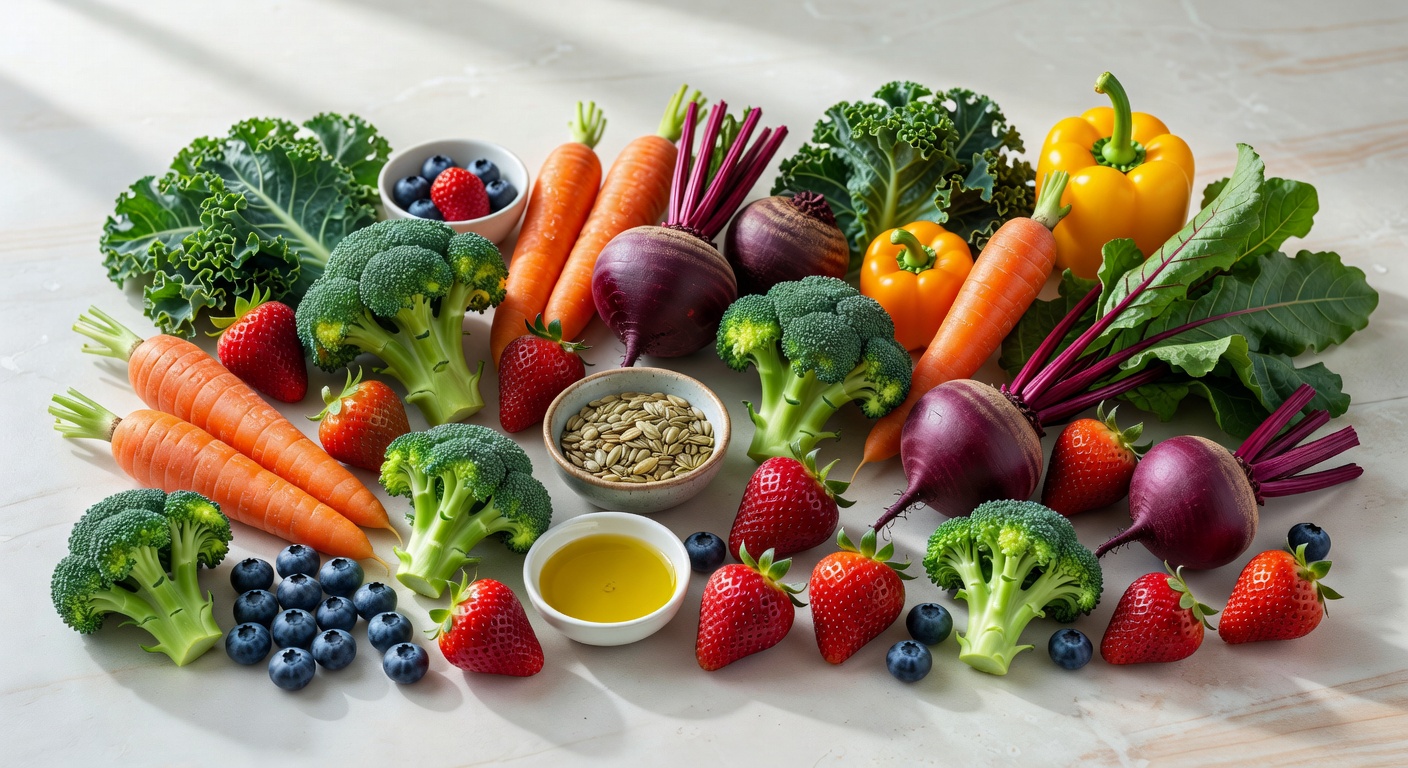
With chronic pancreatitis affecting over 300,000 Americans and contributing to an estimated 70,000 hospitalizations annually, the search for advanced, personalized management strategies is more urgent than ever. The chronic inflammation and damage to the pancreas often lead to debilitating pain, malabsorption, and a significantly reduced quality of life, underscoring the critical role of precise nutritional management. As we approach 2026, the convergence of sophisticated artificial intelligence with nutritional science offers a beacon of hope, promising a paradigm shift from generalized dietary advice to hyper-personalized interventions. This article explores the scientific basis, current capabilities, and future potential of AI in revolutionizing pancreatitis nutrition, drawing on the latest research and technological advancements.
Table of Contents
- Understanding Pancreatitis and Its Nutritional Imperatives
- The AI Revolution in Personalized Nutrition for Pancreatitis
- AI-Driven Diagnostics and Predictive Modeling in Pancreatitis Care
- Tailoring Dietary Interventions with AI: A Deep Dive
- Mitigating Symptoms and Optimizing Outcomes with AI
- Ethical Frameworks, Challenges, and The Future Landscape of AI Nutrition
Understanding Pancreatitis and Its Nutritional Imperatives
Pancreatitis, an inflammatory condition of the pancreas, manifests primarily in two forms: acute and chronic. Acute pancreatitis is characterized by a sudden onset of severe abdominal pain, often triggered by gallstones or alcohol abuse, and can range from mild to life-threatening. Chronic pancreatitis, on the other hand, involves progressive and irreversible damage to the pancreas, leading to impaired exocrine function (digestion) and endocrine function (blood sugar regulation). Both forms present significant nutritional challenges, fundamentally altering how the body processes food and absorbs vital nutrients.
The pancreas plays a pivotal role in digestion by producing enzymes necessary to break down fats, proteins, and carbohydrates. In pancreatitis, this enzyme production is compromised, leading to maldigestion and malabsorption. Patients often experience steatorrhea (fatty stools), weight loss, nutrient deficiencies (especially fat-soluble vitamins A, D, E, K), and protein-energy malnutrition. Furthermore, the chronic inflammation and pain associated with the condition can suppress appetite, exacerbate nausea, and make eating a painful experience, creating a vicious cycle that further deteriorates nutritional status. Traditional nutritional management focuses on reducing pancreatic stimulation, providing easily digestible nutrients, and supplementing pancreatic enzymes.
Historically, dietary recommendations for pancreatitis have been largely generalized: low-fat diets, frequent small meals, and avoidance of alcohol. While these principles form a foundational approach, they often lack the specificity required to address the unique physiological and metabolic profiles of individual patients. Factors such as disease severity, pancreatic enzyme insufficiency, presence of comorbidities (e.g., diabetes), individual food intolerances, and even genetic predispositions can significantly impact dietary needs and responses. This variability highlights the critical need for highly individualized nutritional strategies, a gap that AI is uniquely positioned to fill.
The AI Revolution in Personalized Nutrition for Pancreatitis
The advent of artificial intelligence is rapidly transforming various sectors of healthcare, and nutrition is no exception. AI’s capacity to process vast datasets, identify complex patterns, and make predictive analyses offers an unprecedented opportunity to move beyond ‘one-size-fits-all’ dietary advice towards truly personalized nutritional interventions. For conditions as complex and individually variable as pancreatitis, this shift is not just beneficial but potentially transformative, offering hope for improved symptom management, better nutritional status, and enhanced quality of life.
AI in nutrition operates by integrating diverse data points: clinical records, laboratory results (e.g., fecal elastase, vitamin levels), genetic markers, microbiome analysis, real-time physiological data from wearables (e.g., activity levels, sleep patterns), and even patient-reported symptoms and food preferences. By analyzing these multi-modal datasets, AI algorithms can construct a comprehensive digital profile of an individual patient. This profile then serves as the basis for generating highly specific and dynamic dietary recommendations that adapt to the patient’s evolving condition, symptoms, and lifestyle. The goal is to optimize nutrient intake while minimizing pancreatic stress and mitigating adverse symptoms.
The promise of AI lies in its ability to uncover subtle correlations and predict dietary responses that would be impossible for human clinicians to discern manually. For instance, an AI system might identify that a particular combination of foods, when consumed under specific stress levels, consistently triggers a pancreatitis flare-up in a given patient, even if those foods are generally considered “safe.” Such insights enable proactive dietary adjustments, empowering patients and their healthcare providers to manage the condition with unprecedented precision. This level of personalization represents a significant leap forward from traditional dietary counseling, offering a dynamic and responsive approach to managing a chronic and challenging disease.
AI-Driven Diagnostics and Predictive Modeling in Pancreatitis Care
Beyond personalized dietary recommendations, AI is making significant inroads into the diagnostic and predictive aspects of pancreatitis management. Early and accurate diagnosis, alongside the ability to predict disease progression or flare-ups, is crucial for timely intervention and preventing irreversible pancreatic damage. AI’s analytical prowess is proving invaluable in these areas, offering tools that augment clinical decision-making and enhance patient outcomes.
AI algorithms can analyze complex medical imaging (CT, MRI, endoscopic ultrasound) with remarkable precision, identifying subtle signs of inflammation, fibrosis, or ductal changes that might be missed by the human eye, particularly in the early stages of chronic pancreatitis. Furthermore, AI can integrate these imaging findings with laboratory data, genetic markers, and patient history to provide a more comprehensive diagnostic picture. For instance, a 2023 study published in Gastroenterology AI demonstrated that machine learning models could predict the transition from acute recurrent pancreatitis to chronic pancreatitis with over 85% accuracy by analyzing a combination of clinical, genetic, and environmental factors, significantly improving upon traditional risk assessment tools.
Predictive analytics is another area where AI shines. By continuously monitoring patient data - including dietary intake, physical activity, blood glucose levels, and symptom logs - AI systems can identify patterns that precede a pancreatitis exacerbation. This proactive capability allows for timely adjustments in diet, medication, or lifestyle, potentially averting severe flare-ups and hospitalizations. For example, an AI system might detect a subtle increase in certain inflammatory markers or a deviation in typical dietary patterns that, based on historical data, correlates with an increased risk of an acute attack. Such early warnings empower patients and clinicians to take preventive measures, shifting the management paradigm from reactive to proactive care.
- Enhanced Diagnostic Accuracy: AI can detect subtle pathological changes in imaging and lab data.
- Early Prediction of Flare-ups: Algorithms identify precursor patterns in multi-modal patient data.
- Personalized Risk Assessment: Integration of genetic, environmental, and lifestyle factors for individual risk profiles.
- Optimized Intervention Timing: Proactive adjustments to diet and treatment based on predictive insights.
Tailoring Dietary Interventions with AI: A Deep Dive
The core of AI nutrition for pancreatitis lies in its ability to craft highly individualized dietary plans. This goes far beyond simple food lists, delving into the intricate balance of macronutrients, micronutrients, and specific food compounds tailored to an individual’s unique physiological response and disease state. AI algorithms consider a multitude of factors to construct these dynamic dietary blueprints, ensuring that recommendations are not only effective but also practical and sustainable for the patient.
One of the primary challenges in pancreatitis nutrition is managing fat intake. While a low-fat diet is generally recommended, the optimal fat quantity and type can vary significantly. AI can analyze a patient’s fat tolerance (often assessed via fecal elastase or symptom tracking), overall caloric needs, and the specific fatty acid profiles of foods to recommend precise fat allowances. For example, it might prioritize medium-chain triglycerides (MCTs) for easier absorption while limiting long-chain saturated fats. Similarly, AI can fine-tune protein intake to support tissue repair without overstimulating the pancreas, and carbohydrate sources to manage blood glucose, especially for patients who develop secondary diabetes. This level of granularity ensures that nutritional support is optimized for digestion and absorption, minimizing pancreatic strain.
Beyond macronutrients, AI can address micronutrient deficiencies, which are common in pancreatitis due to malabsorption. Fat-soluble vitamins (A, D, E, K), B vitamins, and essential minerals (e.g., calcium, magnesium, zinc) often require supplementation. An AI system can monitor lab results, dietary intake, and even geographic location (for vitamin D synthesis) to recommend specific supplements and dosages, or suggest foods rich in these nutrients in highly bioavailable forms. A 2024 review in the Journal of Clinical Nutrition Informatics highlighted that AI-driven dietary interventions led to a 30% reduction in reported micronutrient deficiencies in chronic pancreatitis patients compared to standard care, underscoring the technology’s precision in addressing complex nutritional gaps. Furthermore, AI can identify potential food triggers based on patient-reported symptoms, helping to build a personalized “safe food” list and guiding gradual reintroduction of foods to expand dietary variety without provoking symptoms.
- Precision Macronutrient Balancing: Individualized fat, protein, and carbohydrate recommendations based on tolerance and needs.
- Targeted Micronutrient Supplementation: AI-guided recommendations for vitamins and minerals, addressing malabsorption.
- Identification of Individual Food Triggers: Learning from patient data to avoid exacerbating symptoms.
- Dynamic Dietary Adjustments: Real-time modifications to meal plans based on evolving symptoms and lab results.
Mitigating Symptoms and Optimizing Outcomes with AI
The pervasive symptoms of pancreatitis, including chronic pain, nausea, bloating, and digestive discomfort, profoundly impact a patient’s quality of life. AI-powered nutrition extends its utility beyond just preventing flare-ups; it actively contributes to symptom mitigation and overall outcome optimization by offering targeted dietary and lifestyle advice designed to soothe the digestive system and reduce inflammation.
AI algorithms can correlate specific dietary patterns or food combinations with symptom severity and frequency. For instance, by analyzing a patient’s food diary alongside their pain scores and bowel movements, AI might identify that certain fiber types or meal timings consistently lead to less discomfort. It can then suggest optimal meal frequencies, portion sizes, and food preparation methods (e.g., steamed vs. fried) that are easier on the digestive system. Furthermore, AI can recommend anti-inflammatory foods and compounds known to benefit gastrointestinal health, such as specific probiotics or prebiotics, tailoring these recommendations to the individual’s gut microbiome profile if that data is available. This personalized approach to symptom management can significantly reduce reliance on medication and improve daily comfort.
Beyond direct dietary interventions, AI platforms can integrate with other aspects of patient management to create a holistic care plan. This includes recommendations for hydration, physical activity levels (adjusted for energy levels and pain), and stress management techniques, all of which indirectly influence pancreatic health and symptom burden. By continuously monitoring patient feedback and physiological data, AI systems can learn and adapt, progressively refining their recommendations to achieve the best possible outcomes. The overarching goal is to empower patients with actionable insights that not only manage their condition but also enhance their overall well-being, fostering greater adherence to treatment plans and promoting a more proactive approach to health.
Ethical Frameworks, Challenges, and The Future Landscape of AI Nutrition
While the potential of AI in pancreatitis nutrition is immense, its widespread adoption is not without challenges and necessitates careful consideration of ethical implications. As with any powerful technology handling sensitive health data, robust frameworks must be established to ensure patient safety, data privacy, and equitable access. Addressing these concerns proactively will be crucial for building trust and realizing AI’s full potential.
Data privacy and security are paramount. AI systems require access to a vast array of personal health information, from medical records to real-time physiological data. Ensuring this data is anonymized, encrypted, and protected from breaches is a foundational requirement. Furthermore, algorithmic bias is a significant concern; if the training data for AI models is not diverse and representative, the recommendations might not be equally effective or safe for all patient populations, potentially exacerbating health disparities. Developing AI models that are transparent, explainable, and regularly audited for bias will be essential to ensure fairness and reliability.
The role of human dietitians and healthcare professionals will also evolve, not diminish. AI is a tool designed to augment, not replace, human expertise. Dietitians will leverage AI insights to provide more nuanced and efficient care, focusing on patient education, motivational counseling, and addressing the psychological and social aspects of eating that AI cannot fully replicate. The future likely involves a collaborative model where AI generates highly personalized baselines and dynamic adjustments, while human experts provide the empathetic, contextual understanding and clinical oversight. Continued research, regulatory oversight, and interdisciplinary collaboration will pave the way for a future where AI nutrition for pancreatitis is both effective and ethically sound, offering a new frontier in chronic disease management.
- Data Privacy and Security: Ensuring robust protection for sensitive patient health information.
- Algorithmic Bias: Addressing and mitigating biases in AI models to ensure equitable recommendations for all patient groups.
- Human-AI Collaboration: Redefining the role of dietitians as facilitators and interpreters of AI-generated insights.
- Regulatory Oversight: Establishing clear guidelines for the development and deployment of AI in clinical nutrition.
- Accessibility: Ensuring that advanced AI nutrition tools are accessible to all patients, regardless of socioeconomic status.
Key Takeaways
- AI offers unprecedented personalization in pancreatitis nutrition, moving beyond generalized dietary advice.
- AI systems integrate diverse data (clinical, genetic, lifestyle) to create dynamic, individualized dietary plans.
- AI-driven diagnostics can predict pancreatitis flare-ups and aid in early detection with high accuracy.
- Personalized AI interventions can precisely balance macronutrients, address micronutrient deficiencies, and identify individual food triggers.
- AI contributes to symptom mitigation by recommending specific foods, meal timings, and lifestyle adjustments tailored to patient responses.
- Ethical considerations regarding data privacy, algorithmic bias, and the collaborative role of human experts are crucial for AI’s successful integration.
For AI-personalized nutrition plans tailored to your unique health needs, visit ainutry.online.
Frequently Asked Questions
What are the safety considerations for using AI nutrition in pancreatitis management?
As of 2026, AI nutrition aims to enhance safety by providing highly personalized dietary recommendations tailored to individual patient needs and disease severity. However, ongoing research is critical to fully assess long-term safety, potential biases in AI algorithms, and the necessity of human oversight in its application.
Who is a suitable candidate for AI-driven nutrition therapy for pancreatitis?
AI nutrition is being developed for pancreatitis patients who could benefit from highly personalized dietary interventions, particularly those with chronic or recurrent forms of the disease. It’s intended for individuals whose medical team believes a data-driven approach could optimize their nutritional status and reduce disease burden.
How does AI nutrition improve outcomes for pancreatitis patients?
AI systems analyze vast amounts of patient data, including genetics, microbiome, and real-time health markers, to create dynamic, personalized dietary plans. This precision aims to optimize nutrient absorption, minimize pancreatic stress, and reduce inflammation, potentially leading to fewer flare-ups and improved quality of life.
When can pancreatitis patients expect AI nutrition to be a standard treatment option?
While research in 2026 shows significant promise, AI nutrition for pancreatitis is still largely in developmental and clinical trial phases. Widespread adoption as a standard treatment will depend on further robust evidence, regulatory approvals, and integration into existing healthcare infrastructures.
Leave a Reply