
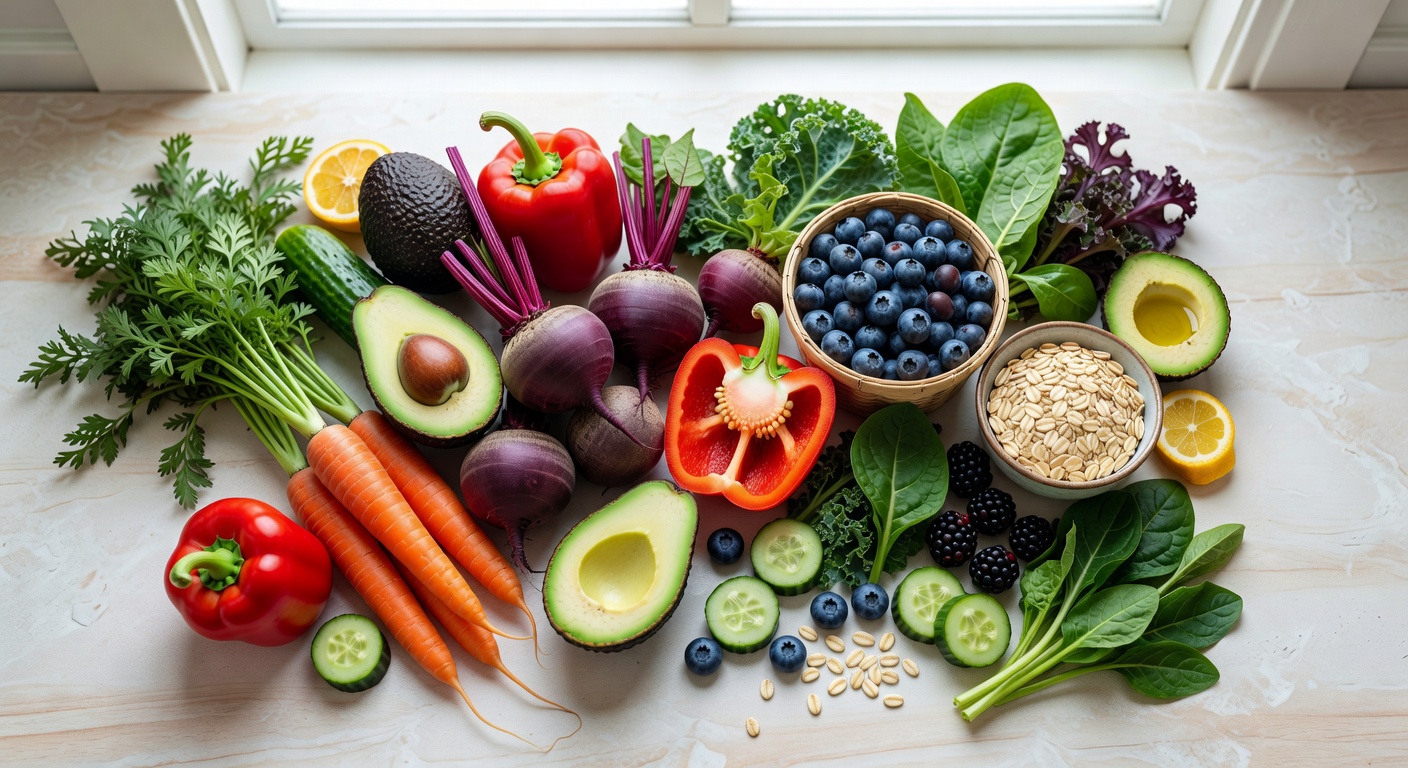
Diverticulitis, a painful inflammatory condition of the digestive tract, represents a significant health challenge, often leading to severe discomfort, complications, and even hospitalization. In fact, diverticulitis is a leading cause of hospitalizations for gastrointestinal disease, with an estimated 210,000 admissions in the United States in 2018 alone. For those living with this condition, managing flare-ups and maintaining long-term gut health often hinges on one critical factor: diet. Yet, navigating the complex dietary landscape of diverticulitis – transitioning between low-fiber, clear liquid diets during acute attacks and high-fiber strategies for remission – is a formidable task, made even more challenging by individual variations in food triggers and tolerance. This is where the transformative power of Artificial Intelligence (AI) emerges, offering a beacon of hope for personalized, proactive, and precise dietary management.
Table of Contents
- Understanding Diverticular Disease and the Dietary Challenge
- The Role of AI in Precision Nutritional Assessment
- Predictive Analytics: Anticipating Flare-ups and Optimizing Diet
- AI-Powered Meal Planning and Recipe Generation for Diverticulitis
- Monitoring, Feedback, and Continuous Dietary Optimization
- The Future of Diverticulitis Management: A Synergistic Approach
Understanding Diverticular Disease and the Dietary Challenge
Diverticular disease encompasses two primary conditions: diverticulosis and diverticulitis. Diverticulosis is characterized by the presence of small, bulging pouches (diverticula) that can form in the lining of the digestive system, most commonly in the colon. This condition is often asymptomatic, and its prevalence increases significantly with age; a 2016 review estimated that diverticulosis affects approximately 35% of adults over 50 in Western countries, a precursor for diverticulitis in a significant subset. When these pouches become inflamed or infected, the condition progresses to diverticulitis, leading to symptoms such as severe abdominal pain, nausea, fever, and significant changes in bowel habits. The transition from diverticulosis to diverticulitis is often triggered or exacerbated by dietary factors, making nutritional management paramount.
The dietary recommendations for diverticular disease are notoriously complex and often contradictory, depending on whether an individual is experiencing an acute flare-up or is in a state of remission. During an acute attack of diverticulitis, healthcare professionals typically advise a temporary shift to a clear liquid diet, gradually progressing to low-fiber foods, to allow the inflamed colon to rest and heal. The goal is to minimize stool bulk and irritation. However, once the acute phase subsides and symptoms resolve, the long-term strategy shifts dramatically towards a high-fiber diet. This approach aims to prevent future flare-ups by promoting regular bowel movements, reducing pressure within the colon, and maintaining a healthy gut microbiome.
This stark contrast in dietary advice presents a significant challenge for patients. The journey from a highly restricted, low-fiber diet to a consistently high-fiber regimen requires meticulous planning, an understanding of food composition, and often, a trial-and-error approach to identify individual triggers. What might be beneficial for one person in remission could inadvertently trigger symptoms in another. Factors such as specific food sensitivities, the balance of gut bacteria, lifestyle choices, and co-existing health conditions all play a role in how an individual responds to different dietary interventions. Traditional dietary guidance, while valuable, often struggles to provide the level of personalized detail required to effectively navigate these complexities, leaving many patients feeling overwhelmed and uncertain about their food choices.
The Role of AI in Precision Nutritional Assessment
The advent of Artificial Intelligence offers a groundbreaking solution to the individualized dietary challenges posed by diverticulitis. AI-powered platforms can process and analyze vast quantities of data far beyond human capacity, allowing for an unprecedented level of personalized nutritional assessment. This process begins with comprehensive data collection, integrating information from various sources such as detailed dietary intake logs, symptom trackers, medical history, laboratory results (including gut microbiome analysis), and even genomic data.
Once collected, AI algorithms employ sophisticated machine learning techniques to identify intricate patterns and correlations that might be imperceptible to the human eye. For instance, an AI system can cross-reference specific food items or nutrient combinations with reported symptoms, severity of flare-ups, and the patient’s unique physiological responses. This enables the platform to move beyond generic “eat more fiber” advice, pinpointing precisely which types of fiber, in what quantities, and at what times, are most beneficial or detrimental for a given individual. The system can also account for nuances like cooking methods, food preparation, and the synergistic effects of different ingredients.
Beyond Generic Guidelines: Tailoring Recommendations
Traditional dietary guidelines, while evidence-based, are designed for the average population and may not fully account for the unique metabolic profiles and gut microbiomes of individuals. AI, however, excels at creating highly personalized nutritional blueprints. By analyzing an individual’s gut microbiome composition – identifying the presence and abundance of specific bacterial strains – AI can infer potential sensitivities or beneficial responses to certain food groups. For example, if an AI detects an imbalance in certain fiber-fermenting bacteria, it might recommend specific prebiotics or fermentable fibers known to support the growth of beneficial strains, thereby enhancing gut health and potentially reducing diverticulitis risk.
Furthermore, AI can integrate data from other chronic conditions a patient might have, such as diabetes, irritable bowel syndrome (IBS), or food allergies, to ensure that diverticulitis dietary recommendations are holistic and do not inadvertently exacerbate other health issues. This multi-faceted approach transforms dietary management from a generalized set of rules into a dynamic, precision-guided strategy that is truly tailored to the individual’s unique biological and lifestyle context.
Predictive Analytics: Anticipating Flare-ups and Optimizing Diet
One of the most powerful applications of AI in diverticulitis management is its ability to leverage predictive analytics. By continuously analyzing a patient’s dietary patterns, symptom progression, lifestyle factors (such as stress levels and physical activity), and even environmental data, AI models can learn to identify subtle precursors to a diverticulitis flare-up. Machine learning algorithms, trained on vast datasets of patient experiences, can detect recurring patterns that precede an acute attack, enabling proactive dietary adjustments before symptoms escalate.
Imagine a scenario where an AI system, after weeks or months of data collection, notices that certain food combinations, consumed on specific days, consistently lead to increased abdominal discomfort or changes in bowel habits a few days later. The AI can then issue an alert, suggesting a temporary modification to the diet – perhaps reducing specific types of fermentable carbohydrates or increasing fluid intake – to potentially avert a full-blown flare-up. This shift from reactive treatment to proactive prevention is a game-changer, significantly improving quality of life and potentially reducing the need for emergency medical interventions. Such predictive capabilities are crucial given the high recurrence rate of diverticulitis; studies indicate that up to one-third of individuals who experience a first episode will have a recurrence within five years.
The integration of gut microbiome analysis further enhances AI’s predictive power. The gut microbiome plays a critical role in gut health and inflammation, and dysbiosis (an imbalance of gut bacteria) has been implicated in the pathogenesis of diverticulitis. AI can analyze complex microbiome sequencing data, correlating specific microbial profiles with dietary intake and symptom outcomes. For instance, if a decrease in certain anti-inflammatory bacterial species is observed alongside a particular dietary intake, the AI can flag this as a potential risk factor and recommend targeted dietary interventions, such as specific prebiotics or probiotics, to restore microbial balance. This deep-level analysis allows for dietary recommendations that not only manage symptoms but actively promote a healthier gut ecosystem.
Key data inputs for AI-driven prediction:
- Detailed food intake logs (types, quantities, preparation methods)
- Symptom tracking (pain, bloating, bowel movements, nausea)
- Lifestyle factors (stress levels, sleep patterns, physical activity)
- Medical history and co-existing conditions
- Gut microbiome composition (via stool sample analysis)
- Biometric data (e.g., from wearables, if relevant)
AI-Powered Meal Planning and Recipe Generation for Diverticulitis
One of the most immediate and tangible benefits of AI for diverticulitis patients is its ability to revolutionize meal planning and recipe generation. Traditional meal planning for chronic conditions can be time-consuming, restrictive, and often lacks inspiration, leading to dietary fatigue and non-adherence. AI platforms overcome these hurdles by generating highly personalized, practical, and enjoyable meal plans that meticulously adhere to an individual’s specific dietary needs and restrictions, all while considering their personal preferences.
AI can take into account an individual’s current stage of diverticular disease (acute flare vs. remission), identified food triggers, fiber tolerance levels, and any co-existing dietary requirements such as allergies (e.g., gluten, dairy), intolerances (e.g., FODMAPs), or other health conditions (e.g., diabetes, cardiovascular disease). The system can then curate a diverse range of recipes and meal suggestions that are not only safe and therapeutic but also appealing. This capability significantly reduces the mental burden on patients, who no longer have to painstakingly research ingredients, calculate nutrient values, or worry about potential trigger foods.
From Restriction to Culinary Creativity
Beyond simply providing compliant recipes, AI can foster culinary creativity and enjoyment. It can suggest modifications to existing favorite recipes to make them diverticulitis-friendly, introduce new ingredients that align with dietary goals, and even generate shopping lists to streamline grocery trips. For example, if a patient is in remission and needs to increase fiber, the AI might suggest recipes rich in soluble fiber from oats, apples, or psyllium, while avoiding insoluble fibers that might be too harsh for their current tolerance. During a flare-up, it would pivot to easily digestible, low-residue options.
This dynamic adaptation is crucial. The AI doesn’t just offer static lists; it learns and evolves with the patient. If a particular recipe causes mild discomfort, the patient can log this feedback, and the AI will adjust future recommendations, refining its understanding of the individual’s unique physiology. This iterative process ensures that meal plans become progressively more effective and enjoyable, transforming the often-dreaded task of dietary management into an empowering and palatable experience.
Monitoring, Feedback, and Continuous Dietary Optimization
Effective management of diverticulitis, particularly through diet, is not a static process; it requires continuous monitoring, feedback, and optimization. AI platforms are uniquely positioned to facilitate this dynamic approach, serving as an intelligent, ever-learning dietary coach. Patients can regularly log their food intake, symptoms, bowel habits, and overall well-being within the AI application. This real-time data collection is crucial for understanding the immediate and delayed effects of dietary choices.
AI algorithms continuously process this incoming data, comparing it against the patient’s baseline, historical trends, and established diverticulitis guidelines. If the system detects a deviation from optimal parameters – for instance, an increase in reported pain after consuming a specific food, or a prolonged period of constipation despite a high-fiber diet – it can immediately provide actionable feedback. This feedback might include suggesting minor adjustments to portion sizes, recommending alternative food choices, or prompting the patient to contact their healthcare provider if symptoms warrant medical attention.
The adaptive learning capability of AI is perhaps its most significant advantage in long-term diverticulitis management. As the patient continues to interact with the platform and provide feedback, the AI refines its understanding of their unique physiology and responses. What might have been a recommended food initially could be de-prioritized if consistent negative feedback is received. Conversely, foods that were initially approached with caution might be gradually introduced and integrated into the diet if they prove to be well-tolerated. This continuous loop of data collection, analysis, feedback, and adaptation ensures that the dietary recommendations remain precisely aligned with the patient’s evolving health status and needs.
Benefits of continuous AI-powered monitoring:
- Real-time tracking of symptoms and dietary intake.
- Immediate, personalized feedback on food choices.
- Dynamic adjustment of meal plans based on patient responses.
- Identification of subtle triggers over time.
- Empowerment through informed decision-making.
- Improved adherence to dietary recommendations.
The Future of Diverticulitis Management: A Synergistic Approach
The integration of AI into diverticulitis management through diet represents a significant leap forward, transforming a historically challenging and often frustrating aspect of living with the condition. By offering unparalleled personalization, predictive capabilities, and continuous optimization, AI empowers patients to take a proactive and informed role in their health journey. It shifts the paradigm from reactive symptom management to preventative dietary strategies, significantly improving the quality of life for individuals prone to diverticulitis flare-ups.
However, it is crucial to recognize that AI is a powerful tool designed to augment, not replace, the expertise of medical professionals. The most effective approach to diverticulitis management will always involve a synergistic relationship between AI technology and human healthcare providers. AI platforms can provide detailed data, personalized recommendations, and predictive insights, which can then be reviewed, validated, and contextualized by gastroenterologists, dietitians, and general practitioners. This collaboration ensures that patients receive comprehensive care that combines cutting-edge technology with compassionate medical oversight.
Looking ahead, the potential for AI in diverticulitis management is poised to expand even further. Future advancements may include deeper integration with wearable devices for passive health monitoring, sophisticated analysis of genomic data to understand individual predispositions, and real-time feedback loops that connect dietary choices directly to physiological markers of inflammation. As AI technologies continue to evolve, they promise to unlock even more precise and personalized strategies, making the dietary management of diverticulitis not just manageable, but truly optimized for each unique individual.
Key Takeaways
- AI provides highly personalized dietary recommendations for diverticulitis, moving beyond generic advice.
- It integrates diverse data points, including diet, symptoms, medical history, and gut microbiome analysis, for precision assessment.
- AI uses predictive analytics to identify potential flare-up triggers and suggest proactive dietary adjustments.
- AI-powered meal planning and recipe generation simplify adherence to complex dietary needs, catering to both acute phases and remission.
- Continuous monitoring and feedback loops allow AI to dynamically optimize dietary strategies based on real-world patient responses.
- This technology empowers patients with actionable insights, reducing the burden of dietary management and improving quality of life.
For AI-personalized nutrition plans tailored to your unique health needs, visit ainutry.online.
Frequently Asked Questions
Who should consider using AI for managing their diverticulitis diet?
Individuals diagnosed with diverticulitis who are seeking personalized and data-driven dietary guidance can benefit from AI. It’s particularly helpful for those struggling to identify trigger foods or maintain a consistent diet plan tailored to their specific flare-up and remission stages.
How does AI personalize dietary recommendations for diverticulitis patients?
AI systems analyze a patient’s individual health data, including medical history, symptoms, food preferences, and real-time responses to different foods. This allows AI to generate highly customized diet plans that adapt to the patient’s current condition, whether during a flare-up or in remission.
Is it safe to solely rely on AI for diverticulitis diet management without consulting a doctor or dietitian?
No, AI should be viewed as a supportive tool, not a replacement for professional medical and nutritional advice. While AI can offer valuable insights and personalized plans, it’s crucial to consult with a healthcare provider or registered dietitian to ensure the dietary recommendations are safe, appropriate, and integrated into a comprehensive treatment plan for diverticulitis.
What are the key advantages of using AI for diverticulitis diet management?
The primary advantages include highly personalized dietary plans that adapt to individual needs and disease stages, which can lead to better adherence and symptom management. AI can also help identify potential trigger foods more efficiently and provide consistent, data-backed recommendations, offering a proactive approach to preventing flare-ups.
Leave a Reply