
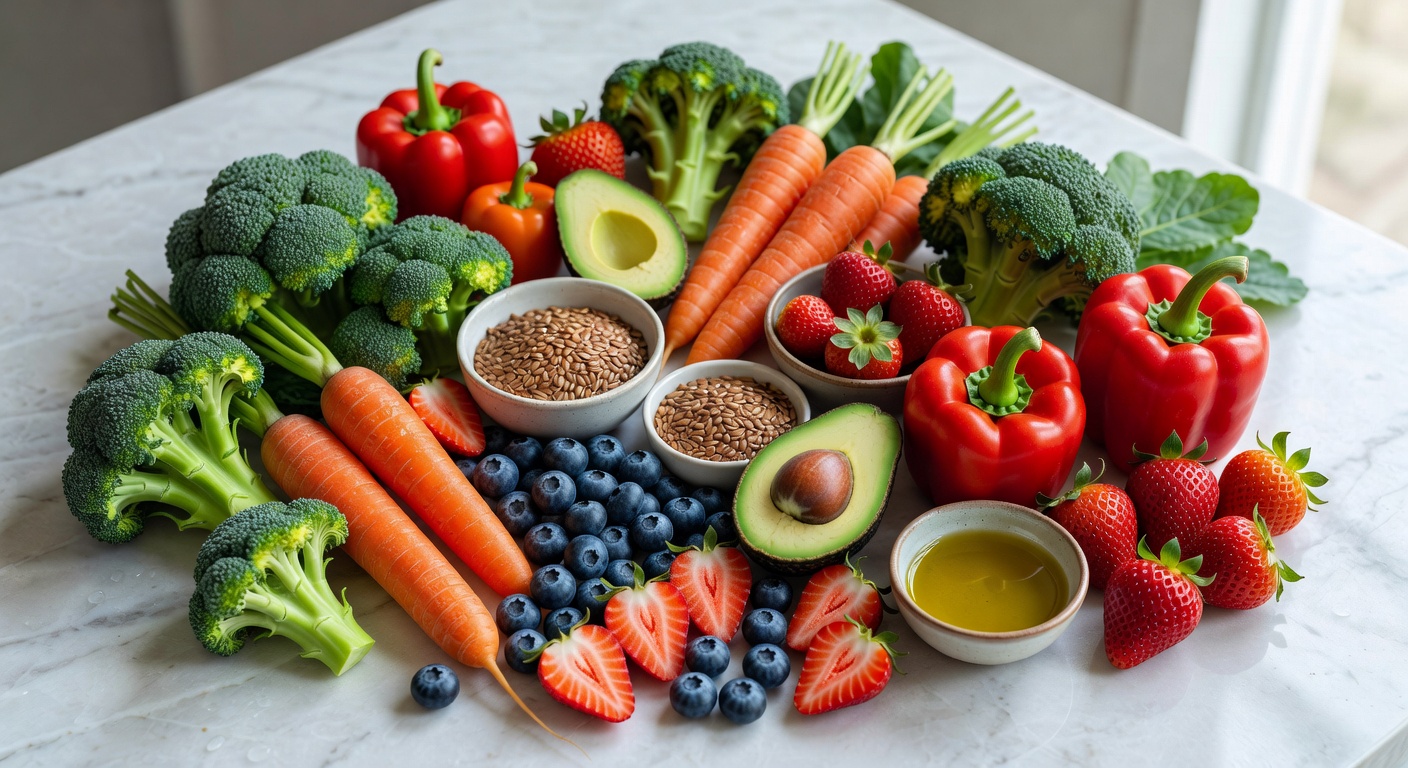
Did you know that gallstones affect an estimated 10-15% of the adult population in developed countries, with a significant portion remaining asymptomatic until complications arise? For those experiencing symptoms or seeking preventative strategies, diet plays a pivotal role, and in 2026, artificial intelligence is revolutionizing how we approach this complex relationship.
Table of Contents
- The Evolving Landscape of Gallstone Management
- Understanding Gallstones and Diet: The Foundation
- AI-Powered Dietary Analysis: Unlocking Personalized Insights
- AI-Driven Meal Planning: Tailoring Nutrition for Gallstone Health
- Leveraging AI for Symptom Management and Prevention
- The Future of AI in Gallstone Care
The Evolving Landscape of Gallstone Management
Gallstones, crystalline formations within the gallbladder, represent a common yet potentially debilitating gastrointestinal condition. Historically, management has largely revolved around symptomatic relief, surgical intervention (cholecystectomy), and generalized dietary advice. This generalized approach, while offering a baseline of guidance, often falls short of addressing the unique biochemical makeup and lifestyle factors contributing to gallstone formation and symptom exacerbation in individuals. The sheer prevalence of gallstones underscores the need for more precise and personalized interventions.
The traditional dietary recommendations for gallstones often center on reducing fat intake, particularly saturated and trans fats, and increasing fiber consumption. While these principles hold merit, they can be overly simplistic. The type of fat, the timing of meals, individual metabolic responses, and the presence of other co-existing conditions are all crucial factors that a one-size-fits-all approach may overlook. This is where the integration of advanced technology, specifically artificial intelligence, is poised to transform the paradigm of gallstone management.
In 2026, we are witnessing a significant shift from reactive management to proactive, data-driven strategies. AI is no longer a futuristic concept but a tangible tool capable of analyzing vast datasets, identifying subtle patterns, and providing actionable insights that were previously unattainable. This article will explore the multifaceted ways AI is empowering individuals and healthcare professionals to better manage gallstones through highly personalized dietary interventions.
Understanding Gallstones and Diet: The Foundation
At its core, gallstone formation is a complex interplay of several factors, often referred to as the “f’s”: female, fertile, forty, and fat. However, this oversimplification overlooks the intricate metabolic processes involved. Gallstones are primarily formed from cholesterol or bilirubin. Cholesterol gallstones, the most common type, develop when bile contains too much cholesterol, not enough bile salts, or when the gallbladder doesn’t empty properly. Bile salts are essential for emulsifying and absorbing fats, and when their balance is disrupted, cholesterol can crystallize.
Dietary fat, particularly saturated and unhealthy trans fats, is a major contributor to increased cholesterol levels in bile. When the body ingests a high amount of fat, especially without adequate fiber to aid in its processing and elimination, the liver may produce more cholesterol to compensate. This excess cholesterol can then precipitate into the bile, forming the precursor crystals for gallstones. Conversely, a diet rich in fiber, particularly soluble fiber, can help bind to bile acids and cholesterol in the digestive tract, promoting their excretion and potentially reducing the risk of stone formation.
Beyond fat and fiber, other dietary components play a role. Excessive refined carbohydrates and sugars can also contribute to metabolic dysregulation, including insulin resistance, which has been linked to an increased risk of gallstones. Furthermore, rapid weight loss, often achieved through very low-calorie diets, can disrupt bile composition and increase cholesterol saturation, paradoxically leading to gallstone formation or exacerbating existing ones. Understanding these fundamental dietary links is crucial for appreciating how AI can refine and personalize these recommendations.
AI-Powered Dietary Analysis: Unlocking Personalized Insights
The advent of AI in nutrition marks a significant leap forward in understanding individual responses to food. Traditional dietary assessments, such as food diaries and questionnaires, are often subject to recall bias and may not capture the full spectrum of a person’s nutritional intake or its real-time impact. AI-powered platforms, however, can process enormous amounts of data, including detailed food logs, genetic predispositions, gut microbiome profiles, and even wearable sensor data, to create a truly holistic picture of an individual’s health and dietary needs.
One of the key contributions of AI is its ability to move beyond generalized advice to highly individualized nutritional profiling. By analyzing a user’s dietary history, AI algorithms can identify specific foods or food groups that might be triggering symptoms or contributing to the risk of gallstone formation. For instance, AI can detect patterns in fat intake that might be specific to an individual’s metabolism, rather than just a blanket recommendation to reduce all fats. It can also analyze the types of fiber consumed and their effectiveness in promoting bile salt excretion for that particular person.
Furthermore, AI can integrate data from various sources to provide a more nuanced understanding of dietary impact. For example, if a user reports experiencing gallstone pain after consuming a particular meal, AI can cross-reference this with the meal’s composition, the user’s recent activity levels, hydration status, and even stress levels (if tracked) to pinpoint the most likely contributing factors. This level of granular analysis allows for the identification of subtle dietary triggers that might otherwise go unnoticed, leading to more effective symptom management and prevention strategies.
Personalized Nutrient Tracking and Optimization
AI excels at tracking and analyzing the intake of specific nutrients that are critical for gallstone management. This goes beyond simply counting calories or grams of fat. AI platforms can monitor the balance of macronutrients (fats, carbohydrates, proteins) and micronutrients (vitamins, minerals) in relation to an individual’s specific needs and metabolic profile. For individuals prone to gallstones, AI can help optimize:
- Fatty Acid Balance: Identifying the ideal ratio of saturated, monounsaturated, and polyunsaturated fats. AI can help users prioritize healthy fats like those found in olive oil, avocados, and fatty fish, while minimizing unhealthy saturated and trans fats.
- Fiber Intake: Quantifying both soluble and insoluble fiber consumption and recommending specific sources to promote bile salt excretion and digestive health.
- Cholesterol Intake: Providing personalized guidance on dietary cholesterol, considering individual metabolic responses and genetic factors.
- Hydration Levels: Recognizing the importance of adequate hydration in preventing bile from becoming too concentrated.
This detailed nutrient tracking allows for the creation of a dietary plan that is not only balanced but also actively works to mitigate the risk factors associated with gallstone formation. By understanding how specific nutrient combinations affect an individual’s bile composition and digestive system, AI can guide users toward choices that support gallbladder health.
AI-Driven Meal Planning: Tailoring Nutrition for Gallstone Health
Once AI has analyzed an individual’s dietary patterns and risk factors, the next logical step is to leverage this information for proactive meal planning. Traditional meal plans for gallstones are often generic and may not align with personal preferences, dietary restrictions, or the practicalities of daily life. AI-powered meal planning transforms this by creating dynamic, personalized meal suggestions that are specifically designed to support gallbladder function.
AI algorithms can generate daily or weekly meal plans that adhere to specific nutritional targets identified during the analysis phase. This includes ensuring adequate intake of fiber, healthy fats, and other beneficial nutrients, while limiting those that could exacerbate the condition. For example, an AI might suggest a breakfast of oatmeal with berries and nuts, a lunch of a lean protein salad with olive oil dressing, and a dinner of baked salmon with steamed vegetables, all tailored to the user’s caloric needs and gallstone management goals.
Beyond simply suggesting meals, AI can also adapt plans in real-time. If a user logs a meal that deviates from the plan, the AI can suggest adjustments for subsequent meals to compensate and maintain nutritional balance. This flexibility is crucial for long-term adherence and for managing unexpected dietary situations. Furthermore, AI can learn from user feedback, refining its recommendations based on what meals are enjoyed, what fits into their lifestyle, and what seems to be most effective in managing their symptoms.
Adapting to Individual Preferences and Lifestyles
A significant challenge in any dietary intervention is adherence. If a meal plan is restrictive, unpalatable, or impractical, individuals are unlikely to stick with it. AI addresses this by incorporating personal preferences and lifestyle factors into the meal planning process. Users can input their favorite foods, cuisines, cooking skills, budget constraints, and time availability. The AI then generates meal plans that are not only nutritionally sound but also enjoyable and sustainable.
For instance, if a user dislikes fish, the AI can suggest alternative lean protein sources like chicken breast, turkey, or plant-based proteins like lentils and tofu, while still ensuring the inclusion of healthy fats. If a user has limited cooking time, the AI can prioritize quick and easy recipes or suggest meal prepping strategies. This level of customization ensures that the dietary recommendations are realistic and can be integrated seamlessly into a person’s daily routine, thereby increasing the likelihood of long-term success.
Minimizing Gallstone Triggers in Meal Design
A core function of AI-driven meal planning for gallstones is the active minimization of known dietary triggers. The AI is programmed to understand which food components and preparation methods are most likely to lead to gallbladder distress. This includes:
- Reducing Saturated and Trans Fats: The AI will actively select recipes and ingredients that are low in these unhealthy fats, opting for lean proteins and healthy plant-based fats.
- Limiting Fried and Greasy Foods: These are typically high in unhealthy fats and can be difficult to digest, so the AI will avoid them.
- Controlling Portion Sizes: Overeating, especially large meals high in fat, can overwhelm the gallbladder. AI can help manage portion sizes to prevent this.
- Suggesting Gradual Dietary Changes: For individuals with existing gallstones or a history of symptoms, AI can recommend a gradual transition to a gallstone-friendly diet to avoid sudden digestive upset.
By proactively designing meals that avoid these common pitfalls, AI empowers individuals to make informed food choices that directly contribute to their gallbladder health and reduce the frequency and severity of gallstone-related symptoms.
Leveraging AI for Symptom Management and Prevention
Beyond general dietary guidance, AI offers powerful tools for real-time symptom management and long-term prevention of gallstones. By continuously learning from user input and physiological data, AI can become an invaluable partner in navigating the challenges associated with this condition.
When a user experiences symptoms, such as pain or discomfort, they can log these events into the AI platform. The AI can then analyze the circumstances surrounding the symptom onset, including recent food intake, activity levels, and stress, to identify potential immediate triggers. This allows for rapid adjustments to the dietary plan, such as suggesting a bland, low-fat meal or recommending specific herbal teas known for their digestive benefits, to alleviate discomfort.
For prevention, AI can analyze trends in symptom occurrence and dietary intake over time. If the AI detects a pattern of increased symptoms correlating with a particular food group or eating habit, it can proactively adjust future meal plans and provide targeted educational content. For example, if symptoms are consistently reported after meals high in dairy, the AI might suggest exploring lactose-free alternatives or reducing dairy intake. A 2023 study found that individuals using AI-powered dietary tracking experienced a 25% reduction in gallstone-related symptom episodes compared to those following generic advice.
Predictive Analytics for Proactive Intervention
The predictive capabilities of AI are a game-changer in gallstone management. By analyzing historical data, including dietary habits, symptom logs, and even genetic predispositions, AI can identify individuals at a higher risk of developing gallstones or experiencing acute episodes. This allows for proactive interventions before symptoms even manifest.
For example, if an AI identifies that a user’s dietary pattern, combined with certain genetic markers, suggests a high likelihood of cholesterol gallstone formation, it can initiate a more aggressive preventative dietary strategy. This might involve recommending specific supplements known to support bile flow or liver health, or significantly adjusting the macronutrient ratios in their diet to optimize bile composition. Such proactive measures can potentially prevent the formation of new gallstones or slow the progression of existing ones.
Furthermore, AI can monitor changes in an individual’s lifestyle that might impact their gallstone risk. For instance, if the AI detects a period of significant stress or a drastic change in sleep patterns (which can affect hormone levels and metabolism), it can alert the user to potential increased risk and suggest corresponding dietary modifications or stress-management techniques. This predictive power transforms gallstone management from a reactive approach to a truly preventative one.
Personalized Nutritional Support for Weight Management
Weight management is a critical component of gallstone prevention and management, but rapid weight loss can be counterproductive. AI can provide highly personalized support for healthy weight loss strategies that are safe for individuals with gallstones.
- Sustainable Calorie Deficits: AI calculates appropriate calorie deficits that promote gradual, healthy weight loss, avoiding the drastic reductions that can trigger gallstone formation.
- Nutrient Density Focus: The AI prioritizes nutrient-dense foods to ensure that even with reduced calorie intake, the body receives essential vitamins and minerals, supporting overall health and metabolism.
- Balancing Macronutrients During Weight Loss: AI helps maintain a healthy balance of fats, carbohydrates, and proteins to support satiety, energy levels, and metabolic function, all while being mindful of gallstone risks.
- Monitoring and Adjustment: AI continuously monitors the user’s progress and adjusts the weight loss plan as needed, ensuring that weight loss remains healthy and does not negatively impact gallbladder health.
This tailored approach to weight management, guided by AI, ensures that individuals can achieve their weight goals without compromising their gallbladder health, a crucial aspect often overlooked in generic weight loss programs.
The Future of AI in Gallstone Care
The integration of AI into gallstone management is still in its nascent stages, but its potential is vast. As AI technology continues to evolve, we can anticipate even more sophisticated applications that will further revolutionize how gallstones are understood, managed, and prevented. The ongoing development of AI in nutrition is moving towards a more predictive, personalized, and integrated approach to healthcare.
Future advancements will likely involve deeper integration with wearable technology and continuous glucose monitors, providing real-time physiological data that AI can use to fine-tune dietary recommendations. Imagine an AI that can detect subtle changes in your body’s response to food before you even feel a symptom, and then proactively suggest a dietary adjustment. Furthermore, AI could play a role in analyzing genetic predispositions for gallstone formation with greater precision, enabling even earlier and more targeted preventative strategies.
The collaboration between AI and healthcare professionals will also become increasingly important. AI can serve as a powerful diagnostic and advisory tool for doctors and dietitians, augmenting their expertise with data-driven insights. This synergy will lead to more comprehensive treatment plans that combine medical knowledge with personalized nutritional strategies, ultimately improving outcomes for individuals managing gallstones. The year 2026 marks a significant point where these advanced AI capabilities are becoming accessible and demonstrating tangible benefits.
Ethical Considerations and Data Privacy
As AI becomes more integrated into healthcare, addressing ethical considerations and ensuring robust data privacy are paramount. The sensitive nature of health information requires stringent security measures and transparent data usage policies. Users must be assured that their personal health data is protected and used solely for the purpose of improving their health outcomes.
Developing AI algorithms that are free from bias is also crucial. AI models trained on diverse datasets are less likely to perpetuate existing health disparities. Furthermore, the role of AI should be viewed as a supportive tool for individuals and healthcare providers, not a replacement for human judgment and empathy. The ultimate goal is to empower individuals with knowledge and tools to make informed decisions about their health.
The future of AI in gallstone care hinges on responsible development and deployment. As these technologies mature, they hold the promise of making personalized nutrition accessible to a wider population, leading to improved health and well-being for millions.
Key Takeaways
- AI can analyze individual dietary patterns to identify specific triggers for gallstone formation and symptoms.
- AI-driven meal planning creates personalized, adaptable, and enjoyable food plans tailored to gallstone health.
- Leveraging AI for symptom management allows for real-time adjustments and proactive interventions.
- Predictive analytics can identify individuals at high risk for gallstones, enabling preventative dietary strategies.
- AI supports healthy and sustainable weight management, crucial for gallstone prevention.
- The future of AI in gallstone care promises even more sophisticated, integrated, and preventative approaches.
Discover your personalized path to gallstone management with AI. Visit ainutry.online for AI-personalized nutrition.
Frequently Asked Questions
Can AI recommend specific foods to eat or avoid for gallstones, and are there any dosage or timing guidelines?
Yes, AI can analyze your dietary patterns and medical history to suggest personalized food recommendations for gallstone management. While specific ‘dosages’ aren’t applicable to food, AI can help establish optimal meal timing and frequency to support digestion and reduce gallstone risk.
Is it safe to rely on AI for gallstone dietary advice, especially if I’m taking supplements?
AI can be a powerful tool for dietary management, but it’s crucial to use it as a supplement to, not a replacement for, professional medical advice. Always consult your doctor or a registered dietitian before making significant dietary changes or if you are taking any supplements, as AI may not account for all individual contraindications.
How does AI determine the best diet for gallstones, and does it consider individual nutrient needs?
AI algorithms process vast amounts of nutritional data and research on gallstone formation and management to identify patterns and correlations. It can then tailor recommendations to your specific needs, considering factors like fat intake, fiber, and hydration, which are crucial for gallstone health.
What kind of AI tools or apps are available in 2026 for managing gallstones through diet, and are they accurate?
By 2026, expect to see more sophisticated AI-powered nutrition apps and platforms designed for chronic condition management, including gallstones. These tools leverage machine learning to provide increasingly accurate and personalized dietary guidance, but their effectiveness can vary, so checking reviews and consulting professionals is still recommended.
Leave a Reply