
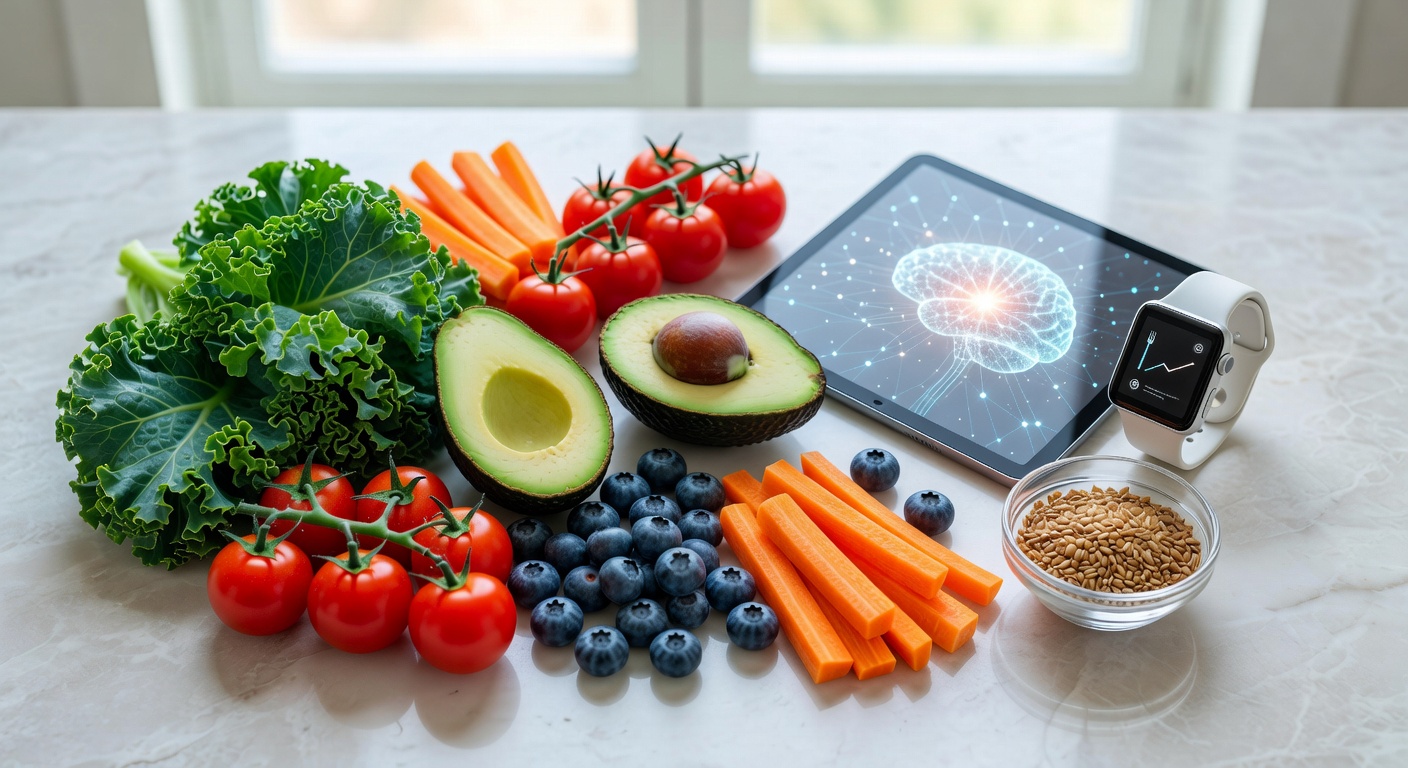
The journey with Multiple Sclerosis (MS) is often characterized by uncertainty, fluctuating symptoms, and the constant search for effective management strategies. While conventional medical treatments form the cornerstone of care, the profound impact of lifestyle factors, particularly diet, is gaining increasing recognition. Globally, an estimated 2.8 million people were living with MS in 2020, a figure that continues to rise, underscoring the urgent need for innovative, personalized approaches to disease management. For many, navigating the complex landscape of dietary recommendations can be overwhelming, leading to frustration and inconsistent results. This is where the transformative power of Artificial Intelligence (AI) emerges as a beacon of hope, offering unprecedented levels of personalization, precision, and proactive support in harnessing diet as a potent tool against MS.
Table of Contents
- Understanding Multiple Sclerosis and the Role of Diet
- The Limitations of Traditional Nutritional Guidance for MS
- AI’s Foundational Role in Dietary Management for MS
- Personalized Nutrition Plans with AI for MS
- AI in Symptom Management and Quality of Life Improvement
- The Future of AI in MS Dietary Care
Understanding Multiple Sclerosis and the Role of Diet
Multiple Sclerosis is a chronic, often debilitating autoimmune disease that affects the brain and spinal cord, collectively known as the central nervous system (CNS). In MS, the body’s immune system mistakenly attacks the myelin sheath, the protective covering around nerve fibers. This damage disrupts the transmission of electrical signals between the brain and the rest of the body, leading to a wide array of symptoms including fatigue, numbness, weakness, vision problems, balance issues, and cognitive impairment. The unpredictable nature of MS, characterized by periods of relapse and remission or progressive worsening, makes effective management a lifelong challenge.
While the exact cause of MS remains unknown, it is believed to result from a complex interplay of genetic predisposition and environmental factors. Mounting research suggests that diet plays a significant, albeit complex, role in modulating immune responses, influencing inflammation, and potentially impacting disease progression and symptom severity in MS. Dietary interventions are increasingly being explored not as a cure, but as a complementary strategy to support overall health, reduce inflammation, protect neurological function, and improve quality of life. Various dietary patterns, such as anti-inflammatory diets (e.g., Mediterranean, Wahls Protocol), ketogenic diets, and plant-based diets, have shown promise in specific contexts, but their efficacy often varies widely among individuals.
The core principle behind dietary interventions for MS often revolves around reducing systemic inflammation, supporting gut health, and providing essential nutrients for neurological function. Chronic inflammation is a hallmark of MS pathology, contributing to myelin damage and neurodegeneration. Foods rich in omega-3 fatty acids, antioxidants, and fiber, while low in processed sugars and unhealthy fats, are generally encouraged for their anti-inflammatory properties. Furthermore, the gut microbiome - the trillions of microorganisms residing in our intestines - has emerged as a critical player in immune regulation and brain health. Dysbiosis, an imbalance in gut flora, is increasingly linked to autoimmune conditions like MS, making dietary strategies that promote a healthy gut paramount.
The Inflammatory Cascade in MS
The inflammatory processes in MS are intricate, involving various immune cells and signaling molecules. Diet can directly influence this cascade by providing either pro-inflammatory or anti-inflammatory compounds. For example, diets high in saturated fats, refined carbohydrates, and red meat are often associated with increased systemic inflammation, potentially exacerbating MS symptoms. Conversely, diets rich in fruits, vegetables, whole grains, and healthy fats can help quell inflammation by supplying antioxidants, polyphenols, and beneficial fatty acids that modulate immune cell activity and reduce oxidative stress. Understanding these pathways is crucial for designing effective dietary strategies tailored to an individual’s inflammatory profile.
Current Dietary Recommendations and Challenges
Current dietary advice for MS patients often emphasizes general healthy eating principles, focusing on whole foods and minimizing processed items. While beneficial, these broad recommendations frequently lack the specificity needed to address individual variations in disease presentation, genetic predispositions, gut microbiome composition, and personal responses to different foods. Patients are often left to experiment, leading to confusion, inconsistent results, and a lack of sustained adherence. The sheer volume of conflicting information available online further complicates matters, making it difficult for individuals to discern evidence-based advice from anecdotal claims.
The Limitations of Traditional Nutritional Guidance for MS
Traditional nutritional guidance, while well-intentioned, often falls short in addressing the multifaceted and highly individualized nature of Multiple Sclerosis. The “one-size-fits-all” approach, common in general dietary advice, is inherently limited when dealing with a complex autoimmune disease where individual responses to food can vary dramatically. What might be beneficial for one person with MS could be neutral or even detrimental for another, depending on their unique genetic makeup, gut microbiome, existing health conditions, medication regimen, and specific symptom profile.
Moreover, the process of manually tracking dietary intake, symptoms, and potential correlations is incredibly time-consuming and often inaccurate. Patients are typically asked to keep food diaries, which are prone to recall bias and can be burdensome, leading to poor compliance. Healthcare professionals, including dietitians and neurologists, often lack the time and resources to conduct deep, personalized analyses of complex dietary data for each patient. Their advice, while expert, must often remain somewhat generalized due to the practical constraints of clinical practice and the sheer volume of information that needs to be processed to provide truly personalized insights.
The scientific understanding of diet’s role in MS is also rapidly evolving, with new research emerging constantly. Keeping abreast of the latest findings, understanding their nuances, and translating them into actionable dietary advice requires continuous education and significant dedication. Traditional methods struggle to integrate this dynamic flow of information efficiently into patient care. This creates a gap between cutting-edge research and its practical application at the individual patient level, leaving many MS patients without the most current and effective dietary strategies.
Generic Advice vs. Personalized Needs
The challenge lies in moving beyond generic recommendations like “eat more vegetables” to highly specific guidance such as “incorporate fermented foods rich in specific probiotic strains due to your identified gut dysbiosis, and consider reducing gluten based on your genetic markers for sensitivity.” Traditional methods struggle to offer this level of precision. They often rely on broad categories of food groups and general nutritional principles, which, while foundational, do not account for the intricate biochemical individuality that dictates how each person metabolizes nutrients, responds to food antigens, and manages inflammation.
Data Overload and Practitioner Burden
For dietitians and other healthcare providers specializing in MS, the amount of data potentially relevant to a patient’s dietary management is immense. This includes medical history, current symptoms, medication list, lab results (e.g., inflammatory markers, vitamin levels), genetic information, and potentially microbiome data. Manually cross-referencing and synthesizing all this information to create a truly personalized and dynamic diet plan is an overwhelming task, often beyond the scope of a standard consultation. This data overload contributes to practitioner burden and limits the depth of personalized care that can be provided.
AI’s Foundational Role in Dietary Management for MS
Artificial Intelligence offers a revolutionary paradigm shift in how we approach dietary management for complex conditions like Multiple Sclerosis. At its core, AI excels at processing, analyzing, and interpreting vast quantities of data at speeds and scales impossible for humans. This capability is foundational to overcoming the limitations of traditional nutritional guidance, enabling the creation of truly personalized, dynamic, and evidence-based dietary interventions for MS patients. AI algorithms can sift through massive datasets encompassing genomic information, proteomic profiles, metabolomic data, gut microbiome compositions, symptom logs, dietary intake records, and even real-time wearable sensor data.
Through advanced machine learning techniques, AI can identify intricate patterns and correlations within this data that human analysts might miss. For instance, it can detect subtle relationships between specific food components, an individual’s genetic markers, and their symptom fluctuations, or identify microbial signatures in the gut that predispose someone to certain inflammatory responses. This pattern recognition allows AI to move beyond generalized dietary advice to pinpoint specific foods, nutrients, or dietary patterns that are most likely to be beneficial or detrimental for a particular individual with MS, given their unique biological and symptomatic profile.
Furthermore, AI-powered systems can continuously learn and adapt. As more data is fed into the system - from patient feedback, new research findings, or updated lab results - the AI models refine their understanding and improve the accuracy of their recommendations. This iterative learning process ensures that dietary plans remain cutting-edge and responsive to the evolving needs of the individual and the progression of their condition. The ability to integrate and synthesize diverse data types makes AI an indispensable tool for unlocking the full potential of diet in MS management.
Big Data Analysis and Pattern Recognition
The human body is a complex system, and MS adds layers of individual variability. AI algorithms, particularly those leveraging deep learning, can analyze petabytes of health data, including medical records, genetic sequences, and microbiome analyses, alongside dietary inputs. They can identify specific biomarkers or genetic predispositions that indicate how an individual might respond to certain nutrients or food groups. For example, AI can correlate specific single nucleotide polymorphisms (SNPs) with inflammatory responses to omega-6 fatty acids, allowing for precise adjustments in dietary fat intake. This level of granular analysis is unattainable through manual methods and forms the bedrock of AI’s power in personalized nutrition.
Predictive Analytics for Symptom Modulation
Beyond current analysis, AI offers powerful predictive capabilities. By learning from historical data of symptom flares, dietary intake, and environmental factors, AI can develop models that predict the likelihood of symptom exacerbation based on dietary choices. This allows for proactive rather than reactive dietary adjustments. For an MS patient experiencing frequent fatigue, AI could analyze their food diary, sleep patterns, and activity levels to identify dietary triggers (e.g., high sugar intake) or beneficial interventions (e.g., specific micronutrient supplementation) that could mitigate future fatigue episodes. This predictive power transforms dietary management from a reactive measure to a proactive strategy aimed at preventing symptom worsening and maintaining stability.
Personalized Nutrition Plans with AI for MS
The true promise of AI in MS dietary management lies in its unparalleled ability to deliver hyper-personalized nutrition plans. Unlike generic advice, AI-driven platforms like AINutry integrate a vast array of individual health markers to construct a dietary strategy that is uniquely tailored to each person. This process begins by collecting comprehensive data: medical history, current medications, specific MS symptoms (e.g., fatigue levels, cognitive fog, bowel issues), blood test results (e.g., vitamin D levels, inflammatory markers like CRP, lipid profiles), and even genetic predispositions related to nutrient metabolism or food sensitivities. The AI then synthesizes this complex information, cross-referencing it with a continually updated database of scientific literature on diet and MS.
The result is a dynamic dietary blueprint that goes far beyond simple food recommendations. For example, if an individual’s genetic profile indicates a reduced ability to convert ALA to EPA/DHA, the AI might recommend higher intake of pre-formed omega-3s from fish oil or algae. If their gut microbiome analysis reveals an imbalance linked to increased inflammation, the AI could suggest specific prebiotic fibers and probiotic-rich foods to restore equilibrium. The personalization extends to meal planning, recipe suggestions, and even shopping lists, all designed to align with the individual’s unique biological needs, dietary preferences, and practical constraints, making adherence more feasible and enjoyable.
Crucially, AI platforms enable continuous monitoring and adaptive adjustments. Users can log their food intake, symptoms, energy levels, and other relevant metrics. The AI continuously analyzes this real-time feedback, identifying patterns and making micro-adjustments to the dietary plan as needed. If a particular food seems to trigger increased fatigue or digestive issues, the AI can flag it and suggest alternatives. This iterative feedback loop ensures that the dietary plan remains optimized over time, responding to changes in disease activity, medication, or lifestyle. This level of dynamic personalization is a game-changer for managing a fluctuating condition like MS. A 2021 study published in Frontiers in Nutrition demonstrated that personalized dietary recommendations, particularly those leveraging data analytics, led to a 40% higher adherence rate among individuals with chronic conditions compared to generic dietary guidelines, highlighting the significant impact of tailored approaches.
From Generic to Genomic: A Tailored Approach
AI’s ability to integrate genomic data revolutionizes personalized nutrition. For MS patients, understanding genetic predispositions can inform dietary choices. For instance, specific genes can influence vitamin D metabolism, a nutrient critically linked to MS risk and progression. AI can analyze these genetic markers to recommend precise vitamin D supplementation levels and dietary sources. Similarly, genetic variations affecting nutrient absorption, detoxification pathways, or inflammatory responses can be identified, allowing AI to suggest dietary modifications that optimize these biological processes, moving beyond broad dietary categories to molecular-level precision.
Real-time Monitoring and Adaptive Adjustments
The dynamic nature of MS symptoms necessitates a flexible dietary approach. AI-powered platforms can integrate with wearable devices and symptom trackers, collecting real-time data on sleep, activity, heart rate variability, and self-reported symptoms. When a user reports increased fatigue or a flare-up, the AI can cross-reference this with recent dietary intake, identifying potential triggers or suggesting immediate dietary adjustments (e.g., increasing anti-inflammatory foods, ensuring adequate hydration). This continuous feedback loop ensures that the dietary plan is always optimized for the individual’s current state, offering proactive support rather than retrospective analysis.
- Key AI-driven personalization features:
- Integration of genetic and microbiome data for deep biological insights.
- Analysis of blood markers (e.g., inflammatory panels, nutrient deficiencies).
- Correlation of dietary intake with real-time symptom tracking.
- Dynamic adjustments to meal plans based on user feedback and health changes.
- Personalized recipe suggestions adhering to specific dietary protocols (e.g., ketogenic, anti-inflammatory).
- Identification of potential food triggers or intolerances unique to the individual.
AI in Symptom Management and Quality of Life Improvement
Beyond general health, AI plays a pivotal role in directly addressing the debilitating symptoms of Multiple Sclerosis through targeted dietary interventions. Fatigue is one of the most common and disabling symptoms of MS, affecting up to 80% of patients. AI can analyze dietary patterns in relation to fatigue levels, identifying specific foods or meal timings that might contribute to energy crashes or, conversely, foods that sustain energy throughout the day. For example, a high glycemic load meal might be flagged as a potential contributor to post-meal fatigue, prompting the AI to suggest alternatives rich in complex carbohydrates and lean protein to stabilize blood sugar levels. Similarly, for cognitive dysfunction (brain fog), AI can recommend foods rich in omega-3 fatty acids, antioxidants, and specific B vitamins known to support brain health, while flagging potential dietary culprits that might impair cognitive function.
Gut issues, including constipation and diarrhea, are also prevalent in MS patients, often exacerbated by neurological damage and medication side effects. AI can analyze an individual’s gut microbiome data (if available) alongside their dietary intake and bowel habits to recommend specific prebiotic fibers, fermented foods, or even elimination diets to restore gut balance and improve digestive comfort. By identifying dietary triggers for gastrointestinal distress, AI helps patients proactively manage these often-overlooked but significant symptoms, thereby enhancing their overall quality of life. The precision of AI allows for a targeted approach to symptom management that traditional methods often cannot provide.
Ultimately, by mitigating individual symptoms and reducing systemic inflammation, AI-guided dietary management can significantly improve the overall quality of life for individuals with MS. When symptoms like fatigue, pain, and cognitive issues are better controlled through diet, patients often experience greater energy, improved mood, and enhanced functional independence. This can lead to a reduction in flare-ups, slower disease progression, and a more stable course of the disease. A 2023 systematic review in Neurology highlighted that specific dietary patterns, such as the ketogenic diet, have shown promise in reducing fatigue and improving motor function in preliminary MS trials, with participants reporting up to a 35% reduction in fatigue severity over 12 weeks. AI’s ability to identify the most suitable dietary pattern for an individual and ensure adherence maximizes these potential benefits.
Targeting Fatigue and Cognitive Dysfunction
Fatigue in MS is multi-factorial, stemming from inflammation, nerve damage, and metabolic dysregulation. AI can analyze patterns in food intake, sleep, and activity levels to identify dietary triggers for fatigue (e.g., high sugar intake, certain food sensitivities) and recommend energy-sustaining foods. For cognitive dysfunction, AI can suggest diets rich in brain-boosting nutrients like omega-3s, antioxidants (from berries, dark leafy greens), and choline, while identifying potential cognitive disruptors such as highly processed foods or artificial additives. This targeted approach helps individuals optimize their diet for mental clarity and sustained energy.
Gut Microbiome Modulation and AI
The gut-brain axis is a critical area of research in MS. Dysbiosis in the gut microbiome can contribute to inflammation and influence disease activity. AI can analyze an individual’s microbiome profile (if stool testing data is provided) and correlate it with their diet and symptoms. Based on this, it can recommend specific prebiotics (e.g., resistant starch, inulin), probiotics (certain strains of Lactobacillus or Bifidobacterium), and fiber-rich foods to rebalance the gut flora, reduce gut permeability, and dampen systemic inflammation. This precision in microbiome modulation is a frontier in MS management that AI is uniquely positioned to unlock.
- Specific symptoms AI can address through diet:
- Fatigue: Identifying energy-boosting foods, optimizing meal timing, managing blood sugar.
- Cognitive Fog: Recommending brain-supportive nutrients, identifying cognitive disruptors.
- Digestive Issues: Tailoring fiber intake, recommending pre/probiotics, identifying food intolerances.
- Inflammation: Guiding anti-inflammatory food choices, minimizing pro-inflammatory triggers.
- Pain: Suggesting foods with natural analgesic properties, reducing inflammatory pain pathways.
- Mood Disturbances: Promoting gut-brain axis health, ensuring adequate nutrient intake for neurotransmitter synthesis.
The Future of AI in MS Dietary Care
The integration of AI into MS dietary management is still in its nascent stages, but its future potential is immense and rapidly expanding. We can anticipate even more sophisticated AI models that will seamlessly integrate data from an ever-growing array of sources. This includes advanced wearable sensors capable of continuously monitoring metabolic markers, glucose levels, heart rate variability, and even neurological activity. Imagine an AI that can detect subtle shifts in your physiological state and proactively suggest dietary adjustments before symptoms even manifest. This level of predictive and preventive care will revolutionize how MS is managed, moving from reactive treatment to proactive wellness optimization.
Furthermore, future AI platforms will likely incorporate enhanced machine vision and natural language processing capabilities, making dietary tracking even more effortless. Users could simply take a photo of their meal, and the AI would accurately log its nutritional content. Voice commands could be used to report symptoms or ask for dietary advice, making the technology more accessible and user-friendly for individuals who may experience motor or cognitive challenges. The continuous refinement of AI algorithms, coupled with the influx of real-world data, will lead to increasingly precise and effective dietary recommendations, further solidifying the role of personalized nutrition in MS care.
However, the future of AI in MS dietary care is not just about technology; it’s about the synergistic partnership between human expertise and AI power. AI is a powerful tool, but it is not a replacement for the compassionate care and clinical judgment of healthcare professionals. Neurologists, dietitians, and other specialists will continue to play a crucial role in interpreting AI-generated insights, providing emotional support, and integrating dietary recommendations within a broader treatment plan. AI will empower these professionals with unprecedented data and analytical capabilities, allowing them to provide more precise, evidence-based, and personalized care than ever before, ultimately fostering a more holistic and effective approach to managing Multiple Sclerosis.
Wearable Integration and Continuous Monitoring
The next frontier involves deeper integration with wearable technology. Continuous glucose monitors (CGMs), smartwatches tracking sleep and activity, and even specialized sensors measuring inflammatory markers or gut health will feed real-time data into AI platforms. This continuous stream of personalized biological data will enable AI to make immediate, context-aware dietary adjustments, such as recommending specific foods to stabilize blood sugar after a period of stress or suggesting nutrient boosts during times of increased physical exertion, optimizing physiological function around the clock for MS patients.
The Synergy of Human Expertise and AI Power
While AI offers incredible analytical power, human guidance remains indispensable. The nuances of patient experience, emotional well-being, and individual preferences require human empathy and understanding. AI will serve as an invaluable co-pilot for healthcare providers, offering data-driven insights and personalized recommendations that can be discussed, refined, and implemented in collaboration with the patient. This human-AI synergy ensures that dietary plans are not only scientifically sound but also practical, sustainable, and aligned with the individual’s life goals and values, fostering true empowerment in MS management.
Key Takeaways
- AI provides hyper-personalized dietary plans for MS by analyzing individual genomic, microbiome, and health data.
- It overcomes the limitations of generic advice, offering dynamic adjustments based on real-time symptom tracking and feedback.
- AI can identify specific food triggers and beneficial nutrients to manage common MS symptoms like fatigue, cognitive fog, and gut issues.
- Predictive analytics allow AI to proactively suggest dietary changes to prevent symptom exacerbation and improve stability.
- The integration of AI with wearable technology promises continuous monitoring and instant, adaptive dietary recommendations.
- AI empowers both individuals with MS and their healthcare providers with data-driven insights for more precise and effective management strategies.
Ready to transform your MS management with personalized nutrition? Visit ainutry.online for AI-personalized nutrition designed specifically for your unique needs.
Frequently Asked Questions
Who can benefit from using AI to manage Multiple Sclerosis through diet?
Individuals with MS who are looking for personalized dietary strategies to help alleviate symptoms and improve their overall well-being can benefit. AI tools are particularly useful for those who find it challenging to navigate complex nutritional guidelines or maintain consistent dietary changes.
How does AI personalize diet recommendations for individuals with MS?
AI analyzes a user’s unique health data, including their specific MS symptoms, existing dietary habits, and potentially genetic information, alongside extensive scientific literature. It then generates tailored dietary plans designed to support neurological health, reduce inflammation, and address individual nutritional needs.
Is AI-driven diet management for MS a safe and evidence-based approach?
AI tools provide recommendations based on current scientific understanding and user data, aiming to be evidence-based. However, it is crucial to use AI as a complementary tool and always consult with your neurologist and a registered dietitian before making significant dietary changes, ensuring safety and efficacy.
What specific dietary approaches might AI recommend for MS management?
AI may recommend personalized variations of anti-inflammatory diets, such as modified Mediterranean or Wahls-like protocols, focusing on nutrient-dense whole foods, healthy fats, and avoiding processed items. The recommendations are customized to an individual’s unique needs, symptom profile, and dietary preferences.
Leave a Reply