
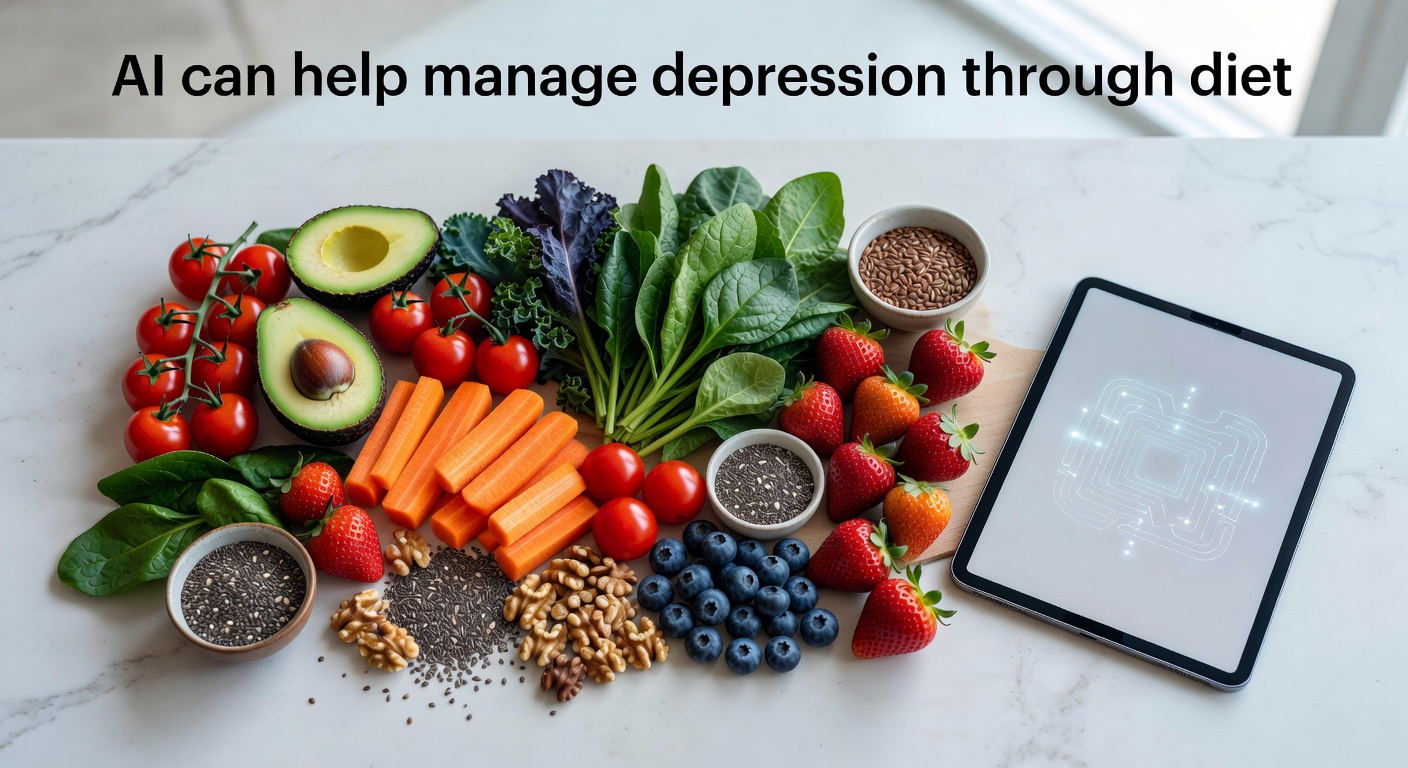
Imagine a future where your daily meals are precisely calibrated not just to nourish your body, but to actively fortify your mind against the grips of depression. This isn’t a distant fantasy; it’s a rapidly approaching reality, especially when considering the profound impact of mental health challenges globally. According to the National Institute of Mental Health (NIMH), in 2021, an estimated 21.0 million U.S. adults (8.3% of all U.S. adults) experienced at least one major depressive episode. As we look towards 2026 and beyond, the integration of artificial intelligence into personalized nutrition promises a revolutionary approach to managing depression through the power of diet, moving beyond generalized advice to hyper-individualized strategies.
Table of Contents
- The Gut-Brain Axis and Depression: A Foundational Understanding
- Limitations of Traditional Dietary Approaches to Mental Health
- AI’s Role in Personalized Nutritional Assessment and Planning
- AI-Powered Dietary Interventions for Depression Management
- Beyond Food: Integrating Lifestyle Factors with AI
- Ethical Considerations and The Future Outlook
The Gut-Brain Axis and Depression: A Foundational Understanding
The intricate connection between our gut and brain, often termed the “gut-brain axis,” has emerged as a critical frontier in understanding and managing mental health conditions, including depression. This bidirectional communication system involves a complex interplay of neural, endocrine, and immune pathways, significantly influenced by the trillions of microorganisms residing in our digestive tract - the gut microbiome. Scientific research over the past two decades has underscored that the health and diversity of this microbial community can profoundly impact brain function, mood regulation, and stress response.
Diet serves as the primary modulator of the gut microbiome. What we consume directly impacts the composition and metabolic activity of our gut bacteria. A diet rich in processed foods, unhealthy fats, and sugars can lead to dysbiosis - an imbalance in the gut microbiota - which is increasingly linked to systemic inflammation and impaired neurotransmitter production. Conversely, a diet abundant in fiber, prebiotics, and probiotics can foster a diverse and healthy microbiome, promoting the production of beneficial compounds that cross the blood-brain barrier and influence mood.
Understanding this fundamental link is the bedrock upon which AI-powered dietary interventions are built. By recognizing that dietary choices are not merely about caloric intake or macronutrient ratios, but about nurturing a complex internal ecosystem that directly communicates with the brain, we unlock new avenues for therapeutic intervention. AI, with its capacity to process vast amounts of data on diet, microbiome composition, and individual health metrics, stands poised to translate this scientific understanding into actionable, personalized dietary strategies for depression management.
The Microbiome’s Role
The gut microbiome is a veritable factory for neuroactive compounds. These microorganisms produce a wide array of metabolites, including short-chain fatty acids (SCFAs) like butyrate, propionate, and acetate, which have anti-inflammatory properties and can influence brain function and integrity. Furthermore, specific bacterial species are capable of synthesizing neurotransmitters such as serotonin, dopamine, and gamma-aminobutyric acid (GABA), or their precursors. While these gut-derived neurotransmitters do not always directly cross into the brain, they can signal through the vagus nerve and influence systemic levels, ultimately impacting mood and cognitive function.
Dysbiosis, characterized by a reduction in beneficial bacteria and an increase in pathogenic strains, can disrupt this delicate balance. This imbalance can lead to increased gut permeability, allowing inflammatory molecules to enter the bloodstream and potentially reach the brain, contributing to neuroinflammation. Chronic low-grade inflammation in the brain is a recognized factor in the pathophysiology of depression. Therefore, restoring microbial balance through targeted dietary interventions is a promising strategy for mitigating depressive symptoms.
Neurotransmitter Production
The production of neurotransmitters, crucial for mood regulation, is significantly influenced by dietary intake and gut health. For instance, approximately 90% of the body’s serotonin, a key neurotransmitter often implicated in depression, is produced in the gut. While gut-derived serotonin does not directly cross the blood-brain barrier, its precursors and the activity of gut microbes can influence its systemic levels and signaling pathways. Tryptophan, an essential amino acid found in protein-rich foods, is a precursor to serotonin. The gut microbiome plays a role in tryptophan metabolism, affecting its availability for both gut and brain serotonin synthesis.
Moreover, gut bacteria produce other compounds that impact neurotransmitter systems. For example, some microbes can produce GABA, an inhibitory neurotransmitter that helps calm the nervous system, or influence dopamine pathways associated with reward and motivation. A diet rich in diverse plant fibers supports a microbiome capable of producing these beneficial compounds, while a restrictive or unbalanced diet can impair these vital processes. AI’s ability to analyze individual dietary patterns and correlate them with potential neurotransmitter imbalances or inflammatory markers offers a sophisticated pathway to targeted nutritional interventions.
Limitations of Traditional Dietary Approaches to Mental Health
For decades, dietary advice for mental health has largely relied on generalized recommendations: “eat a balanced diet,” “reduce sugar,” or “increase fruits and vegetables.” While well-intentioned and fundamentally sound, these broad guidelines often fall short in addressing the complex, multifactorial nature of depression and the unique physiological and psychological profiles of individuals. The inherent variability in genetics, metabolism, gut microbiome composition, lifestyle, and even psychological responses to food means that a one-size-fits-all approach is rarely optimally effective.
Traditional methods typically involve consultations with dietitians or nutritionists, who, while invaluable, operate within the constraints of time, human cognitive capacity, and the sheer volume of data required for true personalization. Gathering comprehensive dietary histories, analyzing nutrient intake, assessing potential deficiencies, and correlating these with an individual’s specific symptoms and biomarkers is an arduous, often incomplete, process. Furthermore, translating complex nutritional science into practical, sustainable dietary plans that individuals can adhere to long-term is a significant challenge, often leading to poor compliance and suboptimal outcomes.
The lack of real-time feedback and dynamic adjustment is another critical limitation. A traditional dietary plan is often static, reviewed periodically. However, an individual’s nutritional needs and physiological responses can change due to stress, medication, illness, or even seasonal variations. Without continuous monitoring and adaptive adjustments, a dietary plan can quickly become outdated or less effective. These limitations highlight the urgent need for a more dynamic, data-driven, and personalized approach that AI is uniquely positioned to provide.
General Recommendations vs. Individual Needs
The concept of a “healthy diet” is broadly understood, yet its precise application varies dramatically from person to person. A recommendation like “eat more fiber” is excellent advice, but the type of fiber, the specific plant sources, and the quantity can have vastly different effects on individuals based on their unique gut microbiome. Some individuals might thrive on a high-FODMAP diet, while others experience digestive distress. Genetic predispositions can also influence nutrient absorption, metabolism, and even the psychological impact of certain foods.
Moreover, nutritional deficiencies that contribute to depressive symptoms are highly individual. One person might be deficient in B vitamins, another in Omega-3 fatty acids, and yet another might have an imbalance in their amino acid profile. Traditional methods struggle to identify these specific needs without extensive, often expensive, testing and detailed analysis. AI’s capacity to integrate genetic data, metabolic markers, and dietary intake can pinpoint these individual requirements with unprecedented precision, moving beyond generic advice to truly bespoke nutritional strategies.
Compliance and Monitoring Challenges
Adherence to any long-term dietary change is notoriously difficult. Busy schedules, social pressures, emotional eating, and a lack of immediate gratification often derail even the most well-intentioned efforts. Traditional dietary counseling often lacks the tools for continuous, unobtrusive monitoring of dietary intake and its immediate effects on mood or energy levels. Self-reported food diaries are prone to inaccuracies and underreporting, making it challenging to assess compliance or identify specific triggers.
Without constant feedback and encouragement, motivation wanes. The ability to track progress, observe subtle correlations between food choices and mood shifts, and receive personalized nudges can significantly enhance adherence. AI-powered platforms can bridge this gap by offering continuous monitoring, personalized reminders, and adaptive meal planning, transforming the arduous task of dietary change into a more manageable and engaging journey. This constant feedback loop is vital for sustaining behavioral changes necessary for long-term mental well-being.
AI’s Role in Personalized Nutritional Assessment and Planning
Artificial intelligence is revolutionizing personalized nutrition by moving beyond the limitations of traditional approaches, offering unprecedented capabilities in data collection, analysis, and predictive modeling. The core strength of AI lies in its ability to process and synthesize vast, complex datasets from multiple sources, identifying patterns and correlations that would be impossible for human experts to discern manually. This enables the creation of highly individualized nutritional plans tailored to an individual’s unique biological, psychological, and lifestyle profile, directly addressing the nuanced factors contributing to depression.
AI-powered platforms can ingest a rich tapestry of personal data, including genetic information (e.g., SNPs related to nutrient metabolism), gut microbiome sequencing results, blood biomarkers (e.g., vitamin levels, inflammatory markers, hormone profiles), dietary intake logs (often facilitated by natural language processing of food journals or image recognition), physical activity data from wearables, sleep patterns, and even mood logs. By integrating these diverse data streams, AI algorithms can construct a holistic view of an individual’s health status, identifying specific nutritional deficiencies, metabolic imbalances, or gut dysbiosis patterns that may predispose them to or exacerbate depressive symptoms.
The computational power of AI allows for dynamic adjustments to dietary recommendations. As new data becomes available - whether it’s a change in mood reported by the user, an updated blood test, or a shift in activity levels - the AI system can recalibrate its recommendations in real-time. This adaptive capability ensures that the nutritional plan remains optimally aligned with the individual’s evolving needs, fostering a truly responsive and effective approach to managing depression through diet.
Data Collection and Analysis
The foundation of AI-driven personalization is robust data collection. Modern AI nutrition platforms leverage a variety of tools to gather comprehensive user data. This includes sophisticated mobile applications for tracking food intake, often utilizing image recognition or natural language processing to log meals efficiently. Wearable devices provide continuous data on activity levels, sleep quality, and heart rate variability, offering insights into stress response and metabolic health. Integration with clinical lab results allows for the input of blood panels, genetic tests, and even stool sample analyses for microbiome profiling.
Once collected, this raw data is fed into advanced machine learning algorithms. These algorithms employ techniques such as clustering, classification, and regression to identify subtle patterns and relationships. For example, AI can correlate specific dietary patterns with changes in mood scores, identify nutrient deficiencies based on genetic predispositions and intake data, or predict the impact of certain food groups on an individual’s unique gut microbiome. This deep analytical capability allows for a level of insight far beyond what traditional methods can achieve, forming the basis for highly targeted interventions.
Predictive Modeling for Dietary Impact
One of the most powerful applications of AI in this context is its ability to build predictive models. By analyzing historical data from thousands or millions of users, combined with scientific literature and biochemical pathways, AI can predict how specific dietary changes might impact an individual’s mood, energy levels, and overall depressive symptoms. These models can forecast potential benefits or adverse reactions to particular foods or nutrients, helping to refine dietary recommendations before they are even implemented.
For instance, an AI might predict that increasing omega-3 fatty acid intake, based on a user’s genetic markers and current diet, could lead to a statistically significant improvement in mood within a specific timeframe. Similarly, it could identify potential food sensitivities or inflammatory triggers unique to an individual and recommend their exclusion. A 2023 report by Grand View Research estimated the global AI in healthcare market size at USD 15.1 billion, projected to grow at a compound annual growth rate (CAGR) of 37.5% from 2024 to 2030, underscoring the massive investment and confidence in AI’s predictive capabilities across health sectors, including nutrition and mental health.
This predictive power allows for proactive, rather than reactive, nutritional interventions. Instead of waiting for symptoms to worsen, AI can guide users towards dietary choices that are likely to prevent exacerbations and promote mental resilience, making the management of depression more effective and personalized than ever before.
AI-Powered Dietary Interventions for Depression Management
The true promise of AI in managing depression through diet lies not just in its analytical capabilities, but in its ability to translate complex data into actionable, personalized interventions that are seamlessly integrated into daily life. AI-powered platforms can offer dynamic meal plans, intelligent grocery lists, and even cooking instructions tailored to an individual’s specific nutritional needs, dietary preferences, cultural background, and skill level. This level of personalization drastically reduces the cognitive load associated with making healthy choices, making sustainable dietary changes more achievable for individuals struggling with the energy and motivation often associated with depression.
Beyond static meal plans, AI can provide real-time feedback and support, acting as a constant, intelligent companion in the journey towards better mental health. This continuous engagement is crucial for maintaining adherence and adapting to the fluctuating demands of daily life. By offering proactive guidance and responsive adjustments, AI transforms passive dietary advice into an active, empowering tool for self-management, fostering a sense of control and agency over one’s mental well-being.
Furthermore, AI can integrate with smart kitchen appliances, online grocery services, and health apps to create a holistic ecosystem of support. This interconnectedness streamlines the process of procuring ingredients and preparing meals, removing common barriers to healthy eating. The result is a highly efficient, personalized, and supportive system that empowers individuals to leverage diet as a powerful therapeutic tool in their depression management strategy.
Real-time Feedback and Adjustment
One of the most significant advantages of AI-powered interventions is the ability to provide immediate and continuous feedback. As users log their meals, exercise, sleep, and mood, the AI system can analyze this data in real-time and offer insights. For example, if a user consistently reports lower mood after consuming certain types of food, the AI can flag this pattern and suggest alternative options or further investigation. This immediate feedback loop helps users quickly identify personal triggers and beneficial foods, accelerating the learning process.
Moreover, AI can dynamically adjust recommendations based on real-world outcomes. If a particular dietary strategy isn’t yielding the expected improvements in mood or energy, the AI can suggest modifications to macronutrient ratios, introduce new food groups, or recommend specific supplements based on updated biomarker data. This adaptive learning ensures that the intervention remains optimized for the individual’s current state and progress, preventing stagnation and maximizing therapeutic efficacy. A 2019 review published in *Nutrients* highlighted that adherence to a healthy dietary pattern, such as the Mediterranean diet, was associated with a 25-35% reduced risk of depression, emphasizing the significant impact of consistent, healthy eating which AI can facilitate.
Behavioral Nudging and Gamification
Sustaining dietary changes requires more than just knowing what to eat; it requires consistent behavioral modification. AI platforms excel at integrating behavioral science principles to support adherence. This includes personalized nudges and reminders, such as notifications to drink water, prepare a healthy snack, or log a meal, delivered at optimal times based on user habits and reported schedules. These gentle prompts can help reinforce positive behaviors without feeling intrusive.
Gamification elements, such as earning points for consistent tracking, achieving streaks for healthy meal preparation, or unlocking virtual rewards for meeting nutritional goals, can significantly boost motivation and engagement. By turning healthy eating into an interactive and rewarding experience, AI makes the process of managing depression through diet more enjoyable and sustainable. These features are particularly valuable for individuals who may struggle with motivation due to their depressive symptoms, providing external reinforcement and a sense of accomplishment.
Beyond Food: Integrating Lifestyle Factors with AI
While diet is a powerful lever for managing depression, it is rarely a standalone solution. Mental well-being is a complex tapestry woven from various lifestyle factors, including sleep quality, physical activity, stress management, and social connections. The true potential of AI in holistic depression management lies in its ability to integrate dietary recommendations with these other crucial lifestyle components, creating a truly comprehensive and synergistic approach. AI can analyze how these different elements interact and influence each other, offering integrated recommendations that optimize overall mental health outcomes.
For example, poor sleep can increase cravings for unhealthy foods, while stress can disrupt gut health and alter nutrient absorption. Conversely, a nutrient-dense diet can improve sleep quality, and regular physical activity can enhance mood and reduce stress. AI can identify these intricate interdependencies unique to each individual. By recognizing that a specific dietary change might be more effective when paired with a particular sleep hygiene practice or a stress-reduction technique, AI can guide users towards a multi-faceted approach that addresses the root causes of their depressive symptoms more effectively than isolated interventions.
This holistic integration moves beyond a siloed view of health, offering a personalized roadmap that considers the entire ecosystem of an individual’s well-being. By leveraging the power of AI to connect the dots between diet, exercise, sleep, and stress, we can unlock a more potent and sustainable strategy for depression management, fostering resilience and promoting long-term mental flourishing.
Holistic Health Profiles
AI platforms are increasingly capable of constructing comprehensive holistic health profiles that go far beyond basic nutritional assessments. By integrating data from wearables, smart home devices, mental wellness apps, and even environmental sensors, AI can gather information on sleep patterns (duration, quality, regularity), physical activity levels (steps, exercise intensity, recovery), stress indicators (heart rate variability, self-reported stress levels), and even exposure to natural light or social interaction. This rich dataset allows AI to map out the intricate interdependencies between these factors and an individual’s mood and depressive symptoms.
For instance, an AI might detect a pattern where a user’s mood dips after a night of poor sleep, followed by increased cravings for sugary foods the next day. Based on this, it wouldn’t just recommend a dietary change, but also suggest strategies for improving sleep hygiene. This comprehensive profiling enables AI to identify personalized cascading effects, where an imbalance in one area of lifestyle impacts others, and then formulate interventions that address these interconnected challenges simultaneously.
Synergistic Recommendations
With a holistic health profile in hand, AI can generate synergistic recommendations that optimize the combined impact of various lifestyle interventions. Instead of separate advice for diet, exercise, and sleep, AI can suggest how these elements can work together to amplify positive effects on mood and mental well-being. For example, an AI might recommend a specific dinner composition (e.g., foods rich in tryptophan and magnesium) to support melatonin production, followed by a guided relaxation exercise to improve sleep onset, and a morning walk to boost mood and regulate circadian rhythms.
This integrated approach is particularly powerful for depression management, as it acknowledges that improvements in one area can positively spill over into others. By identifying optimal combinations of dietary choices, physical activities, stress-reduction techniques, and sleep strategies, AI empowers individuals to build a robust foundation for mental resilience. This moves beyond treating symptoms in isolation to nurturing an overall environment conducive to sustained emotional health.
Ethical Considerations and The Future Outlook
As AI’s role in managing depression through diet expands, it is imperative to address the ethical considerations that accompany such powerful technology. Data privacy and security stand paramount. The highly sensitive nature of health data, especially concerning mental health and genetic information, necessitates robust encryption, anonymization protocols, and transparent data governance policies. Users must have clear understanding and control over how their data is collected, stored, and utilized. Establishing trust through ethical AI practices will be crucial for widespread adoption and user acceptance of these innovative platforms.
Furthermore, the development of AI in nutrition for mental health must guard against biases inherent in training data. If AI models are primarily trained on data from specific demographics, their recommendations might not be equally effective or culturally appropriate for diverse populations. Ensuring equitable access to these technologies and designing algorithms that are inclusive and representative will be vital to prevent exacerbating existing health disparities. The goal should be to augment human care, not replace it, ensuring that AI tools remain a supportive aid rather than a sole arbiter of health decisions.
Looking ahead to 2026 and beyond, the future of AI in depression management through diet is incredibly promising. We can anticipate even more sophisticated AI models that integrate real-time physiological data from ingestible sensors, advanced breath analysis, and continuous glucose monitoring. The development of digital twins, where an AI creates a personalized virtual model of an individual’s biology, could allow for simulated dietary interventions to predict outcomes before actual implementation. This evolution will lead to even more precise, preventive, and personalized approaches, transforming how we understand and manage mental health through the profound connection between food and mind.
Data Privacy and Security
The collection of extensive personal health data, including dietary habits, genetic predispositions, and mood fluctuations, raises significant privacy concerns. AI platforms must adhere to stringent data protection regulations (e.g., GDPR, HIPAA) and implement state-of-the-art cybersecurity measures to safeguard this sensitive information. Anonymization and aggregation techniques are essential to protect individual identities while still allowing for valuable population-level insights. Users need to be empowered with granular control over their data, including the ability to consent to specific data uses and to request data deletion. Transparency regarding data handling practices is not just a regulatory requirement but a cornerstone for building user trust.
Beyond technical safeguards, ethical guidelines must dictate how AI algorithms use and interpret mental health data to avoid discriminatory practices or the potential for misuse. The focus must always remain on empowering the individual and enhancing their well-being, rather than leveraging their data for commercial exploitation or coercive interventions. Continuous auditing of AI systems for fairness and bias will be a critical ongoing responsibility for developers and healthcare providers alike.
The Human Element and AI Augmentation
While AI offers unparalleled capabilities in personalization and data analysis, it is crucial to emphasize that it is designed to augment, not replace, human care. The empathetic understanding, therapeutic relationship, and nuanced clinical judgment provided by mental health professionals and nutritionists remain indispensable. AI can streamline the data collection, analysis, and recommendation generation processes, freeing up practitioners to focus on the human aspects of care: providing emotional support, addressing psychological barriers to change, and interpreting complex situations where AI might fall short.
The most effective model for the future will likely involve a collaborative approach, where AI platforms serve as powerful tools for individuals and their healthcare teams. AI can provide personalized insights and actionable plans, while human experts offer the necessary guidance, validation, and emotional support. This synergy ensures that individuals receive both the most scientifically advanced and the most human-centered care possible in their journey to manage depression through diet.
Key Takeaways
- The gut-brain axis is a critical link between diet and depression, with the gut microbiome playing a central role in mood regulation and neurotransmitter production.
- Traditional dietary advice often lacks the personalization and dynamic adjustment needed for effective depression management, leading to suboptimal outcomes and compliance issues.
- AI revolutionizes nutritional assessment by integrating diverse data (genetics, microbiome, biomarkers, lifestyle) to create hyper-personalized dietary plans.
- AI-powered interventions offer real-time feedback, dynamic adjustments, and behavioral nudges through gamification, significantly improving adherence and effectiveness.
- Beyond food, AI integrates diet with other lifestyle factors like sleep, exercise, and stress management, providing synergistic recommendations for holistic mental well-being.
- Ethical considerations, particularly data privacy and bias prevention, are paramount as AI’s role expands, ensuring these technologies augment human care and promote equitable access.
To embark on your personalized journey towards better mental health through diet, visit ainutry.online for AI-personalized nutrition tailored to your unique needs.
Frequently Asked Questions
Is AI-powered dietary management for depression a safe treatment option?
AI-powered dietary management is envisioned as a safe, complementary tool when integrated into a comprehensive treatment plan and overseen by healthcare professionals. Its safety relies on accurate data input and algorithms designed to prioritize individual health needs and existing medical conditions.
Who is the ideal candidate for using AI to manage depression through diet?
Individuals seeking highly personalized nutritional guidance to support their mental well-being, particularly those with mild to moderate depression, could greatly benefit. It’s also valuable for those looking to optimize their diet as an adjunct to traditional therapies, always in consultation with a doctor.
How does AI personalize diet recommendations for managing depression?
AI systems analyze a vast array of individual data, including genetics, gut microbiome profiles, lifestyle habits, and real-time mood tracking, to create highly tailored dietary plans. This personalized approach aims to identify specific nutritional deficiencies or inflammatory triggers unique to each person’s depression.
Can AI-driven diet plans replace medication or therapy for depression?
No, AI-driven diet plans are intended as a complementary strategy, not a standalone replacement for prescribed medication or psychotherapy for depression. They work best as part of a holistic treatment approach, enhancing overall well-being under the guidance of healthcare providers.
Leave a Reply