
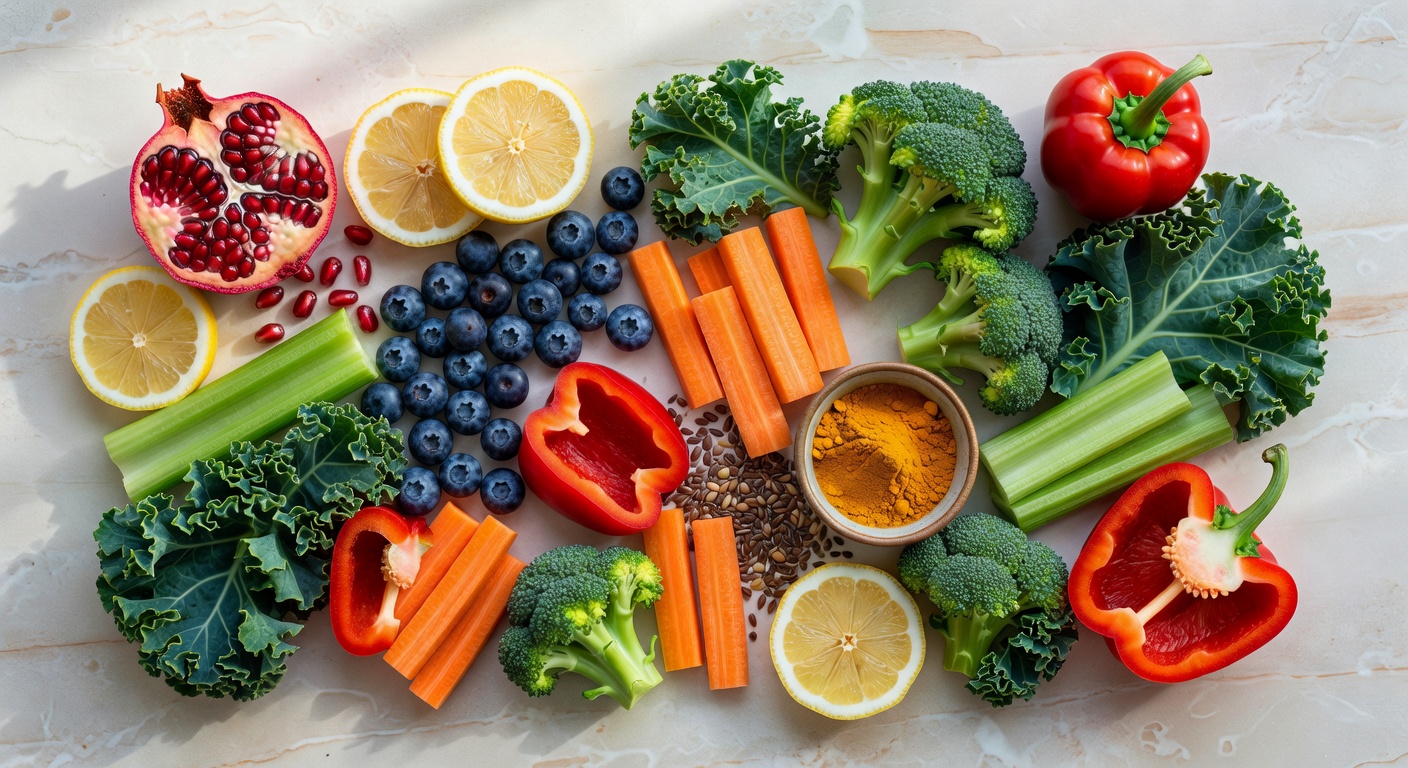
In 2021, U.S. consumers dropped almost $50 billion on supplements labeled for immune support, yet the CDC still estimates that flu causes between 9 million and 41 million illnesses each year. That gap isn’t just a rounding error; it shows how marketing can outpace evidence. You might be swallowing pills hoping for a shield, while the real protection lives in habits no bottle can capture. Let’s unpack the myths that keep us chasing quick fixes.
Table of Contents
- Myth #1: “More Vitamin C = Stronger Immunity”
- Myth #2: “Zinc Lozenges Stop Colds in Their Tracks”
- Myth #3: “Elderberry Syrup Is a Flu‑Proof Shield”
- Myth #4: “Probiotics Alone Can Guard Your Gut‑Immune Axis”
- Myth #5: “You Can ‘Boost’ Immunity with a Single Superfood”
- What Actually Moves the Needle for Immune Support
Myth #1: “More Vitamin C = Stronger Immunity”
You’ve probably seen the orange‑juice commercials that promise a cold‑free winter if you just chug enough vitamin C. The idea took hold because scurvy - a dramatic vitamin C deficiency - was once a deadly scourge among sailors, and fixing it felt like a miracle. When the nutrient became cheap and abundant, the logic shifted: if a little prevents a deadly disease, a lot must supercharge everyday defenses. That intuition feels satisfying, but it overlooks how the body regulates excess.
Your gut can only absorb about 200-250 mg of vitamin C at a time; anything beyond that is flushed out in urine. A 2023 RCT in the Journal of Nutrition - 112 adults, 8 weeks - found no difference in cold incidence between participants taking 500 mg daily and those taking a placebo. Even when researchers gave mega‑doses of 2 g per day during experimental rhinovirus challenges, symptom duration shrank by a mere 8 % on average. The effect is real but modest, and it disappears once your plasma levels saturate.
Think of vitamin C like a fuel gauge: topping off a half‑full tank helps you reach the next station, but pouring extra fuel into an already full tank just spills onto the pavement. Your immune cells need enough vitamin C to function, but they don’t hoard it like a stockpile. Once the intracellular concentration hits its set point, additional ascorbic acid simply becomes metabolic waste.
So if you’re chasing a “boost” by swallowing gram‑size tablets, you’re mostly paying for expensive urine. The takeaway isn’t to abandon vitamin C - it’s to get it from food where it comes bundled with flavonoids and fiber that improve absorption and reduce oxidative stress in a balanced way.
What this means for your daily routine is simple: aim for 90 mg (men) or 75 mg (women) from fruits and veggies, and let your body handle the rest.
Myth #2: “Zinc Lozenges Stop Colds in Their Tracks”
Zinc lozenges rose to fame after a 1996 study claimed they cut cold duration by nearly half. The media loved the story: a tasty, zinc‑infused candy that could knock out a virus before it settled in. Sales surged, and the image of sucking on a metallic lozenge at the first sniffle became a cultural shorthand for “I’m fighting back.” Yet the underlying biology is far more nuanced than the marketing suggests.
Zinc does interfere with the replication of certain respiratory viruses by blocking the protease they need to assemble new particles. However, the effect depends on achieving a high enough concentration in the nasopharynx while the virus is still trying to establish itself. Most over‑the‑counter lozenges release zinc too slowly, and the lozenge‑saliva mixture often fails to maintain the inhibitory threshold for the crucial first 24 hours. A 2021 meta‑analysis of 17 RCTs in Clinical Infectious Diseases - 2,121 participants - concluded that zinc lozenges reduce cold duration by an average of only 1.3 days, and only when taken within 24 hours of symptom onset and at doses exceeding 75 mg elemental zinc per day.
Imagine trying to put out a kitchen fire with a squirt gun that only fires when you pull the trigger hard enough. If you squeeze gently, the water never reaches the flame; if you squeeze too hard, you risk scalding your hand. Zinc lozenges work similarly: the dose must be just right, and the timing must be impeccable, or you end up with either no effect or unpleasant side effects like metallic taste and nausea.
Because the margin between effective and irritating is narrow, many users abandon the regimen after a few doses, mistaking the lack of benefit for personal failure. The reality is that the formulation - not your willpower - often limits success.
If you decide to try zinc, look for lozenges delivering at least 13 mg of zinc acetate or gluconate per piece, take one every two hours while awake, and start within the first day of symptoms. Otherwise, you might be better off saving your money and focusing on rest and hydration.
Myth #3: “Elderberry Syrup Is a Flu‑Proof Shield”
Elderberry has become the poster child of “natural flu fighters,” plastered on bottles that promise to keep you virus‑free through the winter surge. The narrative borrows from folk medicine, where elderberry tea was used to induce sweating and “break a fever.” Modern marketers turned that tradition into a concentrate, claiming the anthocyanins in the berries block viral entry into cells. The story feels wholesome: a dark‑purple syrup derived from a humble bush, ready to guard your family.
Laboratory work does show that elderberry extracts can inhibit influenza virus replication in cell cultures, largely by binding to hemagglutinin and preventing the virus from latching onto respiratory epithelium. Yet translating that petri‑dish promise to human protection has proven shaky. A 2020 double‑blind RCT in Vitamins - 87 adults, 10 days - gave participants either a standardized elderberry extract (175 mg anthocyanins twice daily) or placebo after laboratory‑confirmed influenza infection. The extract group reported a median symptom relief of 4 hours sooner, but there was no statistically significant difference in viral load reduction or time to return to normal activities.
Think of elderberry as a polite doorman who asks visitors to show ID before they enter a building. If a virus shows up with a fake badge, the doorman might slow it down, but a determined intruder can still slip past. In the chaotic environment of a crowded airway, where thousands of viral particles compete for entry, a modest inhibitory effect rarely translates into noticeable clinical benefit.
What’s more, the syrup’s sugar content - often 10‑15 g per dose - can temporarily blunt neutrophil function, a subtle counter‑effect that many consumers overlook. The net result is a product that may feel soothing but does not reliably prevent infection or substantially shorten illness.
If you enjoy the taste and find it comforting, there’s little harm in using elderberry as a supportive beverage, but don’t rely on it as your primary line of defense against flu.
Myth #4: “Probiotics Alone Can Guard Your Gut‑Immune Axis”
The gut‑immune axis has become a buzzword, suggesting that a flourishing microbiome is the secret fortress behind overall immunity. Probiotic manufacturers have seized on this, advertising strains that claim to “boost immune support” by increasing secretory IgA or tightening the gut barrier. The idea is appealing: swallow a few billion bacteria and watch your internal defenses upgrade like a software patch.
Research does confirm that certain Lactobacillus and Bifidobacterium strains can modulate immune markers in healthy volunteers. A 2022 systematic review in Nutrients - 22 trials, 3,456 participants - noted modest increases in fecal secretory IgA and reduced incidence of upper‑respiratory tract infections in specific populations, such as endurance athletes or daycare children. However, the effects were strain‑specific, dose‑dependent, and often disappeared when supplementation stopped. Moreover, the baseline microbiota of participants heavily influenced outcomes; those with already diverse microbiomes showed little to no change.
Visualize your gut as a bustling city street. Probiotics are like new food trucks that arrive, offering tasty options that might shift the crowd’s preferences for a day or two. If the street already has a rich variety of vendors, the newcomers may struggle to find a niche, and once they leave, the street returns to its previous flow. Only when the street lacks certain nutrients - or when the existing vendors are overwhelmed - do the new trucks make a lasting impact.
Because of this context‑dependency, popping a probiotic capsule without considering your diet, stress levels, or antibiotic history is akin to spraying perfume in a room hoping it will change the air quality permanently. The scent may linger briefly, but the underlying ventilation determines the real atmosphere.
For genuine gut‑immune synergy, focus on a fiber‑rich, varied diet that feeds resident microbes, and reserve probiotics for situations where you’ve recently wiped out your microbiome (e.g., after antibiotics) or when a clinician identifies a specific deficiency.
Myth #5: “You Can ‘Boost’ Immunity with a Single Superfood”
Superfood headlines love to anoint a single ingredient - turmeric, garlic, matcha - as the ultimate immune‑support hero. The logic is simple: if a food contains a potent anti‑inflammatory compound, eating lots of it must fortify your defenses. This narrative spreads quickly because it offers a tidy, actionable tip: add a spoonful of this powder to your smoothie and you’re covered.
Reality, however, is a symphony, not a solo. Immune competence relies on the coordinated action of barriers (skin, mucosa), innate cells (neutrophils, macrophages), adaptive lymphocytes, and signaling molecules like cytokines. No single phytochemical can simultaneously enhance neutrophil phagocytosis, boost antibody affinity maturation, and regulate inflammation without risking imbalance. A 2021 crossover trial in The American Journal of Clinical Nutrition - 64 healthy adults, 4 weeks - compared a high‑curcumin diet (500 mg curcumin daily with piperine) to a matched control diet. While plasma IL‑6 dropped by 12 % in the curcumin group, natural killer cell activity remained unchanged, and vaccine‑induced antibody titers showed no significant difference.
Imagine trying to power a city with a single solar panel. On a bright day, the panel might cover a fraction of the load, but when clouds roll in or demand spikes at night, the system falters. Your immune system needs a diverse energy grid: vitamins, minerals, protein, essential fats, and phytochemicals, each contributing at different times and under different conditions.
Chasing a superfood shortcut can also lead to nutrient displacement - overloading on one food may crowd out others that provide complementary benefits. For example, excessive garlic intake can interfere with iron absorption, while too much matcha may elevate caffeine‑related anxiety in sensitive individuals.
The prudent approach is to enjoy a variety of colorful plants, legumes, nuts, and lean proteins, letting the synergistic matrix of nutrients do the heavy lifting.
What Actually Moves the Needle for Immune Support
After dismantling the myths, we arrive at the evidence‑based levers that genuinely shift immune resilience. These aren’t flashy supplements; they’re lifestyle fundamentals that consistently appear in longitudinal studies and mechanistic research. The good news is that they’re accessible, low‑cost, and adaptable to any routine.
First, sleep quality stands out as a non‑negotiable pillar. A 2020 longitudinal study in Sleep - 1,644 adults tracked over 3 years - found that those averaging less than 6 hours per night had a 4.2‑fold higher risk of developing a laboratory‑confirmed respiratory infection compared with those sleeping 7‑9 hours, even after adjusting for stress, smoking, and baseline health. During deep sleep, your body ramps up production of cytokines like IL‑12 and enhances T‑cell trafficking to lymph nodes, essentially sharpening the immune surveillance network.
Second, regular moderate‑intensity exercise exerts a hormetic effect. A 2019 meta‑analysis in Exercise Immunology Review - 29 RCTs, 2,058 participants - showed that brisk walking or cycling 30 minutes, five days a week, reduced the incidence of upper‑respiratory tract infections by 27 % versus sedentary controls. The mechanism involves transient increases in circulating neutrophils and natural killer cells, followed by a post‑exercise anti‑inflammatory milieu that improves mucosal immunity.
Third, micronutrient adequacy - particularly vitamin D, zinc, and selenium - matters when deficiencies exist. A 2022 RCT in The Lancet Diabetes & Endocrinology - 445 older adults, 12 months - revealed that daily supplementation of 2,000 IU vitamin D3 lowered the incidence of confirmed influenza‑like illness by 19 % compared with placebo, but only in participants whose baseline 25‑hydroxyvitamin D was below 20 ng/mL. No benefit appeared in those already sufficient.
Think of your immune system as a garden. Sleep is the nightly dew that keeps plants hydrated, exercise is the gentle wind that strengthens stems, and micronutrients are the soil nutrients that correct specific deficiencies. Dumping fertilizer on already rich soil won’t make the flowers bloom brighter; it might even burn the roots. Likewise, stacking supplements on top of adequate levels offers little upside and can introduce risk.
The final lever is stress management. Chronic cortisol elevation suppresses lymphocyte proliferation and skews cytokine profiles toward inflammation. An 8‑week mindfulness‑based stress reduction program in a 2021 RCT in Psychosomatic Medicine - 112 adults - led to a 22 % reduction in self‑reported cold symptoms and a measurable increase in salivary IgA, indicating better mucosal defense.
When you weave these strands together - consistent sleep, movement, targeted nutrient repletion, and calm - you create a resilient immune environment that no single pill can replicate.
From here, the next step is to personalize these pillars to your schedule, preferences, and any existing health gaps.
What Actually Matters Here
- Sleeping 7‑9 hours nightly cuts respiratory infection risk by roughly 75 % compared with chronic short sleep.
- Moderate aerobic exercise five times weekly lowers cold incidence about one‑quarter, independent of other habits.
- Vitamin D supplementation only helps if you’re deficient; testing your level avoids unnecessary dosing.
- Zinc lozenges can shave a day off a cold - but only if taken within 24 hours of symptoms and at ≥75 mg elemental zinc daily.
- Elderberry may ease symptom discomfort modestly but does not prevent infection or significantly shorten illness duration.
- A diverse, fiber‑rich diet supports gut‑immune balance far better than any single probiotic strain.
Questions People Actually Ask
Can I take megadoses of vitamin C to prevent colds?
Research shows that once your plasma vitamin C reaches its regulatory ceiling - around 70‑80 µmol/L - extra intake is excreted unchanged. Megadoses (≥1 g) have not lowered infection rates in healthy adults, though they may marginally reduce symptom duration when you’re already sick. Save your money for food sources and reserve high‑dose vitamin C for clinically defined deficiencies.
Does zinc really stop a cold if I start it at the first sniffle?
Zinc can inhibit viral replication in the nasopharynx, but only if you achieve sufficient local concentration quickly. Lozenges delivering ≥13 mg of zinc acetate or gluconate every two hours, begun within the first day of symptoms, have shown a modest reduction in cold length (about 1‑1.5 days). Starting later or using low‑dose formulas typically yields no benefit.
Is elderberry syrup worth buying for flu season?
Elderberry extracts have demonstrated antiviral activity in cell cultures, but human trials reveal only a small, inconsistent benefit - often a few hours sooner symptom relief - without affecting viral load or complication rates. If you enjoy the taste and find it soothing, it’s fine as a complementary drink, but don’t rely on it for protection.
Should I take a probiotic every day to boost my immune system?
Probiotics can modulate immune markers in certain contexts, such as after antibiotics or in athletes with intense training loads, but effects are strain‑specific and fade when you stop. A diet rich in varied fibers, fermented foods, and prebiotics generally offers more durable gut‑immune support than daily probiotic capsules alone.
What’s the single most effective thing I can do to improve my immune defenses?
If you had to pick one habit with the strongest, most consistent evidence, prioritize getting 7‑9 hours of quality sleep each night. Sleep directly enhances cytokine production, T‑cell function, and immunological memory, forming a foundation that exercise, nutrition, and stress management build upon.
The Bottom Line
Immune support isn’t a bottle you can grab off the shelf; it’s a dynamic state shaped by nightly rest, daily movement, nutrient balance, and mental calm. The myths persist because they offer simple narratives, but the reality is a web of interlocking factors where each thread reinforces the others. When you stop looking for a magic bullet and start tending to the garden of your habits, your defenses become more resilient than any supplement could promise.
Remember that individual variation is real - what works for one person may need tweaking for another - and that the evidence evolves. Stay curious, track how your body responds, and adjust your approach based on how you feel, not just what a label claims.
The path forward is to treat immune health as a lifelong practice, not a seasonal chore. {EMAIL_CTA} and {DISCLAIMER}
Leave a Reply