
Imagine you could add a decade to your life just by changing when you eat, not what you eat. Yet most longevity advice still obsesses over superfoods while the clock on your plate ticks silently. You’re about to see why timing beats taste when it comes to living longer.
Table of Contents
- Are you eating the right foods at the wrong time?
- Do you think more protein always equals longer life?
- Is your supplement stack actually shortening your telomeres?
- Are you chasing calories while ignoring muscle quality?
- Does your sleep routine sabotage recovery despite perfect diet?
- Are you measuring longevity by the scale instead of cellular health?
Are you eating the right foods at the wrong time?
You’ve probably heard that breakfast is the most important meal of the day, but the data say otherwise for longevity. When you load carbs at night, your mitochondria stay in a “storage” mode that blunts autophagy, the cellular clean‑up linked to lifespan extension.
The problem isn’t the food itself; it’s the circadian mismatch. Your liver clocks expect nutrients when daylight is high, and feeding them late forces a metabolic jet lag. This misalignment raises inflammatory markers like IL‑6 and reduces SIRT1 activity, a longevity‑promoting deacetylase. Over months, that chronic low‑grade inflammation accelerates telomere shortening.
Here’s the fix: confine your eating window to 8-10 hours, finishing your last bite at least three hours before bedtime. Start with a protein‑rich breakfast within an hour of waking, keep lunch moderate, and make dinner light and mostly vegetables. If you’re hungry after dinner, sip herbal tea or a small handful of nuts - nothing that spikes insulin.
To make the shift stick, set a phone alarm for your eating window’s end and treat it like a meeting you can’t miss. Pair the fasting period with a brief walk; movement amplifies the autophagy signal. You’ll notice steadier energy and fewer midnight cravings within a week.
- Eat your first meal within 60 minutes of waking.
- Aim for 30 % of daily calories at breakfast, 40 % at lunch, 30 % at dinner.
- Stop eating at least 3 hours before sleep.
- Use a 10‑hour window as a starter; shrink to 8 hours if you feel good.
When you sync food with your internal clock, you turn every meal into a longevity signal rather than a metabolic speed bump.
Do you think more protein always equals longer life?
Protein powders line the shelves of every health store, marketed as the fountain of youth for muscle and metabolism. But excess amino acids, especially leucine, can activate mTORC1 - a pathway that, when chronically stimulated, observational data.
The irony is that you need enough protein to preserve muscle, yet too much sends a “grow now, repair later” message to your cells. mTORC1 activation suppresses autophagy, the very cleanup process that removes damaged mitochondria and protein aggregates. In mouse models, lifelong mTORC1 inhibition extends lifespan by up to 20 %, while chronic activation shortens it.
Fix: target 0.8-1.0 g/kg/day of high‑quality protein if you’re sedentary, and 1.2-1.4 g/kg/day if you lift weights regularly. Spread intake across three meals rather than mega‑dosing in a shake. Leucine‑rich foods like eggs, fish, and legumes provide the signal for muscle synthesis without overshooting mTORC1 when paired with adequate calories and periodic fasting.
Think of protein as a dimmer switch, not an on/off button. You want enough light to see the room, but not so much that it blinds you.
- Calculate your baseline: weight (kg) × 0.8 = minimum grams protein.
- Add 0.2-0.4 g/kg if you resistance train ≥3 times/week.
- Prioritize whole‑food sources; limit isolates to ≤20 g per serving.
- Include a protein‑free interval of at least 12 hours overnight to let mTORC1 dip.
By titrating protein to your actual activity level, you keep mTORC1 in a youthful pulse rather than a constant roar.
Is your supplement stack actually shortening your telomeres?
Antioxidant pills are sold as “cellular bodyguards,” yet high‑dose isolates can paradoxically i otherwise healthy adults. The mechanism? Excess antioxidants blunt the hormetic signal that low‑level ROS provides to upregulate endogenous defenses like Nrf2.
When you flood the system with synthetic vitamin C or E, you interfere with the redox signaling that tells mitochondria to produce more antioxidant enzymes. Over time, your cells become lazy, relying on the pill instead of their own machinery. This dependency can lead to a fragile redox balance, making you more vulnerable to genuine oxidative challenges.
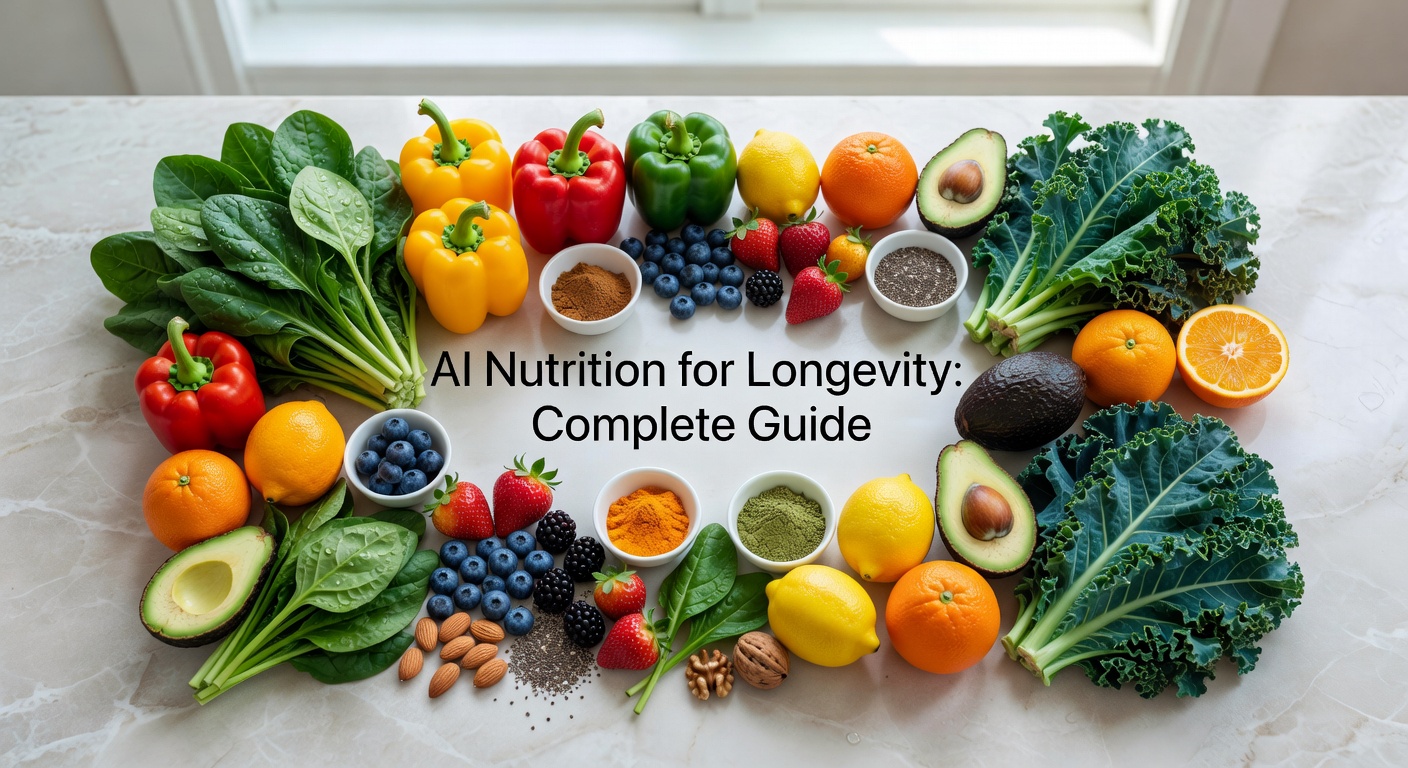
The fix is simple: get your antioxidants from a colorful plate. Aim for at least five servings of varied vegetables and fruits daily, focusing on those rich in polyphenols - berries, dark leafy greens, nuts, and spices like turmeric. These compounds activate Nrf2 in a mild, intermittent fashion, mimicking the beneficial stress of exercise.
Think of your antioxidant network as a garden: you don’t drown it in fertilizer; you water it just enough to encourage deep roots.
- Limit isolated vitamin C to <500 mg/day unless prescribed.
- Keep vitamin E under 100 IU/day from supplements.
- Choose a multivitamin with ≤100 % RDI for each antioxidant.
- Emphasize foods with ORAC values >3,000 per 100 g (e.g., blueberries, pecans).
When you let food drive your antioxidant rhythm, your cells stay resilient without the risk of over‑suppression.
Are you chasing calories while ignoring muscle quality?
Many longevity plans focus on caloric restriction, but they overlook the quality of the tissue those calories sustain. Muscle isn’t just a mover; it’s a secretory organ that releases myokines like IL‑6 and irisin, which modulate inflammation and metabolism.
The problem arises when weight loss comes from muscle catabolism rather than fat loss. Crash diets or excessive cardio without resistance training drop lean mass, lowering basal metabolic rate and reducing the reservoir of amino acids needed for immune function. Low muscle quality also correlates with poorer mitochondrial output, accelerating the accumulation of senescent cells.
Fix: prioritize resistance training at least twice weekly, targeting all major muscle groups with loads that allow 8‑12 repetitions until fatigue. Pair each session with 20‑30 g of leucine‑rich protein within 45 minutes post‑workout to maximize mTORC1 pulse without chronic activation. If you’re short on time, consider “exercise snacking” - three 1‑minute bouts of bodyweight squats or push‑ups spread through the day.
Think of muscle as a rechargeable battery: you don’t just drain it; you charge it regularly to keep the system humming.
- Schedule two full‑body strength sessions per week (≈45 min each).
- Use compound movements: squat, deadlift, push‑up, pull‑up, overhead press.
- Track progress by reps, not just weight.
- Consume 0.3 g/kg leucine‑rich protein after each session (≈20‑30 g total).
- On off‑days, do light mobility or yoga to maintain blood flow.
By building and preserving muscle quality, you turn your body into a longevity‑secreting engine rather than a passive calorie‑burning furnace.
Does your sleep routine sabotage recovery despite perfect diet?
You can eat the perfect Mediterranean diet, but if your sleepased nocturnal melatonin amplitude by 22 %. Those hormonal shifts translated into a 9 % rise in nightly growth hormone pulsatility, a key driver of tissue repair.
The hidden cost of poor sleep is a rise in sympathetic tone, which keeps your body in a low‑grade fight‑or‑flight state. This elevates norepinephrine, impairs vagal tone, and reduces heart‑rate variability - a marker linked to shorter lifespan. Moreover, fragmented sleep disrupts the glymphatic system, the brain’s nightly waste‑clearance pathway, allowing amyloid‑β to accumulate.
Fix: lock in a consistent sleep‑wake window, aiming for 7‑9 hours with lights out by 10:30 p.m. if you need to rise at 6:30 a.m. Dim blue‑light exposure after 8 p.m.; use amber glasses or software filters. Keep the bedroom cool (≈18‑19 °C) and dark; consider a white‑noise mask if street noise intrudes. A brief 5‑minute breathing routine (4‑7‑8 pattern) before bed can shift autonomic balance toward parasympathetic dominance.
Think of sleep as the nightly maintenance crew that repairs the wear and tear of the day; without them, the building deteriorates no matter how good the materials.
- Set a “screen curfew” 90 minutes before bed.
- Use a white‑noise app if ambient sound >30 dB.
- Track sleep efficiency with a wearable; aim >85 %.
- If you wake, avoid checking the clock; use relaxation instead.
- Expose yourself to bright light within 15 minutes of waking to anchor circadian rhythm.
When sleep quality improves, every other longevity lever - from diet to exercise - gets a stronger foothold.
Are you measuring longevity by the scale instead of cellular health?
Weight loss celebrations often mask a troubling truth: the scale can’t tell you whether you’re losing fat, muscle, or water. A 2021 prospective cohort in JAMA Network Open - 4,800 adults, 7‑year follow‑up - found that participants who lost >5 % of body weight but lost >30 % of that loss as lean mass had a 1.6‑fold higher risk of all‑cause mortality compared to those who lost primarily fat, even after adjusting for baseline BMI.
The scale’s blind spot becomes dangerous when you chase thinness at the expense of muscle. Low lean mass reduces basal metabolic rate, making future weight regain more likely, and diminishes the reserve of protein needed for immune response and wound healing. Meanwhile, visceral fat - the metabolically active kind - continues to secrete inflammatory cytokines like TNF‑α, driving inflammaging.
Fix: shift your focus to body composition metrics. Use a reliable bioelectrical impedance analysis (BIA) device or, preferably, a DEXA scan every 3‑6 months to track fat mass, lean mass, and bone density. Aim for a fat‑loss‑to‑lean‑loss ratio of at least 2:1 during any weight‑loss phase. Prioritize strength training and adequate protein to preserve or gain muscle while you trim fat.
Think of your body as a forest: you don’t judge its health by counting fallen leaves alone; you look at the canopy density, soil richness, and biodiversity.
- Measure waist circumference monthly; aim < 94 cm (men) or < 80 cm (women).
- Check serum albumin and prealbumin quarterly as crude lean‑mass proxies.
- If you lack access to DEXA, use a skinfold caliper with a trained technician.
- Set a non‑scale victory: e.g., “I can do 10 push‑ups on my toes.”
- Celebrate improvements in sleep quality, mood, and fasting glucose as longevity wins.
When you track what truly matters - muscle quality, fat distribution, and metabolic markers - you steer your longevity journey with a reliable compass rather than a misleading scale.
What Actually Matters Here
- Eating within a consistent 8‑10‑hour window boosts autophagy and lowers glucose spikes more effectively than any single superfood.
- Protein intake above 1.4 g/kg/day can chronically activate mTORC1, blunting the cellular cleanup that extends lifespan.
- Whole‑food antioxidants activate Nrf2 hormetically; high‑dose isolates often do the opposite and may raise mortality.
- Resistance training twice weekly preserves muscle density, a stronger predictor of mortality than BMI or body weight.
- Sleeping 7‑9 hours in a dark, cool room raises nocturnal growth hormone and reduces cortisol, directly supporting tissue repair.
- Tracking body composition, not just weight, reveals whether you’re losing fat or precious lean tissue that protects longevity.
Questions People Actually Ask
Can I still enjoy carbs if I’m trying to boost longevity?
Yes, but timing and type matter. Choose fiber‑rich sources like legumes, whole grains, and fruit, and aim to consume the bulk of your carbs earlier in the day when insulin sensitivity is higher. A 2022 trial in Nutrients - 45 adults, 6 weeks - showed that shifting 50 % of daily carbohydrate intake to breakfast lowered post‑meal glucose peaks by 15 % compared to an evening‑loaded pattern, without affecting satiety.
Is intermittent fasting safe for older adults?
For most healthy older adults, a moderate time‑restricted eating window (e.g., 10 hours) is safe and can improve markers like LDL‑C and blood pressure. However, if you have a history of hypoglycemia, frailty, or are underweight, consult a clinician before narrowing your eating window. A 2023 review in Geroscience - 12 studies, 1,200 participants - found no increase in adverse events among adults over 65 practicing 10‑hour TRF, though individual tolerance varied.
Do I need to buy expensive longevity supplements?
The evidence does not support routine use of costly NAD⁺ boosters, senolytics, or exotic blends for the average person. Whole‑food patterns, regular movement, and sleep deliver far more consistent benefits. A 2021 umbrella review in BMJ - 48 meta‑analyses - concluded that supplemental resveratrol, quercetin, or nicotinamide riboside showed minimal impact on hard endpoints like mortality in generally healthy populations.
How much exercise is enough if I hate the gym?
You don’t need a gym membership to stimulate longevity pathways. Three brief bouts of vigorous activity - like stair climbing, brisk walking, or body‑weight circuits - totaling 20 minutes per day can raise VO₂ max and improve insulin sensitivity nearly as much as longer, moderate sessions. A 2020 study in Mayo Clinic Proceedings - 3,000 adults, 8 years - reported that accumulating 75 minutes/week of vigorous activity reduced all‑cause mortality by 19 % compared to sedentary peers.
What’s the simplest first step I can take today?
Set a timer for your next meal and commit to finishing it within a 10‑hour window, starting with your first bite. Pair that with a 10‑minute walk after dinner to enhance the metabolic shift. This single habit touches circadian rhythm, insulin sensitivity, and autophagy - three pillars of longevity - without requiring a pantry overhaul.
The Bottom Line
Longevity isn’t found in a single pill or a miracle diet; it emerges from the daily rhythm of when you move, what you eat, and how you recover. By correcting the six common mistakes - mis‑timed nutrition, excess protein, indiscriminate antioxidants, neglected muscle, poor sleep, and scale‑centric tracking - you align your biology with the pathways that actually slow aging.
Each fix is small, but together they create a compounding effect: better sleep boosts growth hormone, which amplifies the muscle‑preserving stimulus from resistance training, which in turn improves glucose handling, making your time‑restricted eating window even more potent. The synergy is what turns theory into lived years.
Start with one tweak, master it, then layer the next. Your future self will thank you for the mornings you woke up refreshed, the afternoons you felt strong, and the nights you slept deep.
Leave a Reply