
Imagine a bustling, microscopic city within you, home to trillions of residents - bacteria, fungi, viruses, and archaea - collectively weighing as much as your brain, roughly three pounds. This intricate metropolis, your gut microbiome, directly influences over 70% of your immune system activity, a startling figure often overlooked amidst the hype. Yet, for all its profound importance, our understanding of gut health is frequently clouded by simplistic solutions and alluring, but often misleading, marketing claims. As a senior nutrition journalist for AINutry, I’ve seen countless trends come and go, each promising the definitive “fix” for this inner world. But what if much of what we think we know is, at best, incomplete, and at worst, actively steering us away from real, lasting change? Let’s peel back the layers and discover what actually moves the needle in this complex and fascinating domain, with a nod to how AI might, or might not, help us navigate it.
Table of Contents
- “Just Pop a Probiotic, You’ll Be Fine”: Why Gut Health Isn’t a Simple Pill-and-Forget Affair
- “All You Need is a Stool Test to Crack Your Gut Code”: Beyond the Bio-Hack Promises of Gut Mapping
- “There’s One Perfect Gut Diet (and it’s probably keto/vegan/paleo/carnivore)”: The Illusion of the Universal Gut Plan
- So, What Actually Moves the Needle for Your Gut Health?
- What Actually Matters Here
- Questions People Actually Ask
- The Bottom Line
“Just Pop a Probiotic, You’ll Be Fine”: Why Gut Health Isn’t a Simple Pill-and-Forget Affair
The probiotic industry is booming, a testament to our desire for quick fixes. Walk into any pharmacy or health food store, and you’re bombarded with bottles promising everything from better digestion to enhanced mood, all for the price of a daily capsule. The myth here is seductive: that you can simply swallow a pill, introduce some “good bacteria,” and magically restore balance to your complex internal ecosystem. It’s an appealing narrative, a simple solution to an increasingly complex problem, and it’s certainly fueled by aggressive marketing that often oversimplifies the science.
But here’s the rub: your gut isn’t a barren wasteland waiting for a few colonizers. It’s a densely populated, highly diverse community, and simply parachuting in a handful of common probiotic strains is often like trying to reforest the Amazon with a few potted plants from your local nursery. While some specific probiotic strains have shown promise for very specific conditions - for example, certain Lactobacillus and Bifidobacterium strains can reduce antibiotic-associated diarrhea, as noted by a 2016 meta-analysis in JAMA, reviewing 82 studies with over 11,000 participants - their impact on the broader microbial community, especially in healthy individuals, is often transient and limited. They’re more like tourists passing through than permanent residents setting up shop.
The real issue isn’t just about adding bacteria; it’s about cultivating an environment where beneficial bacteria can thrive, and a diverse range of them can coexist. Think of your gut as a garden. You can sprinkle some new seeds (probiotics), but if the soil quality (your diet, lifestyle, existing microbiome, stomach acid levels) is poor, those seeds won’t sprout and flourish. A single probiotic pill, no matter how potent, can’t fix a chronically unhealthy “soil.” The effects are highly individual, too; what works for one person might do nothing for another, a variability noted across several smaller human intervention studies (e.g., a 2018 study by Suez et al. in Cell demonstrated that probiotic colonization varied widely among individuals).
This is where the promise of AI nutrition could someday intersect, though we’re not there yet. Imagine an AI that could analyze your unique gut environment - not just who’s there, but what they’re doing - and then recommend not just a probiotic, but a specific combination of strains, prebiotics, and dietary changes precisely tailored to cultivate your internal garden. For now, however, relying solely on a probiotic pill without addressing foundational dietary and lifestyle factors is largely missing the point. It’s a band-aid on a systemic issue, a momentary boost that doesn’t address the core needs of your gut’s intricate network.
“All You Need is a Stool Test to Crack Your Gut Code”: Beyond the Bio-Hack Promises of Gut Mapping
The allure of personalized data is powerful. Companies offering direct-to-consumer gut microbiome testing have proliferated, promising to unlock the secrets of your health with a simple stool sample. The narrative is compelling: send in your poop, get a detailed report of your bacterial inhabitants, and receive actionable insights to optimize your gut. It taps into our desire for objective, data-driven solutions, and the idea that we can simply “hack” our biology. This belief has taken root because, conceptually, it makes sense: if the microbiome is so important, surely knowing its composition is the first step to improving gut health?
Yet, the reality is far more nuanced, and often, frustratingly opaque. While these tests provide a snapshot of the bacterial DNA in your stool, they don’t tell the whole story. First, stool samples primarily reflect the microbial community in the lower colon, not necessarily the small intestine or the gut lining itself, where much of the immune interaction occurs. Second, and crucially, mere presence doesn’t equal activity. A bacterium might be abundant but dormant, or rare but highly active, producing beneficial (or detrimental) compounds. A 2019 review by Marchesi et al. in Nature Reviews Gastroenterology & Hepatology highlighted these limitations, emphasizing that current sequencing technologies tell us ‘who’ is there, but not reliably ‘what’ they’re doing or ‘how much’ they’re doing it.
Even more challenging is the interpretation of the results. What constitutes a “healthy” microbiome? We don’t have a single, universal definition. Microbiome composition varies dramatically across individuals, geographies, and diets. A “low diversity” score, often flagged as problematic, might be normal for someone on a specific diet or with certain genetics. Moreover, the recommendations often provided with these tests are generic - “eat more fiber,” “reduce processed foods” - advice you could get for free. The specific, actionable insights that truly personalize your approach based on your unique microbial profile remain largely elusive for the average consumer, as the scientific community is still working to establish clear causal links between specific microbial patterns and clinical outcomes.
The AI Promise (and Current Limitations) in Microbiome Interpretation
This is precisely where AI holds monumental, yet currently unrealized, potential. Imagine an AI system trained on vast datasets encompassing not just microbiome profiles, but also diet, lifestyle, genetics, blood markers, and clinical outcomes from millions of individuals. Such an AI could, theoretically, identify subtle patterns and correlations that human researchers cannot, moving beyond simple taxonomy to functional insights. It could predict, for example, which specific dietary interventions would most effectively shift your microbiome towards a beneficial state for your unique physiology. However, we’re still collecting the quality and quantity of data needed to train such an AI effectively, and the ethical implications of handing over deeply personal biological information to algorithms are significant. For now, the best “gut code” interpretation often comes from paying close attention to your body’s signals and making well-established, evidence-based lifestyle changes.
“There’s One Perfect Gut Diet (and it’s probably keto/vegan/paleo/carnivore)”: The Illusion of the Universal Gut Plan
In our quest for optimal health, we often gravitate towards dietary dogma. The internet is awash with fervent advocates for specific eating styles: “Go keto for perfect digestion!” “Veganism is the only way to a healthy gut!” “Paleo will reset your system!” These claims are often supported by anecdotal evidence and passionate communities, and they take hold because they offer a clear, simple path in a world of overwhelming dietary choices. The myth here is that a singular, restrictive dietary template exists that will universally optimize everyone’s gut. It appeals to our desire for certainty and control, for a definitive answer to a complex biological question.
But the truth is far messier and infinitely more fascinating: there is no one-size-fits-all “perfect” gut diet. Our individual responses to food are incredibly diverse, influenced by our genetics, our environment, our stress levels, our sleep patterns, and critically, our unique starting microbiome. What makes one person thrive might cause another person significant distress. A 2015 study by Zeevi et al. in Cell, which tracked blood glucose responses to food in 800 individuals, dramatically demonstrated this variability, showing that even identical twins can have vastly different physiological reactions to the exact same meal. This concept extends directly to our gut microbes; they have their own preferences, and what fuels one person’s beneficial bacteria might starve another’s.
The focus on specific, restrictive diets often misses the fundamental principles that genuinely support a healthy gut. It’s not about eliminating entire food groups unless there’s a clinical necessity (like celiac disease with gluten). Instead, it’s about diversity, quality, and mindful consumption. A diet rich in a wide array of plant foods - fruits, vegetables, legumes, whole grains, nuts, and seeds - provides the diverse fibers and polyphenols that feed a broad spectrum of beneficial microbes. This microbial diversity, a hallmark of a robust gut ecosystem, is far more important than adhering to a rigid, often unsustainable, diet. A 2018 observational study in mSystems, examining the microbiomes of over 11,000 individuals, found a strong correlation between dietary diversity (especially plant-based foods) and a more diverse and resilient gut microbiome.
The potential role of AI in this context is to move us beyond these restrictive dogmas towards truly personalized nutrition. Imagine an AI that could learn your unique biological responses - blood sugar, inflammation markers, even changes in your microbiome (if we get those tests right) - to specific foods over time. It could then recommend, with precision, the foods and combinations that optimally support your individual gut and overall health, moving past broad generalizations. This is the promise of truly AI-driven nutrition: not to enforce a “perfect” diet, but to discover *your* perfect diet, allowing for much greater flexibility and sustainability. Until then, remember that the most successful “gut diet” is likely the one that includes a wide variety of whole, unprocessed foods that make *you* feel good, physically and mentally.
So, What Actually Moves the Needle for Your Gut Health?
After debunking some pervasive myths, you might be asking: if it’s not just a pill, not just a test, and not just one diet, then what *is* it? The truth is both simpler and more profound than the marketing suggests. It’s about a consistent, holistic approach that respects the intricate, dynamic nature of your inner ecosystem. These aren’t flashy bio-hacks; they are foundational pillars, refined through centuries of human experience and increasingly validated by rigorous science. This isn’t about perfection, but about persistent, mindful effort.
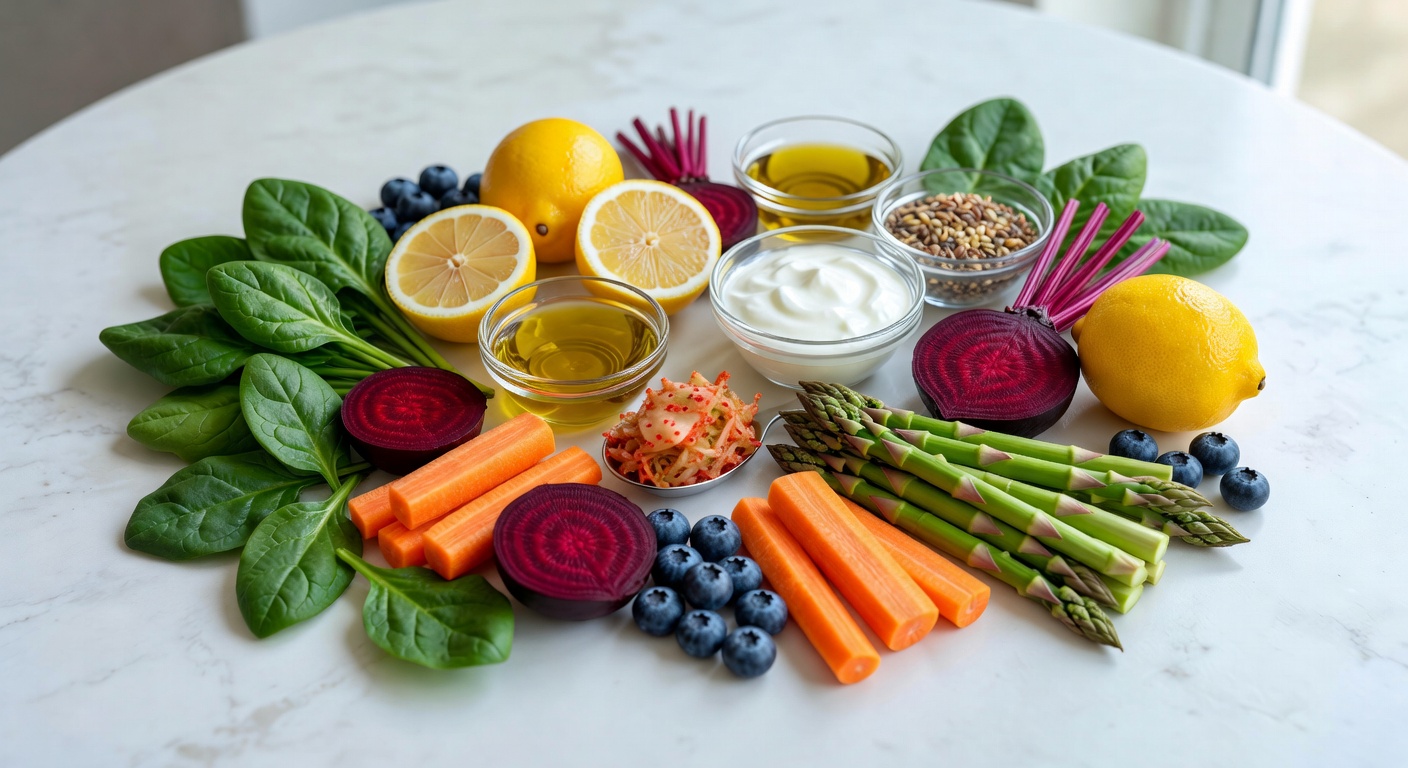
The science points to several key levers that genuinely influence your gut health. First and foremost, it’s about what you eat, but more specifically, the diversity and quality of it. Your gut microbes thrive on fiber - the more varied the sources, the better. Think of your gut as a rainforest, and fiber as its diverse canopy, supporting myriad life forms. Different types of fiber feed different strains of bacteria, leading to a more robust and resilient ecosystem. We’re talking about everything from berries and leafy greens to legumes, nuts, seeds, and whole grains. Polyphenols, those vibrant compounds in colorful plants, dark chocolate, and coffee, also play a vital role, acting as fuel and signals for beneficial microbes. A 2017 review in Nutrients highlighted the crucial role of dietary polyphenols in modulating the gut microbiome and reducing inflammation.
Beyond fiber, consider fermented foods. These are food products that have undergone controlled microbial growth, often containing live beneficial bacteria themselves, along with unique metabolic byproducts. Think sauerkraut, kimchi, kefir, and yogurt with live cultures. While they may not permanently colonize your gut like a targeted probiotic, they introduce transient beneficial microbes and their fermentation products, which can have a positive impact on gut immunity and microbial diversity. A 2021 randomized controlled trial (RCT) by Wastyk et al. in Cell, involving 36 healthy adults over 10 weeks, found that a high-fermented-food diet increased microbiome diversity and decreased inflammatory markers.
But gut health isn’t solely about food. Your brain and your gut are in constant conversation via the gut-brain axis, a bidirectional highway of nerves and biochemicals. This means stress, sleep, and movement all play critical roles. Chronic stress can alter gut motility, permeability, and even microbial composition, as demonstrated by animal studies (e.g., Bailey et al., 2011, Brain, Behavior, and Immunity). Prioritizing adequate, restorative sleep and incorporating regular physical activity are powerful, non-pharmacological interventions for a balanced gut. Furthermore, avoiding unnecessary antibiotics and other medications that disrupt the microbiome, along with environmental toxins, contributes significantly. This holistic perspective acknowledges that your inner ecosystem is inextricably linked to your external environment and your mental state. Here, AI could eventually provide personalized stress management techniques, analyzing your physiological responses to aid your gut-brain axis.
- Eat a Rainbow of Plants: Aim for 30+ different plant foods per week. Each plant type offers unique fibers and phytonutrients, feeding different beneficial microbes.
- Embrace Fermented Foods: Regularly include diverse fermented options like kefir, kimchi, sauerkraut, and kombucha. Start small and listen to your body.
- Manage Stress Intelligently: Implement daily stress-reduction practices - meditation, deep breathing, spending time in nature. Your gut feels what your mind feels.
- Prioritize Sleep: Aim for 7-9 hours of quality sleep nightly. Sleep deprivation directly impacts gut barrier function and microbial balance.
- Move Your Body: Regular, moderate exercise can positively influence gut microbiome diversity and reduce inflammation.
- Mindful Eating: Chew thoroughly, eat slowly, and pay attention to hunger and fullness cues. This optimizes digestion and nutrient absorption.
Understanding these interconnected factors is the true path to fostering a thriving gut, far more effective than chasing singular, isolated solutions. It’s a commitment to nourishing your entire self, recognizing that your gut is the ultimate beneficiary.
What Actually Matters Here
- Your gut microbiome is vastly more complex than just “good” and “bad” bacteria; it’s a diverse ecosystem of trillions, influencing everything from immunity to mood.
- Probiotic supplements are not a universal fix; their effectiveness is highly strain-specific and often transient, making dietary prebiotics and fermented foods generally more impactful for broad gut health.
- Current direct-to-consumer gut microbiome tests offer a snapshot, but often lack the actionable, personalized insights needed for meaningful change beyond general healthy eating advice. The science of interpretation is still evolving.
- There is no single “perfect” diet for everyone’s gut. Individual responses to food are highly variable, making dietary diversity and personalized principles more effective than restrictive dogma.
- True gut health stems from a holistic approach encompassing diverse whole foods, stress management, quality sleep, and regular movement - these fundamental lifestyle factors are far more powerful than any single supplement or cleanse.
- AI nutrition’s greatest promise lies not in replacing human understanding, but in eventually offering hyper-personalized insights based on vast, integrated biological data that we are only beginning to collect and interpret.
Questions People Actually Ask
Is AI truly ready to give me personalized gut health advice?
Not yet, not in a truly comprehensive or clinically validated way for the average consumer. While AI can process vast amounts of data and identify patterns, the datasets available for training on personalized gut health, especially linking specific microbial profiles to precise dietary interventions and long-term health outcomes, are still nascent and often lack the necessary rigor. We’re in an exciting foundational phase, but AI’s role is currently more about research and pattern identification than delivering definitive, individual treatment plans.
Can a “gut reset” or “cleanse” really fix my gut in a few days?
The idea of a quick “gut reset” or “cleanse” is largely a marketing construct, not a scientific reality. Your gut ecosystem is a dynamic, complex system that doesn’t “reset” overnight. While some dietary changes can lead to rapid symptomatic relief or shifts in microbial composition, sustained positive change requires consistent, long-term habits. Many cleanses involve restrictive diets or laxatives that can be more disruptive than beneficial, potentially starving off diverse microbes rather than nurturing them. Focus on sustainable, evidence-based practices over fleeting fads.
How quickly can I expect to see improvements in my gut health once I start making changes?
The timeline for improvements varies significantly from person to person, depending on your starting point, the severity of your issues, and the consistency of your efforts. Some people report digestive relief (less bloating, more regular bowel movements) within days or a couple of weeks of significant dietary changes, especially increasing fiber or incorporating fermented foods. Broader changes, like increased microbial diversity or stronger gut barrier function, can take several weeks to months to manifest. Remember, the goal is not a quick fix, but a sustained shift towards better health.
Should I avoid gluten or dairy for better gut health, even if I don’t have an allergy?
Not necessarily. Unless you have a diagnosed allergy (like celiac disease for gluten, or a true dairy allergy) or clear, consistent symptoms of intolerance (which should ideally be confirmed with a healthcare professional), there’s no universal need to eliminate these foods. For many, whole grains (containing gluten) and dairy products can be valuable sources of fiber, prebiotics, and nutrients that actually support a healthy gut. Restrictive diets, without a clear medical reason, can sometimes lead to nutrient deficiencies and reduce overall microbial diversity. Listen to your body and consult with an expert before making drastic dietary changes.
Are prebiotics more important than probiotics?
It’s not an “either/or” situation; both play roles, but prebiotics often get less attention than they deserve. Prebiotics are specialized plant fibers that selectively feed beneficial bacteria already present in your gut, essentially fertilizing your internal garden. They foster the growth of your native, well-adapted microbes. Probiotics, on the other hand, introduce new (often transient) strains. For broad, foundational gut health, consistently consuming a diverse range of prebiotic-rich foods (e.g., garlic, onions, leeks, asparagus, bananas, oats) is arguably more important than relying solely on probiotic supplements, as it directly supports the existing beneficial community. Think of prebiotics as the essential food supply that keeps your beneficial gut residents happy and thriving.
The Bottom Line
The journey to optimal gut health is not a sprint, nor is it paved with singular, miraculous solutions. It’s a continuous exploration, a nuanced dance between what we consume, how we live, and the microscopic universe within us. We’ve seen how easily we can fall prey to appealing myths - the magic pill, the definitive test, the perfect diet - all of which oversimplify a biological reality that thrives on diversity, consistency, and individual tailoring. The true path forward asks us to step beyond the hype and embrace a more holistic, informed perspective, built on established scientific principles rather than fleeting trends.
As we look to the horizon, the intersection of AI and nutrition holds immense promise. Imagine a future where AI, fed with your unique biological data, could truly personalize your gut health roadmap, guiding you not just on what to eat, but how to live, sleep, and manage stress for your individual thriving. But until that sophisticated future arrives, the power remains firmly in your hands, grounded in the timeless wisdom of diverse, whole foods and mindful living. Your gut isn’t just a digestive organ; it’s a vital, intelligent partner in your overall well-being.
Ultimately, fostering a resilient gut ecosystem is an act of self-care, a profound investment in your immune system, your mood, and your energy. It’s about cultivating a thriving internal garden, one thoughtful choice at a time, and trusting that the deeper scientific understanding, aided by emerging technologies like AI, will continue to illuminate the way. Stay curious, stay informed, and most importantly, listen to your gut.
{EMAIL_CTA}
{DISCLAIMER}
Leave a Reply