
The landscape of nutrition is constantly evolving, with new scientific discoveries and technological advancements reshaping how we approach our health. Among the most talked-about trends are AI-powered nutrition and the anti-inflammatory diet, each promising pathways to improved well-being. But in a world awash with dietary advice, which approach holds more weight, and which is truly “better”? The answer, as with most things in nutrition, is nuanced and deeply personal. While an estimated 6 in 10 adults in the U.S. live with a chronic disease, many of which are linked to inflammation, the global personalized nutrition market, driven by AI, is projected to reach billions by 2030, highlighting a clear demand for tailored solutions.
Understanding AI-Powered Nutrition
AI-powered nutrition represents the cutting edge of dietary science, leveraging sophisticated algorithms and vast datasets to provide highly personalized dietary recommendations. Unlike traditional one-size-fits-all diets, AI nutrition aims to create a dietary blueprint that is unique to an individual’s biology, lifestyle, and health goals.
At its core, AI nutrition platforms collect and analyze an incredible array of personal data. This can include genetic information (genomics), which reveals predispositions to certain nutrient deficiencies or metabolic responses; microbiome data, offering insights into gut health and its impact on digestion and immunity; wearable device data, tracking activity levels, sleep patterns, and heart rate; and even conventional health records, symptom logs, and dietary preferences. Machine learning algorithms then process this complex tapestry of information to identify patterns, predict individual responses to different foods, and formulate precise dietary and lifestyle interventions.
The goals of AI nutrition are ambitious: to optimize metabolic function, prevent chronic diseases, enhance athletic performance, manage weight effectively, and improve overall vitality. For instance, an AI might recommend specific foods rich in certain nutrients based on your genetic markers, suggest optimal meal timings derived from your activity data, or even identify foods that could exacerbate inflammation based on your microbiome profile. Some advanced systems offer real-time feedback, adapting recommendations as your data changes - perhaps suggesting a different snack based on your current blood sugar levels or modifying your exercise plan after a poor night’s sleep.
The promise of AI nutrition lies in its ability to move beyond general dietary guidelines to a level of precision previously unimaginable. It seeks to eliminate the guesswork, offering actionable insights that are theoretically tailored to maximize individual health outcomes. By understanding the intricate interplay between your unique biology and the food you consume, AI aims to unlock a new era of proactive and preventive health management.
However, AI-powered nutrition is not without its limitations. The quality of recommendations is directly tied to the quality and quantity of data input; incomplete or inaccurate data can lead to suboptimal advice. Data privacy and security are paramount concerns, as these platforms handle highly sensitive personal information. Furthermore, the technology is still evolving, and while individual components (like genetic testing or microbiome analysis) have strong scientific backing, the efficacy of fully integrated AI systems in long-term health outcomes is an ongoing area of research. Accessibility can also be a barrier, as advanced testing and subscription services can be costly, and effective utilization often requires a degree of technological literacy.
The Anti-inflammatory Diet: Core Principles
In contrast to the high-tech, data-driven approach of AI nutrition, the anti-inflammatory diet is a time-tested dietary pattern rooted in decades of nutritional science. It focuses on consuming whole, unprocessed foods known for their anti-inflammatory properties while limiting foods that are generally recognized as pro-inflammatory.
What You Eat
The anti-inflammatory diet emphasizes a wide array of nutrient-dense foods. Key components include:
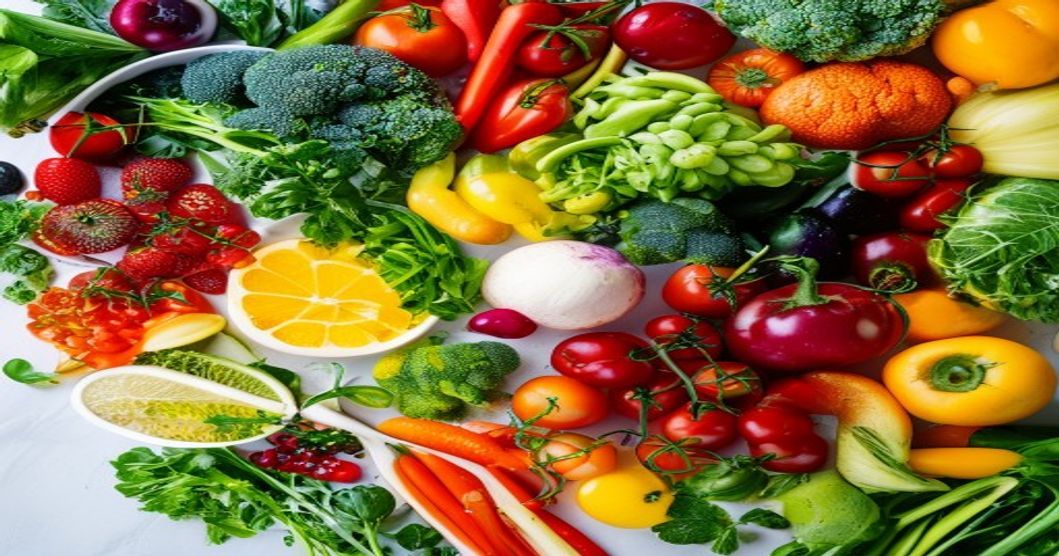
- Fruits and Vegetables: Abundant in antioxidants, vitamins, minerals, and fiber. Berries, leafy greens (spinach, kale), broccoli, bell peppers, and tomatoes are particularly beneficial due to their high content of phytonutrients like flavonoids and carotenoids.
- Whole Grains: Such as oats, quinoa, brown rice, and whole wheat, which provide fiber that supports gut health and helps stabilize blood sugar, preventing inflammatory spikes.
- Healthy Fats: Monounsaturated fats found in olive oil, avocados, and nuts, and especially omega-3 fatty acids from fatty fish (salmon, mackerel, sardines), flaxseeds, and walnuts. Omega-3s are crucial for their direct anti-inflammatory effects.
- Lean Proteins: Fish, poultry, legumes (beans, lentils), and plant-based proteins like tofu and tempeh. These provide essential amino acids without the inflammatory compounds often associated with processed meats.
- Nuts and Seeds: Almonds, walnuts, chia seeds, and flaxseeds offer healthy fats, fiber, and antioxidants.
- Legumes: Beans, lentils, and chickpeas are excellent sources of fiber, plant-based protein, and various micronutrients.
- Herbs and Spices: Turmeric (with its active compound curcumin), ginger, garlic, and cinnamon are renowned for their potent anti-inflammatory properties.
Conversely, the anti-inflammatory diet advises limiting or avoiding:
- Processed Foods: High in unhealthy fats, refined sugars, and artificial ingredients that can trigger systemic inflammation.
- Refined Sugars and High-Fructose Corn Syrup: Found in sodas, candies, pastries, and many packaged foods, these can contribute to oxidative stress and inflammation.
- Unhealthy Fats: Trans fats (found in some fried foods and baked goods) and excessive saturated fats (from red meat, full-fat dairy, and some processed foods) are linked to increased inflammation.
- Refined Grains: White bread, white rice, and pasta, which lack fiber and can cause rapid blood sugar spikes.
- Excessive Alcohol: Can increase gut permeability and contribute to systemic inflammation.
- Red and Processed Meats: Often high in saturated fat and advanced glycation end products (AGEs), which can promote inflammation.
The Science Behind It
The scientific rationale behind the anti-inflammatory diet is robust and multi-faceted. Inflammation is a natural immune response, crucial for healing injuries and fighting infections (acute inflammation). However, when inflammation becomes chronic - persistent and low-grade - it can silently damage tissues and organs, contributing to a host of debilitating conditions, including heart disease, type 2 diabetes, autoimmune disorders (like rheumatoid arthritis), certain cancers, and neurodegenerative diseases.
The foods recommended in an anti-inflammatory diet work through several mechanisms to mitigate this chronic inflammation:
- Antioxidants: Fruits, vegetables, and spices are rich in antioxidants that combat oxidative stress, a key driver of inflammation. Oxidative stress occurs when there’s an imbalance between free radicals and the body’s ability to neutralize them, leading to cellular damage.
- Omega-3 Fatty Acids: These essential fats are precursors to resolvins and protectins, specialized pro-resolving mediators that actively turn off inflammatory responses, promoting healing and tissue repair.
- Fiber: Found abundantly in whole grains, legumes, fruits, and vegetables, fiber supports a healthy gut microbiome. A balanced gut flora produces beneficial short-chain fatty acids (SCFAs) that have systemic anti-inflammatory effects and strengthen the gut barrier, preventing inflammatory compounds from entering the bloodstream.
- Phytochemicals: Plant compounds like polyphenols (found in berries, green tea, olive oil) and curcumin (from turmeric) directly modulate inflammatory pathways, inhibiting the production of pro-inflammatory cytokines and enzymes.
- Blood Sugar Regulation: By emphasizing complex carbohydrates and limiting refined sugars, the anti-inflammatory diet helps stabilize blood sugar levels, preventing the inflammatory response triggered by rapid glucose spikes.
Numerous studies have linked adherence to anti-inflammatory dietary patterns (such as the Mediterranean diet, which is inherently anti-inflammatory) with reduced markers of inflammation, lower risk of chronic diseases, and improved outcomes in individuals already suffering from inflammatory conditions. It’s a holistic approach that supports the body’s natural defense systems through wholesome, nourishing foods.
Side-by-Side Comparison
Personalization
AI Nutrition: Offers the highest degree of personalization. By analyzing individual data points like genetics, microbiome, activity levels, and preferences, AI can generate meal plans, nutrient recommendations, and even supplement suggestions that are theoretically perfectly tailored to an individual’s unique biological and lifestyle profile. This level of dynamic adaptation means recommendations can evolve as your health status or goals change, providing a truly bespoke nutritional strategy. It aims to answer not just “what to eat,” but “what is optimal for *you* right now.”
Anti-inflammatory Diet: Provides a strong framework of general principles, but personalization is largely self-directed. Individuals choose specific foods within the broad categories (e.g., choosing salmon over sardines, or spinach over kale) based on taste, availability, and personal tolerance. While effective for many, it doesn’t account for individual genetic variations in nutrient metabolism or specific microbiome imbalances that AI can identify. It’s a highly adaptable template, but not inherently custom-built for each unique physiology.
Scientific Evidence
AI Nutrition: The scientific evidence for the efficacy of *integrated* AI nutrition platforms is still emerging. While the underlying components (e.g., the impact of genetics on nutrient response, the role of the microbiome in health) are supported by extensive research, demonstrating the long-term health benefits of complex AI-driven dietary interventions as a whole is an active area of study. Challenges include conducting large-scale, long-term randomized controlled trials for highly individualized interventions. The potential is immense, but robust, peer-reviewed evidence for specific AI systems is still being accumulated and refined.
Anti-inflammatory Diet: Benefits from a vast and well-established body of scientific evidence. Decades of epidemiological, observational, and intervention studies have consistently linked dietary patterns rich in anti-inflammatory foods (like the Mediterranean diet) to reduced markers of inflammation, lower risk of chronic diseases (cardiovascular disease, type 2 diabetes, certain cancers, autoimmune conditions), and improved longevity. The mechanisms by which specific nutrients and food groups exert anti-inflammatory effects are well-understood and extensively documented in nutritional science.
Real-World Adherence
AI Nutrition: Adherence can be a mixed bag. The hyper-personalization can be highly motivating for some, as they feel the plan is specifically designed for them. The convenience of app-based tracking, meal planning, and grocery lists can also boost adherence. However, the requirement for consistent data input (e.g., logging meals, syncing wearables), the complexity of understanding detailed scientific rationales, and the potential for feeling overly reliant on technology can be barriers for others. The novelty and perceived “cutting-edge” nature can also lead to initial high adherence that wanes over time if results aren’t immediately apparent or if the system feels too demanding.
Anti-inflammatory Diet: Adherence often depends on an individual’s commitment to cooking, meal planning, and label reading. For those who enjoy preparing fresh, whole foods, it can be a highly sustainable and enjoyable way of eating. The clear, intuitive principles (eat more plants, healthy fats, whole grains; reduce processed foods, sugar) make it relatively easy to understand. However, for individuals accustomed to highly processed diets or those with limited time for meal preparation, transitioning to an anti-inflammatory diet can feel restrictive or challenging. Social situations and dining out can also present hurdles, requiring conscious choices.
Cost & Accessibility
AI Nutrition: Can be significantly more expensive. Costs often include subscriptions to AI platforms, the expense of initial genetic or microbiome testing kits, and potentially specialized supplements recommended by the AI. Accessibility is also limited by technological literacy, reliable internet access, and the availability of these services in different regions. While some basic AI nutrition apps might be affordable, comprehensive, data-driven systems typically come at a premium.
Anti-inflammatory Diet: Generally more accessible and can be very budget-friendly. It emphasizes whole, unprocessed foods, which are often cheaper than their processed counterparts, especially when purchased in season or in bulk. There are no subscription fees or specialized tests required. Accessibility depends more on geographical factors (e.g., access to fresh produce in food deserts) than on technological or financial barriers. It is a universal approach that can be adopted by almost anyone, regardless of income or tech proficiency.
Who Benefits Most From AI Nutrition?
AI nutrition is particularly well-suited for individuals who:
- Seek Extreme Precision: Athletes, bodybuilders, or individuals with very specific performance or body composition goals who want to optimize every nutritional input.
- Have Complex Health Conditions: Those struggling with chronic issues that haven’t responded to conventional dietary approaches, where a highly tailored plan based on their unique biology might offer new insights. This could include complex autoimmune conditions or metabolic disorders.
- Are Data Enthusiasts and Early Adopters: Individuals who are comfortable with technology, enjoy tracking data, and are eager to explore cutting-edge solutions for health and wellness.
- Are Struggling to Find “What Works”: People who have tried various general diets without sustained success and are looking for a truly individualized approach to break through plateaus.
- Have the Financial and Technological Resources: As AI nutrition can be a premium service, those with the means to invest in advanced testing and subscription platforms will benefit most.
For these individuals, AI nutrition offers the potential to unlock a deeper understanding of their body’s needs, leading to highly optimized and effective dietary strategies that go beyond general guidelines.
Who Benefits Most From Anti-inflammatory Diet?
The anti-inflammatory diet is a highly beneficial approach for a broad spectrum of people, especially those who:
- Have Chronic Inflammatory Conditions: Individuals diagnosed with conditions like rheumatoid arthritis, inflammatory bowel disease (IBD), psoriasis, or metabolic syndrome, where reducing systemic inflammation is a primary therapeutic goal.
- Are At Risk of Chronic Diseases: Those with a family history of heart disease, type 2 diabetes, or certain cancers, who are looking for a preventive, evidence-backed dietary strategy.
- Seek a Sustainable, Holistic Eating Pattern: People who prefer a less complex, more intuitive approach to healthy eating that emphasizes whole foods and long-term well-being rather than short-term fixes.
- Are Budget-Conscious: As it focuses on affordable whole foods, it’s an excellent option for those who want to eat healthily without breaking the bank.
- Value Simplicity and Accessibility: Individuals who prefer to avoid complex technological interfaces or expensive testing, and instead rely on widely available, natural foods.
- Aim for General Health Improvement: Anyone looking to boost their overall health, energy levels, and immune function through a well-established and scientifically supported dietary framework.
The anti-inflammatory diet provides a robust and accessible foundation for improving health and preventing disease through dietary choices, making it a powerful tool for the majority of the population.
Can You Combine Both?
Absolutely, and for many, combining the foundational principles of an anti-inflammatory diet with the personalization capabilities of AI nutrition represents the optimal approach. Rather than viewing them as competing philosophies, it’s more productive to see them as complementary tools in your health arsenal.
Imagine using AI as a sophisticated lens through which to refine and personalize your anti-inflammatory eating pattern. Here’s how they can synergize:
- Personalized Anti-inflammatory Food Choices: An AI platform could analyze your genetic data to identify specific anti-inflammatory foods that are particularly beneficial for *your* metabolism, or pinpoint potential food sensitivities that could trigger inflammation in your unique system, even within generally “healthy” categories.
- Optimized Nutrient Timing: AI can leverage your activity data and sleep patterns to recommend the best times to consume anti-inflammatory meals and snacks, maximizing nutrient absorption and minimizing inflammatory responses related to blood sugar fluctuations.
- Microbiome-Targeted Interventions: If your microbiome analysis reveals specific imbalances, AI could suggest particular prebiotic fibers or probiotic foods (which are often anti-inflammatory) to rebalance your gut flora, thereby enhancing your body’s natural anti-inflammatory capabilities.
- Tracking and Feedback: AI platforms can help track your adherence to an anti-inflammatory diet, monitor your progress (e.g., changes in inflammatory markers if relevant lab data is input), and provide real-time adjustments or encouragement, making the journey more engaging and effective.
- Supplement Recommendations: While the anti-inflammatory diet focuses on food, AI might recommend specific anti-inflammatory supplements (like a particular form of omega-3 or curcumin) at dosages tailored to your individual needs, based on your data and deficiencies.
- Recipe and Meal Planning: AI can generate anti-inflammatory recipes and meal plans that adhere to your personal preferences, dietary restrictions, and caloric needs, making it easier to stick to the diet without feeling overwhelmed by choice.
In this combined approach, the anti-inflammatory diet provides the broad, evidence-based guidelines for what constitutes a healthy, inflammation-reducing eating pattern. AI then steps in to fine-tune these guidelines, making them exquisitely precise for your individual biology. This allows you to leverage the proven benefits of whole, anti-inflammatory foods while gaining the cutting-edge insights and optimization offered by advanced technology. It’s about building a strong, scientifically sound foundation and then using intelligent tools to build the most efficient and effective structure on top of it.
Key Takeaways
- The anti-inflammatory diet offers a well-established, evidence-based framework for reducing chronic inflammation and preventing disease through whole foods.
- AI nutrition provides unparalleled personalization, leveraging individual biological data to create highly tailored and dynamic dietary recommendations.
- While AI nutrition’s integrated efficacy is still building its evidence base, the anti-inflammatory diet is supported by decades of robust scientific research.
- AI nutrition can be more costly and requires technological engagement, whereas the anti-inflammatory diet is generally accessible and budget-friendly.
- The anti-inflammatory diet is ideal for general health improvement and chronic disease management, while AI nutrition best serves those seeking extreme precision or struggling with complex, unresponsive conditions.
- Combining both approaches, using AI to personalize and optimize an anti-inflammatory dietary pattern, likely offers the most comprehensive and effective path to optimal health for many.
Whether you choose the proven path of the anti-inflammatory diet or the cutting-edge precision of AI nutrition, or ideally, a synergistic blend of both, the journey towards better health is a personal one. Understanding your options and making informed choices is the first step towards a healthier, more vibrant you. Explore how AI can enhance your nutritional journey today at ainutry.online.
Frequently Asked Questions
Who should consider AI Nutrition for their dietary needs?
AI Nutrition is particularly beneficial for individuals seeking highly personalized dietary plans tailored to their unique genetics, microbiome, and lifestyle data. It can be a valuable tool for those with specific health goals or complex dietary restrictions who have found generic advice insufficient.
What are the potential safety concerns or downsides of relying solely on AI nutrition recommendations?
Over-reliance on AI without human oversight can lead to a lack of empathy, address emotional eating patterns, or adapt to real-life social contexts. There are also potential concerns regarding data privacy and the accuracy of AI algorithms, especially if not validated by clinical research.
How does an anti-inflammatory diet specifically help reduce inflammation in the body?
An anti-inflammatory diet reduces inflammation by emphasizing foods rich in antioxidants, omega-3 fatty acids, and fiber, such as fruits, vegetables, whole grains, and fatty fish. Simultaneously, it limits pro-inflammatory foods like processed sugars, refined carbohydrates, and unhealthy fats, which can trigger inflammatory responses.
Can AI Nutrition effectively replace the guidance of a registered dietitian or nutritionist for an anti-inflammatory diet?
While AI Nutrition can provide data-driven insights and personalized meal plans, it generally serves as a powerful tool rather than a complete replacement for a human expert. A registered dietitian offers nuanced understanding, behavioral counseling, and can adapt plans for complex health conditions or individual preferences that AI might miss.
What are the key differences in the approach and outcomes between AI-driven nutrition plans and a traditional anti-inflammatory diet?
AI-driven nutrition offers hyper-personalization based on individual biological data, aiming for optimal health outcomes by precisely tailoring macronutrient ratios and food choices. In contrast, a traditional anti-inflammatory diet follows broader, evidence-based principles focused on reducing systemic inflammation through general food categories and patterns.
Leave a Reply