
Did you know that a staggering 70% of adults in the US are living with at least one chronic disease, many of which are linked to inflammation? This highlights the critical need for effective dietary strategies. While the anti-inflammatory diet has long been a cornerstone of promoting health and combating chronic conditions, a new frontier is emerging: AI-powered nutrition. This article delves into a comprehensive comparison, exploring the strengths, weaknesses, and potential synergies between these two powerful approaches to optimizing your health.
Understanding AI-Powered Nutrition
AI-powered nutrition represents a paradigm shift in how we approach dietary guidance. Instead of relying on generalized recommendations, AI leverages sophisticated algorithms and vast datasets to create highly individualized meal plans and nutritional advice. At its core, AI-powered nutrition seeks to understand your unique biological makeup, lifestyle, and health goals to deliver recommendations that are precisely tailored to you. This involves analyzing a multitude of factors, which can include:
- Genomic Data: Your genetic predispositions can influence how your body metabolizes certain nutrients, your risk of specific diseases, and your response to different foods. AI can interpret this complex genetic information to inform dietary choices.
- Microbiome Analysis: The trillions of microorganisms residing in your gut play a crucial role in digestion, immunity, and even mood. AI can analyze your gut microbiome profile to recommend foods that promote a healthy and balanced microbial ecosystem.
- Biometric Data: Continuous glucose monitors (CGMs), wearable fitness trackers, and other biometric devices provide real-time data on your body’s responses to food, exercise, and sleep. AI can process this dynamic information to make immediate adjustments to your diet.
- Blood Biomarkers: Regular blood tests can reveal levels of various nutrients, inflammatory markers, cholesterol, and other indicators of health. AI can integrate these clinical findings into personalized recommendations.
- Dietary History & Preferences: AI systems can learn your eating habits, food likes and dislikes, allergies, intolerances, and cultural dietary practices to create plans that are not only effective but also sustainable and enjoyable.
- Lifestyle Factors: Sleep patterns, stress levels, physical activity, and even environmental exposures can all impact your nutritional needs. AI can factor these into its recommendations.
The output of AI-powered nutrition platforms can range from simple food suggestions and recipe ideas to comprehensive meal plans, macronutrient breakdowns, and even predictions about how certain foods might affect your body. The goal is to move beyond one-size-fits-all advice and provide a truly personalized roadmap to optimal health.
The Anti-inflammatory Diet: Core Principles
The anti-inflammatory diet is not a strict, rigid plan with a list of forbidden foods. Instead, it’s a dietary pattern focused on consuming foods that help reduce chronic inflammation in the body, a process implicated in a wide range of diseases, including heart disease, diabetes, arthritis, certain cancers, and neurodegenerative disorders. It emphasizes whole, unprocessed foods and limits those known to promote inflammation.
What You Eat
The foundation of an anti-inflammatory diet is built upon:
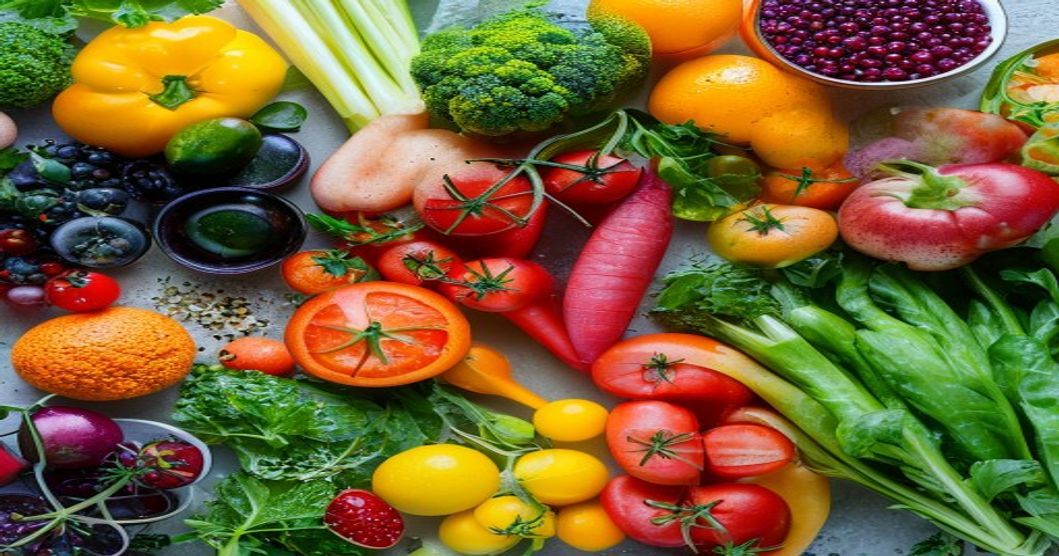
- Fruits and Vegetables: Rich in antioxidants, vitamins, minerals, and fiber, these are the cornerstones. Particular emphasis is placed on brightly colored produce like berries, leafy greens (spinach, kale), cruciferous vegetables (broccoli, cauliflower), and tomatoes.
- Healthy Fats: Omega-3 fatty acids are potent anti-inflammatories. Excellent sources include fatty fish (salmon, mackerel, sardines), flaxseeds, chia seeds, and walnuts. Monounsaturated fats found in olive oil, avocados, and nuts are also beneficial.
- Whole Grains: Opt for unprocessed grains like oats, quinoa, brown rice, and barley, which provide fiber and essential nutrients.
- Lean Proteins: Fatty fish, poultry, legumes (beans, lentils), and nuts offer protein without the saturated fat often found in red meat.
- Herbs and Spices: Many herbs and spices, such as turmeric, ginger, garlic, cinnamon, and rosemary, possess significant anti-inflammatory properties.
Conversely, the diet advises limiting or avoiding:
- Processed Foods: Packaged snacks, convenience meals, and fast food often contain high levels of unhealthy fats, refined sugars, and artificial ingredients that can promote inflammation.
- Refined Carbohydrates and Sugars: White bread, pastries, sugary drinks, and sweets can lead to rapid blood sugar spikes, contributing to inflammation.
- Unhealthy Fats: Trans fats (found in some processed and fried foods) and excessive saturated fats (found in red meat, butter, and full-fat dairy) should be minimized.
- Excessive Red and Processed Meats: These can be high in saturated fat and compounds that may promote inflammation.
- Alcohol: While moderate consumption of certain types of alcohol may have some benefits, excessive intake is pro-inflammatory.
The Science Behind It
The anti-inflammatory diet’s efficacy is rooted in the biochemical mechanisms by which certain foods interact with the body. Key players include:
- Antioxidants: These compounds neutralize free radicals, unstable molecules that can damage cells and trigger inflammatory responses. Fruits, vegetables, and spices are packed with antioxidants like vitamins C and E, beta-carotene, and polyphenols.
- Omega-3 Fatty Acids: These healthy fats are precursors to molecules that actively reduce inflammation. They compete with omega-6 fatty acids (often abundant in Western diets from vegetable oils like corn and soybean) for metabolic pathways, shifting the balance towards an anti-inflammatory state.
- Fiber: Soluble and insoluble fiber from whole grains, fruits, vegetables, and legumes supports a healthy gut microbiome. A balanced gut microbiome is critical for regulating immune responses and can significantly influence systemic inflammation.
- Phytonutrients: These plant compounds, often responsible for the vibrant colors of fruits and vegetables, have diverse anti-inflammatory and antioxidant effects. For example, curcumin in turmeric and gingerols in ginger are well-researched for their potent anti-inflammatory properties.
By consistently consuming these beneficial foods and limiting pro-inflammatory ones, the body can better manage its inflammatory processes, leading to reduced pain, improved organ function, and a lower risk of chronic disease development and progression.
Side-by-Side Comparison
Personalization
AI-Powered Nutrition: This is where AI truly shines. Its ability to process vast amounts of individual data (genetics, microbiome, biometrics, lifestyle) allows for an unparalleled level of personalization. Recommendations are dynamic, adapting to real-time changes in your body and environment. For instance, an AI might suggest a specific post-workout meal based on your blood glucose response and activity level, or adjust your fiber intake based on your gut microbiome composition.
Anti-inflammatory Diet: While the principles are universal, the application is less personalized. It provides a framework of generally beneficial and detrimental foods. Individuals must then apply these principles to their own tastes, preferences, and dietary restrictions. While one can certainly tailor the *types* of fruits, vegetables, and lean proteins consumed, the underlying dietary patterns remain broadly the same for everyone aiming to reduce inflammation.
Scientific Evidence
AI-Powered Nutrition: The scientific evidence for AI-powered nutrition is still emerging but rapidly growing. Studies are demonstrating its effectiveness in improving specific health markers like blood sugar control, weight management, and even athletic performance. The underlying AI algorithms are based on established nutritional science, but the direct impact of the AI-driven *delivery* of that science is a newer area of research. The strength lies in the AI’s ability to synthesize and apply complex scientific knowledge to an individual.
Anti-inflammatory Diet: The anti-inflammatory diet is backed by a substantial and robust body of scientific evidence. Decades of research have established the link between dietary patterns, inflammation, and the development of chronic diseases. Numerous studies, including large-scale epidemiological research and randomized controlled trials, have demonstrated its benefits for conditions like cardiovascular disease, type 2 diabetes, rheumatoid arthritis, and metabolic syndrome. The mechanisms of action for many of its core components (e.g., omega-3s, antioxidants) are well-understood.
Real-World Adherence
AI-Powered Nutrition: Adherence can be a significant strength. By providing convenient, personalized meal plans, recipes, and even grocery lists, AI can simplify the process of eating healthily. The dynamic feedback loop, where users see the impact of their food choices, can also be highly motivating. However, adherence can be challenged by the cost of advanced AI platforms, the need for consistent data input (e.g., wearing devices, logging meals), and potential user skepticism or over-reliance on technology.
Anti-inflammatory Diet: Adherence to the anti-inflammatory diet can be challenging due to the significant dietary changes required for some individuals. It necessitates a shift away from common convenience foods and potentially unfamiliar ingredients. However, its emphasis on delicious, whole foods and its flexibility in terms of specific food choices can make it more sustainable long-term for many. Success often depends on education, practical cooking skills, and strong motivation to manage health proactively.
Cost & Accessibility
AI-Powered Nutrition: Currently, many advanced AI-powered nutrition platforms and services can be expensive, requiring subscriptions for access to sophisticated algorithms and personalized coaching. The need for specialized testing (e.g., genetic, microbiome) can also add to the initial cost. As the technology matures and becomes more widespread, costs are likely to decrease, and accessibility will improve.
Anti-inflammatory Diet: The core principles of the anti-inflammatory diet can be very accessible. Focusing on whole, unprocessed foods like fruits, vegetables, legumes, and whole grains can often be more economical than a diet high in processed foods and red meat, especially if one prioritizes seasonal produce and cooks at home. However, certain “superfoods” or specialty ingredients (e.g., wild-caught salmon, specific supplements) can increase costs. Overall, it’s generally more accessible than cutting-edge AI nutrition services.
Who Benefits Most From AI Nutrition?
AI-powered nutrition is particularly beneficial for individuals who:
- Have complex health conditions: Those managing multiple chronic diseases or with unique metabolic challenges can benefit from highly precise, data-driven interventions.
- Are seeking peak performance: Athletes, high-achievers, or individuals aiming to optimize cognitive function and energy levels can leverage AI to fine-tune their nutrition for specific goals.
- Are technologically inclined: People who are comfortable using apps, wearables, and engaging with data will find AI platforms intuitive and effective.
- Have tried other dietary approaches without success: When generalized advice hasn’t yielded results, AI’s personalized approach can uncover hidden dietary triggers or optimal nutrient combinations.
- Are interested in cutting-edge health optimization: Early adopters of technology and those eager to explore the future of personalized health will find AI nutrition appealing.
Who Benefits Most From Anti-inflammatory Diet?
The anti-inflammatory diet is an excellent choice for individuals who:
- Are looking to prevent or manage chronic diseases: This diet is a cornerstone for reducing the risk and improving outcomes for conditions like heart disease, diabetes, arthritis, and autoimmune disorders.
- Experience chronic pain or inflammation-related symptoms: Many individuals report significant relief from joint pain, digestive issues, fatigue, and skin conditions by adopting this eating pattern.
- Want to improve their overall well-being: Even without specific health concerns, adopting an anti-inflammatory diet can lead to increased energy, better mood, and improved sleep.
- Prefer a more holistic and less technologically dependent approach: Those who prefer to focus on food choices and understand the general principles of healthy eating will find this diet empowering.
- Are looking for a sustainable, long-term lifestyle change: The emphasis on whole, nutrient-dense foods makes it a sustainable approach for lifelong health.
Can You Combine Both?
Absolutely! The most powerful approach to optimizing your health is often a synergistic one. AI-powered nutrition can act as a sophisticated amplifier for the principles of an anti-inflammatory diet. Imagine:
- An AI platform analyzing your genetic predisposition to inflammation and your current gut microbiome, then recommending specific anti-inflammatory foods (e.g., certain types of berries, fatty fish, pre-biotic rich vegetables) that are most beneficial *for you*.
- Your AI system, informed by your blood glucose data, suggesting meal timings and food combinations that not only reduce inflammation but also maintain stable energy levels throughout the day, aligning with anti-inflammatory principles.
- Using AI to generate anti-inflammatory recipes that cater to your specific macronutrient targets, calorie needs, and even your culinary preferences, making adherence to an anti-inflammatory lifestyle easier and more enjoyable.
In this combined model, AI provides the hyper-personalization, while the anti-inflammatory diet offers the foundational framework of evidence-based dietary recommendations for reducing inflammation. This integration allows for a more precise, effective, and sustainable path to achieving optimal health.
Key Takeaways
- AI-powered nutrition offers unparalleled personalization by integrating genetic, microbiome, biometric, and lifestyle data.
- The anti-inflammatory diet is a scientifically validated dietary pattern focused on whole foods to reduce chronic inflammation.
- AI excels in data-driven precision and dynamic adjustments, while the anti-inflammatory diet provides a robust, evidence-based dietary framework.
- Adherence to AI nutrition can be high due to convenience and feedback, but may involve higher costs and technological requirements.
- The anti-inflammatory diet is generally more accessible and can be a sustainable lifestyle change for many, with strong scientific backing for disease prevention and management.
- Combining AI-powered nutrition with anti-inflammatory diet principles can create a highly personalized and effective approach to health optimization.
Ready to explore the future of personalized nutrition and discover how AI can enhance your health journey? Visit AINutry.online to learn more and start your path to a healthier you.
Frequently Asked Questions
Who benefits most from choosing AI-powered nutrition instead of a standard anti-inflammatory diet?
AI-powered nutrition is particularly beneficial for individuals seeking highly personalized dietary guidance based on their unique biological data, such as genetics, microbiome, and lifestyle. This approach can optimize outcomes for specific health goals or conditions where a general anti-inflammatory diet might not be sufficiently tailored.
Is AI-powered nutrition a safe and evidence-based approach for managing inflammation compared to established anti-inflammatory diets?
While AI-powered nutrition offers a promising personalized approach, its long-term safety and efficacy for managing inflammation are still areas of ongoing research. Established anti-inflammatory diets have a broader evidence base, but AI aims to enhance these principles by tailoring them to individual biological markers, potentially leading to more precise and effective interventions.
How does AI-powered nutrition determine specific food recommendations differently from the general principles of an anti-inflammatory diet?
AI-powered nutrition leverages individual data like genomics, microbiome analysis, and metabolic markers to generate highly specific food recommendations. In contrast, an anti-inflammatory diet relies on broader categories of foods known to reduce inflammation, such as fruits, vegetables, and omega-3s, without individual biological customization.
Can AI-powered nutrition be used to enhance an existing anti-inflammatory diet, or does it replace it entirely?
AI-powered nutrition can effectively enhance an existing anti-inflammatory diet by refining food choices and portion sizes based on an individual’s unique biological responses. Rather than replacing it, AI can personalize the anti-inflammatory principles, making the diet more targeted and potentially more effective for specific health outcomes.
Leave a Reply