
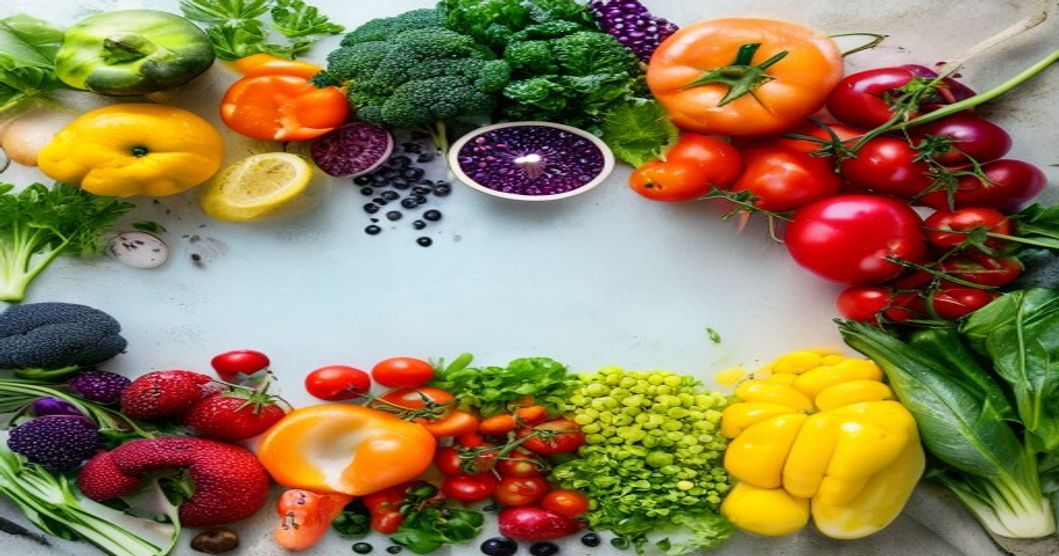
Did you know that personalized nutrition has the potential to improve health outcomes by up to 70% compared to generic dietary advice? Meanwhile, the Mediterranean diet, a time-tested eating pattern, consistently ranks as one of the healthiest globally.
Understanding AI-Powered Nutrition
Artificial intelligence (AI) in nutrition represents a paradigm shift from one-size-fits-all dietary recommendations to highly individualized plans. At its core, AI nutrition leverages sophisticated algorithms and vast datasets to analyze an individual’s unique biological, lifestyle, and genetic makeup. This allows for the creation of dietary strategies that are precisely tailored to optimize health, prevent disease, and achieve specific wellness goals.
The process typically begins with data collection. This can include a wide range of information, such as:
- Biometric data: Blood pressure, heart rate, sleep patterns, body composition (fat percentage, muscle mass), and results from blood tests (cholesterol levels, blood sugar, vitamin deficiencies, hormone levels).
- Genetic information: Nutrigenomics, the study of how genes interact with diet, can reveal predispositions to certain nutrient deficiencies, intolerances, or metabolic pathways.
- Lifestyle factors: Physical activity levels, stress management techniques, work schedules, dietary preferences, allergies, intolerances, and even gut microbiome composition.
- Health goals: Weight management, improved athletic performance, managing chronic conditions (like diabetes or heart disease), enhanced cognitive function, or simply overall well-being.
Once this data is gathered, AI algorithms process it to identify patterns and correlations that might be missed by human analysis alone. These algorithms can then predict how an individual will respond to different foods and nutrients, taking into account their unique metabolic profile. The output is a dynamic, personalized nutrition plan that can adapt over time as the individual’s needs and goals evolve. For example, an AI system might recommend specific types of fiber for gut health based on a microbiome analysis, or adjust protein intake based on activity levels and muscle recovery needs. It can also provide real-time feedback, meal suggestions, and even track progress, offering continuous support and guidance.
The promise of AI nutrition lies in its ability to move beyond broad dietary guidelines and address the intricate biological nuances of each person. It aims to make nutrition more effective, efficient, and sustainable by aligning dietary intake with individual needs at a molecular level.
The Mediterranean Diet: Core Principles
The Mediterranean diet is not a rigid, prescribed set of rules but rather an eating pattern inspired by the traditional culinary habits of people living in countries bordering the Mediterranean Sea, such as Greece, Italy, Spain, and Morocco. It has been studied extensively for decades and is consistently lauded for its health benefits, particularly in reducing the risk of cardiovascular disease, type 2 diabetes, and certain cancers.
What You Eat
The foundation of the Mediterranean diet is built upon whole, unprocessed foods. Key components include:
- Abundant fruits and vegetables: A wide variety of colorful produce, eaten fresh, cooked, or in salads, providing essential vitamins, minerals, fiber, and antioxidants.
- Whole grains: Bread, pasta, rice, and other grains in their unrefined forms, offering complex carbohydrates, fiber, and B vitamins.
- Legumes: Beans, lentils, and peas are a staple, providing plant-based protein, fiber, and iron.
- Nuts and seeds: Almonds, walnuts, sunflower seeds, and others are consumed regularly, contributing healthy fats, protein, and micronutrients.
- Olive oil: Extra virgin olive oil is the primary source of added fat, rich in monounsaturated fats and polyphenols. It’s used for cooking, dressing, and as a general fat source.
- Fish and seafood: Consumed regularly (at least twice a week), particularly fatty fish like salmon, sardines, and mackerel, which are excellent sources of omega-3 fatty acids.
- Moderate dairy: Yogurt and cheese are consumed in moderation, often as part of meals or snacks.
- Poultry and eggs: Eaten in moderate amounts, typically a few times a week.
- Red meat: Consumed infrequently, usually only a few times a month.
- Herbs and spices: Used liberally to flavor food, reducing the need for salt.
- Wine: Moderate consumption of red wine, typically with meals, is traditional but not essential for health benefits.
Emphasis is also placed on enjoying meals with others, mindful eating, and incorporating regular physical activity into daily life.
The Science Behind It
The health benefits of the Mediterranean diet are attributed to several synergistic factors:
- High intake of monounsaturated fats: Primarily from olive oil, these fats help improve cholesterol profiles by increasing HDL (good) cholesterol and lowering LDL (bad) cholesterol.
- Rich in omega-3 fatty acids: From fish and some nuts/seeds, these fats have anti-inflammatory properties and are crucial for cardiovascular and brain health.
- Abundant antioxidants and phytochemicals: Found in fruits, vegetables, olive oil, and herbs, these compounds combat oxidative stress and inflammation, which are underlying factors in many chronic diseases.
- High fiber content: From whole grains, legumes, fruits, and vegetables, fiber supports digestive health, promotes satiety, and helps regulate blood sugar levels.
- Low in saturated and trans fats: By limiting red meat and processed foods, the diet naturally reduces intake of unhealthy fats that contribute to heart disease.
- Nutrient density: The emphasis on whole foods ensures a broad spectrum of essential vitamins and minerals, supporting overall bodily functions.
Numerous large-scale epidemiological studies and randomized controlled trials have consistently demonstrated the Mediterranean diet’s effectiveness in preventing and managing chronic conditions, including heart disease, stroke, type 2 diabetes, certain cancers, and neurodegenerative diseases like Alzheimer’s.
Side-by-Side Comparison
Both AI nutrition and the Mediterranean diet offer compelling pathways to improved health, but they approach this goal from fundamentally different angles. Here’s a direct comparison:
Personalization
AI Nutrition: This is the cornerstone of AI-powered nutrition. It aims to create a dietary plan that is as unique as your fingerprint. By analyzing your specific genetic makeup, microbiome, metabolic responses, lifestyle, and health goals, AI can create highly individualized recommendations. This means that two people with the same health goal might receive vastly different meal plans and nutrient targets. The system can also adapt in real-time, adjusting recommendations based on your daily activity, sleep quality, or even stress levels.
Mediterranean Diet: While not rigidly prescriptive, the Mediterranean diet offers a framework of healthy eating principles. It’s a pattern that has been observed to be beneficial for populations. It’s inherently adaptable to individual preferences and cultural variations within the Mediterranean region. However, it doesn’t delve into the granular, molecular-level personalization that AI can provide. It’s more about adopting a lifestyle and food philosophy than a precisely calculated nutrient intake for an individual.
Scientific Evidence
AI Nutrition: The scientific evidence supporting AI nutrition is still emerging. While the underlying principles of personalized nutrition are well-supported (e.g., the impact of genetics on nutrient metabolism, the benefits of specific micronutrients for certain individuals), the effectiveness of AI algorithms in reliably predicting individual responses and delivering optimal outcomes is an active area of research. Studies are ongoing to validate the long-term efficacy and safety of AI-driven dietary interventions across diverse populations and health conditions.
Mediterranean Diet: The scientific evidence supporting the Mediterranean diet is exceptionally robust and extensive. Decades of research, including large-scale prospective cohort studies and landmark randomized controlled trials like the PREDIMED study, have consistently demonstrated its profound benefits for cardiovascular health, metabolic syndrome, type 2 diabetes, and overall longevity. Its efficacy is well-established across various demographics and geographical locations.
Real-World Adherence
AI Nutrition: Adherence to AI-generated plans can vary. The hyper-personalization can make the diet feel more relevant and achievable for some, as it directly addresses their specific needs and preferences. However, the complexity of data collection, the reliance on technology, and the potential for overly restrictive or unfamiliar recommendations could pose challenges for others. The dynamic nature of AI plans can also be both a benefit (adaptability) and a challenge (requiring constant engagement).
Mediterranean Diet: The Mediterranean diet is generally considered highly sustainable and enjoyable. Its emphasis on delicious, whole foods, social dining, and flexibility makes it easier to integrate into everyday life for many people. It doesn’t typically involve strict calorie counting or the elimination of entire food groups (except for infrequent consumption of red meat). Its cultural relevance and the pleasure derived from its culinary traditions contribute significantly to long-term adherence.
Cost & Accessibility
AI Nutrition: Currently, AI nutrition services can be expensive. They often involve specialized software, wearable devices, genetic testing, and consultations with nutrition professionals who are trained in AI platforms. While the cost is likely to decrease as the technology matures and becomes more widespread, it remains a barrier for many. Accessibility is also dependent on technological literacy and access to devices and internet connectivity.
Mediterranean Diet: The Mediterranean diet can be very cost-effective, especially when focusing on whole, seasonal, and locally sourced foods. Staples like legumes, whole grains, fruits, and vegetables are often more affordable than processed foods or expensive supplements. While high-quality olive oil and fresh fish can add to the cost, it’s possible to adhere to the principles on a budget. Its accessibility is high, as it relies on readily available food items and a flexible approach to meal preparation.
Who Benefits Most From AI Nutrition?
AI nutrition is likely to offer the greatest advantages to individuals who:
- Have complex health conditions: People managing multiple chronic diseases, or those with genetic predispositions to specific metabolic issues, may find tailored AI plans more effective than generic advice.
- Are seeking highly specific performance goals: Athletes, bodybuilders, or individuals aiming for peak cognitive function might benefit from the precision offered by AI in optimizing nutrient timing, macronutrient ratios, and micronutrient intake for their unique physiology.
- Are struggling with conventional diets: Individuals who have tried numerous diets with limited success might find that the deep personalization of AI nutrition addresses underlying factors that were previously overlooked.
- Are tech-savvy and data-driven: Those who are comfortable with technology, enjoy tracking their progress, and appreciate data-informed decision-making will likely embrace AI nutrition platforms.
- Have the financial resources: Given the current cost of advanced AI nutrition services, those with disposable income will be the primary beneficiaries.
Who Benefits Most From Mediterranean Diet?
The Mediterranean diet is a universally beneficial eating pattern, but it particularly shines for those who:
- Are looking for a sustainable, long-term lifestyle change: Its emphasis on enjoyable, whole foods makes it easy to adopt and maintain for a lifetime.
- Are focused on cardiovascular health and longevity: The extensive evidence supporting its role in preventing heart disease, stroke, and promoting a longer, healthier life makes it an excellent choice.
- Prefer a less restrictive approach: The Mediterranean diet allows for flexibility and enjoyment of a wide variety of foods, without the strict rules or calorie counting often associated with other diets.
- Want to improve overall well-being and energy levels: The nutrient-dense nature of the diet naturally boosts energy, improves digestion, and enhances general health.
- Are on a budget: By focusing on staple whole foods, the Mediterranean diet can be an affordable and healthy choice for many.
Can You Combine Both?
Absolutely! The most powerful approach to nutrition often lies in synergy. Combining the principles of the Mediterranean diet with the insights of AI nutrition can create a truly optimized and personalized health strategy.
Imagine this: An AI system analyzes your genetic data, gut microbiome, and blood markers. It identifies that you have a slightly higher genetic predisposition to inflammation and a gut imbalance that hinders the absorption of certain B vitamins. Simultaneously, your AI plan recommends a diet that is rich in anti-inflammatory foods and provides specific probiotics, aligning perfectly with the core tenets of the Mediterranean diet. Your AI might then suggest incorporating more fatty fish (like salmon, a Mediterranean staple) for omega-3s, specific types of leafy greens for folate, and a higher intake of legumes for prebiotic fiber, all while fitting within the Mediterranean framework of whole grains, healthy fats from olive oil, and plenty of fruits and vegetables.
The AI can provide the granular, individualized targets and recommendations, while the Mediterranean diet offers a delicious, sustainable, and well-researched framework for achieving those targets. This combination leverages the best of both worlds: the scientific backing and broad health benefits of the Mediterranean pattern, enhanced by the precision and adaptability of AI-driven personalization.
Key Takeaways
- AI nutrition offers hyper-personalization, tailoring dietary advice to an individual’s unique biological, genetic, and lifestyle factors.
- The Mediterranean diet is a well-researched, sustainable eating pattern rich in whole foods, known for its extensive cardiovascular and longevity benefits.
- While AI nutrition’s evidence base is still developing, the Mediterranean diet has decades of robust scientific validation.
- The Mediterranean diet is generally more accessible and cost-effective than current AI nutrition services.
- AI nutrition is best suited for individuals with complex health needs, specific performance goals, or those who have struggled with conventional diets and have the resources.
- The Mediterranean diet is ideal for those seeking a sustainable, enjoyable, and broadly beneficial lifestyle change for long-term health and disease prevention.
For a deeper dive into personalized nutrition and to explore how you can optimize your diet for your unique needs, visit AINutry.online.
Frequently Asked Questions
What are the key differences between AI nutrition and the Mediterranean diet for weight loss?
AI nutrition utilizes algorithms to personalize meal plans based on individual data, potentially offering more tailored calorie and macronutrient targets. The Mediterranean diet, on the other hand, emphasizes whole foods like fruits, vegetables, and healthy fats, which can also promote weight loss through satiety and nutrient density.
Are there specific supplements recommended for the Mediterranean diet, and if so, what dosage?
While the Mediterranean diet is rich in nutrients, some individuals may consider supplements like Vitamin D or Omega-3 fatty acids, especially if dietary intake is insufficient. Dosages should always be discussed with a healthcare professional to ensure they are appropriate for your individual needs and health status.
Can AI nutrition apps recommend specific meal timings or supplement schedules?
Many AI nutrition platforms can suggest meal timings based on your lifestyle and goals, and some may even integrate supplement reminders. However, the optimal timing for supplements is highly individual and best determined in consultation with a doctor or registered dietitian.
What are the potential safety concerns or side effects of following an AI-generated diet plan compared to the Mediterranean diet?
AI-generated diets can sometimes be overly restrictive or lack essential nutrients if the algorithm isn’t sophisticated enough, potentially leading to deficiencies or disordered eating patterns. The Mediterranean diet is generally considered very safe and well-tolerated due to its focus on whole, unprocessed foods.
How does the Mediterranean diet address nutrient deficiencies, and are supplements ever necessary?
The Mediterranean diet is naturally rich in vitamins, minerals, and antioxidants from its emphasis on plant-based foods, fish, and olive oil, making deficiencies less common. However, in certain cases, such as with limited sun exposure or specific dietary restrictions, supplements like Vitamin D or B12 might be recommended by a healthcare provider.
Leave a Reply