
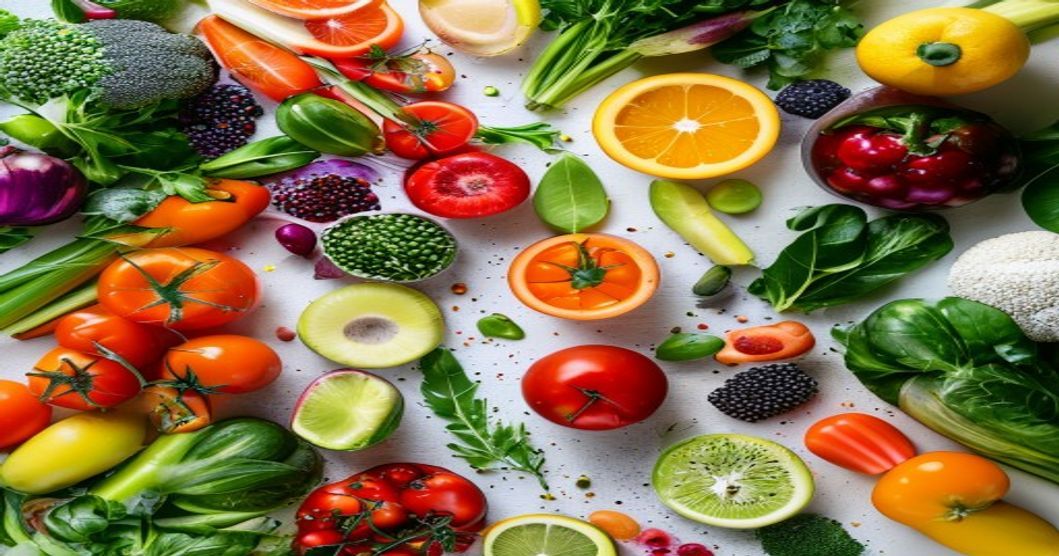
Imagine a world where your plate is perfectly tailored to your unique genetic makeup, lifestyle, and health goals. This isn’t science fiction anymore; it’s the promise of AI-powered nutrition. On the other hand, for centuries, a dietary pattern celebrated for its remarkable health benefits has stood the test of time: the Mediterranean diet. With a staggering 92% of adults in the US reporting they are trying to eat healthier, the question arises: how do these two approaches stack up?
Understanding AI-Powered Nutrition
AI-powered nutrition represents a paradigm shift in how we approach dietary guidance. It leverages the power of artificial intelligence, machine learning, and vast datasets to create highly individualized nutrition plans. Unlike traditional one-size-fits-all dietary advice or even generic macro/micronutrient targets, AI systems analyze a multitude of personal data points to offer precise recommendations.
The core of AI-powered nutrition lies in its ability to process complex information that would be overwhelming for a human to synthesize. This data can include:
- Genetic Predispositions: Analyzing an individual’s DNA to understand how they metabolize certain nutrients, their risk for specific diet-related diseases, and their optimal macronutrient ratios.
- Biometric Data: Incorporating real-time data from wearable devices (like smartwatches and fitness trackers) that monitor heart rate, sleep patterns, activity levels, and even stress markers.
- Blood Biomarkers: Integrating results from blood tests, which can reveal nutrient deficiencies, hormonal imbalances, inflammation markers, and other crucial health indicators.
- Microbiome Analysis: Understanding the composition of an individual’s gut bacteria, which plays a significant role in nutrient absorption, immune function, and even mood.
- Lifestyle Factors: Considering dietary preferences, allergies, intolerances, cooking skills, budget, work schedule, and cultural background to ensure practicality and sustainability.
- Health Goals: Tailoring recommendations for specific objectives such as weight management, muscle gain, improved athletic performance, managing chronic conditions (like diabetes or heart disease), or enhanced cognitive function.
AI algorithms then use this comprehensive profile to generate dynamic meal plans, suggest specific foods and portion sizes, and even provide real-time feedback and adjustments. This iterative process allows the plan to evolve as the individual’s body and circumstances change, ensuring continuous optimization. The goal is not just to provide a static diet but a continuously learning and adapting nutritional strategy.
The Mediterranean Diet: Core Principles
The Mediterranean diet is not a rigid, prescriptive diet but rather a dietary pattern inspired by the traditional eating habits of people in countries bordering the Mediterranean Sea, such as Greece, Italy, Spain, and Morocco. Its longevity and widespread recognition stem from its emphasis on whole, unprocessed foods and a lifestyle that promotes well-being.
What You Eat
The cornerstone of the Mediterranean diet is a focus on plant-based foods, with animal products consumed in moderation. Key components include:
- Abundant Fruits and Vegetables: A wide variety of colorful, seasonal produce forms the base of most meals.
- Whole Grains: Including bread, pasta, rice, and cereals made from whole grains.
- Legumes: Beans, lentils, peas, and chickpeas are a vital source of protein and fiber.
- Nuts and Seeds: Almonds, walnuts, sunflower seeds, and pumpkin seeds are consumed regularly as snacks or added to meals.
- Healthy Fats: Extra virgin olive oil is the primary source of added fat, used for cooking, dressing salads, and dipping.
- Fish and Seafood: Consumed regularly, particularly fatty fish rich in omega-3 fatty acids.
- Dairy: Moderate consumption of yogurt and cheese, often fermented.
- Poultry: Consumed in moderation.
- Red Meat: Eaten infrequently.
- Wine: Moderate consumption, typically with meals (optional).
- Herbs and Spices: Used generously to flavor food, reducing the need for salt.
Crucially, the Mediterranean diet also emphasizes lifestyle factors such as regular physical activity, sharing meals with others, and enjoying food mindfully.
The Science Behind It
The health benefits of the Mediterranean diet are supported by a vast body of scientific research, consistently demonstrating its efficacy in promoting longevity and preventing chronic diseases. Its positive impact is attributed to several key mechanisms:
- Rich in Antioxidants and Anti-inflammatory Compounds: The abundance of fruits, vegetables, olive oil, and herbs provides a potent dose of antioxidants (like polyphenols) and anti-inflammatory agents that combat oxidative stress and inflammation, which are underlying factors in many chronic diseases.
- High Fiber Content: The emphasis on whole grains, legumes, fruits, and vegetables contributes a substantial amount of dietary fiber. Fiber aids digestion, promotes satiety, helps regulate blood sugar levels, and supports a healthy gut microbiome.
- Healthy Fat Profile: The prevalence of monounsaturated fats from olive oil and polyunsaturated fats (including omega-3s) from fish and nuts helps improve cholesterol profiles, reduce triglyceride levels, and support cardiovascular health.
- Low in Saturated and Trans Fats: By limiting red meat and processed foods, the diet naturally reduces intake of unhealthy fats that can contribute to heart disease.
- Nutrient Density: The focus on whole foods ensures a rich supply of vitamins, minerals, and other essential micronutrients crucial for overall health and bodily functions.
- Gut Microbiome Modulation: The high fiber and polyphenol content from plant-based foods can positively influence the diversity and composition of the gut microbiota, leading to improved gut health and potentially broader systemic benefits.
Numerous large-scale epidemiological studies and randomized controlled trials have linked adherence to the Mediterranean diet with reduced risk of cardiovascular disease, type 2 diabetes, certain cancers, neurodegenerative diseases like Alzheimer’s, and improved overall mortality.
Side-by-Side Comparison
While both AI-powered nutrition and the Mediterranean diet aim to improve health through dietary means, their approaches, underlying principles, and applications differ significantly.
Personalization
AI-Powered Nutrition: This is where AI truly shines. Its core strength is hyper-personalization. It delves into individual genetic, metabolic, and lifestyle data to create a plan that is uniquely yours. If you have a specific gene variant that affects folate metabolism, or if your sleep patterns indicate a need for more magnesium, an AI system can account for this. Recommendations are dynamic, adapting to real-time changes in your body and environment.
Mediterranean Diet: The Mediterranean diet is a pattern, not a personalized prescription. While it offers a framework for healthy eating that is broadly applicable and beneficial to most people, it doesn’t account for individual genetic variations, specific micronutrient needs based on blood work, or real-time biometric data. It’s a generalized approach to healthy eating that can be adapted to individual preferences within its core principles.
Scientific Evidence
AI-Powered Nutrition: The scientific evidence for AI-powered nutrition is still emerging and rapidly evolving. While the underlying technologies (AI, genetics, microbiome analysis) are scientifically validated, the specific algorithms and their efficacy in translating complex data into optimal dietary outcomes are under continuous research and development. The long-term, large-scale studies on specific AI-driven dietary interventions are less mature compared to established dietary patterns.
Mediterranean Diet: The Mediterranean diet boasts an extensive and robust body of scientific evidence spanning decades. Numerous high-quality epidemiological studies and randomized controlled trials have consistently demonstrated its benefits for cardiovascular health, metabolic syndrome, diabetes prevention, and overall longevity. Its efficacy is well-established and widely accepted by the scientific and medical communities.
Real-World Adherence
AI-Powered Nutrition: Adherence to AI-powered nutrition can be highly variable. While personalization can increase engagement and motivation, the complexity of data required (e.g., genetic testing, regular biometric tracking) can be a barrier for some. The dynamic nature of AI plans might also require significant adaptation and learning for users. Success hinges on the user’s willingness and ability to provide data and follow often precise, sometimes novel, recommendations.
Mediterranean Diet: The Mediterranean diet is generally considered highly sustainable and enjoyable, leading to good long-term adherence for many. Its emphasis on delicious, whole foods, social eating, and flexibility within its principles makes it less restrictive and more adaptable to various cultures and lifestyles. The lack of strict calorie counting or elimination of entire food groups (beyond moderation of certain items) contributes to its appeal.
Cost & Accessibility
AI-Powered Nutrition: Currently, AI-powered nutrition can be expensive and less accessible. It often involves upfront costs for genetic testing, subscription fees for AI platforms, and potentially specialized food items or supplements recommended by the AI. Access to advanced biometric tracking devices can also add to the cost.
Mediterranean Diet: The Mediterranean diet is generally cost-effective and highly accessible. Its foundation is on affordable staple foods like legumes, whole grains, seasonal fruits and vegetables, and olive oil. While some components like fresh fish can be more expensive, the overall dietary pattern can be implemented on a budget, making it accessible to a broad socioeconomic range.
Who Benefits Most From AI Nutrition?
AI-powered nutrition is particularly beneficial for individuals who:
- Have complex health conditions: Those managing multiple chronic diseases or seeking to optimize their health for specific medical reasons may find the precise, data-driven recommendations invaluable.
- Are highly motivated and tech-savvy: Individuals who are comfortable with technology, enjoy tracking their health data, and are eager to experiment with cutting-edge approaches to wellness.
- Are seeking peak performance: Athletes, high-performers, or individuals aiming to optimize cognitive function or athletic capabilities might benefit from the granular level of detail AI can provide.
- Have specific genetic predispositions or metabolic quirks: If you know you have genetic variants that impact nutrient metabolism or are struggling with unexplained health issues that might have a nutritional component, AI could offer targeted insights.
- Are looking for the absolute cutting edge: Those who want to be at the forefront of nutritional science and are willing to invest time and resources into a highly personalized approach.
Who Benefits Most From Mediterranean Diet?
The Mediterranean diet is an excellent choice for a wide range of individuals, including:
- Most individuals seeking a healthy lifestyle: For the general population looking to improve their diet for long-term health and disease prevention, the Mediterranean diet offers a scientifically validated, sustainable, and enjoyable approach.
- Those at risk for or with cardiovascular disease: Its proven benefits for heart health make it a cornerstone recommendation for managing and preventing heart-related issues.
- Individuals with type 2 diabetes or at risk: The diet’s impact on blood sugar control and insulin sensitivity is well-documented.
- People looking for a sustainable, long-term dietary pattern: Its flexibility, emphasis on delicious foods, and integration with a healthy lifestyle make it easier to maintain over a lifetime.
- Those on a budget: The core components of the Mediterranean diet are generally affordable and widely available.
- Families: The emphasis on shared meals and a variety of appealing foods makes it adaptable for family consumption.
Can You Combine Both?
Absolutely! The beauty of both approaches is that they are not mutually exclusive. In fact, combining them can offer the best of both worlds.
Imagine using an AI-powered nutrition platform that analyzes your genetics and blood work. This AI might recommend a diet that is broadly aligned with the principles of the Mediterranean diet – emphasizing plant-based foods, healthy fats, and lean proteins. The AI could then fine-tune this by suggesting specific types of fish rich in omega-3s that your genetics suggest you’ll benefit from most, or recommending certain legumes based on your gut microbiome profile. It could also provide personalized portion sizes and meal timings that align with your activity levels and sleep patterns, all while staying within the framework of a Mediterranean eating style.
For instance, an AI might suggest a specific type of whole grain or a particular variety of olive oil based on your individual needs, while still adhering to the Mediterranean diet’s overall emphasis on these food groups. This synergy allows for the broad, proven benefits of the Mediterranean diet to be amplified by the precision and personalization offered by AI.
Key Takeaways
- AI-powered nutrition offers hyper-personalization based on genetics, biometrics, and lifestyle, with rapidly evolving scientific backing.
- The Mediterranean diet is a well-established, evidence-based dietary pattern emphasizing whole, plant-based foods, with robust scientific support for its health benefits.
- AI excels in individualizing recommendations, while the Mediterranean diet provides a universally beneficial and sustainable framework.
- Adherence to AI nutrition depends on user tech-savviness and data input, whereas the Mediterranean diet generally boasts higher long-term adherence due to its flexibility and enjoyment factor.
- AI nutrition can be costly and less accessible, while the Mediterranean diet is generally affordable and widely available.
- Combining AI-powered insights with the principles of the Mediterranean diet can create a powerful, personalized, and highly effective approach to health and wellness.
Discover how personalized nutrition can transform your health journey. Explore the future of eating at AINutry.online.
Frequently Asked Questions
How does AI-powered nutrition compare to the Mediterranean diet for personalized health benefits?
AI-powered nutrition offers highly individualized meal plans based on personal data like genetics, microbiome, and activity levels, aiming for optimized specific health markers. In contrast, the Mediterranean diet provides broadly beneficial, evidence-based guidelines for heart health and longevity, but without hyper-personalization.
Is AI-powered nutrition safe, and how do I start a plan?
AI-powered nutrition is generally safe when delivered by reputable platforms and professionals, as it aims to optimize individual nutrient intake. To begin, you typically engage with a specialized app or service that collects your health data to generate a personalized dietary plan.
Who would benefit more from AI-powered nutrition versus the traditional Mediterranean diet?
Individuals seeking highly customized dietary interventions for specific health goals, or those with complex dietary needs, might benefit more from AI-powered nutrition. The Mediterranean diet is an excellent choice for most people looking for a sustainable, heart-healthy eating pattern without requiring advanced personalization.
What is the long-term evidence supporting AI-powered nutrition compared to the Mediterranean diet?
The Mediterranean diet has extensive long-term research demonstrating its benefits for cardiovascular health, longevity, and chronic disease prevention. AI-powered nutrition is a newer field, and while promising for personalization, its long-term efficacy and broad health outcomes are still under ongoing research and development.
Leave a Reply