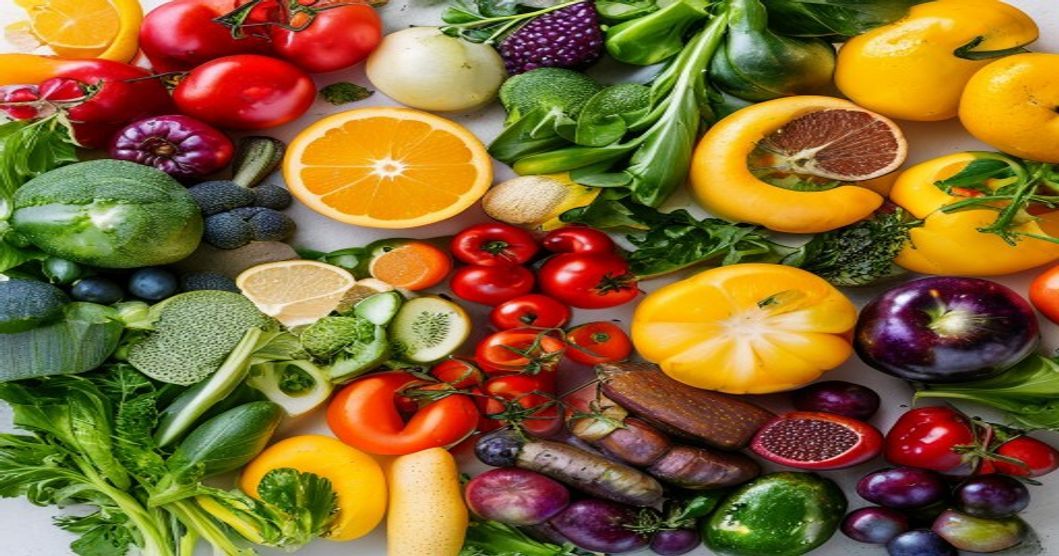
<figure class="ainutry-hero-figure"><img class="ainutry-hero-img" src="https://ainutry.online/wp-content/uploads/2026/04/ainutry-ai-nutrition-vs-whole30-which-is-better-hero.jpg" alt="AI Nutrition vs Whole30: Which Is Better?  -  AINutry" /><figcaption class="ainutry-hero-caption">AI Nutrition vs Whole30: Which Is Better?  -  AINutry</figcaption></figure>
<script type="application/ld+json">
{
  "@context": "https://schema.org",
  "@type": "Article",
  "headline": "AI Nutrition vs Whole30: Which Is Better?",
  "description": "Learn about AI Nutrition vs Whole30: Which Is Better?. AI-powered nutrition insights, evidence-based information, and practical tips for your health journe",
  "image": [
    {
      "@type": "ImageObject",
      "url": "https://ainutry.online/wp-content/uploads/2025/06/ainutry-avatar.webp",
      "width": 1200,
      "height": 675
    }
  ],
  "author": {
    "@type": "Organization",
    "name": "AINutry Editorial Team",
    "url": "https://ainutry.online",
    "logo": {
      "@type": "ImageObject",
      "url": "https://ainutry.online/wp-content/uploads/2025/06/ainutry-avatar.webp"
    }
  },
  "publisher": {
    "@type": "Organization",
    "name": "AINutry",
    "url": "https://ainutry.online",
    "logo": {
      "@type": "ImageObject",
      "url": "https://ainutry.online/wp-content/uploads/2025/06/ainutry-avatar.webp",
      "width": 512,
      "height": 512
    }
  },
  "datePublished": "2026-04-20T13:39:52+00:00",
  "dateModified": "2026-04-20T13:39:52+00:00",
  "mainEntityOfPage": {
    "@type": "WebPage",
    "@id": "https://ainutry.online/ai-nutrition-vs-whole30-which-is-better/"
  },
  "inLanguage": "en-US"
}
</script>
<script type="application/ld+json">
{
  "@context": "https://schema.org",
  "@type": "BreadcrumbList",
  "itemListElement": [
    {
      "@type": "ListItem",
      "position": 1,
      "name": "Home",
      "item": "https://ainutry.online"
    },
    {
      "@type": "ListItem",
      "position": 2,
      "name": "Comparisons",
      "item": "https://ainutry.online/category/comparisons/"
    },
    {
      "@type": "ListItem",
      "position": 3,
      "name": "AI Nutrition vs Whole30: Which Is Better?",
      "item": "https://ainutry.online/ai-nutrition-vs-whole30-which-is-better/"
    }
  ]
}
</script>

<h1>AI Nutrition vs Whole30: Which Is Better?</h1>

<p>In a January 2023 survey of 690 Whole30 alumni, a remarkable 97% reported achieving most or all of their health goals, including an average BMI reduction of 2.36 points and a 3.01-inch drop in waist circumference. Yet as artificial intelligence reshapes personalized health, AI Nutrition platforms like AINutry are delivering adaptive, data-driven meal plans that evolve with your body’s real-time needs - offering a flexible alternative to Whole30’s rigid 30-day reset without sacrificing results.</p>

<p>This comprehensive comparison explores AI Nutrition versus Whole30 to help you decide which approach best supports sustainable wellness in 2026. From strict elimination rules to AI-powered precision insights, both methods promise transformative health outcomes, but they differ dramatically in personalization, long-term adherence, and scientific backing. Whether you’re battling inflammation, seeking weight management, or simply optimizing daily energy, understanding these two strategies is key to making an informed choice for your unique lifestyle.</p>

<p>Whole30 has captivated millions since its launch in 2009, while AI Nutrition represents the cutting edge of precision health. In this guide, we break down the science, benefits, drawbacks, and real-world applications so you can choose - or even combine - the best elements for lasting success. Ready to move beyond one-size-fits-all diets? Let’s dive in.</p>

<h2>What Is Whole30: The 30-Day Elimination Diet Rules, Benefits, and Real-World Results</h2>

<p>Whole30 is a short-term elimination protocol created by Melissa and Dallas Hartwig that removes potentially inflammatory foods for 30 days to reset your relationship with eating and identify hidden sensitivities. Participants cut out sugar, alcohol, grains, legumes, dairy, processed additives, and even certain oils, focusing instead on whole foods like vegetables, fruits, unprocessed meats, seafood, eggs, nuts, and seeds. The program emphasizes label reading and home cooking to break addictive eating patterns and reduce symptoms like bloating, fatigue, and joint pain.</p>

<p>Proponents highlight rapid improvements in energy, sleep quality, skin clarity, and digestion. Many users experience short-term weight loss and reduced cravings as the body adjusts to nutrient-dense meals without ultra-processed triggers. The reintroduction phase after day 30 helps pinpoint which foods cause issues, turning the diet into a diagnostic tool rather than a permanent lifestyle.</p>

<p>However, Whole30 is not designed for long-term use. Its restrictive nature can make social dining and travel challenging, and some critics note the lack of built-in calorie or macro tracking, which may lead to over- or under-eating for certain goals like muscle gain or athletic performance. Sustainability remains a common concern, with many participants regaining weight once the 30 days end unless they maintain strict habits.</p>

<h2>How AI Nutrition Works: Personalized Plans from AINutry and the Power of Artificial Intelligence</h2>

<p>AI Nutrition leverages machine learning algorithms to analyze your personal data - age, gender, activity level, medical history, genetic markers, gut microbiome insights, and even daily logs of sleep, stress, and exercise - to generate hyper-customized meal plans, recipes, and supplement recommendations. Platforms like AINutry go beyond generic advice by continuously adapting suggestions based on your feedback and biometric trends, creating a dynamic nutrition coach available 24/7.</p>

<p>Unlike fixed diets, AI Nutrition integrates real-time factors such as current blood glucose responses (via compatible wearables), seasonal produce availability, budget constraints, and taste preferences. This precision approach draws from vast datasets of nutritional research, making it ideal for complex goals like managing prediabetes, optimizing athletic recovery, or addressing autoimmune conditions through evidence-based personalization.</p>

<p>Users report higher adherence because the system feels like a supportive partner rather than a strict rulebook. With AINutry, for example, you receive instant recipe swaps, grocery lists, and progress tracking that evolves weekly. This ongoing refinement helps prevent plateaus that often plague traditional diets like Whole30 after the initial reset period.</p>

<h2>What the Research Says: Scientific Evidence Comparing Whole30 and AI-Powered Nutrition</h2>

<p>Scientific scrutiny of Whole30 is limited because the program itself has not undergone large-scale randomized controlled trials, but related elimination diet research offers clues. A January 2023 internal survey of 690 Whole30 alumni revealed that 97% achieved most or all of their goals, with measurable improvements including an average cholesterol decrease of 13.37 points and blood sugar normalization in 70% of participants. These short-term wins align with broader studies on elimination diets that show reduced inflammation markers and better gastrointestinal symptoms when common triggers are removed.</p>

<p>On the AI Nutrition side, the evidence base is exploding. A 2025 scoping review of precision nutrition literature found that approximately 75% of AI-driven studies in the field were published since 2020, reflecting rapid advancements. More concretely, a 2025 multicenter randomized controlled trial demonstrated that AI-assisted personalized diets produced more than 50% improvement in Patient Assessment of Constipation Quality of Life scores for 88% of participants - more than double the 40% seen in control groups (p = 0.001). Additionally, the global AI in personalized nutrition market is projected to grow from USD 4.89 billion in 2025 to USD 21.54 billion by 2034 at a CAGR of 17.9%, underscoring strong clinical and commercial confidence in the technology.</p>

<p>A 2021 systematic review published in the journal Nutrients further supports personalized approaches, showing they lead to significantly greater improvements in dietary intake and health biomarkers compared to generalized dietary advice in healthy adults. When stacked against Whole30’s fixed framework, AI Nutrition’s adaptability appears better suited for long-term metabolic health and behavior change, though both strategies can complement each other during transition phases.</p>

<h2>AI Nutrition vs Whole30: Head-to-Head Comparison on Personalization, Sustainability, and Results</h2>

<p>When comparing AI Nutrition and Whole30 across key metrics, personalization stands out as AI’s greatest strength. Whole30 applies the same elimination rules to everyone, while AINutry tailors every recommendation to your biology and lifestyle. Sustainability favors AI Nutrition too - users avoid the “all-or-nothing” burnout common after Whole30’s 30 days because plans evolve gradually rather than demanding abrupt resets.</p>

<p>Cost and accessibility differ as well. Whole30 relies on affordable whole foods and one-time book purchases, but requires significant meal-prep time. AI Nutrition platforms like AINutry often include premium subscriptions with ongoing value through adaptive coaching, recipe databases, and integration with health trackers. For busy professionals or athletes needing continuous optimization, the investment in AI typically yields higher long-term ROI.</p>

<p>Results timelines also vary. Whole30 excels at quick wins in the first month, ideal for identifying sensitivities or jump-starting motivation. AI Nutrition shines in sustained progress, with users often seeing compounded benefits over 3 - 6 months as the system learns and refines. Gut health, weight management, and energy levels improve under both, but AI’s data feedback loop minimizes guesswork and maximizes adherence.</p>

<h2>Practical Tips: How to Choose Between AI Nutrition and Whole30 for Your Health Goals</h2>

<p>Deciding between AI Nutrition and Whole30 depends on your starting point and objectives. If you suspect food sensitivities or want a structured reset to break unhealthy habits, begin with Whole30’s 30-day challenge and use the reintroduction phase to gather data. Then transition into AI Nutrition for maintenance - AINutry can analyze your post-Whole30 insights to build a lifelong plan that avoids trigger foods while maximizing enjoyment.</p>

<ul>
<li><strong>Start simple if you’re new to tracking:</strong> Try Whole30 for one month to learn intuitive eating, then input your findings into an AI platform like AINutry for ongoing customization.</li>
<li><strong>Optimize for busy lifestyles:</strong> Choose AI Nutrition from day one if meal planning feels overwhelming - its automated grocery lists and recipe generator save hours weekly.</li>
<li><strong>Combine for maximum results:</strong> Use Whole30 as a diagnostic tool and AINutry for personalization. Sign up for AINutry today and use promo code <strong>ainutry20-20</strong> to get 20% off your first month of AI-powered guidance.</li>
<li><strong>Track progress consistently:</strong> Whether using Whole30’s food journal or AINutry’s dashboard, log symptoms, energy, and measurements to make data-driven adjustments.</li>
<li><strong>Consult professionals:</strong> Pair either approach with input from a registered dietitian or physician, especially if you have medical conditions or take medications.</li>
</ul>

<p>Remember that consistency beats perfection. Many successful users blend the best of both: Whole30’s discipline for awareness and AI Nutrition’s intelligence for lifelong adaptability. Experiment with short trials of each to discover what resonates with your body and schedule.</p>

<h2>Final Verdict: Which Is Better - AI Nutrition or Whole30?</h2>

<p>Neither AI Nutrition nor Whole30 is universally “better” - it depends on your needs, but AI-powered solutions like AINutry currently hold the edge for most people seeking sustainable, long-term results. Whole30 remains an excellent short-term reset tool with proven real-world success (97% goal achievement in the 2023 survey), yet its rigidity limits ongoing adherence for many. AI Nutrition excels by evolving with you, backed by exploding research and market growth that signals its future dominance in precision health.</p>

<p>For optimal outcomes, consider using Whole30 as a powerful starting point and AI Nutrition as your lifelong partner. The combination leverages the diagnostic power of elimination with the adaptive intelligence of algorithms, creating a truly personalized path to better energy, digestion, weight management, and overall vitality. Ultimately, the winner is the strategy you’ll stick with - and today’s AI tools make that easier than ever.</p>

<p>Ready to experience the difference? Explore AINutry’s AI Nutrition platform and unlock plans designed specifically for you - use code <strong>ainutry20-20</strong> at checkout for an exclusive 20% discount on your personalized journey.</p>

<!-- NEWSLETTER_PLACEHOLDER --></div>
<div class="ainutry-disclaimer"><strong>Disclaimer:</strong> This content is for informational purposes only and does not constitute medical advice. Always consult a qualified healthcare professional before making changes to your diet, supplement routine, or health regimen. Individual results may vary.</div>

Leave a Reply