
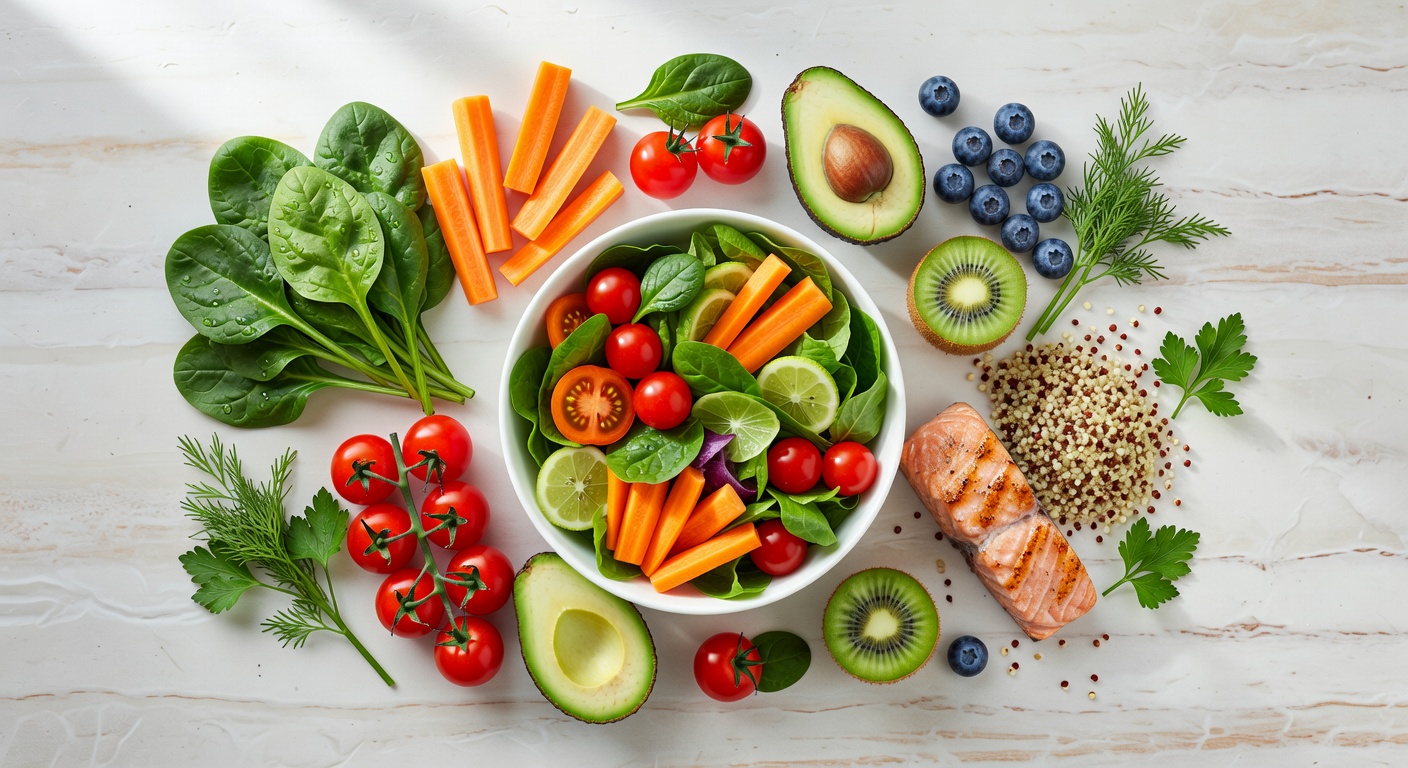
Crohn’s disease is a complex condition characterized by chronic inflammation of the gastrointestinal tract, causing abdominal pain, diarrhea, fatigue, and malnutrition. However, recent advancements in AI-powered nutrition education have shown promise in helping individuals with Crohn’s disease manage their symptoms more effectively through dietary modifications.
;”<br />
loading=”lazy”<br />
width=”1200″ height=”675″ /><figcaption>How AI Can Help Manage Crohn’s disease Through Diet - AINutry</figcaption></figure>
<h2 id=) Table of Contents
Table of Contents
- What is Crohn’s Disease and How Can Diet Play a Role?
- The Scientific Basis: How Diet Influences Crohn’s Disease
- How AI-Powered Nutrition Education Can Help Manage Crohn’s Symptoms
- Practical Steps: Implementing AI for Crohn’s Dietary Management
- Personalized Diets for Crohn’s Management: The AI Advantage
- Beyond Diet: Integrating AI with Holistic Crohn’s Care
- Challenges and Future Directions in Using AI to Manage Crohn’s Through Diet
What is Crohn’s Disease and How Can Diet Play a Role?
Crohn’s disease is a type of inflammatory bowel disease (IBD) that causes chronic inflammation in the gastrointestinal tract. Unlike ulcerative colitis, which affects only the large intestine, Crohn’s can impact any part of the digestive system from the mouth to the anus, often in patches. The inflammation penetrates deep into the bowel wall, leading to a range of debilitating symptoms. The exact cause of Crohn’s is still unknown, but it is believed to be related to an abnormal immune response to environmental factors, including diet, in genetically predisposed individuals. This complex interplay involves genetic susceptibility, environmental triggers, the gut microbiome, and a dysregulated immune system.
Research has shown that dietary changes can significantly impact symptoms and quality of life for individuals with Crohn’s. While diet doesn’t cause Crohn’s, it can undeniably influence disease activity and symptom severity. Specific food components can trigger inflammation, alter the gut microbiome, or irritate an already sensitive digestive tract. Conversely, certain dietary patterns can help reduce inflammation, support gut healing, and ensure adequate nutrient intake, which is often compromised in Crohn’s patients due to malabsorption or increased metabolic demands.
Types of Diets for Crohn’s Management:
- Low-FODMAP diet: Reduces symptoms by limiting fermentable carbohydrates, which are poorly absorbed and can lead to excessive gas and fluid in the gut, thereby alleviating bloating, pain, and altered bowel habits.
- Mediterranean-style diet: Rich in fruits, vegetables, whole grains, lean proteins (fish, poultry), and healthy fats (olive oil, nuts). This diet emphasizes anti-inflammatory foods and promotes a diverse gut microbiome, which is beneficial for managing chronic inflammation.
- Elimination diets: Identify trigger foods causing symptoms and eliminate them. Common triggers can include dairy, gluten, high-fat foods, and certain insoluble fibers, though individual responses vary widely. This approach requires careful tracking and often professional guidance to ensure nutritional adequacy.
- Specific Carbohydrate Diet (SCD): Focuses on eliminating complex carbohydrates and processed sugars, allowing only monosaccharides for easier digestion and to reduce harmful bacterial overgrowth.
- Crohn’s Disease Exclusion Diet (CDED): A more recent approach that involves a period of complete exclusion of certain foods, followed by gradual reintroduction, shown to induce and maintain remission in some pediatric and adult patients.
The Scientific Basis: How Diet Influences Crohn’s Disease
Understanding the intricate relationship between diet and Crohn’s disease requires delving into the underlying scientific mechanisms. The gut microbiome plays a pivotal role; it’s a complex ecosystem of bacteria, viruses, and fungi that influences digestion, nutrient absorption, and immune function. In Crohn’s patients, this microbiome is often dysbiotic, meaning there’s an imbalance of beneficial and harmful microbes. Certain dietary components, such as highly processed foods, artificial sweeteners, and emulsifiers, can negatively alter the gut microbiome, promoting inflammation and increasing intestinal permeability, often referred to as “leaky gut.” Conversely, diets rich in prebiotics (fibers that feed beneficial bacteria) and probiotics (live beneficial bacteria) can help restore microbial balance and reduce inflammation.
Beyond the microbiome, diet directly impacts inflammation pathways. Foods high in saturated fats and refined sugars can promote pro-inflammatory cytokine production, exacerbating the chronic inflammation characteristic of Crohn’s. In contrast, omega-3 fatty acids found in fish and flaxseed, antioxidants in fruits and vegetables, and polyphenols in plant-based foods possess potent anti-inflammatory properties that can help mitigate disease activity. Furthermore, dietary choices significantly affect nutrient absorption. Crohn’s disease often leads to malabsorption due to inflammation, bowel resections, or rapid transit times, resulting in deficiencies in essential vitamins (e.g., B12, D), minerals (e.g., iron, zinc, calcium), and macronutrients. A carefully tailored diet, often supplemented, is crucial to prevent and correct these nutritional deficits, which contribute to fatigue, anemia, and bone density issues.
How AI-Powered Nutrition Education Can Help Manage Crohn’s Symptoms
AI-powered nutrition education platforms, such as AINUTRY, utilize sophisticated machine learning algorithms to analyze individual nutritional needs and provide personalized dietary recommendations. This advanced approach moves beyond generic advice, considering a multitude of factors unique to each person with Crohn’s disease. By processing vast amounts of data, including medical history, current symptoms, disease activity scores, medication use, food preferences, allergies, and even genetic markers where available, AI can identify the most beneficial diet for their specific symptoms and health goals. This deep level of personalization is critical because Crohn’s is highly heterogeneous, with patients responding differently to various foods and dietary interventions.
The power of AI lies in its ability to learn and adapt. As users input their daily food intake, symptom severity, energy levels, and bowel movements, the AI system continuously refines its recommendations. This iterative process allows it to identify patterns and correlations that might be missed by human observation alone, helping to pinpoint individual trigger foods or beneficial dietary components. For example, if a user consistently reports increased abdominal pain after consuming a particular ingredient, the AI can flag it and suggest alternatives. This real-time feedback loop empowers individuals to take a proactive role in managing their condition.
Practical Steps: Implementing AI for Crohn’s Dietary Management
Integrating AI into Crohn’s disease dietary management involves a few practical steps to maximize its benefits. First, selecting a reputable AI-powered nutrition platform is crucial. Look for platforms that are specifically designed for chronic conditions like IBD, offer comprehensive data input options, and ideally, have been developed with input from registered dietitians or medical professionals. Once chosen, the initial setup involves providing detailed personal information, including your diagnosis, current medications, existing dietary restrictions, food preferences, and any known allergies or intolerances. The more accurate and thorough this initial data, the more precise the AI’s recommendations will be.
Next, consistent and honest data entry becomes key. Regularly logging food intake, tracking symptoms (e.g., pain, diarrhea, fatigue, bloating), and noting medication usage allows the AI to build a comprehensive profile and identify patterns. Many platforms offer user-friendly interfaces, barcode scanners, and voice input to simplify this process. Actively engaging with the AI’s suggestions, such as trying recommended recipes or meal plans, and providing feedback on their effectiveness helps the algorithm learn and refine its advice over time. It’s also beneficial to use the platform’s analytics to review trends in your symptoms and dietary habits, which can be invaluable for discussions with your healthcare team. Remember, AI is a tool to empower you, not to replace the essential guidance of your doctor or a specialized dietitian.
Personalized Diets for Crohn’s Management: The AI Advantage
AI-powered nutrition education offers several unparalleled advantages over traditional dietary approaches, particularly for a complex and highly individualized condition like Crohn’s disease. Traditional methods often rely on generalized dietary guidelines or trial-and-error, which can be time-consuming, frustrating, and potentially lead to nutritional deficiencies if not carefully managed. By analyzing individual nutritional profiles and extensive health data, AI can identify the most effective diet for each person with Crohn’s disease, moving beyond one-size-fits-all recommendations. This includes tailoring meal plans, suggesting specific recipes, providing shopping lists, and even offering alternatives for disliked foods while adhering to necessary restrictions.
This personalized approach can lead to significantly improved symptom management and reduced reliance on medications by proactively addressing dietary triggers and promoting gut health. AI systems can continuously monitor dietary intake against symptom logs, identifying subtle correlations that might indicate a specific food group or even a single ingredient is causing issues. Furthermore, AI can provide real-time feedback and support, making dietary adherence easier and more sustainable.
Beyond Diet: Integrating AI with Holistic Crohn’s Care
While dietary management is a cornerstone of Crohn’s disease care, AI’s potential extends beyond just meal planning. Holistic Crohn’s management often involves medication, stress reduction, exercise, and mental health support. AI platforms can be designed to integrate with other aspects of care, offering a more comprehensive approach. For instance, an AI system could track medication adherence alongside diet and symptoms, alerting users or their healthcare providers to potential interactions or non-compliance. By correlating dietary patterns with stress levels (perhaps via wearable device data) or sleep quality, AI could provide insights into how lifestyle factors interact with food choices to influence disease activity.
Furthermore, AI can facilitate better communication and data
Frequently Asked Questions
Who should consider using AI for managing Crohn’s disease diet?
Individuals with Crohn’s disease who struggle to identify dietary triggers, maintain consistent therapeutic diets, or desire highly personalized nutritional guidance can benefit. AI tools offer data-driven insights to tailor food choices to individual symptoms and disease activity.
How reliable are AI diet recommendations for Crohn’s disease?
AI provides data-driven insights and personalized suggestions, which can be highly beneficial. However, these recommendations should always be reviewed and integrated under the guidance of a healthcare professional or registered dietitian to ensure safety and efficacy for your specific condition.
What specific dietary aspects can AI help manage for Crohn’s patients?
AI can help identify individual food triggers by correlating intake with symptoms, suggest anti-inflammatory food choices, and create personalized meal plans. It also assists in monitoring nutrient intake to prevent deficiencies common in Crohn’s disease.
Can AI replace a dietitian or doctor for Crohn’s diet management?
No, AI tools are designed to augment, not replace, the expertise of healthcare professionals. While AI can offer valuable data analysis and personalized suggestions, a doctor or registered dietitian is crucial for diagnosis, treatment planning, and overseeing dietary changes to ensure comprehensive and safe care.
Leave a Reply