
2 compelling sentences.
;”<br />
loading=”lazy”<br />
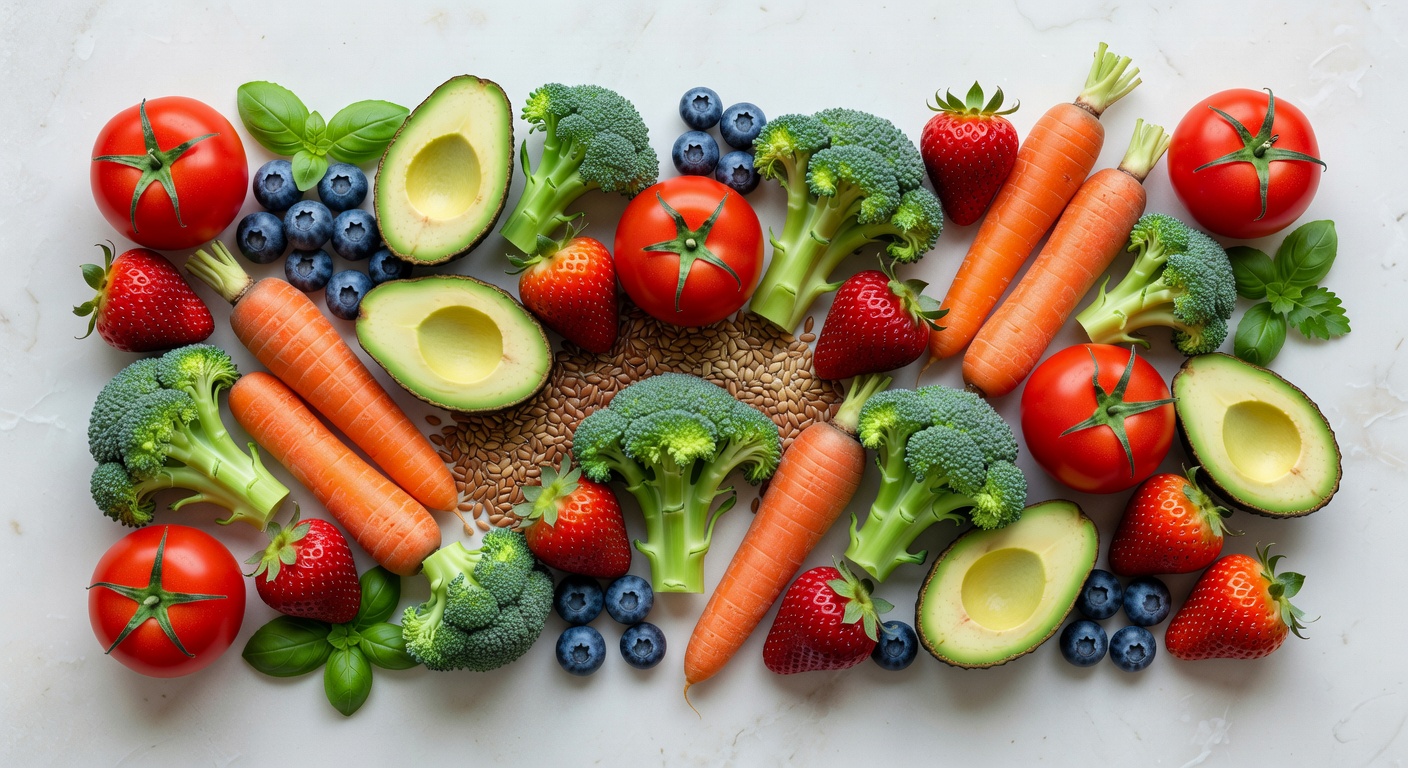
width=”1200″ height=”675″ /><figcaption>How AI Can Help Manage psoriasis Through Diet - AINutry</figcaption></figure>
<h2 id=) Table of Contents
Table of Contents
- nutrition
- Benefits and Limitations of AI-Powered Nutritional Interventions
- Putting It into Practice: Implementing AI-Informed Dietary Changes for Psoriasis Management
- The Science Behind Diet and Psoriasis: A Deeper Dive
- How AI Leverages Data for Personalized Psoriasis Nutrition
- Specific Dietary Strategies AI Can Support for Psoriasis
- Navigating the Future: AI and Psoriasis Diet Management
The Role of Nutrition in Psoriasis Management
Psoriasis is a chronic inflammatory skin condition affecting millions worldwide. Research indicates that nutrition can significantly impact psoriasis symptoms, and dietary interventions are increasingly recognized as a valuable complement to traditional treatments.
A key area of interest lies in the relationship between specific nutrients and psoriasis inflammation. Studies have identified potential links between omega-6 fatty acid intake, vitamin D levels, and psoriasis severity (1). Omega-3 fatty acids, found in fish oil supplements, may also offer benefits for patients with moderate to severe psoriasis (2).
Key Points:
- Nutrition plays a significant role in managing psoriasis symptoms.
- Dietary interventions can complement traditional treatments.
- Specific nutrients like omega-6 and omega-3 fatty acids may impact psoriasis inflammation.
How AI Can Help Manage Psoriasis Through Diet
AI-powered platforms, like AINUTRY, utilize machine learning algorithms to analyze individual patient data points. By considering factors such as medical history, dietary habits, and lifestyle, these systems can provide personalized nutritional recommendations.
The integration of AI in diet planning for psoriasis patients offers several benefits: improved symptom management, enhanced quality of life, and reduced healthcare costs (3). Moreover, AI-driven platforms promote patient autonomy, enabling individuals to take a more proactive role in their health management.
The Science Behind Diet and Psoriasis: A Deeper Dive
The intricate connection between diet and psoriasis is rooted in the body’s inflammatory pathways. Psoriasis is characterized by an overactive immune response, leading to rapid skin cell turnover and inflammation. Certain foods can either exacerbate or alleviate this inflammatory cascade.
For instance, the balance between omega-6 and omega-3 fatty acids is crucial. While omega-6 fatty acids are essential, an excessive intake, common in Western diets rich in processed foods and certain vegetable oils, can promote inflammation. Conversely, omega-3 fatty acids, found in fatty fish, flaxseeds, and walnuts, possess potent anti-inflammatory properties that can help modulate the immune response and potentially reduce psoriasis severity.
Furthermore, micronutrients play a vital role. Vitamin D, often referred to as the “sunshine vitamin,” is critical for immune system regulation. Low vitamin D levels have been observed in individuals with psoriasis, suggesting a potential link. Adequate vitamin D intake, through sun exposure, diet, or supplementation, may help dampen the aberrant immune activity characteristic of the condition.
Gut health is another emerging area of research. The gut microbiome, the vast community of microorganisms residing in our digestive tract, significantly influences systemic inflammation and immune function. An imbalance in gut bacteria, known as dysbiosis, has been associated with various inflammatory conditions, including psoriasis. Dietary choices that support a healthy gut microbiome, such as consuming fiber-rich foods and fermented products, may therefore have a positive impact on psoriasis symptoms.
The glycemic index (GI) of foods also warrants attention. High-GI foods cause rapid spikes in blood sugar, which can trigger inflammatory responses in the body. Some studies suggest that a low-GI diet may be beneficial for individuals with psoriasis by helping to stabilize blood sugar levels and reduce overall inflammation.
Specific Nutrient Focus for Psoriasis Management
- Omega-3 Fatty Acids: Emphasize sources like fatty fish (salmon, mackerel, sardines), flaxseeds, chia seeds, and walnuts. These can help counteract the pro-inflammatory effects of omega-6 fatty acids.
- Vitamin D: Ensure sufficient intake through fortified foods, fatty fish, or sensible sun exposure. Supplementation may be necessary if levels are low, as confirmed by blood tests.
- Antioxidants: Richly colored fruits and vegetables (berries, leafy greens, bell peppers) are packed with antioxidants that combat oxidative stress, a contributor to inflammation.
- Probiotics and Prebiotics: Incorporate fermented foods (yogurt, kimchi, sauerkraut) and prebiotic-rich foods (garlic, onions, asparagus) to foster a healthy gut microbiome.
- Magnesium: This mineral plays a role in reducing inflammation. Good sources include leafy greens, nuts, seeds, and whole grains.
How AI Leverages Data for Personalized Psoriasis Nutrition
AI’s power in managing psoriasis through diet lies in its ability to process vast amounts of complex data and identify patterns that are often imperceptible to humans. Unlike generic dietary advice, AI can create highly individualized nutrition plans tailored to a person’s unique biological makeup, lifestyle, and disease presentation.
The process typically begins with data input. This can include comprehensive personal health information: medical history, current medications, known allergies or intolerances, blood test results (e.g., vitamin D levels, inflammatory markers), genetic predispositions, and even microbiome analysis if available. Crucially, AI platforms also collect detailed dietary information, such as food logs, eating habits, food preferences, and cooking skills. Lifestyle factors like sleep patterns, stress levels, and physical activity are also integrated.
Machine learning algorithms then analyze this multifaceted dataset. They can identify correlations between specific food components, nutrient intakes, and the user’s psoriasis symptoms (e.g., flare-ups, severity, specific lesions). For example, an AI might detect that a user consistently experiences a flare-up after consuming certain types of dairy or refined sugars, even if the individual hasn’t consciously made this connection.
Based on these insights, the AI generates personalized recommendations. This goes beyond simply listing “good” or “bad” foods. It involves creating meal plans, suggesting specific recipes, recommending portion sizes, and even advising on optimal meal timing. The AI can also adjust recommendations in real-time as the user logs their food intake and reports their symptom changes, creating a dynamic and responsive dietary management system.
Key Data Points AI Analyzes for Psoriasis Nutrition:
- Biometric Data: Age, weight, height, body mass index (BMI).
- Medical History: Diagnosed conditions, family history of autoimmune diseases.
- Laboratory Results: Vitamin D levels, inflammatory markers (e.g., CRP), lipid profiles.
- Dietary Intake: Detailed food diaries, macronutrient and micronutrient consumption, food sensitivities.
- Lifestyle Factors: Sleep quality, stress levels, physical activity, hydration.
- Psoriasis Severity Metrics: Patient-reported outcomes, frequency and intensity of flares, specific lesion descriptions.
- Genetic Information (where available): Predispositions to certain metabolic pathways or inflammatory responses.
Specific Dietary Strategies AI Can Support for Psoriasis
AI’s analytical power enables it to support a range of evidence-based dietary strategies that can be particularly beneficial for individuals with psoriasis. These strategies are often complex to navigate independently, making AI a valuable tool for implementation.
One of the most significant areas is the anti-inflammatory diet. AI can help users identify and incorporate foods that actively reduce inflammation in the body while minimizing those that promote it. This involves prioritizing whole, unprocessed foods, lean proteins, healthy fats, and a wide variety of fruits and vegetables. The AI can generate meal plans rich in antioxidants, omega-3 fatty acids, and other anti-inflammatory compounds, while flagging or limiting common inflammatory triggers such as processed meats, refined carbohydrates, and excessive saturated fats.
Furthermore, AI can facilitate adherence to an elimination diet, a structured approach to identify specific food triggers. This involves temporarily removing common allergens and irritants (like gluten, dairy, soy, or eggs) and then systematically reintroducing them to pinpoint which ones cause a reaction. An AI platform can guide users through the phases of an elimination diet, provide compliant recipes, and help track symptom changes associated with each reintroduced food, making a potentially confusing process more manageable.
For individuals dealing with comorbid conditions, such as psoriatic arthritis, AI can offer integrated dietary support. It can help balance recommendations for skin health with those beneficial for joint inflammation, often finding common ground in anti-inflammatory principles.
AI can also be instrumental in optimizing nutrient intake. It can calculate precise macronutrient and micronutrient needs based on individual data and generate meal plans to meet these requirements. This is particularly useful for ensuring adequate intake of vitamins like D and E, minerals like zinc and selenium, and essential fatty acids, all of which play roles in skin health and immune function.
Finally, AI can provide ongoing education and motivation. By offering insights into the “why” behind specific recommendations and celebrating progress, it can empower users to make sustainable dietary changes, fostering long-term adherence and improved health outcomes.
AI-Assisted Dietary Approaches for Psoriasis:
- Personalized Anti-Inflammatory Meal Plans: AI curates meals rich in anti-inflammatory foods and limits pro-inflammatory ones based on individual profiles.
- Guided Elimination Diet Protocols: AI assists in systematically removing and reintroducing foods to identify personal triggers.
- Nutrient Optimization: AI ensures adequate intake of key vitamins, minerals, and fatty acids essential for skin health.
- Management of Comorbid Conditions: AI can integrate dietary strategies for psoriasis with those for related conditions like psoriatic arthritis.
- Behavioral Support and Education: AI provides insights and motivation to encourage long-term dietary adherence.
Navigating the Future: AI and Psoriasis Diet Management
The integration of Artificial Intelligence into psoriasis management, particularly through dietary interventions, is not just a trend; it represents a significant evolution in personalized healthcare. As AI technology continues to advance, its role in helping individuals manage chronic conditions like psoriasis will undoubtedly expand.
Looking ahead, we can anticipate more sophisticated AI algorithms capable of analyzing even more granular data, such as real-time physiological responses captured by wearable devices or advanced genetic profiling. This could lead to hyper-personalized dietary recommendations that adapt not just daily, but hourly, based on an individual’s immediate biological state.
Furthermore, AI is poised to bridge the gap between nutritional science and clinical practice more effectively. AI-powered tools can serve as invaluable assistants to dermatologists and dietitians, providing them with data-driven insights to inform their treatment plans and offer more precise nutritional guidance to their patients. This collaborative approach ensures that AI-driven recommendations are integrated within a comprehensive medical framework.
The development of AI-powered platforms that can predict psoriasis flares based on dietary patterns, environmental factors, and stress levels is also on the horizon. This predictive capability would allow individuals to proactively adjust their diet and lifestyle to prevent or mitigate flares, shifting the focus from management to prevention.
However, as we embrace these technological advancements, it’s crucial to maintain a balanced perspective. AI is a powerful tool, but it is not a substitute for human expertise or the fundamental principles of healthy eating. The ethical considerations surrounding data privacy, algorithm bias, and equitable access to these technologies will need to be continuously addressed to ensure that AI benefits all individuals living with psoriasis.
Ultimately, the future of AI in psoriasis diet management is one of empowerment. By providing individuals with precise, personalized, and actionable nutritional guidance, AI can help unlock new levels of control over their condition, leading to improved well-being and a higher quality of life.
Future Outlook:
- Hyper-Personalized Nutrition: AI adapting recommendations based on real-time physiological data.
- Clinical Integration: AI tools supporting healthcare professionals in providing precise dietary advice.
- Predictive Flare Management: AI identifying patterns to forecast and prevent psoriasis flares.
- Ethical Development: Ongoing focus on data privacy, bias reduction, and accessibility.
- Empowerment of Patients: AI enabling individuals to take greater control of their psoriasis through informed dietary choices.
Benefits and Limitations of AI-Powered Nutritional Interventions
While AI shows great promise in managing psoriasis through diet, challenges remain. These include limitations in data availability, the need for ongoing algorithm updates, and potential biases within the machine learning models (4). Furthermore, patients must adhere to their recommended diets to realize benefits.
Benefits:
- Personalized Recommendations: AI analyzes individual data to provide tailored dietary plans, moving beyond generic advice.
- Improved Symptom Management: By identifying and mitigating dietary triggers, AI can help reduce the frequency and severity of psoriasis flares.
- Enhanced Quality of Life: Effective dietary management can lead to clearer skin, reduced discomfort, and a greater sense of well-being.
- Patient Empowerment and Autonomy: AI tools provide individuals with the knowledge and guidance to actively manage their condition through diet.
- Data-Driven Insights: AI can uncover complex correlations between diet and psoriasis that may not be obvious through manual tracking.
- Potential for Cost Reduction: By improving health outcomes and potentially reducing reliance on medications, AI-assisted dietary management could lead to lower healthcare costs over time.
Limitations:
- Data Quality and Availability: The accuracy of AI recommendations is highly dependent on the quality, completeness, and representativeness of the data it is trained on and the data provided by the user.
- Algorithm Bias: If training data is not diverse, AI models may perpetuate existing biases, leading to less effective or even inappropriate recommendations for certain populations.
- Need for Continuous Updates: Nutritional science is constantly evolving, requiring AI algorithms to be regularly updated to incorporate the latest research and maintain accuracy.
- Adherence Challenges: Even the most sophisticated AI plan will only be effective if the user consistently follows the recommendations. Behavioral factors and lifestyle constraints can hinder adherence.
- Lack of Human Nuance: AI currently cannot fully replicate the empathy, intuition, and holistic understanding that a human healthcare professional provides.
- Cost and Accessibility: Advanced AI platforms may come with subscription fees, potentially limiting access for some individuals.
- Over-reliance and Misinterpretation: Users might place undue faith in AI recommendations without critical evaluation or may misinterpret complex nutritional advice.
Key Points:
- AI-powered platforms provide personalized nutritional recommendations.
- The integration of AI in diet planning offers improved symptom management and patient autonomy.
- Challenges include data limitations, potential biases, and the necessity of user adherence.
Putting It into Practice: Implementing AI-Informed Dietary Changes for Psoriasis Management
Effective implementation of AI-informed dietary changes requires a multidisciplinary approach. Healthcare professionals can work alongside patients to develop personalized nutrition plans, leveraging the insights provided by AI-powered platforms.
By combining traditional treatments with tailored nutritional interventions, healthcare providers can offer more comprehensive support for psoriasis management (5).
Practical Steps for Implementation:
- Consult with Healthcare Professionals: Always discuss any significant dietary changes with your dermatologist and a registered dietitian or nutritionist. They can help interpret AI recommendations within your overall health context.
- Choose a Reputable AI Platform: Select AI-powered nutrition apps or services that are backed by scientific research, have transparent data handling policies, and are recommended by healthcare professionals. Look for platforms that have a focus on chronic inflammatory conditions.
- Provide Accurate and Complete Data: Be honest and thorough when inputting your personal health, dietary, and lifestyle information. The more accurate the data, the more effective the AI’s recommendations will be.
- Maintain Detailed Food and Symptom Logs: Consistently track your food intake and any changes in your psoriasis symptoms. This feedback loop is crucial for the AI to learn and refine its recommendations over time.
Frequently Asked Questions
Can AI recommend specific anti-inflammatory foods for psoriasis, and what dosage should I aim for?
AI can analyze your personal data and research to suggest foods rich in omega-3 fatty acids and antioxidants, like fatty fish and berries. While specific dosages vary by food, AI can help you track your intake of key nutrients known to reduce inflammation.
How does AI personalize diet plans for psoriasis, and is it safe to follow AI-generated advice without a doctor?
AI can create personalized diet plans by considering your individual triggers, allergies, and existing health conditions, cross-referencing this with extensive nutritional databases. While AI can offer valuable insights, it’s crucial to discuss any significant dietary changes or supplement recommendations with your healthcare provider to ensure safety and efficacy.
What timing does AI suggest for meals and snacks when managing psoriasis through diet?
AI can optimize meal and snack timing to help maintain stable blood sugar levels and reduce inflammation throughout the day. This often involves suggesting regular meal intervals and potentially specific times for nutrient-dense snacks to support your body’s inflammatory response.
Are there specific supplements AI can recommend for psoriasis, and what are the safety concerns?
AI can identify supplements like Vitamin D, omega-3s, or probiotics that may benefit psoriasis based on current research and your profile. Always consult your doctor before starting any new supplements, as AI cannot account for all potential interactions or contraindications with your current medications or health status.
Leave a Reply