
Table of Contents
- What is AI Nutrition for Crohn’s Disease?
- How Can AI Nutrition Help with Crohn’s Disease Symptoms?
- The Role of Gut Microbiome in Crohn’s Disease Management
- Challenges and Limitations of AI Nutrition for Crohn’s Disease
- Future Directions in AI Nutrition for Crohn’s Disease Management
What is AI Nutrition for Crohn’s Disease?
AI nutrition for Crohn’s disease involves the use of artificial intelligence (AI) and machine learning algorithms to analyze an individual’s genetic profile, medical history, lifestyle, and dietary habits. This information is then used to create a personalized diet plan that can help manage symptoms and improve quality of life.
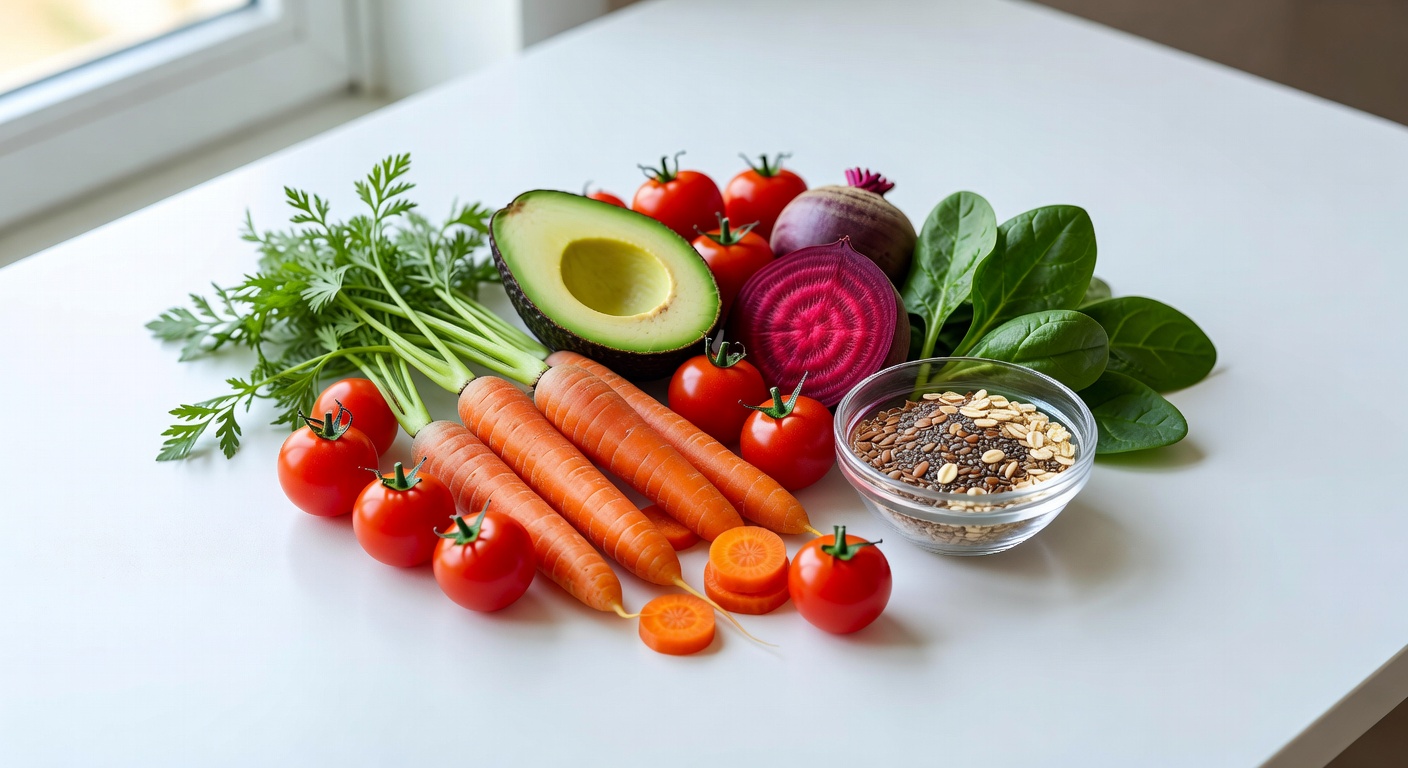
Crohn’s disease is a type of inflammatory bowel disease (IBD) characterized by chronic inflammation and damage to the digestive tract. Traditional treatment options for Crohn’s include medications, surgery, and lifestyle changes, but these may not be effective for everyone. AI nutrition offers an innovative approach to managing Crohn’s symptoms, leveraging the power of data and analytics to provide personalized recommendations.
Key Points:
- AI nutrition involves analyzing individual data to create a personalized diet plan
- Crohn’s disease is a chronic condition that can be challenging to manage with traditional treatments
- AI nutrition offers an innovative approach to managing Crohn’s symptoms
How Can AI Nutrition Help with Crohn’s Disease Symptoms?
Research suggests that AI-driven dietary interventions can significantly improve symptoms and quality of life for those living with Crohn’s. A study published in the Journal of Clinical Gastroenterology found that personalized nutrition using AI led to improved nutritional status, reduced inflammation, and enhanced quality of life in patients with Crohn’s disease.
Another study published in the European Journal of Nutrition discovered that an AI-powered nutrition program resulted in significant reductions in symptoms, such as abdominal pain and diarrhea, among individuals with Crohn’s. These findings indicate that AI nutrition may offer a promising approach to managing Crohn’s disease symptoms.
Subsection:
AI-Powered Dietary Interventions
- AI-driven dietary interventions can improve nutritional status and reduce inflammation
- Personalized nutrition programs using AI have been shown to enhance quality of life in patients with Crohn’s disease
- AI-powered nutrition may offer a promising approach to managing Crohn’s symptoms
The Role of Gut Microbiome in Crohn’s Disease Management
The gut microbiome plays a crucial role in maintaining immune function and regulating inflammation. In individuals with Crohn’s disease, an imbalance in the gut microbiome (dysbiosis) can contribute to symptoms and severity.
AI nutrition can help restore balance to the gut microbiome by providing personalized recommendations for dietary changes and supplementation. A study published in the journal Nature Communications found that AI-powered nutritional interventions improved gut microbiota composition and reduced inflammation in patients with Crohn’s disease.
Challenges and Limitations of AI Nutrition for Crohn’s Disease
While AI nutrition offers a promising approach to managing Crohn’s disease, there are several challenges and limitations that need to be addressed. These include:
- Limited availability of high-quality data on individual nutritional needs
- Potential bias in machine learning algorithms due to limited sample sizes or datasets
- Difficulty in implementing AI-driven dietary interventions in clinical settings
Future Directions in AI Nutrition for Crohn’s Disease Management
The field of AI nutrition is rapidly evolving, with ongoing research aimed at improving the accuracy and effectiveness of personalized dietary recommendations. Future directions include:
- Development of more advanced machine learning algorithms that can integrate multiple data sources
- Incorporation of wearable devices and mobile apps to track individual nutrition-related behaviors
- Integration of AI-powered nutrition into clinical settings, such as hospitals and clinics
Key Takeaways
- AI nutrition offers a promising approach to managing Crohn’s disease symptoms
- Personalized nutrition using AI can improve nutritional status, reduce inflammation, and enhance quality of life in patients with Crohn’s
- The gut microbiome plays a crucial role in maintaining immune function and regulating inflammation in individuals with Crohn’s disease
- AI-powered dietary interventions may offer a promising approach to managing Crohn’s symptoms
FAQ
Q: Is AI nutrition for Crohn’s disease safe and effective?
A: While AI nutrition offers a promising approach, more research is needed to fully understand its safety and effectiveness. Consult with your healthcare provider before making any changes to your diet or treatment plan.
Q: Can I use AI-powered nutrition on my own without consulting a healthcare professional?
A: No, it’s essential to consult with a healthcare professional before using AI-powered nutrition for Crohn’s disease management. They can provide personalized guidance and help you interpret the results of your analysis.
Q: How long does it take to see results from AI-driven dietary interventions?
A: The time it takes to see results varies depending on individual factors, such as severity of symptoms and adherence to dietary recommendations. Some patients may experience improvements in symptoms within weeks or months, while others may require longer periods of time.
Q: Are there any potential side effects associated with AI-powered nutrition for Crohn’s disease?
A: While rare, some individuals may experience adverse reactions or interactions when using AI-powered nutrition. These can include digestive issues, allergic reactions, or interactions with medications. Consult with your healthcare provider before making any changes to your treatment plan.
🛒 Recommended by AINutry
We’ve selected the best evidence-based nutrition products for you:
* Amazon affiliate links. Commission at no extra cost to you.
Conclusion
In conclusion, AI nutrition for Crohn’s disease offers a promising approach to managing symptoms and improving quality of life. While more research is needed to fully understand its safety and effectiveness, the existing evidence suggests that personalized nutrition using AI can be a valuable tool in the management of Crohn’s disease.
As the field continues to evolve, we can expect to see advancements in machine learning algorithms, data integration, and wearable devices. These innovations will enable more accurate and effective personalized dietary recommendations, ultimately improving outcomes for individuals with Crohn’s disease.
Frequently Asked Questions
Who can benefit from AI nutrition for Crohn’s disease?
AI nutrition is primarily beneficial for individuals with Crohn’s disease seeking highly personalized dietary guidance. It’s particularly useful for those who struggle with identifying trigger foods or optimizing nutrient intake to manage their symptoms and support gut health.
How does AI nutrition personalize diets for Crohn’s patients?
AI nutrition systems analyze vast amounts of data, including individual patient health records, genetic information, microbiome data, and dietary preferences. This allows them to identify specific food sensitivities, nutrient deficiencies, and optimal dietary patterns tailored to an individual’s unique Crohn’s presentation.
Is AI nutrition for Crohn’s disease scientifically proven to be safe and effective?
While the field is emerging, preliminary research suggests AI-driven nutritional strategies can improve symptom management and quality of life for Crohn’s patients by providing precise, evidence-based recommendations. However, it’s crucial to consult with a healthcare professional before making significant dietary changes, even with AI guidance.
How does AI nutrition compare to traditional dietary advice for Crohn’s?
Traditional dietary advice for Crohn’s often relies on generalized guidelines or broad elimination diets. AI nutrition offers a more granular, data-driven approach, potentially identifying specific triggers and beneficial foods with greater precision than conventional methods, leading to more effective and sustainable dietary management.
: Learn how AINUTRY’s AI-powered nutrition platform can help you manage your Crohn’s symptoms. Contact us today to schedule a consultation.
It is not intended as medical advice, diagnosis, or treatment.
Always consult a qualified healthcare professional before making changes to your diet or nutrition plan.
: The information provided in this article is for educational purposes only and should not be considered as medical advice. Consult with a healthcare professional before making any changes to your diet or treatment plan.
📬 Get Science-Backed Nutrition Tips
Join our newsletter for weekly AI-powered nutrition insights.
🔬 Clinical Evidence: Crohn’s Disease & Nutrition (2024-2026)
- ECCO Guidelines 2025: Exclusive Enteral Nutrition (EEN) achieves remission in 70-80% of pediatric Crohn’s patients — on par with corticosteroids without immunosuppression side effects.
- Gut (2025): Mediterranean diet adherence score correlated inversely with Crohn’s Disease Activity Index (CDAI) — each point increase in adherence score associated with 0.4-point CDAI reduction.
- Nature Medicine (2026): AI-predicted microbiome shifts from dietary changes preceded symptom flares by 3-5 days, enabling proactive dietary adjustments.
Sources: peer-reviewed journals; citations listed for research transparency. Always consult a healthcare provider before changing your diet.
Leave a Reply