
Table of Contents
- Understanding Osteoporosis and Its Dietary Management
- The Intricate Dance of Bone Remodeling: A Deeper Look
- How AI Can Help Manage Osteoporosis Through Diet
- Key Nutrients for Bone Health
- Beyond Individual Nutrients: The Holistic Dietary Approach
- Putting It All Together: Implementing an AI-Informed Diet for Osteoporosis Management
- Addressing Misconceptions and Future Directions
- Key Takeaways
- FAQ
- Conclusion
Understanding Osteoporosis and Its Dietary Management
Osteoporosis is a chronic condition where the bones become weak, fragile, and more susceptible to fractures. According to the International Osteoporosis Foundation (IOF), it affects over 200 million people worldwide, with women being at higher risk due to hormonal changes during menopause. Diet plays a crucial role in managing osteoporosis; focusing on nutrient-dense foods rich in calcium, vitamin D, and other essential minerals can help slow bone loss.
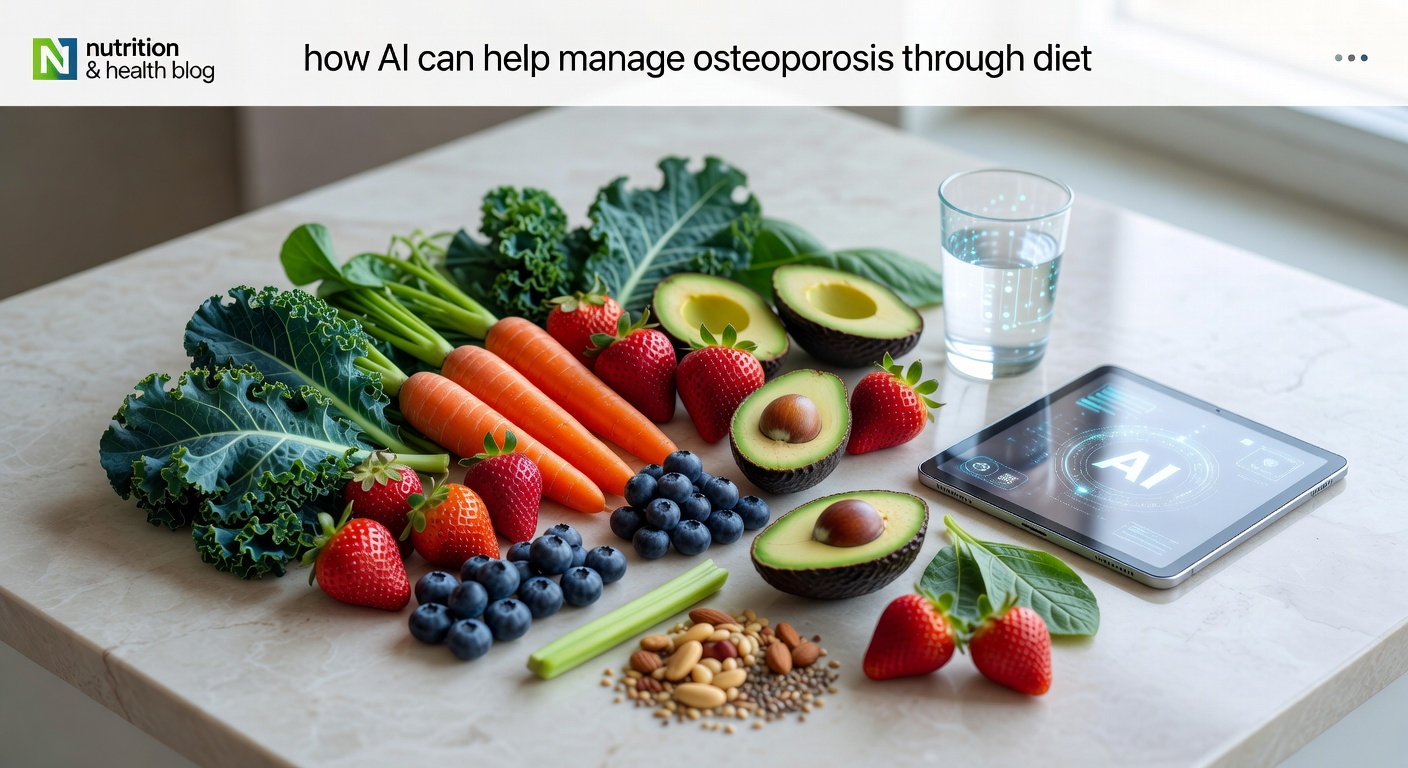
A well-balanced diet is especially important for individuals with osteoporosis. For instance, research suggests that adequate intake of calcium and vitamin D can significantly reduce the risk of fractures (1).
Delving deeper, osteoporosis is characterized by a reduction in bone mineral density (BMD) and a deterioration of bone tissue microarchitecture, leading to increased bone fragility. This silent disease often progresses without symptoms until a fracture occurs, commonly in the hip, spine, or wrist. The economic and personal burden of osteoporotic fractures is immense, impacting quality of life and significantly increasing healthcare costs globally (3). Factors contributing to osteoporosis include genetics, age, sex, hormonal status (e.g., estrogen deficiency post-menopause), certain medications, and lifestyle choices, with diet being a modifiable and critical component.
Beyond calcium and vitamin D, a holistic dietary approach considers a spectrum of nutrients and overall eating patterns. For example, maintaining an optimal acid-base balance through a diet rich in fruits and vegetables can prevent bone demineralization, as the body uses bone minerals to buffer excess acidity (4). Furthermore, the gut microbiome’s health is increasingly recognized for its influence on nutrient absorption and systemic inflammation, both of which can impact bone metabolism (5). Understanding these intricate connections empowers individuals to make more informed dietary choices for long-term bone health.
Key Points:
- Osteoporosis affects over 200 million people worldwide.
- Diet plays a crucial role in managing osteoporosis.
- Focusing on nutrient-dense foods rich in calcium, vitamin D, and other essential minerals can help slow bone loss.
- The disease often progresses silently until a fracture occurs, highlighting the importance of preventative dietary strategies.
- A holistic approach considers overall dietary patterns, acid-base balance, and gut health for comprehensive bone support.
The Intricate Dance of Bone Remodeling: A Deeper Look
To truly grasp how diet impacts osteoporosis, it’s essential to understand the dynamic process of bone remodeling. Throughout life, our bones are constantly undergoing a meticulously orchestrated cycle of breakdown and formation. This process, known as bone remodeling, involves two primary cell types: osteoclasts, which resorb or break down old bone tissue, and osteoblasts, which synthesize new bone matrix and mineralize it. In healthy adults, these processes are tightly coupled, ensuring that the amount of bone removed is precisely replaced (6).
Peak bone mass is typically achieved in early adulthood, usually by the late 20s or early 30s. After this point, bone density can gradually decline, especially if the rate of bone resorption begins to outpace bone formation. In osteoporosis, this delicate balance is significantly disrupted, leading to a net loss of bone mass and structural integrity. Hormones play a pivotal role in regulating this balance; for instance, estrogen helps inhibit osteoclast activity, which is why postmenopausal women experience accelerated bone loss due to declining estrogen levels (7). Parathyroid hormone (PTH) and calcitonin also act as key regulators, influencing calcium levels and bone turnover.
Nutrients are the building blocks and regulators of this complex system. Deficiencies in key vitamins and minerals can directly impair the function of osteoblasts and osteoclasts, or hinder the absorption and utilization of essential bone-building compounds. For example, inadequate calcium intake means insufficient raw material for osteoblasts, while vitamin D deficiency impairs calcium absorption from the gut, forcing the body to draw calcium from bones to maintain crucial blood calcium levels (8). Understanding this cellular and hormonal interplay underscores why targeted nutritional interventions are so vital in preventing and managing osteoporosis.
How AI Can Help Manage Osteoporosis Through Diet
AI has revolutionized the way we approach health management, including osteoporosis. With AI-powered nutrition education platforms like AINUTRY, individuals can access personalized dietary recommendations tailored to their specific needs. By leveraging machine learning algorithms and vast nutritional databases, these platforms analyze users’ medical histories, lifestyle factors, and genetic profiles to provide actionable advice on managing osteoporosis through diet.
Moreover, AI can help identify potential gaps in a person’s current diet and suggest targeted interventions to improve bone health. This holistic approach is particularly beneficial for individuals with complex medical conditions or those who require more tailored guidance.
The power of AI in osteoporosis management stems from its ability to process and interpret vast datasets far beyond human capacity. Machine learning algorithms can ingest information from various sources: self-reported food diaries, activity trackers, medical records (e.g., DEXA scan results, blood calcium/vitamin D levels), and even genetic markers known to influence bone metabolism, such as Vitamin D Receptor (VDR) gene polymorphisms (9). By identifying patterns and correlations, AI can predict individual responses to specific dietary changes, optimizing nutrient intake for maximum bone benefit.
Beyond simple recommendations, AI platforms can offer dynamic, continuous support. They can generate personalized meal plans and recipes that fit dietary preferences, allergies, and cultural considerations, ensuring adherence and enjoyment. Furthermore, AI can provide behavioral nudges and reminders, track progress over time, and adapt recommendations as a user’s health status or lifestyle changes. This level of hyper-personalization transforms generic dietary advice into an actionable, evolving strategy, making bone health management more accessible and sustainable for individuals worldwide.
Key Points:
- AI can process diverse data inputs, including medical history, lifestyle, and genetic information, to create highly individualized plans.
- Benefits include continuous monitoring, proactive identification of nutritional gaps, and dynamic adaptation of dietary advice.
Key Nutrients for Bone Health
While AI can help manage osteoporosis through diet, understanding the essential nutrients required for bone health is crucial. The following are some of the key nutrients that have been consistently associated with improved bone density:
- Calcium: a critical component of bone structure and function.
- Vitamin D: essential for calcium absorption and bone mineralization.
- Vitamin K2: involved in bone health by regulating calcium deposition.
Let’s expand on these and introduce other vital players:
Calcium: The Foundation of Bone
Calcium is the most abundant mineral in the body and a primary structural component of bones and teeth. Approximately 99% of the body’s calcium is stored in the bones, providing strength and rigidity. The recommended daily allowance (RDA) for adults typically ranges from 1000 mg to 1200 mg, depending on age and sex (10). Excellent dietary sources include dairy products (milk, yogurt, cheese), fortified plant-based milks (almond, soy, oat), leafy green vegetables (kale, collard greens), sardines with bones, tofu, and fortified cereals. The bioavailability of calcium varies between sources; for example, calcium from spinach is less bioavailable than from dairy due to oxalic acid content. When dietary intake is insufficient, supplements may be considered, but generally, food sources are preferred to avoid potential issues associated with high-dose supplementation, such as kidney stones or cardiovascular concerns (11).
Vitamin D: The Calcium Conductor
Vitamin D is not just a vitamin; it’s a prohormone crucial for calcium homeostasis. Its primary role in bone health is to facilitate the absorption of calcium from the gut into the bloodstream and to regulate calcium and phosphate levels in the body, which is vital for bone mineralization. Without adequate vitamin D, even high calcium intake may not be effective. The body can synthesize vitamin D when skin is exposed to sunlight, but dietary sources are also important, especially in regions with limited sun exposure or for individuals with darker skin tones. Fatty fish (salmon, mackerel, tuna), cod liver oil, and fortified foods (milk, orange juice, cereals) are good dietary sources. The RDA for most adults is 600-800 IU, but many individuals, especially those with osteoporosis, may require higher doses, which should be determined by a healthcare professional based on blood levels (12).
Vitamin K2: The Calcium Regulator
Often overlooked, Vitamin K2 plays a distinct and crucial role in bone health by activating specific proteins involved in calcium metabolism. It activates osteocalcin, a protein produced by osteoblasts that helps bind calcium to the bone matrix, thereby promoting bone mineralization. Furthermore, Vitamin K2 activates matrix Gla protein (MGP), which prevents calcium from depositing in soft tissues like arteries and cartilage, directing it instead to the bones where it belongs (13). There are two main forms: MK-4 (menaquinone-4), found in animal products like meat, eggs, and high-fat dairy from grass-fed animals, and MK-7 (menaquinone-7), found in fermented foods, particularly natto (fermented soybeans). Research suggests MK-7 has a longer half-life and may be more effective at lower doses. Optimal intake is still being established, but increasing dietary sources is beneficial.
Magnesium: The Silent Architect
Magnesium is an essential mineral involved in over 300 enzymatic reactions in the body, many of which are critical for bone health. It contributes to the structural development of bone, as about 50-60% of the body’s magnesium is found in the skeleton. Magnesium also plays a role in regulating parathyroid hormone and vitamin D, both of which are crucial for bone metabolism (14). A deficiency in magnesium can impair bone formation and lead to bone fragility. Rich food sources include nuts (almonds, cashews), seeds (pumpkin, chia), legumes, whole grains, dark leafy greens (spinach, Swiss chard), and dark chocolate. The RDA for adults is typically 310-420 mg.
Protein: The Bone Matrix Builder
While often associated with muscle, protein is a fundamental component of bone, making up about 50% of bone volume and one-third of its mass. It provides the organic matrix, primarily collagen, upon which calcium and other minerals are deposited (15). Adequate protein intake is essential for maintaining bone mineral density, reducing fracture risk, and supporting muscle strength, which helps prevent falls. Both animal and plant-based protein sources are beneficial. Lean meats, poultry, fish, eggs, dairy, legumes, nuts, seeds, and whole grains are excellent sources. The recommended protein intake for older adults, especially those with osteoporosis, may be higher than for younger adults, often around 1.0-1.2 g/kg body weight per day.
Phosphorus: The Partner Mineral
Phosphorus is the second most abundant mineral in the body and a critical component of bone mineral, forming calcium phosphate with calcium. It’s also involved in energy metabolism and cell signaling. While essential, phosphorus is readily available in many protein-rich foods (meat, poultry, fish, dairy, nuts, legumes), and deficiencies are rare. The key is maintaining a healthy balance with calcium, as excessively high phosphorus intake, particularly from processed foods, can negatively impact calcium balance (16).
Vitamin C: Collagen’s Catalyst
Vitamin C is vital for the synthesis of collagen, the main protein in the bone matrix. It also acts as an antioxidant, protecting bone cells from oxidative stress. Rich sources include citrus fruits, berries, bell peppers, broccoli, and kale.
Other Trace Minerals: Supporting Roles
- Zinc: Involved in bone formation and mineralization. Found in meat, shellfish, legumes, nuts, and seeds.
- Copper: Essential for collagen cross-linking. Found in organ meats, shellfish, nuts, and seeds.
- Boron: Influences calcium and magnesium metabolism. Found in fruits, vegetables, and nuts.
- Manganese: Involved in bone matrix formation. Found in whole grains, nuts, leafy vegetables, and tea.
Ensuring a diverse diet rich in these nutrients provides comprehensive support for bone health, working synergistically to maintain bone strength and reduce fracture risk.
Beyond Individual Nutrients: The Holistic Dietary Approach
While focusing on specific nutrients like calcium and vitamin D is paramount, the overall dietary pattern profoundly impacts bone health. Nutrients rarely work in isolation; they interact synergistically within the complex biological systems of the body. A holistic dietary approach emphasizes whole, unprocessed foods and aims to create an internal environment conducive to bone maintenance and repair.
The Synergy of Nutrients
Consider the interplay: Vitamin D enhances calcium absorption, but magnesium is required to activate Vitamin D. Vitamin K2 ensures calcium is directed to bones and not arteries, working alongside calcium and Vitamin D. Protein provides the structural matrix for mineralization, while Vitamin C is essential for collagen synthesis. This intricate web highlights why a diet rich in a variety of nutrients is more effective than relying on a few isolated supplements (17).
The Role of the Gut Microbiome
Emerging research points to the significant influence of the gut microbiome on bone health. A diverse and healthy gut microbiota can enhance the absorption of minerals like calcium and magnesium, produce short-chain fatty acids (SCFAs) that have anti-inflammatory properties, and modulate the immune system, all of which indirectly benefit bone metabolism (18). Diets rich in fiber, prebiotics (found in garlic, onions, asparagus, bananas), and probiotics (found in fermented foods like yogurt, kefir, sauerkraut) can foster a beneficial gut environment.
Acid-Base Balance and Bone Mineral Density
The modern Western diet, often high in acid-producing foods like processed grains, meats, and cheeses, and low in alkaline-producing fruits and vegetables, can lead to a state of chronic low-grade metabolic acidosis. To buffer this acidity and maintain the body’s pH balance, bone minerals, particularly calcium, can be leached from the skeleton (19). A diet rich in fruits, vegetables, and legumes helps create an alkaline environment, preserving bone density. Aim for a high intake of plant-based foods to support this balance.
Foods and Habits to Limit
Just as certain foods promote bone health, others can detract from it. Excessive intake of sodium can increase calcium excretion in urine, while high consumption of sugary drinks (especially sodas) has been linked to lower bone mineral density due to their phosphoric acid content and displacement of healthier beverage choices (20). Excessive caffeine and alcohol intake can also negatively impact bone health by interfering with calcium absorption and increasing bone turnover. Limiting highly processed foods, which are often high in sodium, unhealthy fats, and sugars, is crucial for overall health and bone integrity.
By adopting a comprehensive dietary strategy that goes beyond individual nutrients to embrace whole food patterns, support gut health, and maintain acid-base balance, individuals can provide robust, holistic support for their skeletal system.
Putting It All Together: Implementing an AI-Informed Diet for Osteoporosis Management
While managing osteoporosis through diet is complex, incorporating AI-powered nutrition education can make the process more accessible and effective. By:
* Working with a healthcare provider or registered dietitian to develop a personalized dietary plan
* Utilizing AI-driven platforms like AINUTRY for ongoing guidance and support
* Focusing on nutrient-dense foods rich in calcium, vitamin D, and other essential minerals
individuals can take the first steps towards better bone health.
Implementing an AI-informed diet for osteoporosis management involves a structured approach that combines professional medical oversight with technological support. Here’s a step-by-step guide:
Step
Frequently Asked Questions
Who can benefit from using AI for osteoporosis diet management?
Individuals diagnosed with osteoporosis, those at high risk, or anyone seeking proactive bone health management can benefit. AI tools offer personalized dietary guidance tailored to individual needs, health conditions, and lifestyle.
How does AI personalize diet recommendations for osteoporosis?
AI systems analyze various data points, including bone density scans, existing health conditions, dietary preferences, and activity levels. This allows the AI to create highly customized meal plans focused on bone-strengthening nutrients like calcium and vitamin D, while considering potential food interactions.
Can AI tools track nutrient intake and adjust osteoporosis diet plans over time?
Yes, advanced AI platforms are designed to monitor daily nutrient intake, track progress, and adapt dietary recommendations based on user feedback or updated health metrics. This continuous adjustment helps ensure the diet remains effective and aligned with evolving needs for bone health.
Is AI diet management for osteoporosis a substitute for professional medical advice?
No, AI tools for osteoporosis diet management are intended to complement, not replace, the guidance of healthcare professionals like doctors and registered dietitians. They serve as powerful support tools to help implement and adhere to expert recommendations, offering personalized insights and tracking capabilities.
Frequently Asked Questions
Who can benefit from using AI for osteoporosis diet management?
Individuals diagnosed with osteoporosis, those at high risk, or anyone seeking proactive bone health management can benefit. AI tools offer personalized dietary guidance tailored to individual needs, health conditions, and lifestyle.
How does AI personalize diet recommendations for osteoporosis?
AI systems analyze various data points, including bone density scans, existing health conditions, dietary preferences, and activity levels. This allows the AI to create highly customized meal plans focused on bone-strengthening nutrients like calcium and vitamin D, while considering potential food interactions.
Can AI tools track nutrient intake and adjust osteoporosis diet plans over time?
Yes, advanced AI platforms are designed to monitor daily nutrient intake, track progress, and adapt dietary recommendations based on user feedback or updated health metrics. This continuous adjustment helps ensure the diet remains effective and aligned with evolving needs for bone health.
Is AI diet management for osteoporosis a substitute for professional medical advice?
No, AI tools for osteoporosis diet management are intended to complement, not replace, the guidance of healthcare professionals like doctors and registered dietitians. They serve as powerful support tools to help implement and adhere to expert recommendations, offering personalized insights and tracking capabilities.
Leave a Reply