
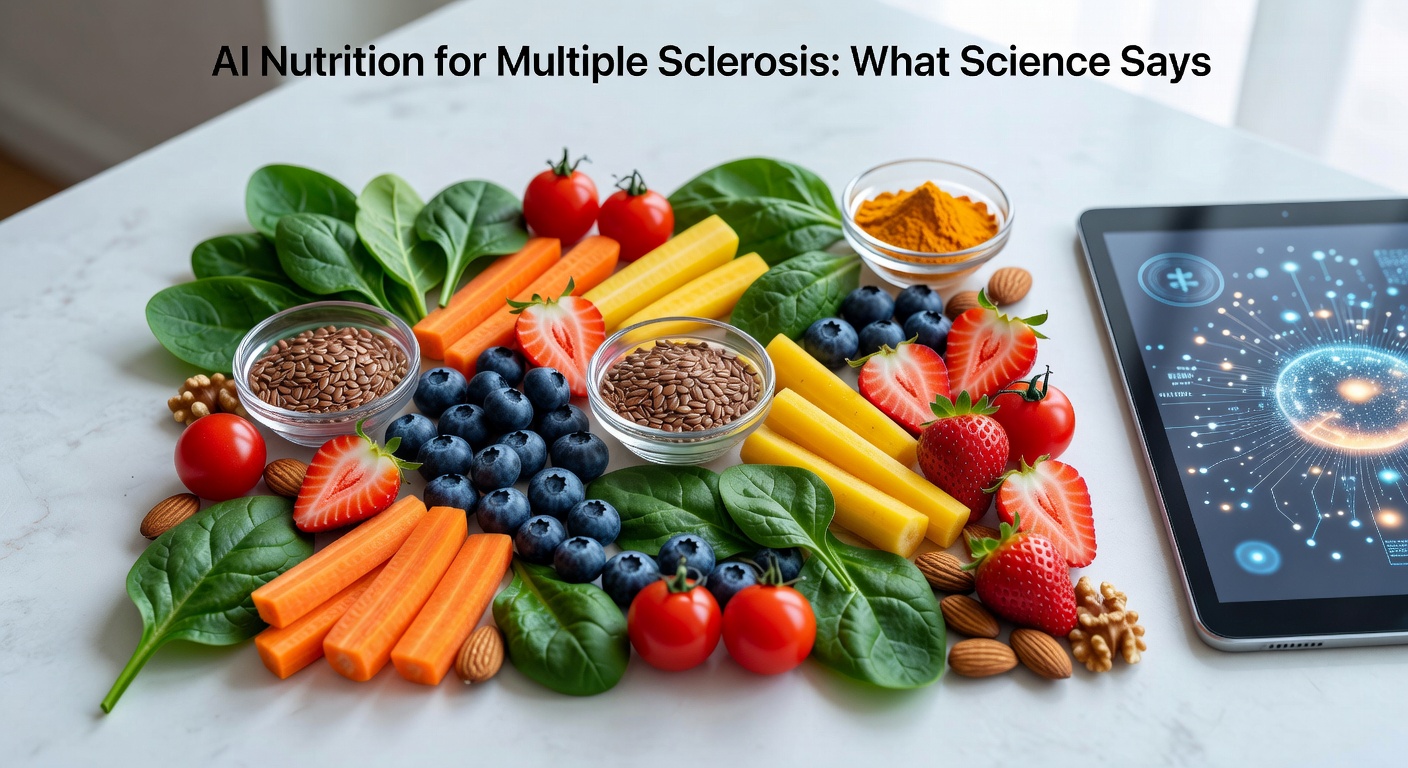
Multiple Sclerosis (MS) is a complex, unpredictable neurological disease that affects millions worldwide. Its impact ranges from mild numbness to severe paralysis, profoundly altering lives. What if personalized nutrition could significantly mitigate its symptoms and improve quality of life? This question becomes even more pressing when considering that over 2.8 million people worldwide live with MS, a figure projected to rise, underscoring the urgent need for innovative, tailored management strategies. As traditional approaches often fall short in addressing individual variability, the scientific community is increasingly turning to advanced technologies, particularly Artificial Intelligence, to unlock the true potential of nutrition in MS management.
Table of Contents
- Understanding MS and the Crucial Role of Nutrition
- Traditional Nutritional Approaches for MS Management: A Foundation
- The Dawn of AI in Nutritional Science: A Paradigm Shift
- How AI Personalizes Nutrition for Individuals with MS
- Current Research, Ethical Considerations, and Future Directions
Understanding MS and the Crucial Role of Nutrition
Multiple Sclerosis is a chronic, autoimmune disease that attacks the myelin sheath, the protective covering of nerve fibers in the central nervous system (CNS). This damage disrupts communication between the brain and the rest of the body, leading to a wide array of symptoms including fatigue, numbness, weakness, vision problems, balance issues, and cognitive impairment. The unpredictable nature of MS, with its relapsing-remitting or progressive courses, makes its management a significant challenge for both patients and healthcare providers. While there is currently no cure for MS, a multifaceted approach involving medication, rehabilitation, and lifestyle interventions is crucial for managing symptoms and slowing disease progression.
Among lifestyle interventions, nutrition has emerged as a critical, albeit often underutilized, component of MS management. Emerging scientific evidence suggests that dietary choices can profoundly influence inflammation, gut health, immune system function, and overall metabolic balance - all factors intricately linked to MS pathology. An anti-inflammatory diet, for instance, can help reduce systemic inflammation that may exacerbate demyelination. Furthermore, specific nutrients can support mitochondrial function, nerve health, and maintain a healthy gut microbiome, which is increasingly recognized for its role in the gut-brain axis and autoimmune conditions like MS. Therefore, integrating a well-thought-out nutritional strategy is not merely complementary but fundamental to optimizing outcomes for individuals living with MS.
The complexity of MS means that each individual experiences the disease uniquely. Symptoms vary widely, and dietary tolerances, nutrient needs, and metabolic responses are highly personal. This inherent variability highlights a significant limitation of generic dietary advice. While broad guidelines can provide a starting point, they often fail to account for an individual’s specific genetic predispositions, microbiome composition, current symptom profile, medication regimen, and lifestyle. This is precisely where the promise of personalized nutrition, especially when powered by advanced technologies like Artificial Intelligence, becomes compelling, offering a path toward highly customized dietary interventions that can truly make a difference.
Traditional Nutritional Approaches for MS Management: A Foundation
For decades, nutritional guidance for individuals with MS has largely focused on general healthy eating principles, often drawing parallels from diets known for their anti-inflammatory properties or benefits for cardiovascular health. These traditional approaches have laid a foundational understanding of how diet can influence MS symptoms and progression, even if they often lack the specificity required for truly individualized care. The overarching goal has been to reduce inflammation, support neurological health, and manage common MS-related symptoms such as fatigue and bowel dysfunction.
The Mediterranean Diet and Anti-Inflammatory Principles
One of the most frequently recommended dietary patterns for MS is the Mediterranean diet, or variations thereof. Rich in fruits, vegetables, whole grains, legumes, nuts, seeds, and olive oil, and low in red meat and processed foods, this diet is inherently anti-inflammatory and high in antioxidants. Studies have shown that adherence to a Mediterranean-style diet can be associated with reduced risk of chronic diseases, including some neurological conditions, and may help manage symptoms in MS by modulating immune responses and reducing oxidative stress. Similarly, other anti-inflammatory diets, which emphasize whole, unprocessed foods and limit refined sugars, unhealthy fats, and artificial additives, have been explored for their potential to dampen the inflammatory cascade central to MS pathology.
Key Nutrients: Vitamin D and Omega-3s
Beyond broad dietary patterns, specific nutrients have garnered significant attention in MS research. Vitamin D, for instance, plays a crucial role in immune system regulation, and numerous studies have linked lower vitamin D levels to an increased risk of MS development and greater disease activity. Supplementation with vitamin D is often recommended for MS patients, though optimal dosing remains an area of ongoing research. Omega-3 fatty acids, particularly EPA and DHA found in fatty fish, are another cornerstone of traditional MS nutrition. Known for their potent anti-inflammatory properties, omega-3s are thought to help modulate immune responses and protect nerve cells. Other nutrients, such as B vitamins (especially B12), antioxidants like Vitamin C and E, and minerals like magnesium, are also considered important for overall neurological health and energy production, which can impact MS symptoms.
While these traditional approaches provide valuable guidance, their broad nature often presents challenges. Adherence can be difficult without personalized meal plans, and the “one-size-fits-all” advice may not address individual nutrient deficiencies, food sensitivities, or metabolic peculiarities. Furthermore, the dynamic nature of MS symptoms means that nutritional needs can change over time, requiring a more adaptive and responsive approach than traditional methods typically offer. This gap underscores the need for more sophisticated tools that can process vast amounts of individual data to deliver truly personalized and evolving dietary recommendations.
- Focus on whole, unprocessed foods.
- Emphasis on fruits, vegetables, and healthy fats.
- Inclusion of anti-inflammatory ingredients.
- Supplementation with Vitamin D and Omega-3s often considered.
- Limitation of refined sugars, processed foods, and unhealthy fats.
The Dawn of AI in Nutritional Science: A Paradigm Shift
The field of nutritional science is undergoing a profound transformation, driven by advancements in Artificial Intelligence. What was once a domain largely reliant on population-level studies and generalized dietary guidelines is now evolving towards precision nutrition, where dietary recommendations are tailored to the unique biological and lifestyle profile of an individual. AI is at the forefront of this revolution, offering unprecedented capabilities to analyze complex data sets, identify intricate patterns, and generate highly personalized insights that were previously unattainable.
At its core, AI brings the power of advanced data analytics and machine learning to nutrition. It can process and integrate diverse data points, ranging from an individual’s genetic makeup (genomics), gut microbiome composition (microbiomics), metabolic profiles (metabolomics), and physiological responses, to their dietary history, lifestyle habits, physical activity levels, and even real-time symptom tracking. Unlike traditional methods that might focus on a few isolated variables, AI algorithms can identify subtle correlations and interactions across this vast data landscape, revealing personalized nutritional needs and sensitivities that would otherwise remain hidden. This capability allows for a shift from generic advice to highly targeted interventions that are optimized for an individual’s unique biology and health goals.
The impact of AI in healthcare, including nutrition, is rapidly expanding. The global AI in healthcare market size was valued at USD 15.1 billion in 2023 and is projected to reach USD 102.7 billion by 2030, reflecting a compound annual growth rate (CAGR) of 31.6% from 2024 to 2030, according to a report by Grand View Research (2023). This significant growth underscores the increasing recognition of AI’s potential to revolutionize various aspects of health management, including chronic conditions like MS. For nutrition, AI moves beyond simple rule-based systems; it learns from data, adapts its recommendations based on outcomes, and continuously refines its understanding of an individual’s body. This adaptive learning is crucial for managing dynamic conditions like MS, where nutritional needs can evolve with disease progression or treatment changes.
How AI Personalizes Nutrition for Individuals with MS
For individuals living with Multiple Sclerosis, the application of AI in nutrition represents a significant leap forward, moving beyond general advice to highly specific, adaptive, and effective dietary strategies. AI-powered platforms like AINutry can synthesize a vast array of personal data, creating a holistic profile that informs truly personalized nutritional interventions designed to mitigate MS symptoms, support neurological health, and improve overall quality of life.
Integrating Multi-Omics Data
One of AI’s most powerful capabilities is its ability to integrate and interpret “multi-omics” data. This includes:
- Genomics: Analyzing an individual’s genetic predispositions can reveal insights into nutrient metabolism, specific dietary sensitivities, and genetic markers associated with inflammatory responses relevant to MS. For example, AI can identify genetic variations that affect vitamin D absorption or omega-3 fatty acid conversion, allowing for tailored supplementation strategies.
- Microbiome Analysis: The gut-brain axis plays a critical role in MS pathology. AI can analyze an individual’s gut microbiome composition to identify imbalances (dysbiosis) that may contribute to inflammation or impact immune function. Based on this analysis, it can recommend specific prebiotics, probiotics, or dietary fibers to foster a healthier gut environment.
- Metabolomics: This involves studying the unique chemical fingerprints left behind by cellular processes. AI can identify specific metabolic pathways that are dysregulated in MS patients and suggest dietary interventions to rebalance them, optimizing energy production and reducing inflammatory byproducts.
By combining these layers of biological information, AI creates an unprecedentedly detailed picture of an individual’s internal landscape, allowing for precision in nutritional targeting.
Symptom Tracking and Real-Time Adjustments
MS symptoms are highly variable and can fluctuate daily or weekly. AI platforms can integrate real-time symptom tracking data (e.g., fatigue levels, pain scores, cognitive function, bowel movements) with dietary intake information. Through continuous learning, the AI can identify correlations between specific foods or nutrients and symptom exacerbation or improvement. For example, if a patient consistently reports increased fatigue after consuming certain types of dairy, the AI can flag this and suggest alternatives, even if traditional allergy tests are negative. This adaptive learning allows the nutritional plan to evolve, providing dynamic recommendations that respond to the individual’s changing health status and symptom profile, ensuring the diet remains optimally supportive.
Dietary Planning and Accessibility
Beyond analysis, AI translates complex data into actionable, user-friendly dietary plans. This includes:
- Personalized Meal Plans: Generating specific meal plans and recipes that align with an individual’s unique nutritional needs, dietary preferences, allergies, cultural background, and even budget.
- Shopping Lists: Creating tailored shopping lists to simplify grocery trips and ensure adherence to the recommended diet.
- Monitoring and Feedback: Tracking dietary intake, adherence, and progress over time, providing feedback and making adjustments as needed. This continuous loop of data collection, analysis, and recommendation ensures the nutritional strategy remains effective and relevant.
This practical application of AI makes personalized nutrition for MS not only scientifically sound but also highly accessible and sustainable for daily life.
- Integrates genetic, microbiome, and metabolic data for deep personalization.
- Analyzes real-time symptom data to dynamically adjust recommendations.
- Provides tailored meal plans, recipes, and shopping lists.
- Monitors adherence and progress, offering continuous feedback.
- Empowers individuals to manage their MS symptoms proactively through diet.
Current Research, Ethical Considerations, and Future Directions
The integration of AI into nutrition for MS is a rapidly evolving field, with ongoing research continually expanding our understanding and capabilities. Scientists are actively conducting studies to validate AI’s effectiveness in predicting disease progression, personalizing dietary interventions, and ultimately improving clinical outcomes for MS patients. Early findings suggest that AI-driven approaches can indeed lead to more precise and effective dietary management compared to traditional methods. For instance, AI algorithms are being developed to identify specific dietary patterns that correlate with reduced relapse rates or slower progression of disability in MS, paving the way for evidence-based personalized recommendations.
However, the advancement of AI in healthcare also brings forth crucial ethical considerations. Data privacy and security are paramount, as AI systems often rely on sensitive personal health information. Ensuring robust encryption, anonymization, and strict adherence to data protection regulations (like GDPR and HIPAA) is essential to build trust and protect patient confidentiality. Furthermore, the role of human oversight remains critical. While AI can provide sophisticated recommendations, it should augment, not replace, the expertise of healthcare professionals. Nutritionists and doctors play a vital role in interpreting AI outputs, providing empathetic care, and addressing psychological and social factors that AI alone cannot fully grasp. The partnership between AI and human expertise is key to responsible and effective implementation.
Looking ahead, the future of AI nutrition for MS is incredibly promising. We can anticipate even more sophisticated integration of data from wearables, smart home devices, and continuous glucose monitors, offering a truly holistic and real-time picture of an individual’s health status. Predictive analytics, powered by AI, could potentially identify individuals at higher risk of MS development or symptom exacerbation, allowing for proactive nutritional interventions. Moreover, AI could facilitate large-scale research by identifying patterns across diverse patient populations, accelerating the discovery of new nutritional biomarkers and therapeutic targets for MS. A 2022 report by Accenture indicated that AI could save the U.S. healthcare economy an estimated $150 billion annually by 2026, largely through improved chronic disease management, highlighting the immense potential for AI to optimize care for conditions like MS. The synergy of AI, personalized nutrition, and ongoing research holds the potential to profoundly transform the management of MS, offering hope for improved health outcomes and a better quality of life for millions.
- Ongoing research validates AI’s role in MS nutrition and outcomes.
- Ethical considerations like data privacy and human oversight are critical.
- AI enhances, not replaces, the expertise of healthcare professionals.
- Future integration with wearables and smart devices for real-time monitoring.
- Potential for predictive analytics to identify risks and optimize interventions.
- AI promises to accelerate research and discovery of new therapeutic targets.
Key Takeaways
- MS is a complex autoimmune disease where nutrition plays a vital role in managing inflammation, gut health, and symptoms.
- Traditional nutritional advice provides a foundation but often lacks the personalization needed for individual MS patients.
- AI revolutionizes nutrition by integrating multi-omics data (genomics, microbiome, metabolomics) to create highly personalized dietary profiles.
- AI platforms like AINutry can dynamically adjust dietary recommendations based on real-time symptom tracking and evolving health data.
- Personalized AI nutrition offers practical benefits, including tailored meal plans, recipes, and shopping lists, improving adherence and effectiveness.
- While AI holds immense promise, ethical considerations like data privacy and the necessity of human oversight remain crucial for its responsible implementation in MS care.
Empower your journey with personalized nutrition. Visit ainutry.online for AI-personalized nutrition tailored to your unique needs.
Frequently Asked Questions
Who can benefit from using AI nutrition approaches for Multiple Sclerosis management?
AI nutrition is primarily beneficial for individuals with MS who are looking for highly personalized dietary guidance to complement their existing medical treatment. It can help optimize nutrient intake based on individual symptoms, disease progression, and genetic factors, always in consultation with healthcare professionals.
What is the current scientific evidence supporting AI nutrition for Multiple Sclerosis?
The scientific evidence for AI nutrition in MS is an emerging field, with research actively exploring its potential for personalized dietary interventions. While promising, it’s generally considered a supportive tool for optimizing diet and lifestyle, not a standalone treatment or replacement for conventional MS therapies.
What specific types of dietary recommendations might AI nutrition provide for MS patients?
AI nutrition for MS aims to provide highly individualized dietary recommendations, often focusing on anti-inflammatory foods, gut microbiome support, and specific nutrient optimization (e.g., Vitamin D, Omega-3s). These recommendations are tailored based on an individual’s health data, genetic profile, and symptom presentation, rather than a one-size-fits-all approach.
Are there any potential risks or limitations associated with using AI nutrition for MS?
A key limitation is the need for robust validation of AI algorithms and ensuring recommendations are medically sound and do not conflict with existing MS treatments. Over-reliance on unverified AI tools or neglecting professional medical advice could lead to inappropriate dietary changes or missed crucial medical interventions.
Leave a Reply