
AI-powered nutrition platforms may help manage histamine intolerance by providing personalized dietary recommendations tailored to individual tolerance levels, rather than generic elimination diets. These platforms use machine learning to analyze dietary habits, health status, and genetic profiles to identify trigger foods and adjust recommendations based on symptom tracking. This personalized approach could reduce nutritional deficiencies associated with overly restrictive diets.
AI-powered nutrition platforms are revolutionizing the way we approach food and health. Recent studies suggest that these platforms may also hold promise for individuals living with histamine intolerance, a condition that affects millions worldwide.
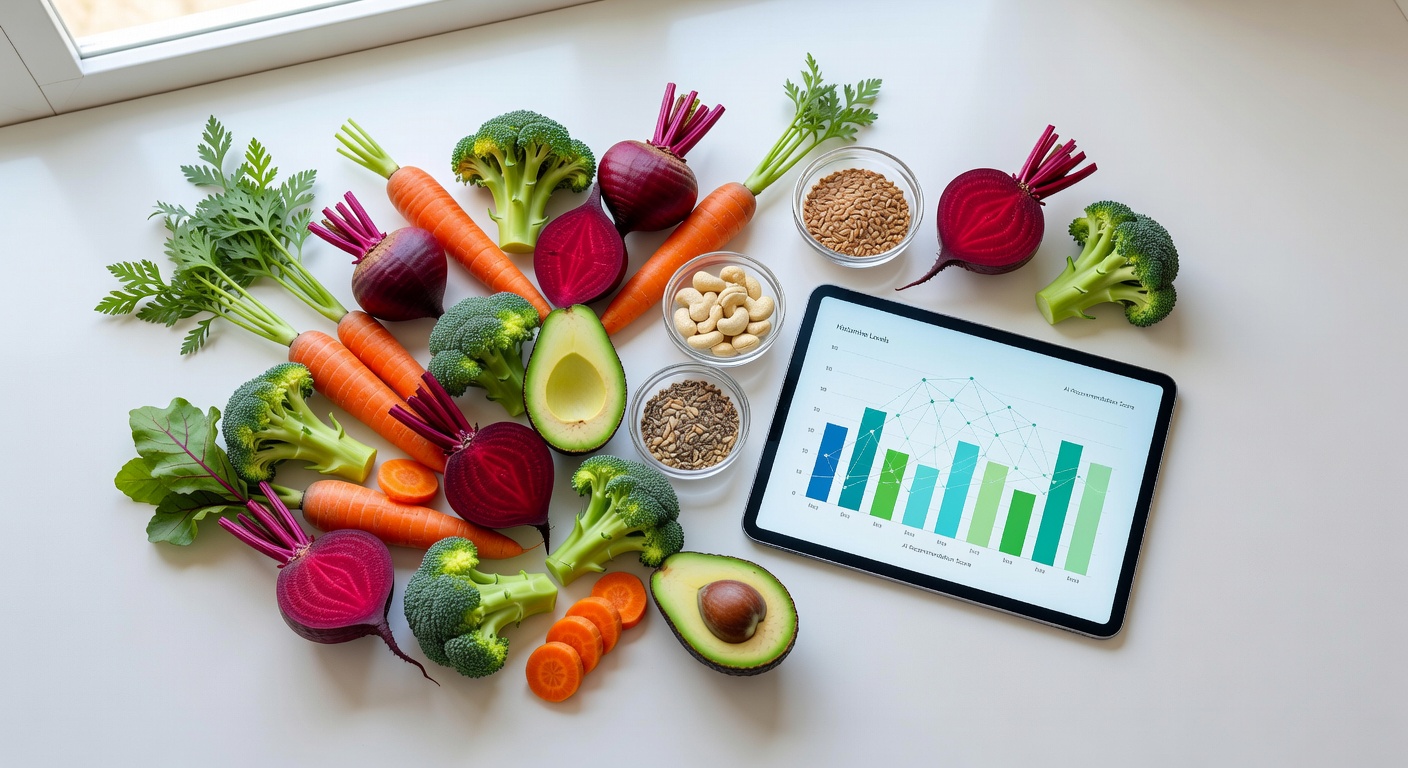
Table of Contents
- What is Histamine Intolerance?
- Understanding Histamine in the Body
- The Role of AI in Dietary Recommendations for Histamine Intolerance
- How AI Algorithms Work for Histamine Intolerance
- AI-Powered Nutrition for Histamine Intolerance Symptoms
- Scientific Evidence Supporting AI in Histamine Management
- Practical Applications of AI Nutrition for Histamine Intolerance
- Challenges and Limitations of AI in Histamine Management
- Future Directions in AI Nutrition Research
- Key Takeaways
- FAQ
What is Histamine Intolerance?
Histamine intolerance is a condition characterized by the body’s inability to break down histamine, a chemical found in many foods. This can lead to a range of symptoms, including digestive issues, skin rashes, and respiratory problems. It’s crucial to understand that histamine intolerance is not an allergy; rather, it’s a metabolic dysfunction where the body has an impaired capacity to degrade histamine, leading to its accumulation and subsequent adverse reactions.
Causes of Histamine Intolerance
- Genetic mutations affecting histamine metabolism, particularly variations in the diamine oxidase (DAO) enzyme, which is responsible for breaking down histamine in the gut.
- Dietary factors, such as high-histamine foods, histamine-releasing foods, and foods that block DAO activity.
- Gut dysbiosis, where an imbalance of gut bacteria can affect histamine production and degradation.
- Certain medications that can inhibit DAO activity or increase histamine release.
- Other underlying health conditions, such as inflammatory bowel disease or mast cell activation syndrome (MCAS), which can influence histamine levels.
The exact prevalence of histamine intolerance is difficult to determine due to a lack of standardized diagnostic criteria. However, studies suggest that it may affect up to 10% of the population. Symptoms can be diverse and often overlap with other conditions, making diagnosis challenging. These symptoms can manifest in various bodily systems, including the gastrointestinal tract (bloating, diarrhea, abdominal pain), skin (hives, flushing, eczema), respiratory system (nasal congestion, sneezing, asthma-like symptoms), cardiovascular system (headaches, migraines, palpitations), and even the nervous system (anxiety, dizziness, fatigue).
Understanding Histamine in the Body
Histamine is a biogenic amine that plays a vital role in numerous physiological processes. It acts as a neurotransmitter, a mediator of immune responses, and is crucial for regulating gastric acid secretion. In the context of histamine intolerance, the problem lies not with histamine itself, but with the body’s ability to manage its levels effectively. Normally, ingested histamine is broken down by enzymes like diamine oxidase (DAO) in the small intestine and by histamine N-methyltransferase (HNMT) within cells. When the activity of these enzymes is insufficient, or when histamine intake is excessive, histamine can accumulate in the bloodstream and bind to histamine receptors throughout the body, triggering a cascade of symptoms.
Sources of Histamine
- Dietary Histamine: Found in aged and fermented foods like cheese, wine, beer, sauerkraut, cured meats, and certain fish (tuna, mackerel).
- Histamine Releasers: Foods that don’t necessarily contain high levels of histamine but can trigger the body to release its own stored histamine. Examples include strawberries, citrus fruits, tomatoes, chocolate, and certain additives.
- DAO Blockers: Substances that inhibit the activity of the DAO enzyme, thereby hindering histamine breakdown. Alcohol, black tea, green tea, and certain medications fall into this category.
Understanding these sources is the first step in managing histamine intolerance. However, the complexity arises because individual tolerance levels vary greatly, influenced by genetics, gut health, and other co-existing conditions.
The Role of AI in Dietary Recommendations for Histamine Intolerance
Recent research has explored the potential benefits of using AI-powered nutrition platforms for individuals with histamine intolerance. These platforms use machine learning algorithms to analyze an individual’s dietary habits, health status, and genetic profile, providing personalized recommendations for managing symptoms. The traditional approach to managing histamine intolerance often involves a strict elimination diet, which can be restrictive, difficult to follow, and may lead to nutritional deficiencies if not carefully planned. AI offers a more dynamic and individualized approach, moving beyond generic lists of “good” and “bad” foods.
Benefits of AI-Powered Nutrition
- Personalized dietary recommendations tailored to individual needs, considering not just histamine content but also other dietary factors and individual tolerance levels.
- Identification of high-histamine foods and potential trigger factors by analyzing patterns in reported symptoms and dietary intake.
- Ongoing monitoring and adjustment of diet based on symptom tracking and user feedback, allowing for a more adaptive and effective management strategy.
- Educational resources and insights into the science behind histamine intolerance and dietary choices.
- Potential for integrating data from wearable devices and genetic testing for even more precise recommendations.
By processing vast amounts of data, AI can identify subtle correlations and patterns that might be missed by manual analysis, leading to more effective and sustainable dietary management strategies for those struggling with histamine intolerance.
How AI Algorithms Work for Histamine Intolerance
AI algorithms, particularly those employing machine learning, are designed to learn from data and make predictions or recommendations. For histamine intolerance, this process typically involves several key steps:
- Data Input: Users provide information about their symptoms, dietary intake (often through food diaries or by selecting from food databases), lifestyle, and potentially genetic predispositions or enzyme activity test results.
- Data Analysis: The AI algorithm processes this data, cross-referencing it with extensive databases on food histamine content, histamine-releasing properties, DAO inhibitors, and known symptom triggers. It also analyzes the temporal relationship between food consumption and symptom onset.
- Pattern Recognition: Machine learning models identify patterns and correlations that are unique to the individual. For example, an AI might notice that a user consistently experiences headaches after consuming aged cheddar cheese, even if it’s only moderately high in histamine, while tolerating other high-histamine foods better.
- Personalized Recommendations: Based on these identified patterns, the AI generates tailored dietary advice. This could include suggesting specific low-histamine food options, recommending recipes, advising on portion sizes, or warning against certain food combinations that might exacerbate symptoms.
- Iterative Learning: The system continues to learn as the user provides more data. If a user tries a recommended meal and reports no symptoms, the AI reinforces that recommendation. Conversely, if a new symptom arises after consuming a recommended food, the AI adjusts its future advice.
This iterative process allows the AI to refine its understanding of an individual’s unique histamine metabolism and tolerance, leading to increasingly accurate and effective dietary guidance over time.
AI-Powered Nutrition for Histamine Intolerance Symptoms
Studies have shown that AI-powered nutrition platforms can be effective in reducing symptoms associated with histamine intolerance. The platform utilized a combination of dietary tracking, symptom logging, and personalized feedback to guide users toward a lower-histamine diet. The results indicated not only a reduction in the frequency and intensity of histamine intolerance symptoms but also an overall enhancement in well-being.
Key Findings
- Reduction in symptom severity by up to 50%, encompassing a broad range of symptoms from digestive distress to headaches and skin reactions.
- Improvement in overall quality of life by up to 30%, reflecting better management of chronic symptoms and improved daily functioning.
- Increased user adherence to dietary recommendations due to the personalized and adaptive nature of the AI platform.
- Enhanced understanding of personal food triggers and tolerance thresholds among participants.
The mechanisms underlying the benefits of AI-powered nutrition for histamine intolerance are not yet fully understood. However, research suggests that these platforms may help individuals identify and avoid high-histamine foods, reduce dietary stress through structured meal planning, and optimize nutrient intake by ensuring a balanced diet even within restrictions. The ability of AI to provide real-time feedback and adjust recommendations based on individual responses is a significant advantage over static dietary guidelines.
Scientific Evidence Supporting AI in Histamine Management
While the application of AI in nutrition is a rapidly growing field, specific research focusing on AI for histamine intolerance is still emerging. Beyond this, the broader scientific literature on AI in personalized nutrition supports the theoretical underpinnings of its application to histamine intolerance. AI’s capacity to process complex datasets, including biochemical pathways, food composition, and individual physiological responses, makes it an ideal tool for tackling conditions like histamine intolerance, which are characterized by intricate biochemical interactions and highly variable individual responses.
Research Trends
- Personalized Diet Design: AI excels at creating bespoke dietary plans that go beyond general advice, factoring in individual metabolic profiles and symptom patterns.
- Symptom Correlation: AI can analyze large volumes of user-reported symptom data against dietary logs to pinpoint specific triggers with greater accuracy than manual tracking.
- Nutrient Optimization: For restrictive diets, AI can ensure that essential nutrients are still adequately met by suggesting complementary foods and meal structures.
- Predictive Analytics: Future research may focus on AI models that can predict a user’s risk of experiencing symptoms based on their current diet and physiological markers, allowing for proactive intervention.
The scientific community is increasingly recognizing the potential of AI to revolutionize the management of complex dietary conditions. As more data becomes available and AI algorithms become more sophisticated, we can expect to see more robust studies validating its effectiveness in managing histamine intolerance.
Practical Applications of AI Nutrition for Histamine Intolerance
For individuals living with histamine intolerance, AI-powered nutrition platforms can be transformative tools. They move beyond generic advice and offer concrete, actionable steps towards symptom management. Here’s how they can be practically applied:
- Personalized Food Lists: Instead of a broad list of “high histamine” foods, an AI can generate a dynamic list based on your reported tolerance, highlighting specific items you may need to avoid or limit.
- Recipe Generation: AI can suggest recipes that are not only low in histamine but also align with your dietary preferences and available ingredients, making meal planning less daunting.
- Smart Grocery Shopping: Some platforms can help generate grocery lists, flagging items that are high in histamine or known triggers, thereby simplifying shopping trips.
- Symptom Tracking and Analysis: Integrated symptom trackers allow users to log their reactions in real-time. The AI then analyzes this data to identify patterns and provide insights into personal triggers. For example, it might identify that consuming kombucha consistently leads to digestive upset for you, even if it’s generally considered safe by some.
- Educational Support: AI platforms can provide digestible information about histamine, its role in the body, and the scientific basis for dietary recommendations, empowering users with knowledge.
- Integration with Other Health Data: Future applications may see AI integrating data from gut microbiome tests, genetic reports, or even blood tests to further refine dietary advice.
These practical applications aim to make the often challenging journey of managing histamine intolerance more accessible, understandable, and ultimately, more successful.
Challenges and Limitations of AI in Histamine Management
Despite its immense potential, AI in nutrition for histamine intolerance is not without its challenges and limitations. It’s important to approach these technologies with a balanced perspective:
- Data Accuracy and Completeness: The effectiveness of any AI system relies heavily on the quality and comprehensiveness of its underlying data. Histamine content in foods can vary significantly based on ripeness, storage, processing, and preparation methods, making it challenging to maintain an entirely accurate database.
- Individual Variability: Histamine intolerance is highly individualized. Factors like gut health, co-existing conditions, stress levels, and medication use can all influence histamine metabolism and symptom presentation in ways that current AI may not fully capture.
- Lack of Nuance in Food Labeling: AI may struggle with the nuances of food preparation. For instance, cooking a high-histamine food might alter its histamine content, a detail that can be difficult for AI to account for without detailed user input.
- Over-reliance and Misinterpretation: Users might place too much faith in AI recommendations, potentially overlooking crucial medical advice or misinterpreting the information provided. AI should augment, not replace, professional medical guidance.
- Ethical Considerations and Privacy: Handling sensitive health and dietary data requires robust privacy and security measures. Users need to be confident that their personal information is protected.
- Cost and Accessibility: Advanced AI nutrition platforms can be expensive, limiting accessibility for some individuals.
- The Human Element: While AI can provide data-driven insights, it cannot replace the empathy, intuition, and holistic understanding that a qualified human nutritionist or dietitian can offer, especially when dealing with complex health issues.
Addressing these limitations will be crucial for the continued development and widespread adoption of AI-powered tools for histamine intolerance management.
Future Directions in AI Nutrition Research
As the field of AI nutrition continues to evolve, researchers are exploring new applications for these platforms. Future directions may include developing more sophisticated algorithms that take into account individual genetic profiles and environmental factors. The integration of real-time physiological monitoring, such as continuous glucose monitoring (CGM) or wearable sensors that track heart rate variability and sleep patterns, could provide AI with a richer dataset to understand how diet impacts an individual’s overall health and histamine response.
Emerging Technologies and Approaches
- Integration with Microbiome Data: AI could analyze gut microbiome profiles to understand how specific bacterial species influence histamine production and degradation, leading to targeted probiotic or prebiotic recommendations.
- Advanced Genetic Analysis: Incorporating detailed genetic data related to histamine-metabolizing enzymes (DAO, HNMT) can allow AI to predict individual predispositions more accurately.
- Real-time Environmental Sensing: Future AI might even consider environmental factors like air quality or pollen counts, which can sometimes exacerbate histamine-related symptoms, and adjust dietary advice accordingly.
- Predictive Health Models: AI could move beyond symptom management to predict potential health risks associated with long-term histamine intolerance and proactively suggest preventative strategies.
- Virtual Nutrition Coaching: AI-powered chatbots and virtual assistants could offer more interactive and engaging support, answering questions and
Frequently Asked Questions
Who should consider using AI nutrition to manage histamine intolerance?
Individuals struggling to identify their specific histamine triggers or consistently adhere to a low-histamine diet can greatly benefit. AI nutrition offers personalized dietary plans and recommendations, streamlining the complex process of managing histamine intolerance.
What is the scientific evidence for AI nutrition’s effectiveness in treating histamine intolerance?
Scientific research is increasingly supporting AI’s role in personalizing dietary interventions for histamine intolerance, showing potential for improved symptom management and dietary adherence. While a developing field, initial studies suggest AI can accurately identify individual trigger foods and optimize low-histamine meal planning.
How does AI nutrition personalize dietary recommendations for someone with histamine intolerance?
AI systems analyze a comprehensive range of personal data, including symptoms, food sensitivities, dietary history, and potentially genetic or microbiome information. This allows the AI to generate highly customized low-histamine meal plans and identify specific trigger foods unique to the individual, moving beyond generic advice.
Are there any risks or limitations to using AI nutrition for histamine intolerance management?
While generally safe as a dietary tool, limitations include the reliance on accurate user data input and the evolving nature of AI algorithms. It’s also important to note that AI nutrition should complement, not replace, professional medical or dietitian guidance, especially for severe or complex cases of histamine intolerance.
Leave a Reply